
Bush Vetchling
IOverview
Overview
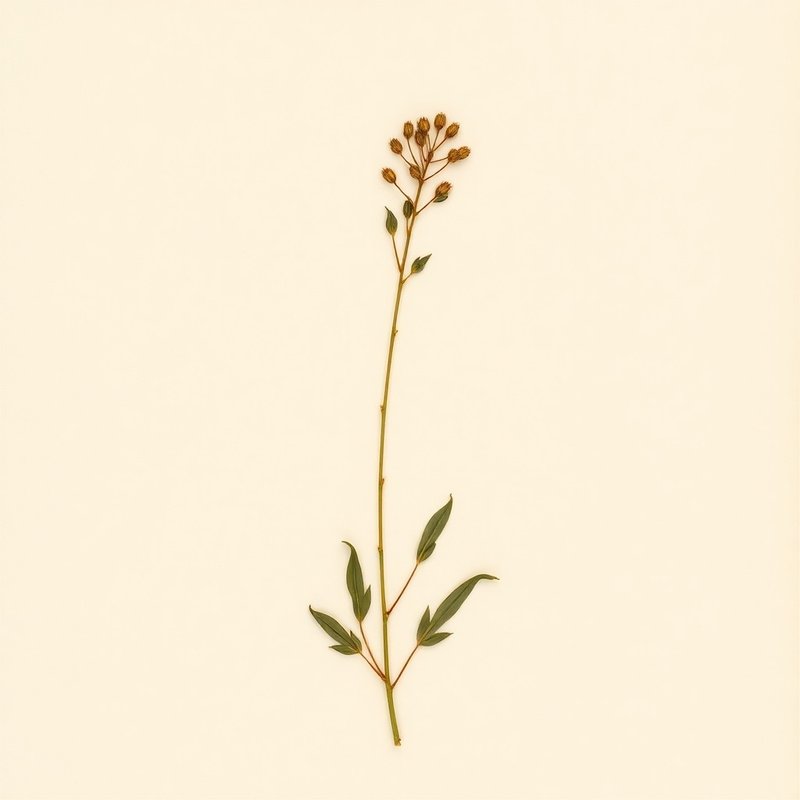
Bush Vetchling (Lathyrus ornatus), a perennial plant from the Fabaceae family, is native to regions including Colorado, Kansas, Nebraska, Oklahoma, South Dakota, and parts of Mexico Northeast in Texas. This hardy plant thrives in full sun and can adapt to various soil types such as light sandy, medium, and heavy clay soils, making it suitable for diverse growing conditions within USDA Hardiness Zones 3-7. Known for its edible seedpods, which are often prepared similarly to other legumes, Bush Vetchling provides a nutritious addition to meals when consumed raw or cooked. Its ornamental value and nitrogen-fixing capabilities make it a versatile choice for gardens and landscapes. The plant's adaptability and edible qualities contribute significantly to its cultivation relevance. The seedpods, the primary edible part of the plant, can be harvested when fully mature and used in various culinary preparations. While not medicinal, Bush Vetchling is valued for its nitrogen-fixing properties, which benefit surrounding plants by improving soil fertility. This perennial thrives in well-drained to moist soils and requires adequate moisture during dry periods but should be avoided from overwatering to prevent root rot. For propagation, seeds can be sown directly in the garden. Bush Vetchling's distinctive ornamental value and practical benefits make it an excellent choice for those interested in sustainable gardening practices or seeking a nutritious addition to their diet.
What is Bush Vetchling?
Bush Vetchling (Lathyrus ornatus), a perennial plant from the Fabaceae family, is native to regions including Colorado, Kansas, Nebraska, Oklahoma, South Dakota, and parts of Mexico Northeast in Texas.
VCultivation
Cultivation
How to grow Bush Vetchling for the first time
Start with Bush Vetchling as a simple, low-maintenance perennial for your garden.
- 1
What you'll need
Bush Vetchling seeds or seedlings, a trowel, and a watering can.
- 2
Best time to plant
Plant in spring after the last frost or in fall before the first freeze.
- 3
Soil and container prep
Choose a location with well-draining soil that's light (sandy), medium, or heavy (clay). Ensure full sun exposure.
- 4
Sowing or transplanting
Direct sow seeds 0.5 inches deep in the ground or start seedlings indoors and transplant them after danger of frost passes.
- 5
First two weeks
Water regularly to keep soil moist until plants are established, then reduce watering.
- 6
Ongoing care
Provide light to medium water during dry spells. Prune back any dead or leggy growth in early spring.
- 7
Harvest or pruning
Prune the plant in late winter to encourage new growth and maintain shape.
- 8
Common mistakes
Overwatering, planting in poor drainage soil, neglecting to prune, and not providing enough sunlight.
VIEdible & utility
Edible & utility
VIIDistribution
7 native · 0 introduced
Distribution
7 native · 0 introducedIXSpecimen gallery
1 image
Specimen gallery
1 imageXSee also
8 related
See also
8 relatedPlants you might compare or use together — scored by shared family (Fabaceae), common use cases, and growing requirements.
Explore further
About this entry
- Last updated
- Citation
- How to cite this entry · Submit a correction
Continue reading
Get archive updates
Occasional email when substantial new content lands — plant profiles, seasonal growing notes, folk-remedy additions. Free, no tracking, unsubscribe anytime.