
Lentil
Lens culinarisfam. Fabaceae
Educational content — not medical, botanical, or professional advice. Plant identification, safety, and edibility depend on local conditions, cultivars, and correct identification. Consult a qualified botanist or forager before consuming or handling wild specimens. How we source & review →

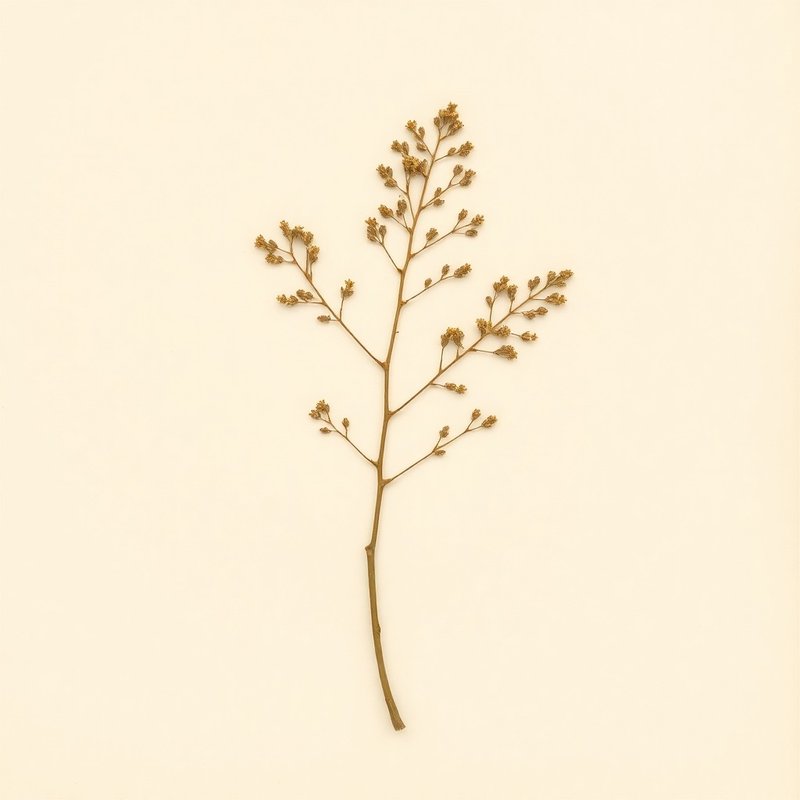
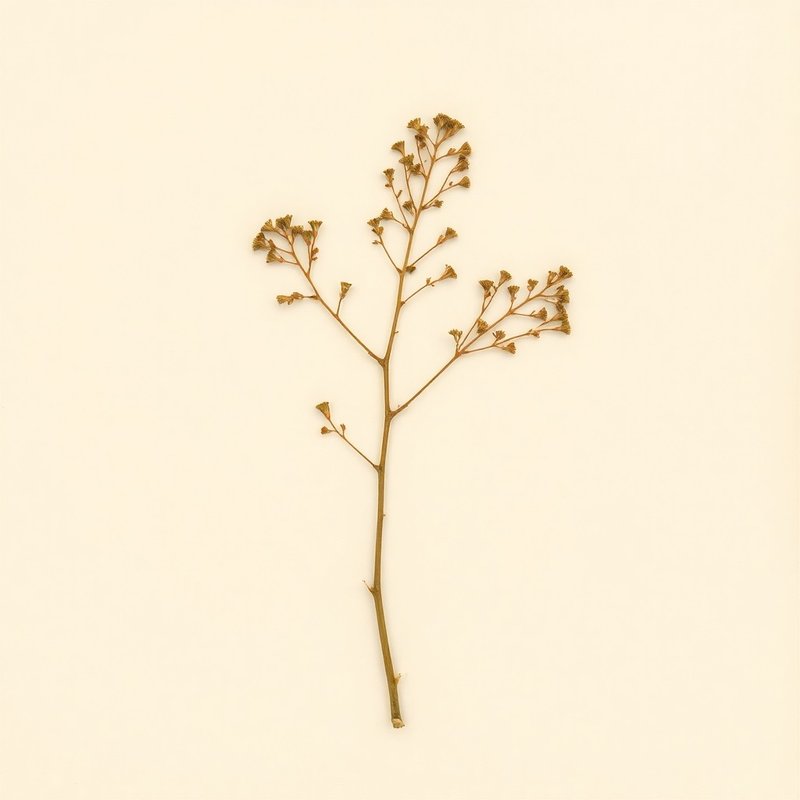
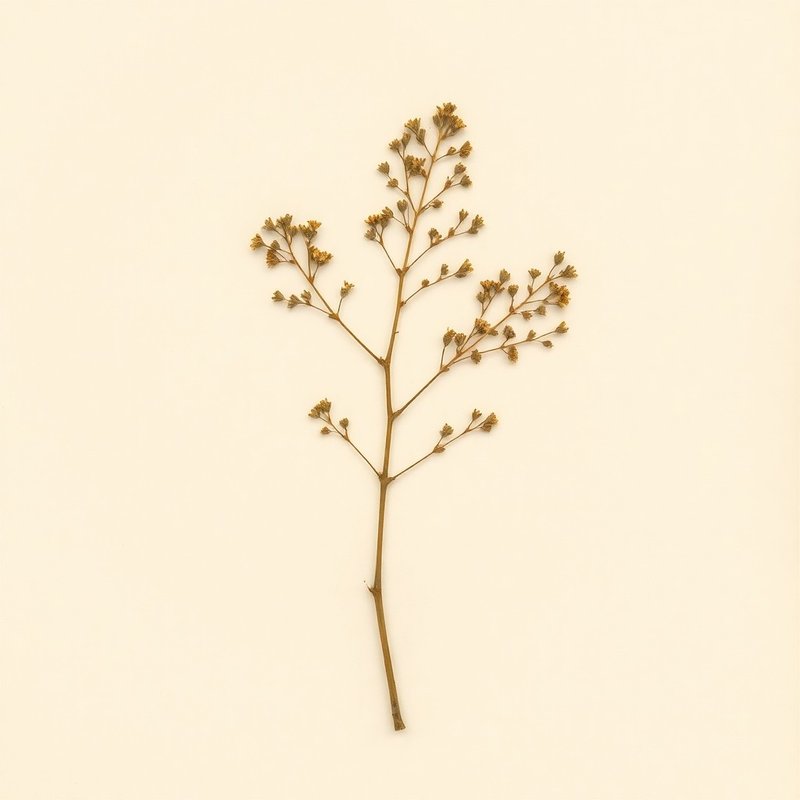
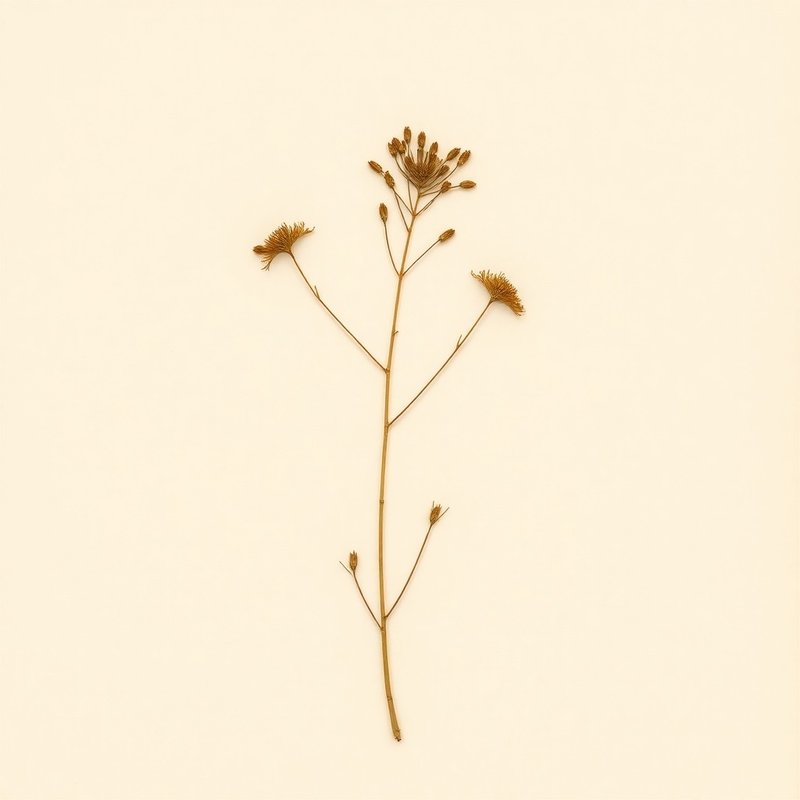
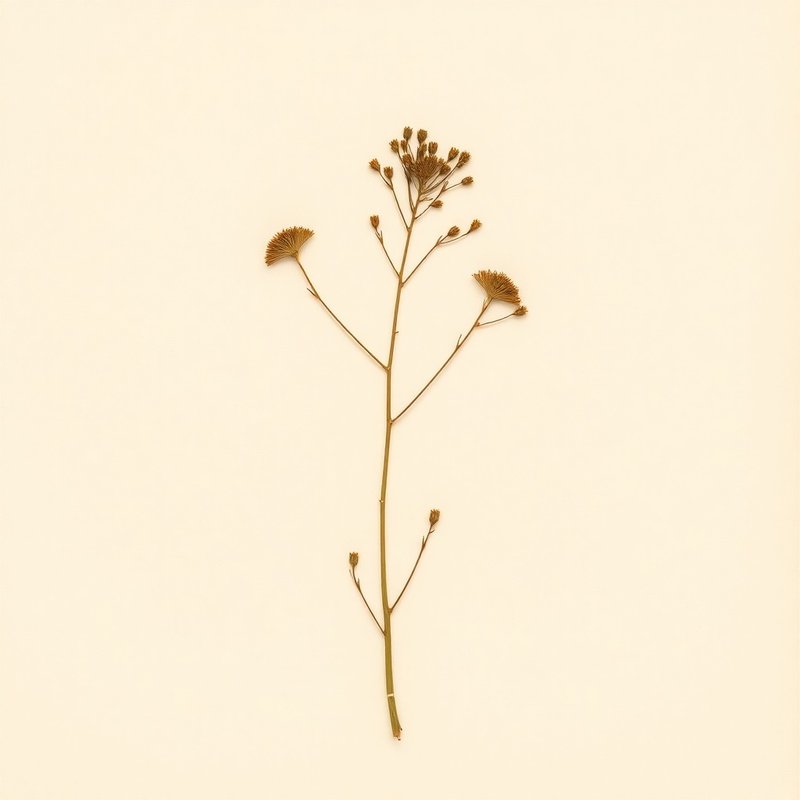
Pl. 2D38 — Lens culinaris
Lens culinarisLens culinarisLens culinarisLens culinarisLens culinarisLens culinarisLens culinarisLens culinarisLens culinarisLens culinarisLens culinarisLens culinarisLens culinarisLens culinaris
IOverview
Overview
Lentil, scientifically known as Lens culinaris, is an annual plant native to regions including Afghanistan, Algeria, and Iran. It thrives in full sun with a preference for dry to moist soil types—light (sandy), medium, or heavy (clay). Lentils are cultivated for their edible seeds and seedpods, making them a valuable crop across its native range and beyond. This plant is hardy within USDA zones 7-12 and reaches a height of about 0.5 meters. Its adaptability to various soil conditions and climate makes it a versatile agricultural choice in many parts of the world where it has been grown for centuries.
Quick answers
What is Lentil?
Lentil, scientifically known as Lens culinaris, is an annual plant native to regions including Afghanistan, Algeria, and Iran. It thrives in full sun with a preference for dry to moist soil types—light (sandy), medium, or heavy (clay).
Growingconditions · propagation · uses
VCultivation
Cultivation
Lentil thrives in full sun and prefers well-drained soil that can be light (sandy), medium, or heavy (clay). It is drought-tolerant but benefits from moist conditions during the growing season. Lentils are hardy in zones 7-12 and grow to about 0.5 meters tall. They require dry to moist soil and should be planted as an annual. Harvest the seeds and seedpods for use.
Light
Full sun
Water
Dry, Moist
Soil
Light (sandy), Medium, Heavy (clay)
Hardiness
7-12
Life cycle
Annual
Mature size
0.5 m tall
For first-time growers
How to grow Lentil for the first time
8steps
Start with lentils for a simple and rewarding first gardening experience.
- 1
What you'll need
Lentil seeds, a small garden plot or large container, compost, and water.
- 2
Best time to plant
Plant in spring after the last frost, when soil temperatures are above 10°C (50°F).
- 3
Soil and container prep
Choose a well-draining spot with light or medium soil. Amend with compost if needed.
- 4
Sowing or transplanting
Sow seeds 2-3 cm deep, spaced about 5 cm apart in rows 40 cm apart. Water gently after planting.
- 5
First two weeks
Keep soil consistently moist but not waterlogged. Thin seedlings to 10 cm apart if necessary.
- 6
Ongoing care
Water sparingly, especially once plants are established. Monitor for pests and diseases.
- 7
Harvest or pruning
Harvest when pods turn brown and dry on the plant. Pick every few days to ensure full harvest.
- 8
Common mistakes
Overwatering, planting too deep, neglecting thinning, not providing enough support for vines.
VIEdible & utility
Edible & utility
Edible parts:SeedSeedpod
Edible uses: The lentil plant's seeds and seedpods are edible. The seeds are typically cooked before eating, often in soups or stews. Skip the raw form for best results. Dried lentils can also be sprouted for a nutritious snack.
Other uses:Fire starterCover cropNitrogen fixer
Contextrange · companions · related
VIIDistribution
13 native · 17 introduced
Distribution
13 native · 17 introducedDistribution across4 continents· 13 native· 17 introduced
Europe11 regions
native (2)FranceSpain
introduced (9)AlbaniaAustriaBelarusBulgariaCyprusFrancePortugalRussiaSpain
Asia9 regions
native (6)AfghanistanIranIraqPakistanPalestineTurkey
introduced (3)BangladeshChinaIndia
Americas1 region
introduced (1)Colombia
Africa2 regions
native (2)AlgeriaMorocco
Broader regions
native:Lebanon-Syria, East Aegean Is., West Himalaya
introduced:Altay, Baltic States
IXSpecimen gallery
1 image
Specimen gallery
1 imageXSee also
8 related
See also
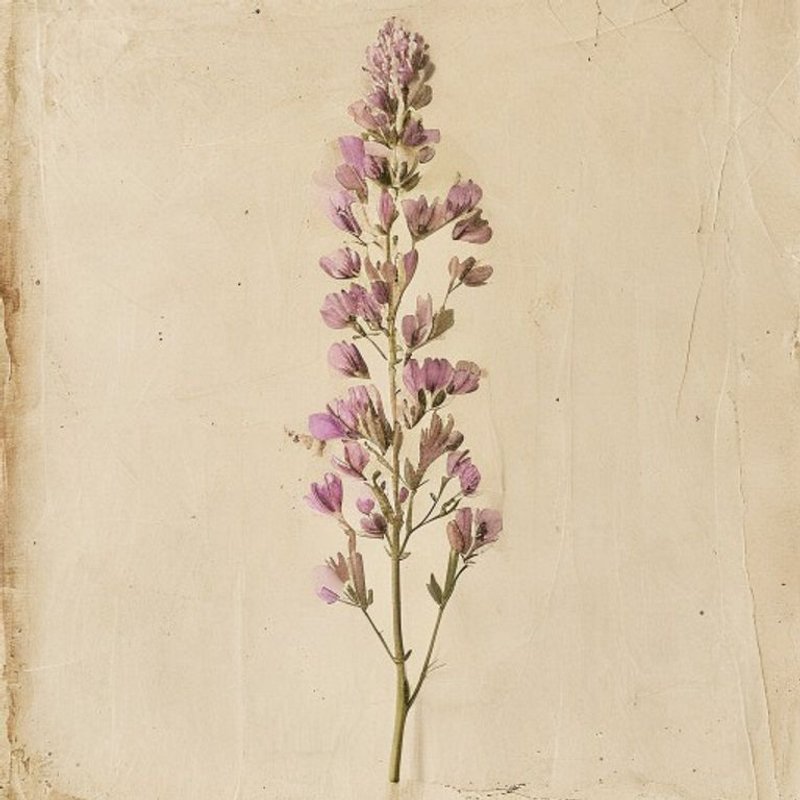
8 relatedPlants you might compare or use together — scored by shared family (Fabaceae), common use cases, and growing requirements.
same family · Fabaceae
Botanical relatives — often share phytochemistry + growing needs.

XI
Explore further
Companion planting
Compare with similar plants
Growing zone
XII
About this entry
- Last updated
- Citation
- How to cite this entry · Submit a correction
Back to the cataloguePlant id · 2d38f108-612c-4c45-a7e2-bcdff425f466
Decision aid
Choosing between Lentil and something else?
Continue reading
❦❦❦❦
Endpaper · archive updates
Get archive updates
Occasional email when substantial new content lands — plant profiles, seasonal growing notes, folk-remedy additions. Free, no tracking, unsubscribe anytime.