
Lens ervoides
Lens ervoidesfam. Fabaceae
Educational content — not medical, botanical, or professional advice. Plant identification, safety, and edibility depend on local conditions, cultivars, and correct identification. Consult a qualified botanist or forager before consuming or handling wild specimens. How we source & review →
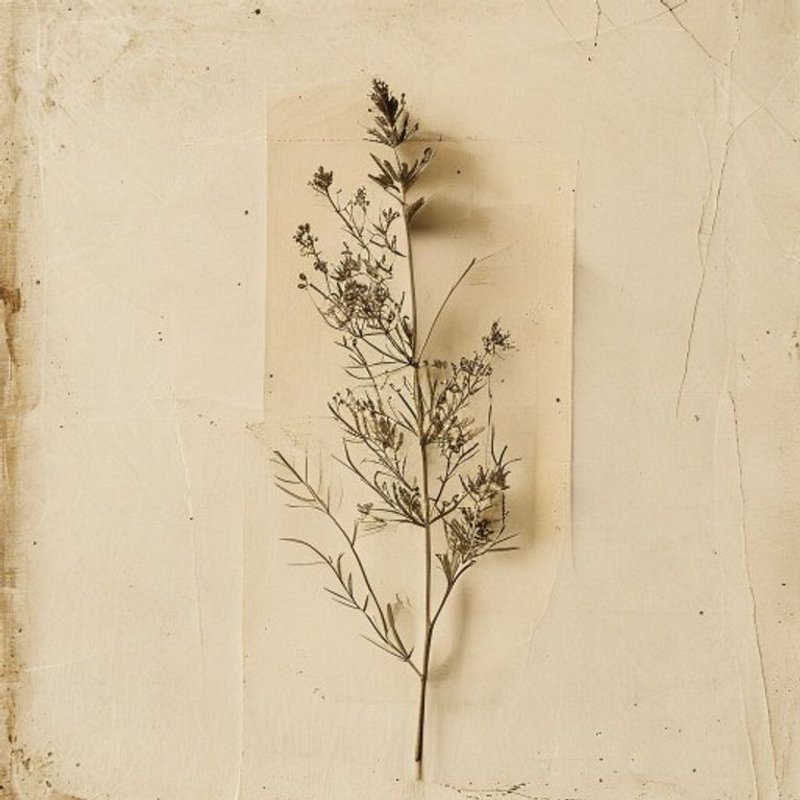
Pl. 3F88 — Lens ervoides
Lens ervoidesLens ervoidesLens ervoidesLens ervoidesLens ervoidesLens ervoidesLens ervoidesLens ervoidesLens ervoidesLens ervoidesLens ervoidesLens ervoidesLens ervoidesLens ervoides
IOverview
Overview
Lens ervoides, commonly known as the lens plant, is an annual herb that thrives in a variety of environments across southern Europe and northern Africa, from Albania to Ethiopia and beyond. This plant prefers full sun and can tolerate both dry and moist conditions, thriving in light (sandy), medium, or heavy (clay) soils. Standing at about 0.3 meters tall, it is known for its edible seeds, making it a valuable resource in areas where it grows naturally. Its adaptability to different habitats makes Lens ervoides a notable presence in diverse ecosystems across its native range.
Quick answers
What is Lens ervoides?
Lens ervoides, commonly known as the lens plant, is an annual herb that thrives in a variety of environments across southern Europe and northern Africa, from Albania to Ethiopia and beyond.
Growingconditions · propagation · uses
VCultivation
Cultivation
Lens ervoides thrives in full sun and can tolerate both dry and moist conditions. It prefers light, medium, or heavy soil types but is adaptable to various environments found in its native range. This annual plant grows to about 0.3 meters tall and produces edible seeds. For cultivation, ensure the soil is well-draining while maintaining consistent moisture levels. Propagation can be done through seed sowing directly into the ground after all danger of frost has passed.
Light
Full sun
Water
Dry, Moist
Soil
Light (sandy), Medium, Heavy (clay)
Life cycle
Annual
Mature size
0.3 m tall
For first-time growers
How to grow Lens ervoides for the first time
8steps
Start with a simple and light approach to growing Skip, focusing on basic care.
- 1
What you'll need
A small pot or garden bed, seeds of Skip, and some basic gardening tools like a trowel.
- 2
Best time to plant
Plant in spring when the soil is warm but not hot.
- 3
Soil and container prep
Use well-draining soil with a mix of light (sandy), medium, or heavy clay. Ensure containers have drainage holes.
- 4
Sowing or transplanting
Direct sow seeds 0.3 meters apart in the garden bed or start them indoors and transplant when they are strong enough.
- 5
First two weeks
Water sparingly to keep soil moist but not wet, ensuring the seedlings do not dry out completely.
- 6
Ongoing care
Provide full sun exposure. Water only if the soil feels very dry and avoid overwatering. Monitor for pests and diseases.
- 7
Harvest or pruning
Prune any dead or damaged parts to encourage healthy growth. Harvest seeds when they are fully mature, indicated by a brown color.
- 8
Common mistakes
Overwatering, planting in heavy shade, and neglecting to prune dead foliage.
VIEdible & utility
Edible & utility
Edible parts:Seed
Edible uses: The lens ervoides seed is edible and can be consumed raw or cooked. Typically, the seeds are harvested and prepared in various ways depending on preference, though common methods include boiling or roasting to enhance their flavor and texture.
Other uses:Nitrogen fixer
Contextrange · companions · related
VIIDistribution
21 native · 1 introduced
Distribution
21 native · 1 introducedDistribution across3 continents· 21 native· 1 introduced
Europe7 regions
native (6)AlbaniaBulgariaCyprusGreeceItalySpain
introduced (1)Ukraine
Asia2 regions
native (2)PalestineTurkey
Africa4 regions
native (4)AlgeriaEthiopiaMoroccoUganda
Broader regions
native:Lebanon-Syria, East Aegean Is., Kriti, Transcaucasus, Yugoslavia, Zaïre
IXSpecimen gallery
1 image
Specimen gallery
1 imageXSee also
8 related
See also
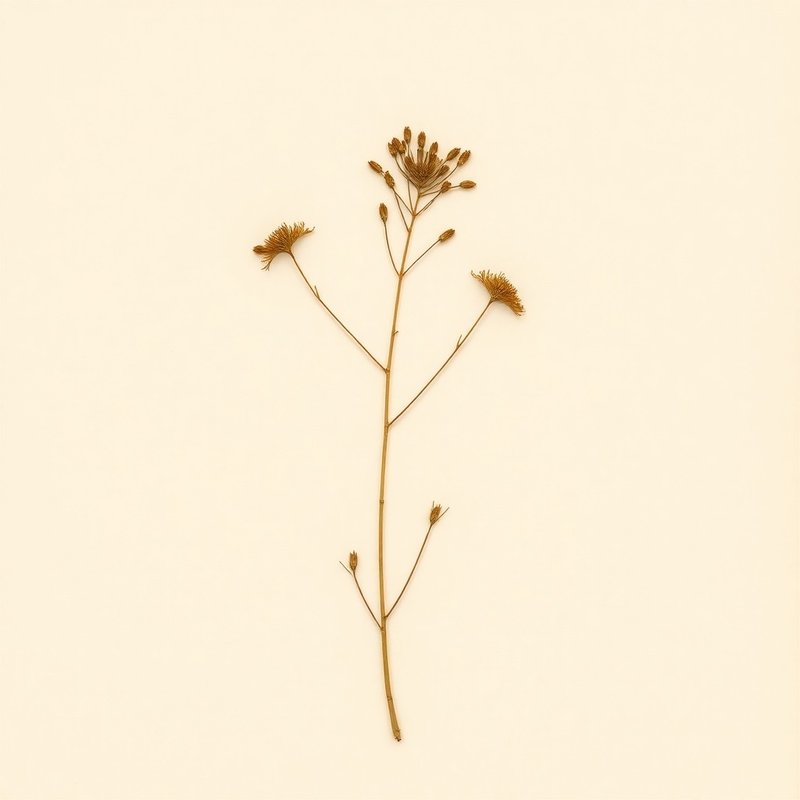
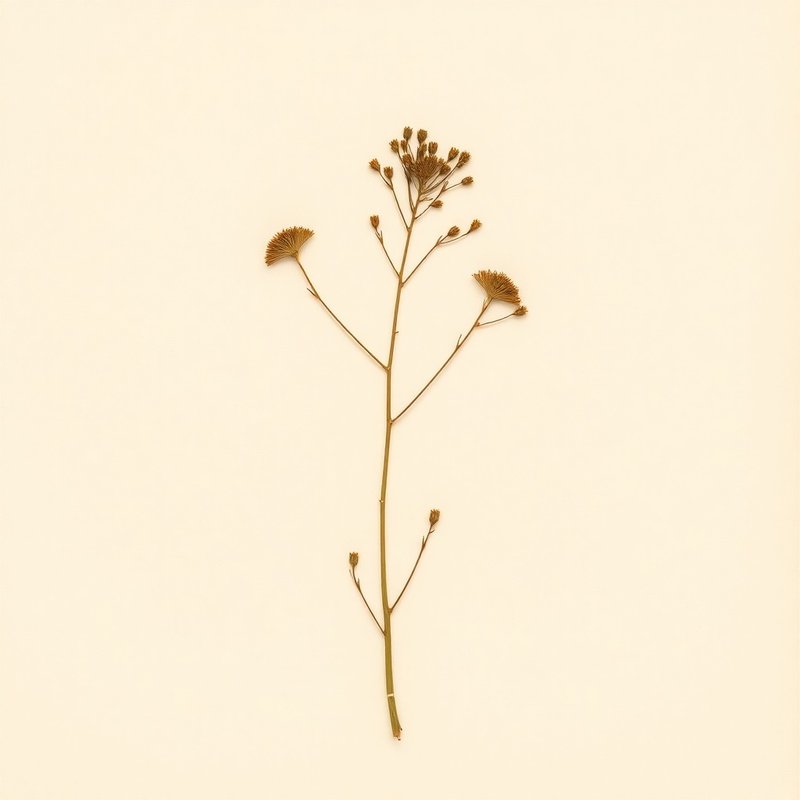
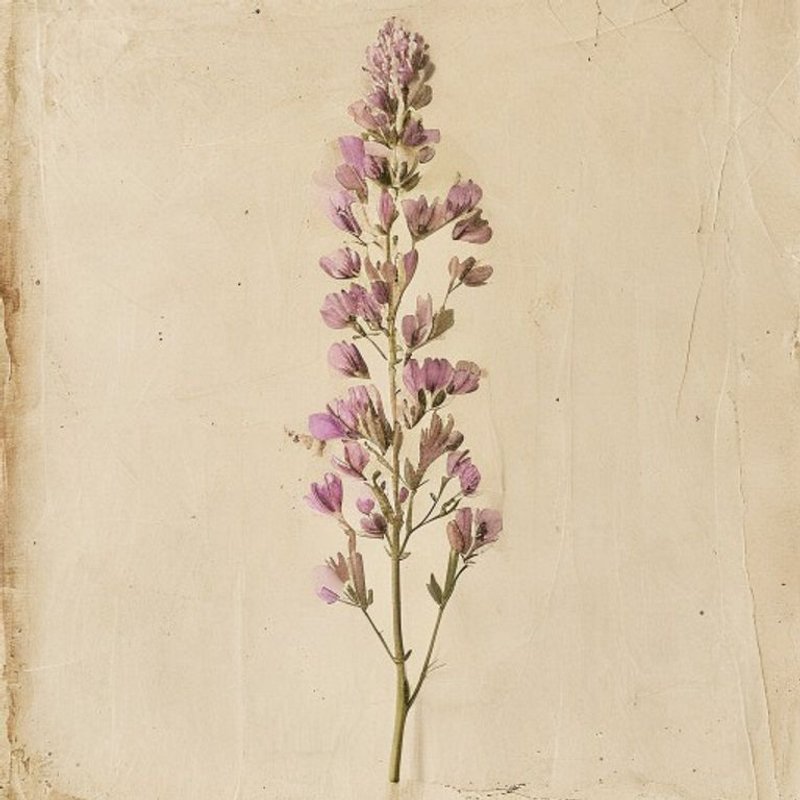
8 relatedPlants you might compare or use together — scored by shared family (Fabaceae), common use cases, and growing requirements.
same family · Fabaceae
Botanical relatives — often share phytochemistry + growing needs.

XI
Explore further
Companion planting
Compare with similar plants
XII
About this entry
- Last updated
- Citation
- How to cite this entry · Submit a correction
Back to the cataloguePlant id · 3f8835c0-465f-4eb1-88bb-7f761d3ea808
Decision aid
Choosing between Lens ervoides and something else?
Continue reading
❦❦❦❦
Endpaper · archive updates
Get archive updates
Occasional email when substantial new content lands — plant profiles, seasonal growing notes, folk-remedy additions. Free, no tracking, unsubscribe anytime.