
Chinese Lespedeza
IOverview
Overview
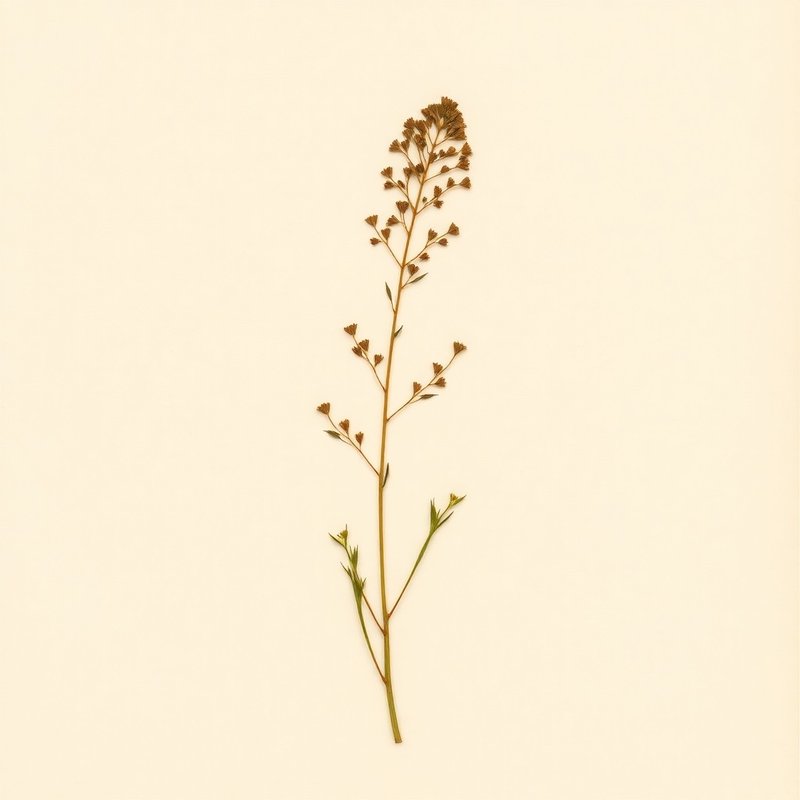
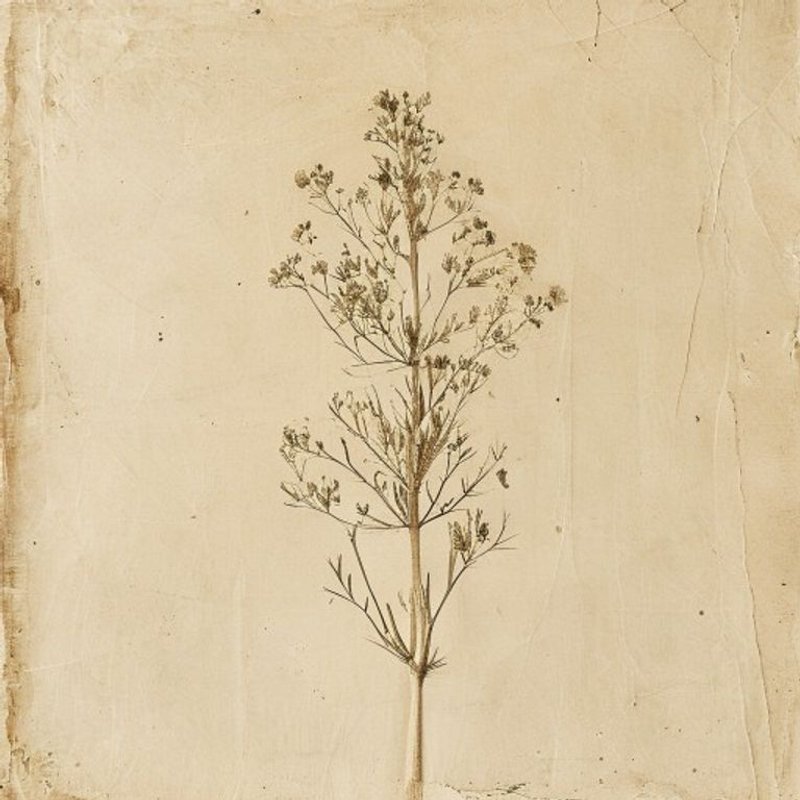
Chinese Lespedeza, scientifically known as Lespedeza juncea and belonging to the Fabaceae family, is a shrub native to India, Sri Lanka, Afghanistan, and several regions of China, particularly in the North-Central areas. This plant thrives in full sun and prefers moist, light (sandy) or medium-textured soil. It can grow up to 1.2 meters tall and is hardy in USDA zones 4-8, making it adaptable to various environments within its native range. Chinese Lespedeza is both edible and medicinal. Its leaves and shoots are commonly consumed, either eaten raw or cooked. In traditional medicine, this plant has documented uses, highlighting its versatility in various applications. The plant's adaptability and utility make it a valuable addition to gardens and landscapes, serving as a nitrogen fixer and providing crafting materials. While the plant is generally safe, caution should be exercised when using it in traditional medicine, as specific dosages and applications are not recommended here.
What is Chinese Lespedeza?
Chinese Lespedeza, scientifically known as Lespedeza juncea and belonging to the Fabaceae family, is a shrub native to India, Sri Lanka, Afghanistan, and several regions of China, particularly in the North-Central areas. This plant thrives in full sun and prefers moist, light (sandy) or medium-textured soil.
IV·bMixology suggestions
1 draft
Mixology suggestions
1 draftVCultivation
Cultivation
How to grow Chinese Lespedeza for the first time
Start with Chinese Lespedeza as a simple, low-maintenance plant for your garden.
- 1
What you'll need
A packet of seeds or young plants, a trowel, and gardening gloves.
- 2
Best time to plant
Plant in spring after the last frost, when soil is moist but not waterlogged.
- 3
Soil and container prep
Choose a location with full sun. Prepare loose, well-draining soil enriched with organic matter.
- 4
Sowing or transplanting
Direct sow seeds 1 cm deep in rows 30-45 cm apart. Transplant young plants if needed, spacing them 60-90 cm apart.
- 5
First two weeks
Water regularly to keep the soil moist but not soggy. Monitor for pests and diseases.
- 6
Ongoing care
Provide regular watering during dry spells. Fertilize lightly once a month with compost or well-rotted manure.
- 7
Harvest or pruning
Prune in late winter to maintain shape and encourage new growth. Harvest young shoots for culinary use.
- 8
Common mistakes
Overwatering, planting too deep, neglecting pruning, not providing enough sunlight, and using chemical fertilizers.
VIEdible & utility
Edible & utility
VIIDistribution
20 native · 1 introduced
Distribution
20 native · 1 introducedIXSpecimen gallery
1 image
Specimen gallery
1 imageXSee also
8 related
See also
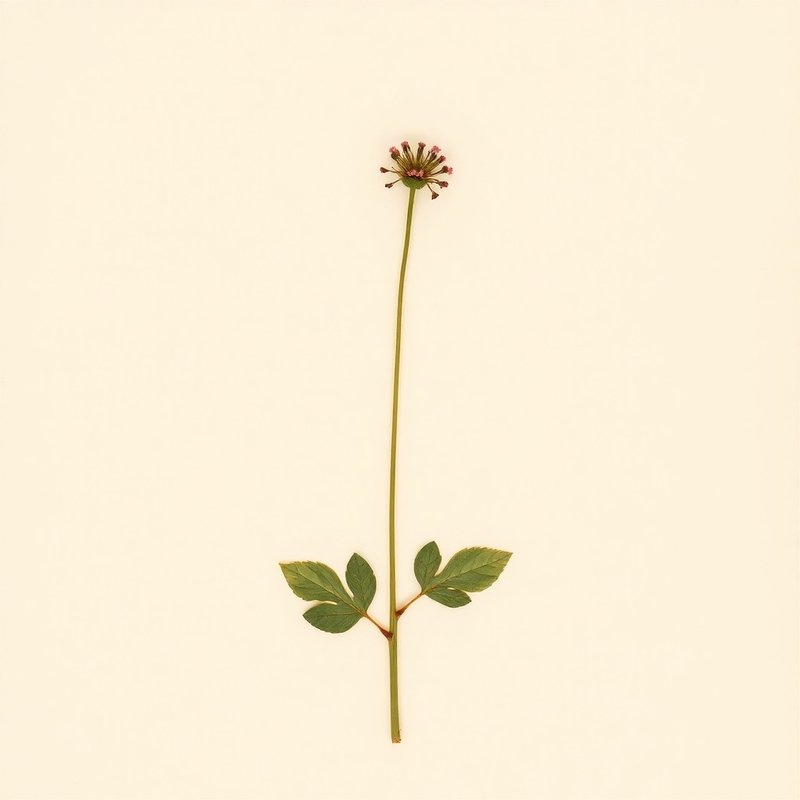
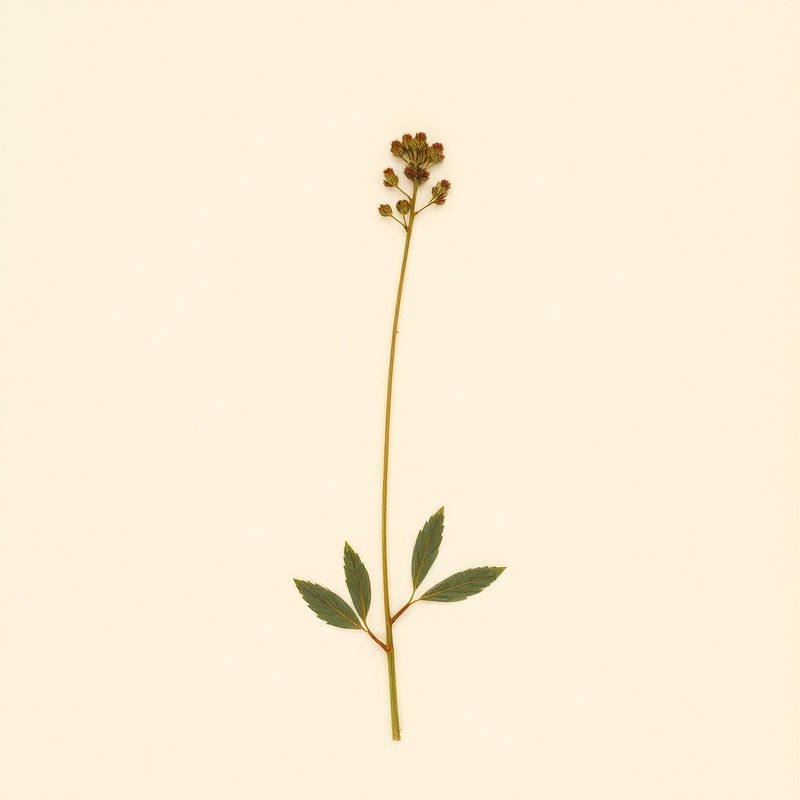
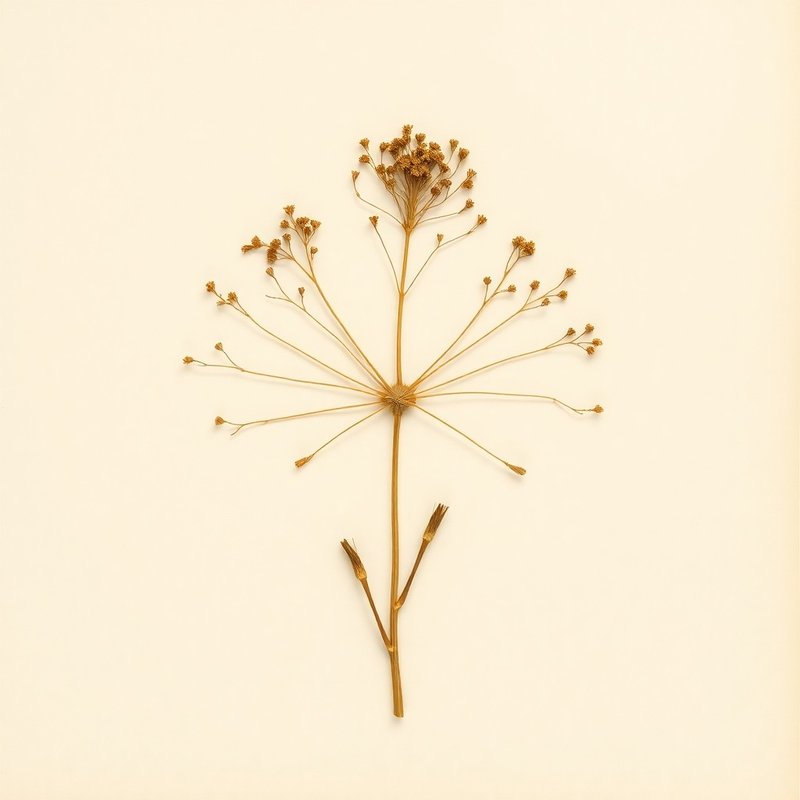
8 relatedPlants you might compare or use together — scored by shared family (Fabaceae), common use cases, and growing requirements.

Explore further
About this entry
- Last updated
- Citation
- How to cite this entry · Submit a correction
Continue reading
Get archive updates
Occasional email when substantial new content lands — plant profiles, seasonal growing notes, folk-remedy additions. Free, no tracking, unsubscribe anytime.