Skip to content
IIIFolio · plant profile№ B5F2edible
Data provenancePermapeopleTrefleWikipediaPFAFPOWOreviewed 21 Oct 2026methodology → read
Home/Plants/Fabaceae

Leucaena

Leucaena leucocephalafam. Fabaceae
Educational content — not medical, botanical, or professional advice. Plant identification, safety, and edibility depend on local conditions, cultivars, and correct identification. Consult a qualified botanist or forager before consuming or handling wild specimens. How we source & review →
edibletreesdrought tolerantedibleedible leafedible seednitrogen fixershrubtree
Updated·Quick Q&A →
Garden journal pausedUse profile notes below
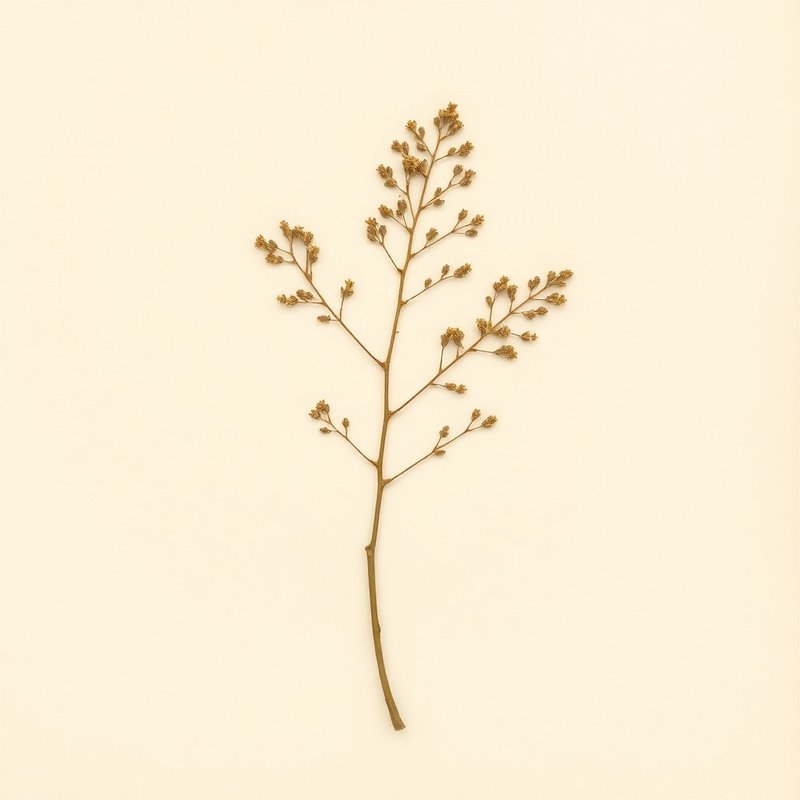
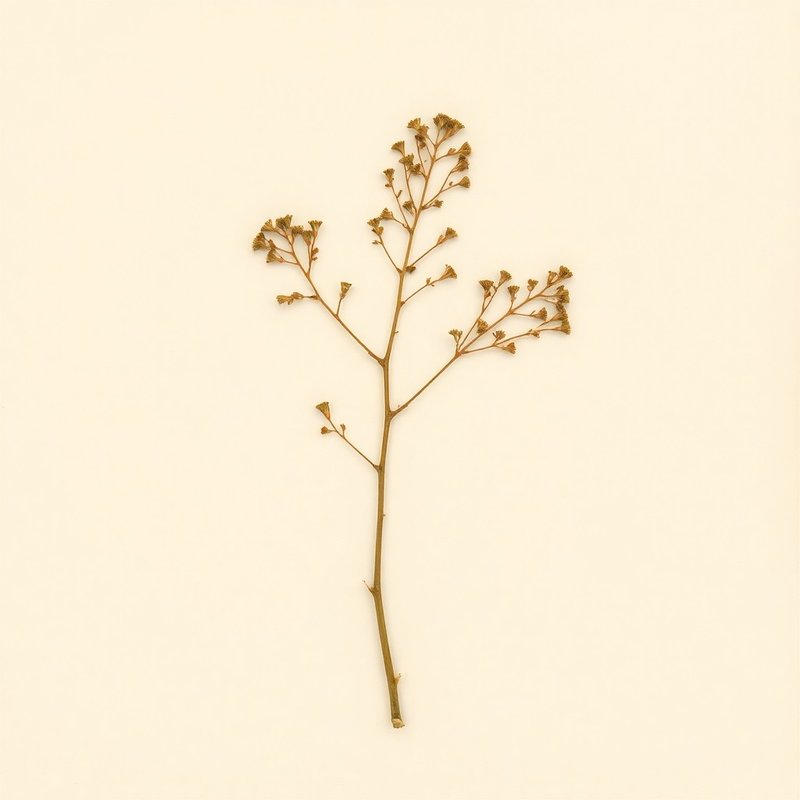
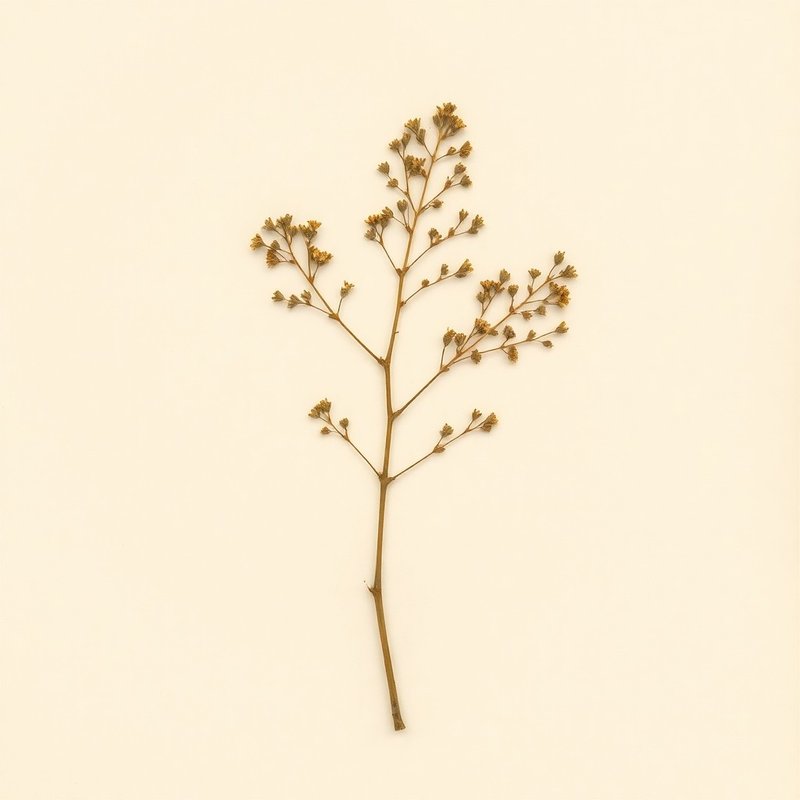
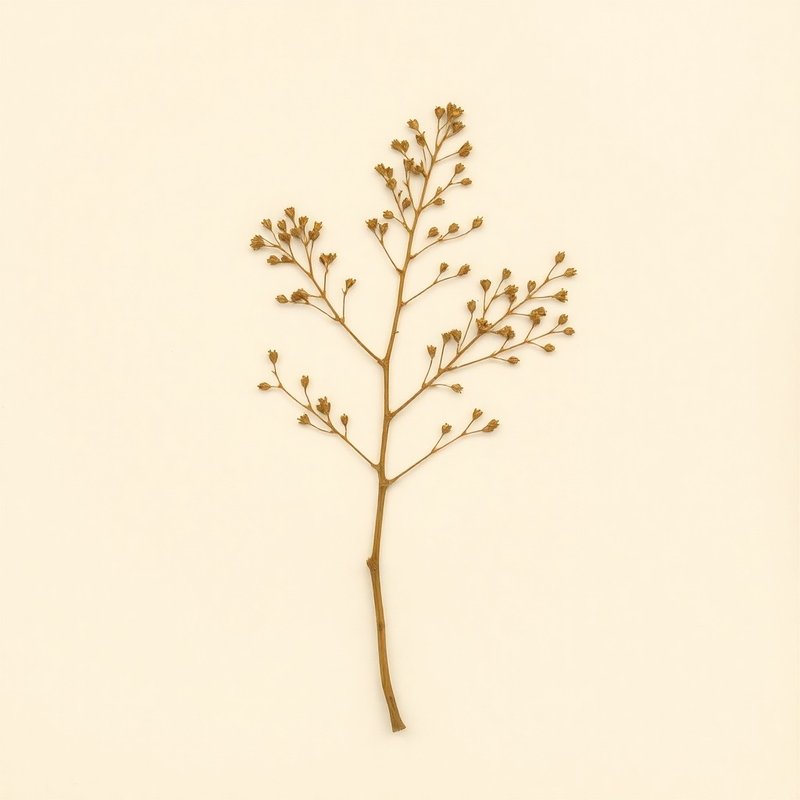
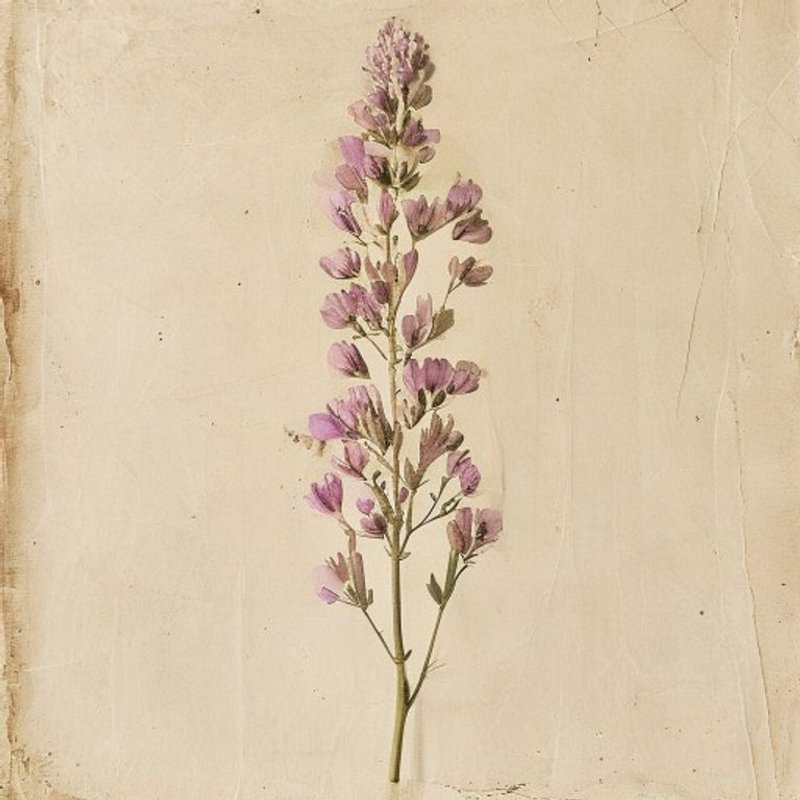
pressed specimen — leucaena
Pl. B5F2 — Leucaena leucocephala
Leucaena leucocephalaLeucaena leucocephalaLeucaena leucocephalaLeucaena leucocephalaLeucaena leucocephalaLeucaena leucocephalaLeucaena leucocephalaLeucaena leucocephalaLeucaena leucocephalaLeucaena leucocephalaLeucaena leucocephalaLeucaena leucocephalaLeucaena leucocephalaLeucaena leucocephala
I

Overview

Leucaena, a tree or shrub belonging to the Fabaceae family, is native to Central America, including countries such as Belize, El Salvador, Guatemala, Honduras, and specific regions of Mexico. This adaptable plant thrives in full sun and can grow up to 10 meters tall, making it a versatile addition to various landscapes. Leucaena is known for its edible parts, including flowers, leaves, seeds, and seedpods, which can be enjoyed in various culinary applications. It is also valued for its utility in biomass production, dyeing, fencing, fiber, animal feed, fire starting, lumber, gum, hedgerow, textiles, plant support, windbreak, coppice, and nitrogen fixation. Leucaena grows well in a wide range of soil types, from light sandy to heavy clay, with a preferred soil pH between 5 and 8.7. It is hardy in zones 9-12 and can be propagated through seeds or cuttings. While it is well-suited for temperate regions with similar climates to its native range, it is important to note that Leucaena has the potential to become invasive in some areas.

Quick answers

What is Leucaena?

Leucaena, a tree or shrub belonging to the Fabaceae family, is native to Central America, including countries such as Belize, El Salvador, Guatemala, Honduras, and specific regions of Mexico.

Compare with:Acacia colei→Acacia pycnantha→Acacia retinodes→all comparisons →
Growingconditions · propagation · uses
V

Cultivation

Leucaena thrives in full sun and is adaptable to various soil types including light (sandy), medium, and heavy (clay). It prefers dry to moist conditions and grows best with a soil pH between 5 and 8.7. This tree or shrub can reach heights of up to 10 meters and is hardy in zones 9-12. For propagation, it can be started from seeds or cuttings. Given its native range in Central America, Leucaena is well-suited for temperate regions with similar climates.
Light
Full sun
Water
Dry, Moist
Soil
Light (sandy), Medium, Heavy (clay)
Hardiness
9-12
Habit
Tree, Shrub
Mature size
10.0 m tall
Soil pH
5–8.7
For first-time growers

How to grow Leucaena for the first time

8steps

Start with Leucaena as a simple, low-maintenance tree for your garden.

  1. 1

    What you'll need

    Seeds or seedlings, a trowel, and a watering can.

  2. 2

    Best time to plant

    Plant in spring when the last frost has passed.

  3. 3

    Soil and container prep

    Choose well-draining soil with a pH between 5 and 8.7. Ensure containers are at least 1 meter deep.

  4. 4

    Sowing or transplanting

    Direct sow seeds in the ground or start seedlings indoors before transplanting to outdoors.

  5. 5

    First two weeks

    Water regularly, keeping soil moist but not waterlogged. Protect from strong winds and full sun if young.

  6. 6

    Ongoing care

    Provide full sun and regular watering, especially during dry periods. Prune to shape as needed.

  7. 7

    Harvest or pruning

    Prune in late winter to encourage new growth and maintain size. Harvest leaves and seedpods for use in cooking.

  8. 8

    Common mistakes

    Overwatering, planting in heavy clay soil, not providing enough sunlight.

VI

Edible & utility

Edible parts:FlowersLeavesSeedSeedpod
Edible uses: Coffee, Drink, Gum
Other uses:BiomassDyeFencingFiberAnimal feedFire starterLumberGumHedgerowtextilesPlant supportWind breakerCoppiceNitrogen fixer
Contextrange · companions · related
VII

Distribution

9 native · 158 introduced
Distribution across5 continents· 9 native· 158 introduced
Europe4 regions
introduced (4)CyprusItalyPortugalSpain
Asia18 regions
introduced (18)BangladeshCambodiaChinaIndiaIraqLaosMaldivesMyanmarNepalOmanPakistanPalestinePhilippinesSri LankaTaiwanThailandVietnamYemen
Americas20 regions
native (4)BelizeEl SalvadorGuatemalaHonduras
introduced (16)BahamasBoliviaColombiaCosta RicaCubaDominican RepublicEcuadorFrench GuianaGuyanaHaitiJamaicaPeruPuerto RicoSurinameUnited StatesVenezuela
Africa41 regions
introduced (41)AlgeriaAngolaBeninBurkina FasoBurundiCabo VerdeCameroonChadComorosCôte d'IvoireDjiboutiEgyptEritreaEswatiniEthiopiaGambiaGhanaGuineaGuinea-BissauKenyaLiberiaMadagascarMalawiMaliMauritaniaMauritiusMozambiqueNamibiaNigerNigeriaRwandaSenegalSeychellesSierra LeoneSomaliaSudanTanzaniaTogoTunisiaUgandaZimbabwe
Oceania6 regions
introduced (6)FijiNauruNew CaledoniaSamoaTongaVanuatu
Broader regions
native:Mexico Central, Mexico Gulf, Mexico Northeast, Mexico Southeast, Mexico Southwest
introduced:Andaman Is., Argentina Northwest, Aruba, Ascension, Bermuda, Bismarck Archipelago, Brazil North, Brazil Northeast, Brazil South, Brazil Southeast, Brazil West-Central, Cape Provinces, Caroline Is., Cayman Is., Central African Repu, Chagos Archipelago, Christmas I., Cocos (Keeling) Is., Congo, Cook Is., East Himalaya, Easter Is., Galápagos, Gilbert Is., Gulf of Guinea Is., Hainan, Jawa, Kazan-retto, KwaZulu-Natal, Lebanon-Syria, Leeward Is., Lesser Sunda Is., Line Is., Malaya, Marianas, Marquesas, Marshall Is., Mexico Northwest, Nansei-shoto, Netherlands Antilles, New Guinea, New South Wales, Nicobar Is., Niue, Northern Provinces, Northern Territory, Ogasawara-shoto, Phoenix Is., Pitcairn Is., Queensland, Réunion, Rodrigues, Society Is., Solomon Is., South China Sea, Southwest Caribbean, St.Helena, Trinidad-Tobago, Tuamotu, Tubuai Is., Turks-Caicos Is., Venezuelan Antilles, Wake I., Wallis-Futuna Is., West Himalaya, Western Australia, Windward Is., Zaïre
X

See also

8 related
XI

Explore further

XII

About this entry

Last updated
Citation
How to cite this entry · Submit a correction
Back to the cataloguePlant id · b5f292a7-d8f2-440a-a579-e246606e2637
Decision aid
Choosing between Leucaena and something else?
Compare with another plant

Continue reading

❦❦❦❦
Endpaper · archive updates

Get archive updates

Occasional email when substantial new content lands — plant profiles, seasonal growing notes, folk-remedy additions. Free, no tracking, unsubscribe anytime.

Newsletter returning soon.
We are rebuilding the update list around a lightweight editorial workflow. New dispatches will resume after the next content review cycle.
iCare notes