
Meadow Lily
IOverview
Overview
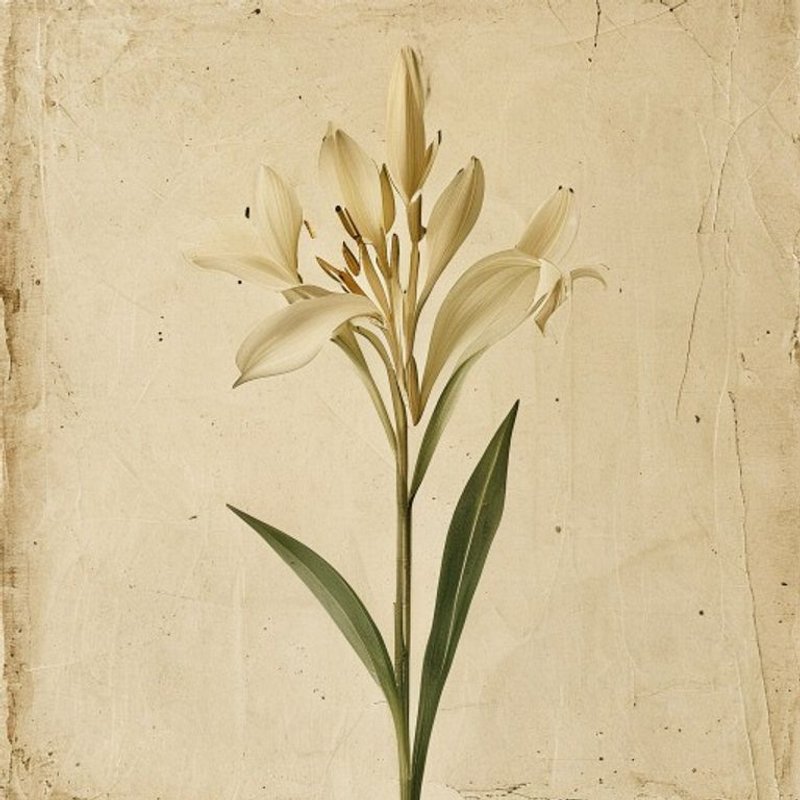
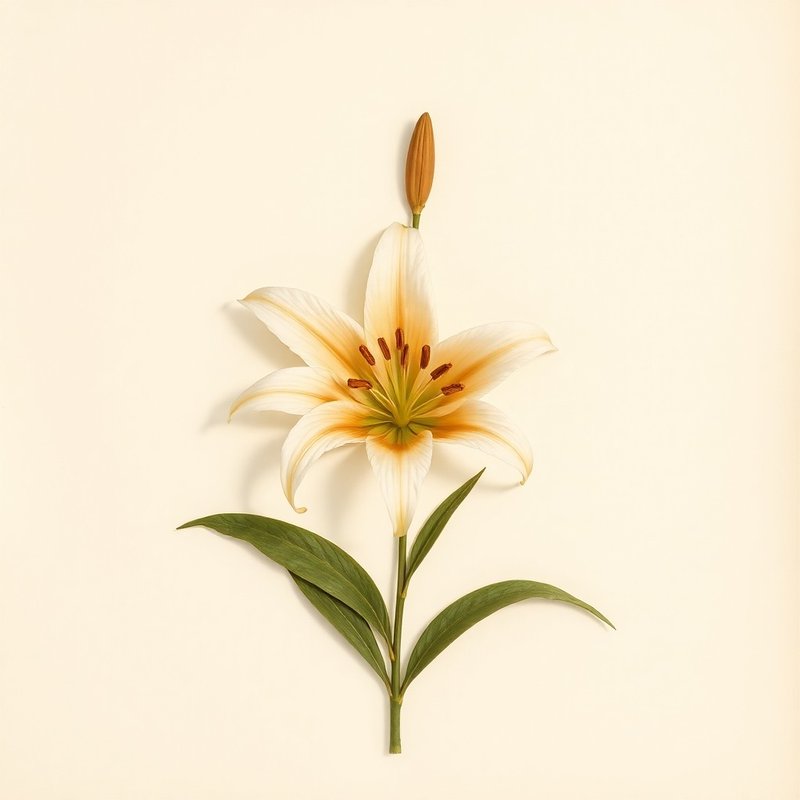
Meadow Lily (Lilium canadense editorum) is a native North American species that thrives in moist, light to partial sun conditions. Found across states like Alabama, Connecticut, and Kentucky, it grows up to 1.5 meters tall and is known for its ornamental value as well as its edible roots. This hardy plant, suitable for USDA zones 4-8, features distinctive nodding, fragrant flowers that add beauty to meadows and gardens alike. Its light-loving nature and ability to grow in various soil types make it a versatile addition to landscapes. The roots are edible and can be prepared in various ways, typically eaten raw or cooked, or dried for later use. While primarily ornamental and not medicinal, the plant's edible parts make it a valuable addition to foragers and gardeners alike.
What is Meadow Lily?
Meadow Lily (Lilium canadense editorum) is a native North American species that thrives in moist, light to partial sun conditions. Found across states like Alabama, Connecticut, and Kentucky, it grows up to 1.5 meters tall and is known for its ornamental value as well as its edible roots.
VCultivation
Cultivation
How to grow Meadow Lily for the first time
Start with Meadow Lilies to add a touch of wild beauty and potential edibility to your garden.
- 1
What you'll need
Seeds or small bulbs, a trowel, mulch.
- 2
Best time to plant
Plant in early spring or late summer for best results.
- 3
Soil and container prep
Choose a location with light to partial sun. Ensure the soil is well-draining and slightly acidic.
- 4
Sowing or transplanting
For seeds, sow them shallowly in the soil. For bulbs, plant them 5-10 cm deep, spaced about 30 cm apart.
- 5
First two weeks
Keep the soil moist but not waterlogged. Monitor for any signs of pests or diseases.
- 6
Ongoing care
Water regularly during dry spells and mulch to retain moisture. Fertilize sparingly with compost in early spring.
- 7
Harvest or pruning
Prune dead flowers to encourage more blooms, but wait until after the first frost before digging up roots for use.
VIEdible & utility
Edible & utility
VIIDistribution
25 native · 0 introduced
Distribution
25 native · 0 introducedIXSpecimen gallery
1 image
Specimen gallery
1 imageXSee also
8 related
See also
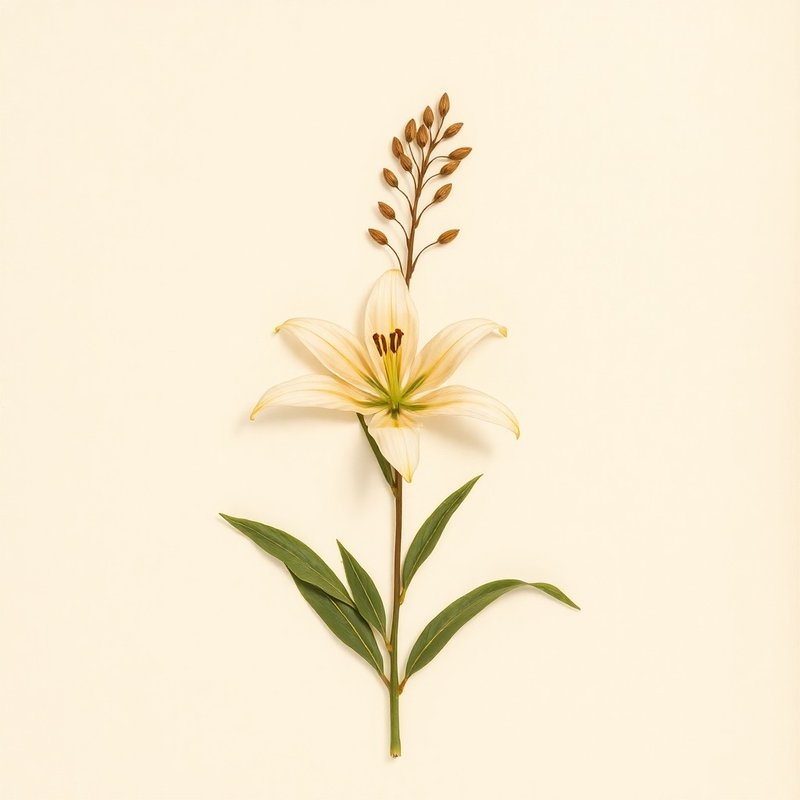
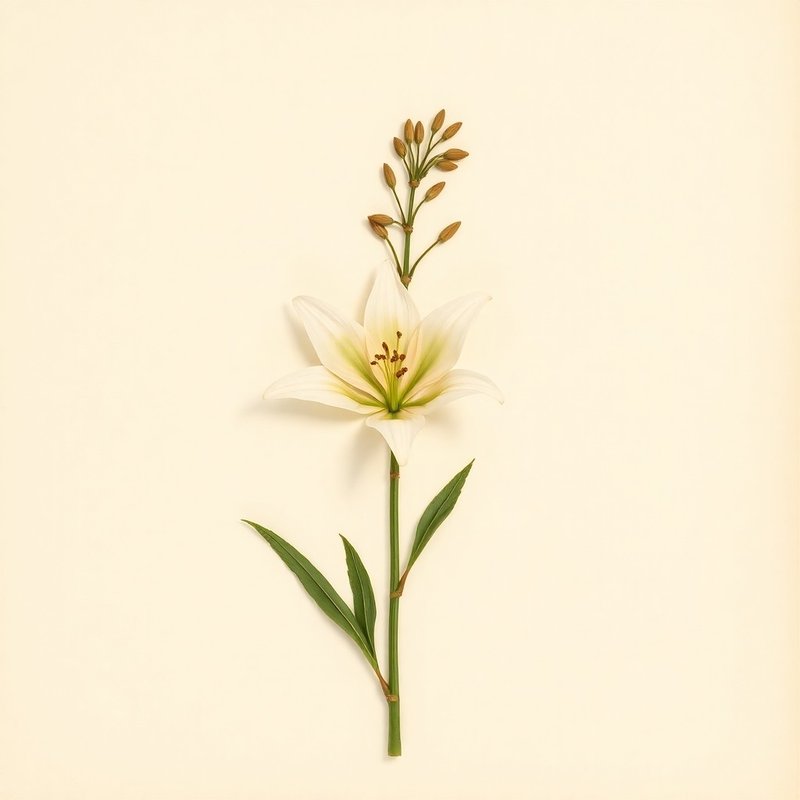
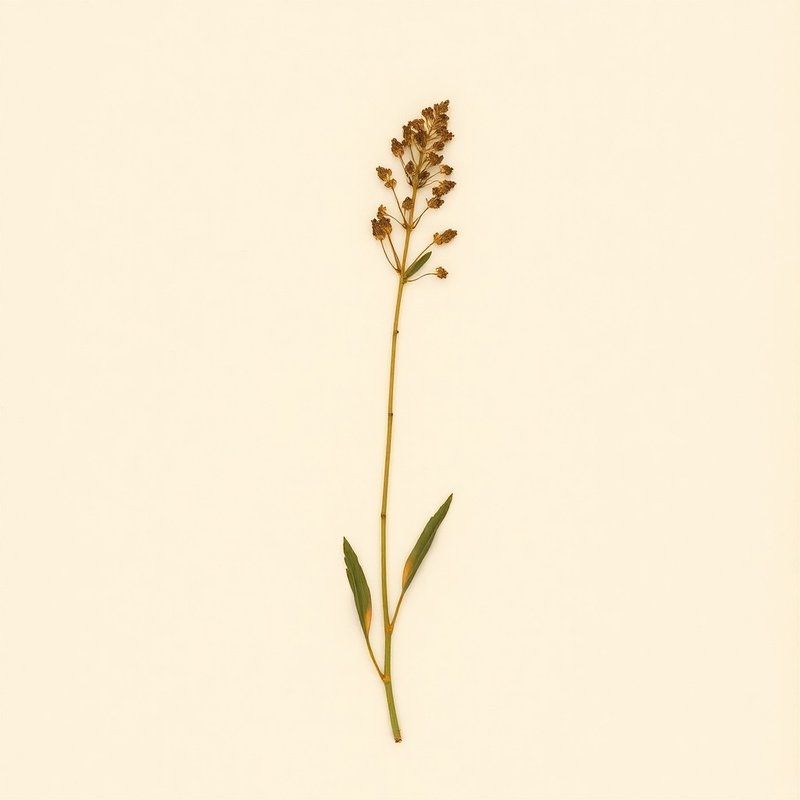
8 relatedPlants you might compare or use together — scored by shared family (Liliaceae), common use cases, and growing requirements.

Explore further
About this entry
- Last updated
- Citation
- How to cite this entry · Submit a correction
Continue reading
Get archive updates
Occasional email when substantial new content lands — plant profiles, seasonal growing notes, folk-remedy additions. Free, no tracking, unsubscribe anytime.