
White Trumpet Lily
Lilium longiflorumfam. Liliaceae
Educational content — not medical, botanical, or professional advice. Plant identification, safety, and edibility depend on local conditions, cultivars, and correct identification. Consult a qualified botanist or forager before consuming or handling wild specimens. How we source & review →
Garden journal pausedUse profile notes below
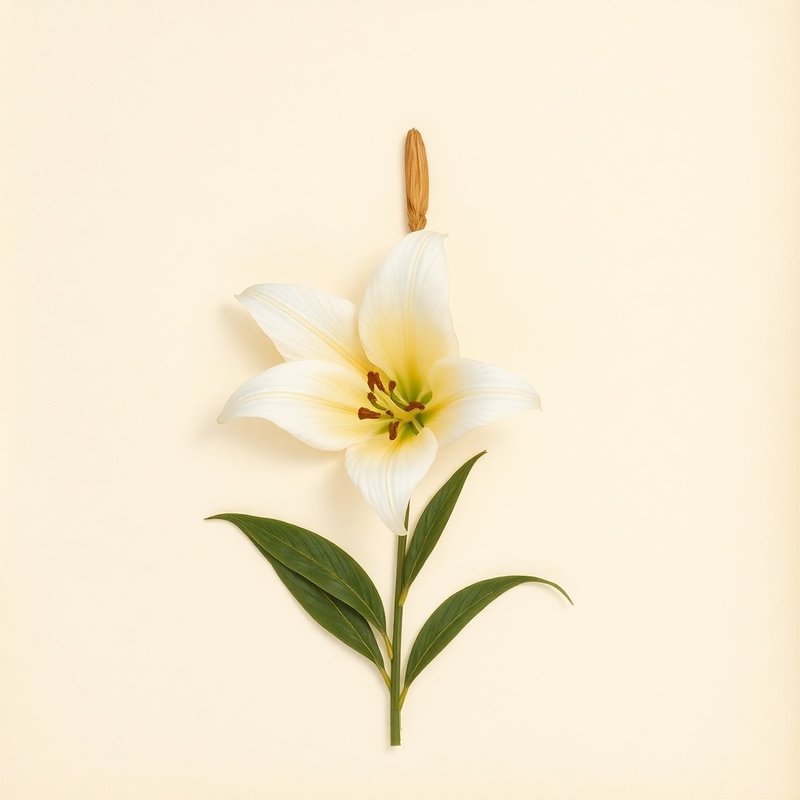
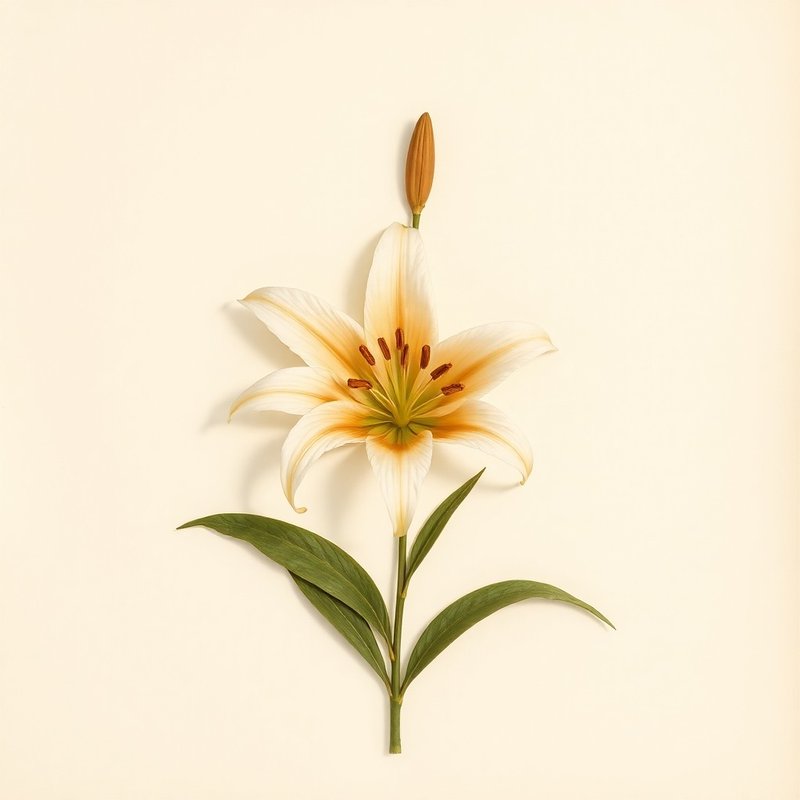
Pl. 82F2 — Lilium longiflorum
Lilium longiflorumLilium longiflorumLilium longiflorumLilium longiflorumLilium longiflorumLilium longiflorumLilium longiflorumLilium longiflorumLilium longiflorumLilium longiflorumLilium longiflorumLilium longiflorumLilium longiflorumLilium longiflorum
IOverview
Overview
The White Trumpet Lily (Lilium longiflorum), a member of the Liliaceae family, is native to regions such as Assam, East and West Himalaya, India, Myanmar, Nepal, and Japan's Nansei-shoto islands. This striking lily is both ornamental and edible, with its flowers, leaves, and roots being part of its culinary use. The flowers can be eaten raw or used to make tea, while the leaves and roots are typically cooked before consumption. The White Trumpet Lily thrives in light to partial shade with moist, well-draining soil that is light or medium in texture. It grows to a height of about 1 meter and prefers full sun to partial shade, making it adaptable to various garden settings. This lily is best propagated by dividing the bulbs in fall for new plants and requires regular watering to keep the soil consistently moist. While it is not medicinal, it is an excellent choice for gardens and culinary uses in hardiness zones 7-9.
Quick answers
What is White Trumpet Lily?
The White Trumpet Lily (Lilium longiflorum), a member of the Liliaceae family, is native to regions such as Assam, East and West Himalaya, India, Myanmar, Nepal, and Japan's Nansei-shoto islands. This striking lily is both ornamental and edible, with its flowers, leaves, and roots being part of its culinary use.
Growingconditions · propagation · uses
VCultivation
Cultivation
White Trumpet Lily thrives in full to partial sun, requiring moist, well-draining soil that is light (sandy) to medium. It is hardy in zones 7-9 and can grow up to 1 meter tall. Propagate through division or seed. This lily is versatile, with edible parts including flowers, leaves, and roots. Ensure the soil remains consistently moist to support healthy growth.
Light
Full sun, Partial sun/shade
Water
Moist
Soil
Light (sandy), Medium
Hardiness
7-9
Mature size
1.0 m tall
For first-time growers
How to grow White Trumpet Lily for the first time
8steps
Start with White Trumpet Lilies to gain experience in lily cultivation.
- 1
What you'll need
A few White Trumpet Lily bulbs, a trowel, and mulch.
- 2
Best time to plant
Plant the bulbs in late summer or early fall for spring blooms.
- 3
Soil and container prep
Choose a well-draining soil with a pH between 6.0 and 7.5, and prepare by mixing in compost.
- 4
Sowing or transplanting
Plant bulbs about 10 cm deep and 20 cm apart, ensuring the pointed end faces up.
- 5
First two weeks
Water thoroughly after planting. Keep soil moist but not waterlogged during this period.
- 6
Ongoing care
Provide full sun to partial shade, and mulch around plants to retain moisture and suppress weeds.
- 7
Harvest or pruning
Prune dead flowers to encourage more blooms. Remove yellowed leaves in late fall after the foliage dies back.
- 8
Common mistakes
Planting too deep, not providing enough drainage, overwatering, and neglecting to mulch.
VIEdible & utility
Edible & utility
Edible parts:FlowersLeavesRoot
Edible uses: The White Trumpet Lily (Lilium longiflorum) is edible and can be consumed in various forms. The flowers, leaves, and roots are all part of its culinary use. The flowers can be eaten raw or used to make tea, while the leaves and roots are typically cooked before consumption.
Other uses:Essential OilFragrance
Contextrange · companions · related
VIIDistribution
10 native · 12 introduced
Distribution
10 native · 12 introducedDistribution across2 continents· 10 native· 12 introduced
Asia8 regions
native (6)IndiaJapanMyanmarNepalPhilippinesTaiwan
introduced (2)South KoreaVietnam
Americas2 regions
introduced (2)Costa RicaNicaragua
Broader regions
native:East Himalaya, Nansei-shoto, West Himalaya
introduced:Alabama, Bermuda, Florida, Mexico Central, Mexico Southeast, Mexico Southwest, Ogasawara-shoto, Utah
IXSpecimen gallery
1 image
Specimen gallery
1 imageXSee also
8 related
See also
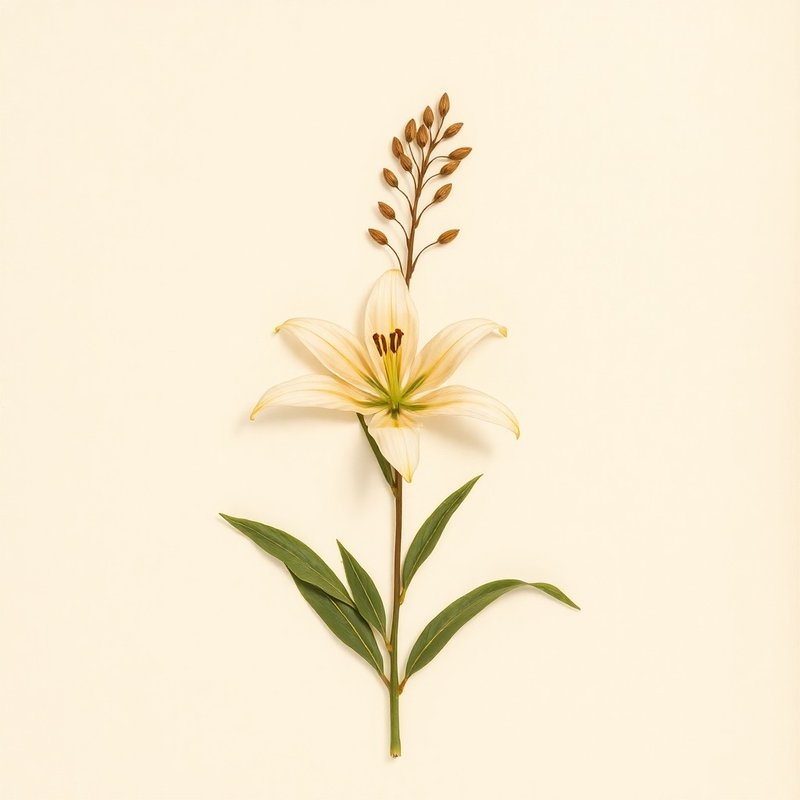
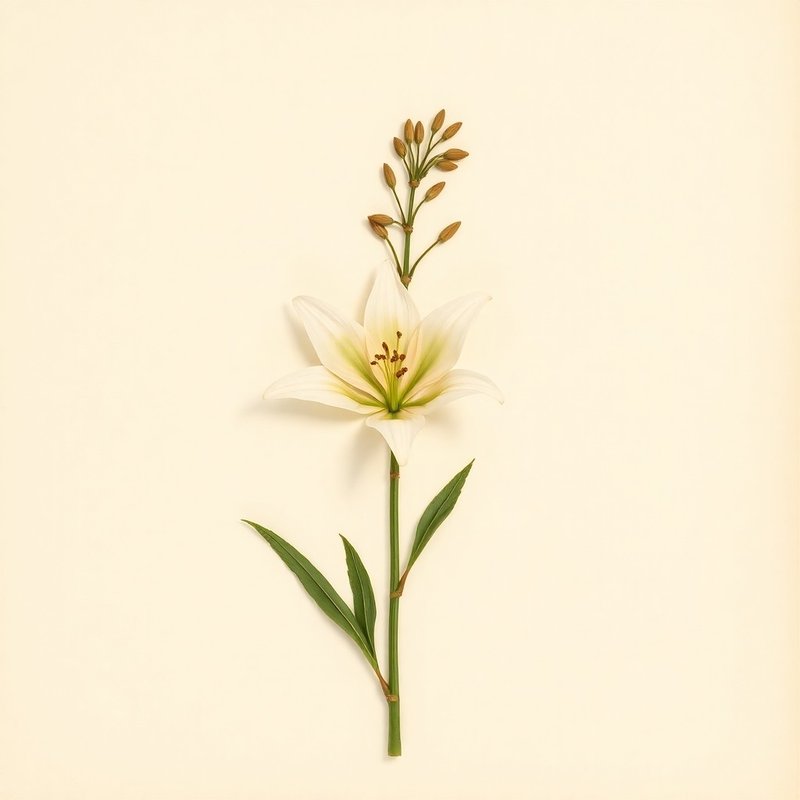
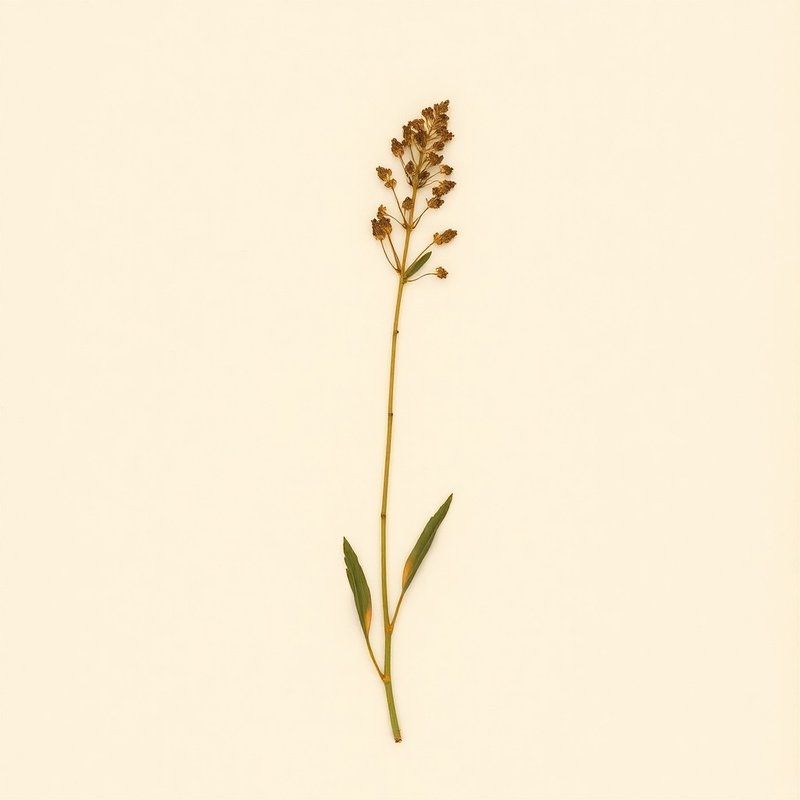
8 relatedPlants you might compare or use together — scored by shared family (Liliaceae), common use cases, and growing requirements.
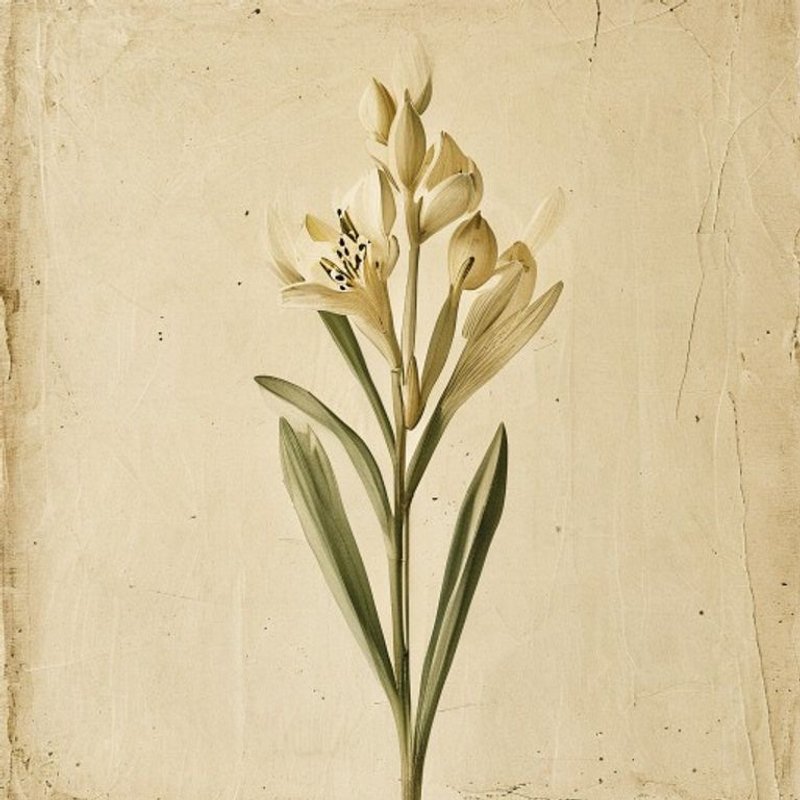
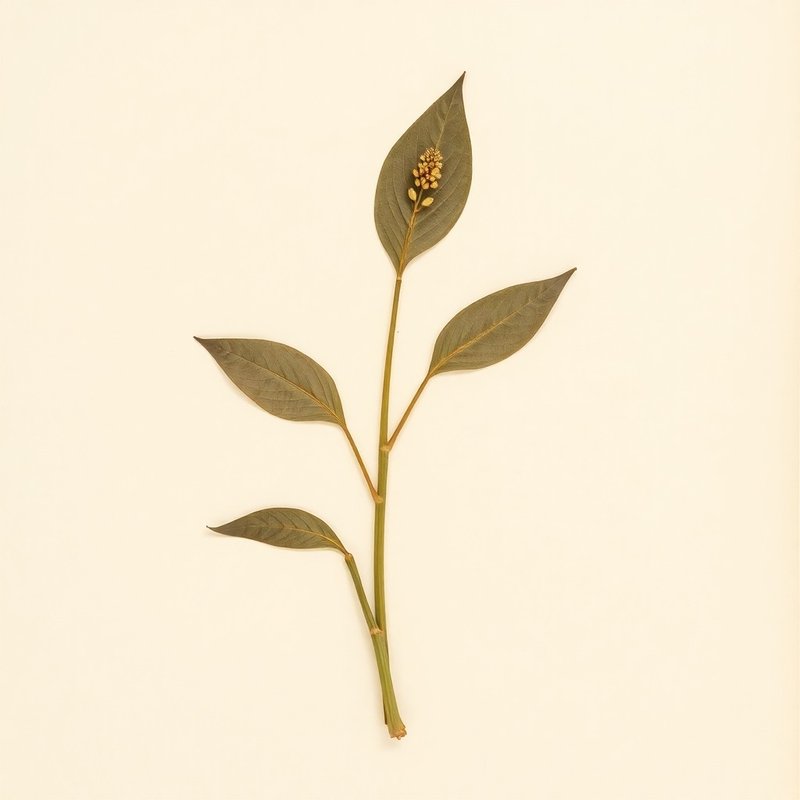
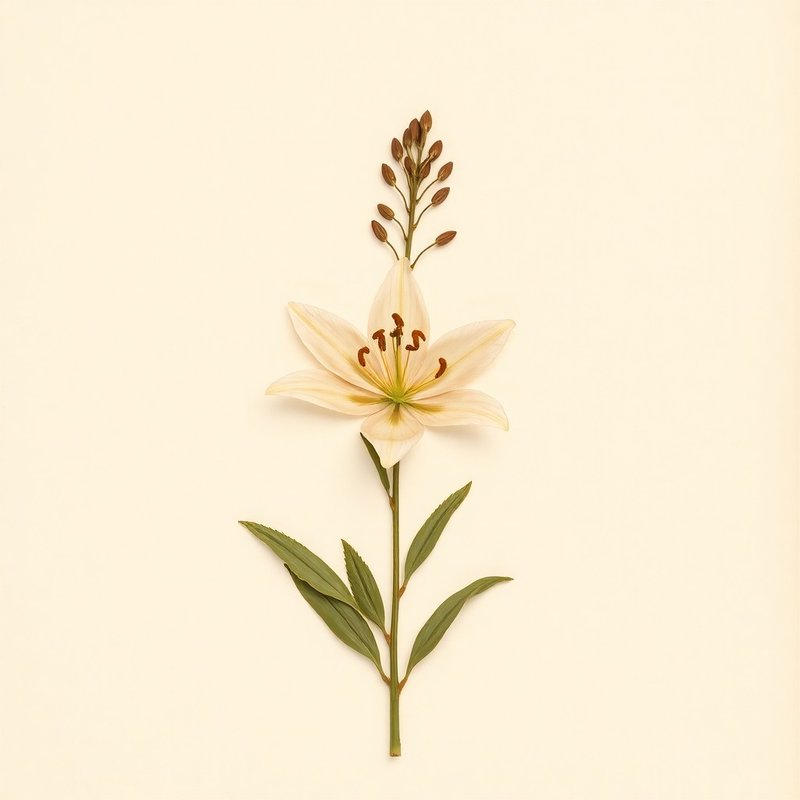
same family · Liliaceae
Botanical relatives — often share phytochemistry + growing needs.

XI
Explore further
Companion planting
Compare with similar plants
Growing zone
Native to
XII
About this entry
- Last updated
- Citation
- How to cite this entry · Submit a correction
Back to the cataloguePlant id · 82f25ebe-1b2d-4d6c-98c5-60001fbc3ad8
Decision aid
Choosing between White Trumpet Lily and something else?
Continue reading
❦❦❦❦
Endpaper · archive updates
Get archive updates
Occasional email when substantial new content lands — plant profiles, seasonal growing notes, folk-remedy additions. Free, no tracking, unsubscribe anytime.
Newsletter returning soon.
We are rebuilding the update list around a lightweight editorial workflow. New dispatches will resume after the next content review cycle.