
Lilium nobilissimum
IOverview
Overview
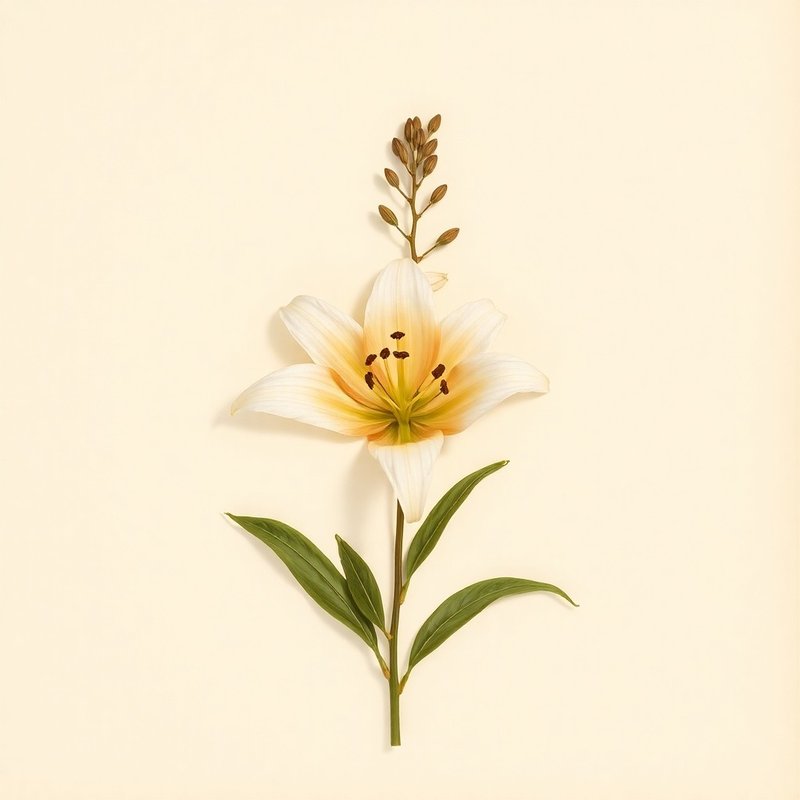
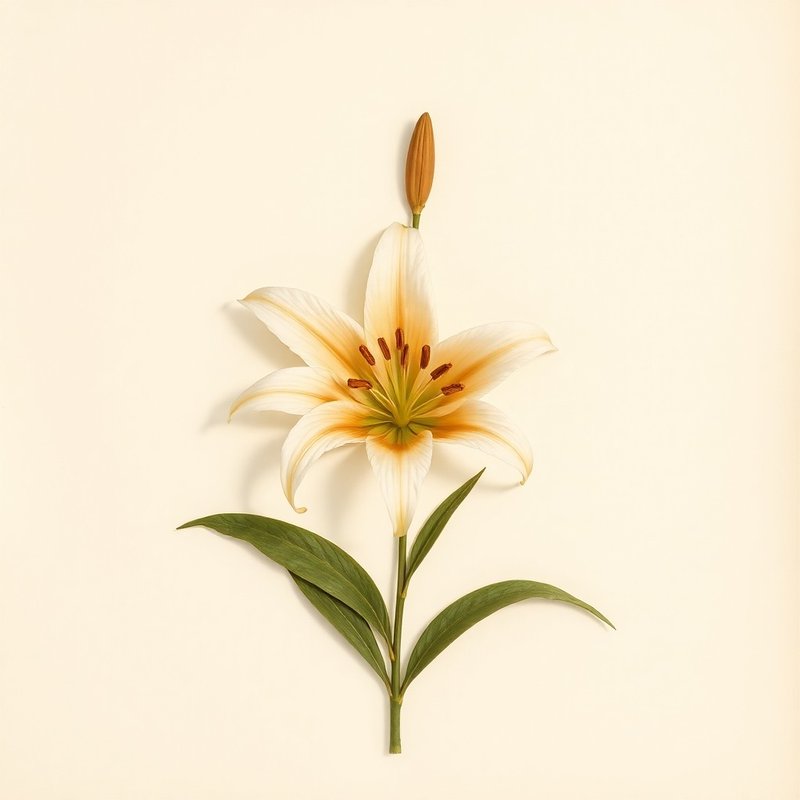
Lilium nobilissimum, known as Skip in English, is a species of lily native to Japan. This plant thrives in light habitats, preferring full sun to partial shade and growing up to 1.7 meters tall. It requires moist soil that is well-drained, with a preference for light (sandy) or medium textures. Hardy in zones 5-9, Skip can be cultivated for its edible root parts. Its distinctive features include its elegant form and adaptability to various lighting conditions while maintaining moisture requirements.
What is Lilium nobilissimum?
Lilium nobilissimum, known as Skip in English, is a species of lily native to Japan. This plant thrives in light habitats, preferring full sun to partial shade and growing up to 1.7 meters tall. It requires moist soil that is well-drained, with a preference for light (sandy) or medium textures.
VCultivation
Cultivation
How to grow Lilium nobilissimum for the first time
Skip is a rewarding project for beginners, focusing on basic planting and care.
- 1
What you'll need
Skip bulbs, gardening gloves, trowel, watering can.
- 2
Best time to plant
Plant in early spring or late summer/early fall.
- 3
Soil and container prep
Use well-draining soil with a mix of light sand and organic matter. Ensure containers have drainage holes.
- 4
Sowing or transplanting
Plant bulbs 15-20 cm deep, spacing them about 30 cm apart in the garden or container.
- 5
First two weeks
Water thoroughly after planting and keep soil moist but not waterlogged. Avoid direct sunlight for a few days.
- 6
Ongoing care
Provide full to partial sun, regular watering, and mulch around the base to retain moisture and suppress weeds.
- 7
Harvest or pruning
Skip is primarily grown for its ornamental value. Prune dead leaves in late winter before new growth emerges.
- 8
Common mistakes
Planting too deep, overwatering, neglecting to mulch, and exposing bulbs to direct sunlight after planting.
VIEdible & utility
Edible & utility
VIIDistribution
1 native · 0 introduced
Distribution
1 native · 0 introducedIXSpecimen gallery
1 image
Specimen gallery
1 imageXSee also
8 related
See also
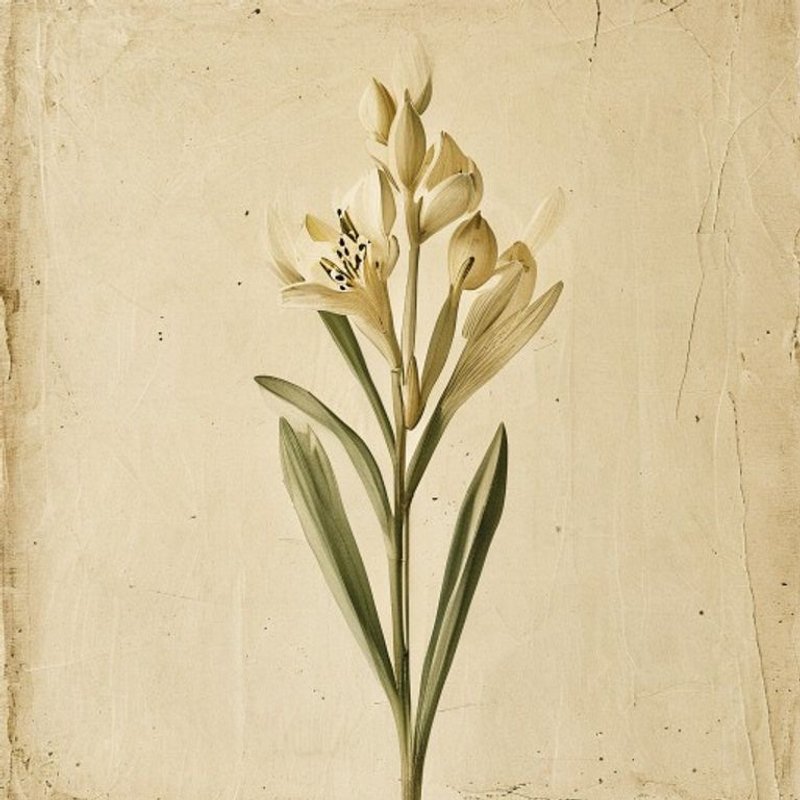
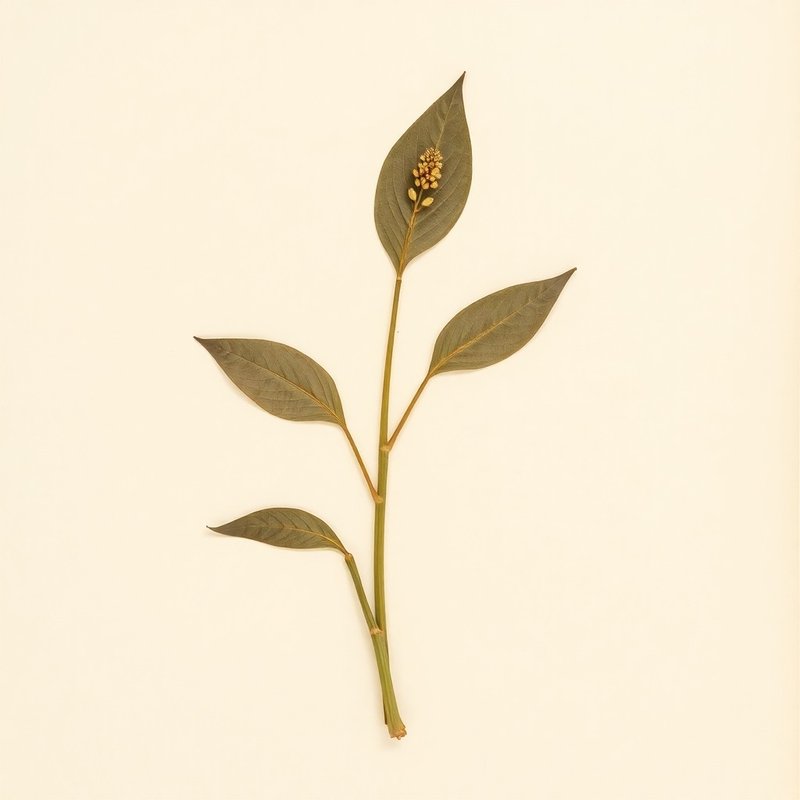
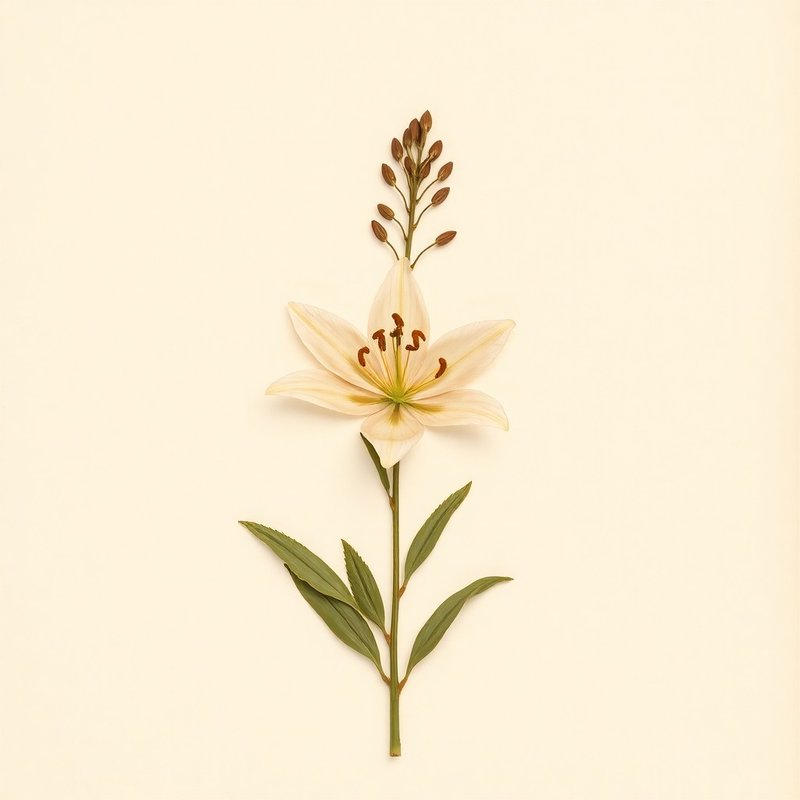
8 relatedPlants you might compare or use together — scored by shared family (Liliaceae), common use cases, and growing requirements.

Explore further
About this entry
- Last updated
- Citation
- How to cite this entry · Submit a correction
Continue reading
Get archive updates
Occasional email when substantial new content lands — plant profiles, seasonal growing notes, folk-remedy additions. Free, no tracking, unsubscribe anytime.