
Lilium rubellum
IOverview
Overview
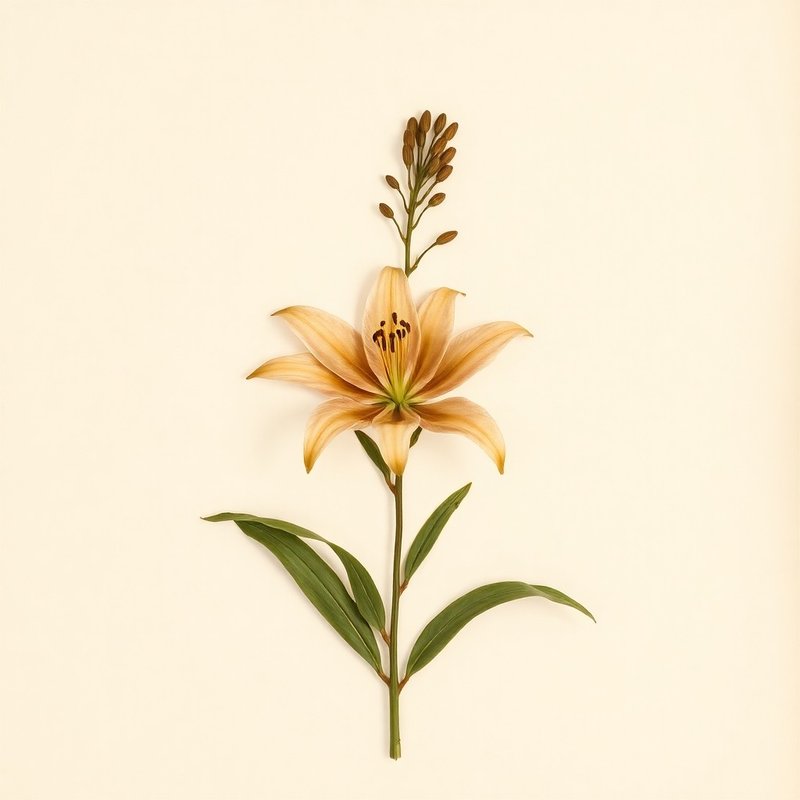
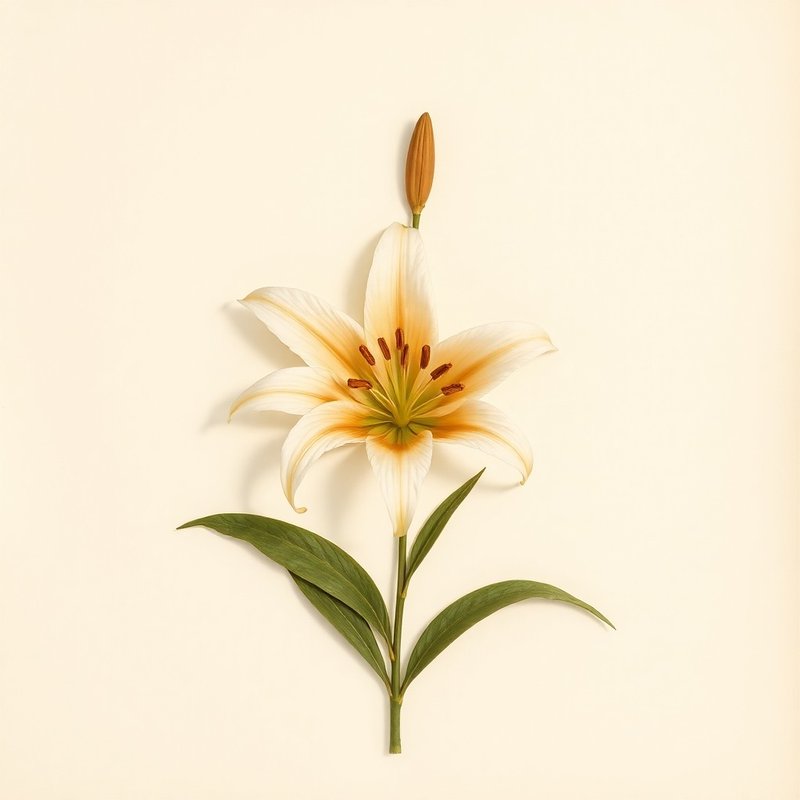
Lilium rubellum, commonly known as the Japanese red lily, is a member of the Liliaceae family and is native to Japan. This plant thrives in full sun to partial shade and prefers moist, light (sandy) to medium soil. Hardy from zones 5-9, it grows up to 0.6 meters tall. Known for its edible roots, which can be used in various culinary applications, this lily adds both beauty and utility to gardens. Its distinctive feature is the vibrant red color of its flowers, making it a striking ornamental addition as well. The roots are commonly used raw or cooked, providing a mild flavor to dishes, and can also be dried for later use, adding texture and taste to meals. While the plant is not medicinal, its edible roots make it a valuable addition to gardens and kitchens.
What is Lilium rubellum?
Lilium rubellum, commonly known as the Japanese red lily, is a member of the Liliaceae family and is native to Japan. This plant thrives in full sun to partial shade and prefers moist, light (sandy) to medium soil. Hardy from zones 5-9, it grows up to 0.
VCultivation
Cultivation
How to grow Lilium rubellum for the first time
Start with planting Skip in your garden to gain experience and enjoy its beauty.
- 1
What you'll need
Skip bulbs, a trowel, mulch.
- 2
Best time to plant
Plant in early autumn for best results.
- 3
Soil and container prep
Use well-draining soil with a pH between 6.0 and 7.5.
- 4
Sowing or transplanting
Dig holes twice the size of the bulb, place bulbs with the pointed end up, cover with soil.
- 5
First two weeks
Keep soil moist but not waterlogged; mulch to retain moisture and regulate temperature.
- 6
Ongoing care
Water regularly during dry spells, fertilize in spring. Provide light support for stems as they grow.
- 7
Harvest or pruning
Prune dead flowers to encourage more blooms; cut back foliage after it turns yellow.
- 8
Common mistakes
Planting too deep, overwatering, neglecting to provide support for tall stems.
VIEdible & utility
Edible & utility
VIIDistribution
1 native · 0 introduced
Distribution
1 native · 0 introducedIXSpecimen gallery
1 image
Specimen gallery
1 imageXSee also
8 related
See also
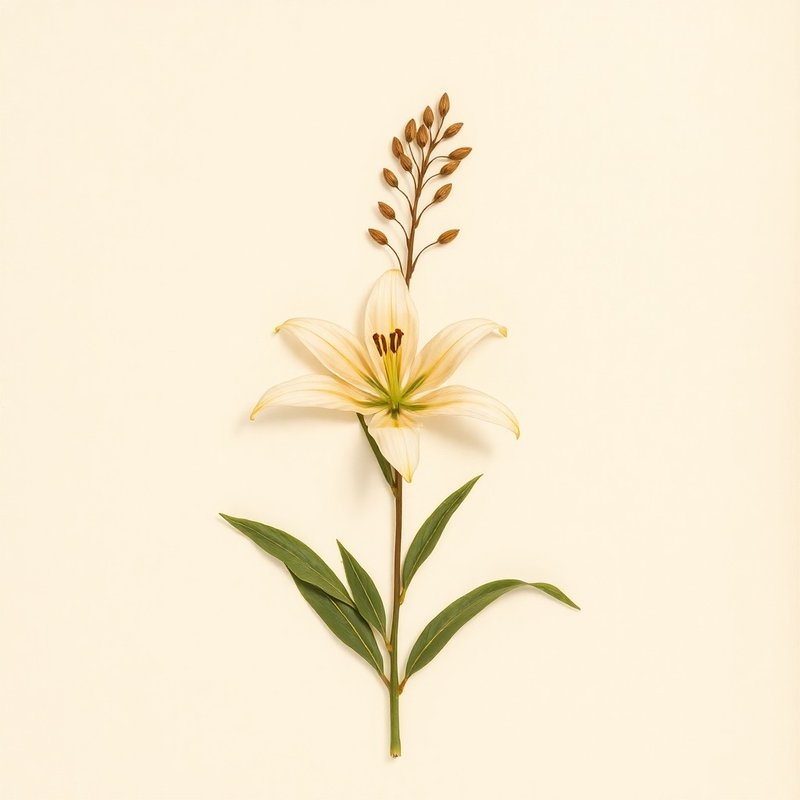
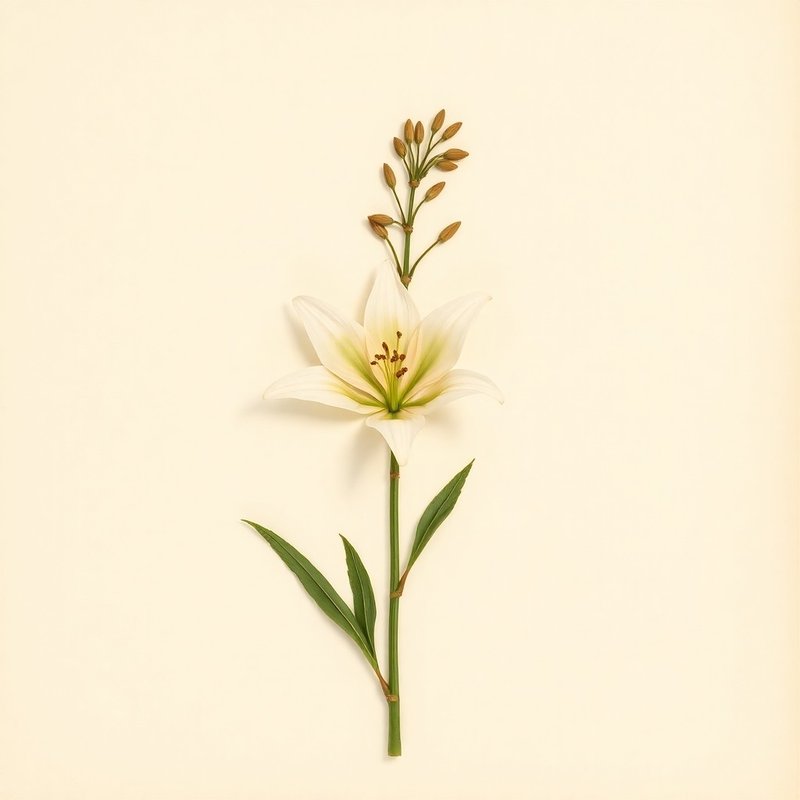
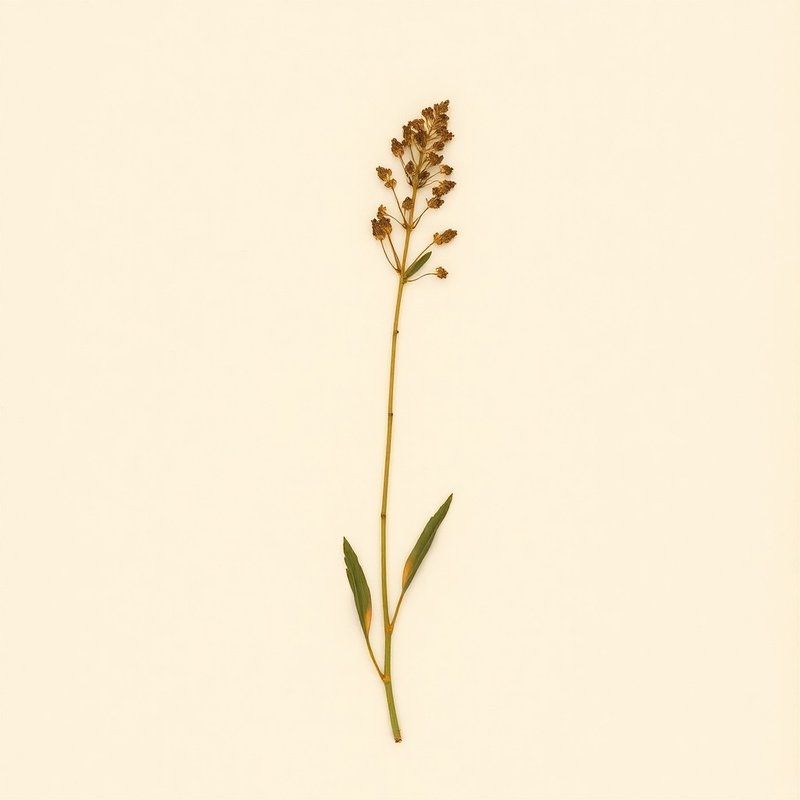
8 relatedPlants you might compare or use together — scored by shared family (Liliaceae), common use cases, and growing requirements.

Explore further
About this entry
- Last updated
- Citation
- How to cite this entry · Submit a correction
Continue reading
Get archive updates
Occasional email when substantial new content lands — plant profiles, seasonal growing notes, folk-remedy additions. Free, no tracking, unsubscribe anytime.