
Honesty
IOverview
Overview
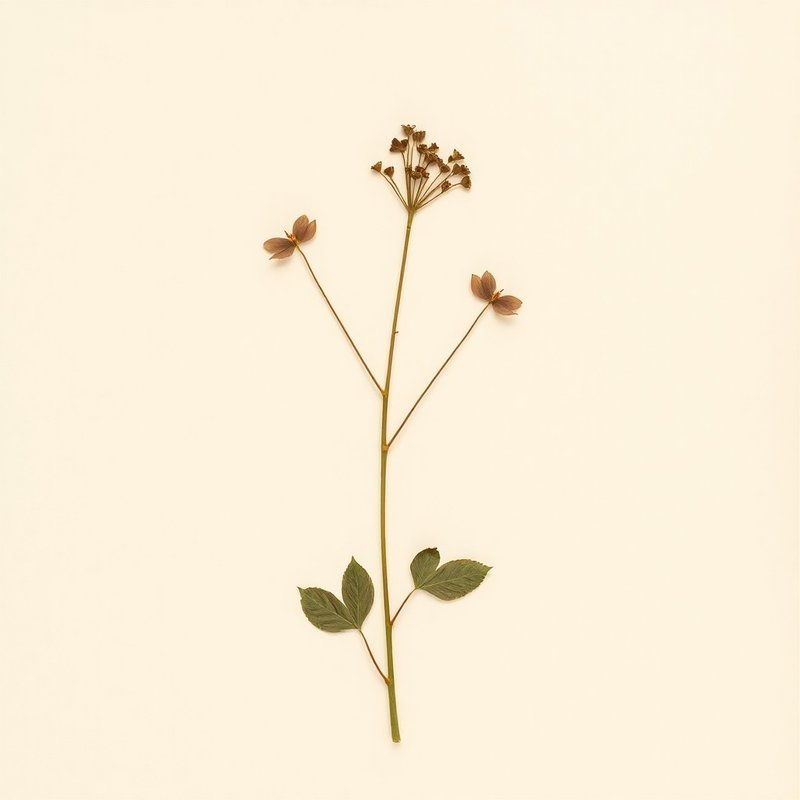
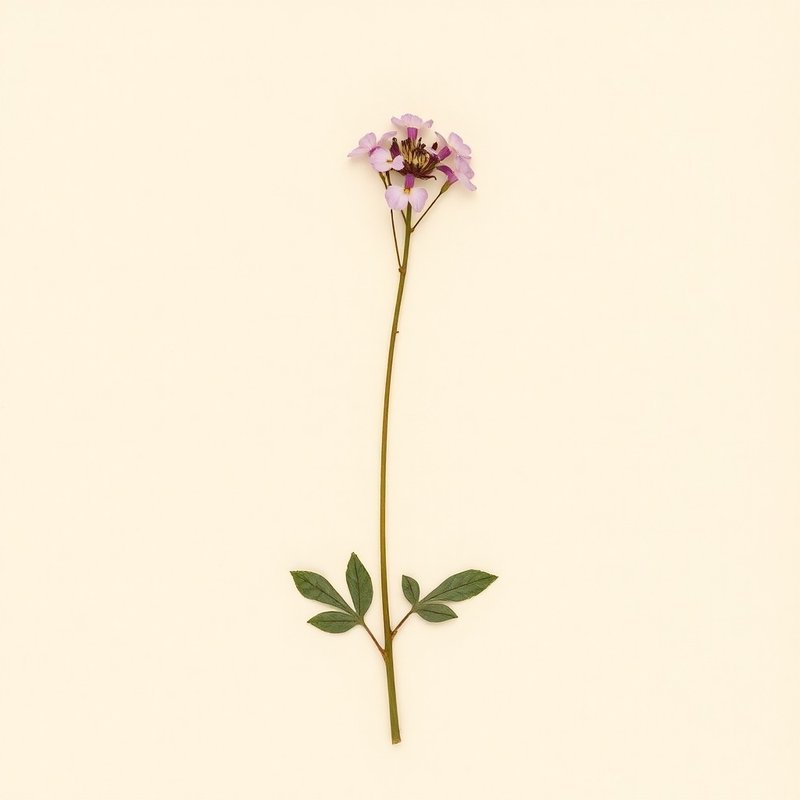
Honesty (Lunaria annua), belonging to the Brassicaceae family, is a biennial or annual herb that can grow up to 0.6 meters tall. Native to regions including Albania, Bulgaria, France, Greece, Italy, Kriti, Romania, Spain, and parts of Switzerland and Yugoslavia, this plant has been cultivated for its edible roots and seeds. Honesty thrives in moist but well-drained soils with a pH between 5.5 and 6.5, making it adaptable to light (sandy), medium, or heavy (clay) soil types. Its distinctive seed pods, which resemble flattened paper lanterns, are one of its most recognizable features. Honesty prefers full sun to partial shade for optimal growth. It is hardy in temperate regions and can be grown as an annual or biennial. The plant's edible roots and seeds make it a valuable addition to gardens where culinary uses are desired. Propagation through direct seeding after the last frost ensures successful establishment. While honesty is primarily known for its ornamental value, its edible parts—roots and seeds—offer a unique flavor profile in condiments and other culinary applications. Its cultivation summary highlights that this plant thrives in moist but well-drained soils with a pH between 5.5 and 6.5, making it adaptable to various soil types. With its height of 0.6 meters and forb/herb habit, honesty adds charm to flower beds and borders while providing culinary benefits.
What is Honesty?
Honesty (Lunaria annua), belonging to the Brassicaceae family, is a biennial or annual herb that can grow up to 0.6 meters tall.
VCultivation
Cultivation
How to grow Honesty for the first time
Start with Honesty by planting seeds in early spring for a beginner-friendly experience.
- 1
What you'll need
Seeds, small pots or garden bed, potting soil, watering can.
- 2
Best time to plant
Plant Honesty from seed in late winter to early spring for outdoor planting.
- 3
Soil and container prep
Use a well-draining potting mix with a pH between 5.5 and 6.5. Ensure containers have drainage holes.
- 4
Sowing or transplanting
Sow seeds indoors in small pots about 4-6 weeks before the last frost, then transplant to the garden after danger of frost passes.
- 5
First two weeks
Keep soil consistently moist and provide partial shade until plants are established. Thin seedlings if necessary.
- 6
Ongoing care
Water regularly but avoid overwatering. Deadhead spent flowers to encourage more blooms. Mulch around the base for moisture retention.
- 7
Harvest or pruning
Prune dead leaves and spent flower heads to maintain plant health and appearance. Cut back plants after flowering if desired.
VIEdible & utility
Edible & utility
VIIDistribution
10 native · 48 introduced
Distribution
10 native · 48 introducedIXSpecimen gallery
1 image
Specimen gallery
1 imageXSee also
8 related
See also
8 relatedPlants you might compare or use together — scored by shared family (Brassicaceae), common use cases, and growing requirements.


Explore further
About this entry
- Last updated
- Citation
- How to cite this entry · Submit a correction
Continue reading
Get archive updates
Occasional email when substantial new content lands — plant profiles, seasonal growing notes, folk-remedy additions. Free, no tracking, unsubscribe anytime.