
Lycopersicon peruvianum
Lycopersicon peruvianumfam. Solanaceae
Educational content — not medical, botanical, or professional advice. Plant identification, safety, and edibility depend on local conditions, cultivars, and correct identification. Consult a qualified botanist or forager before consuming or handling wild specimens. How we source & review →
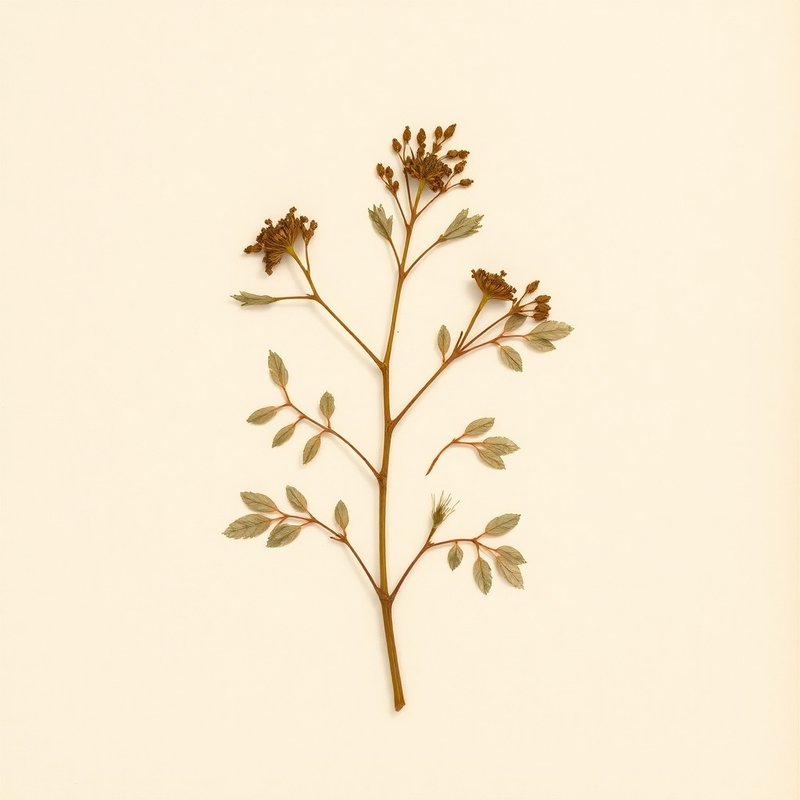
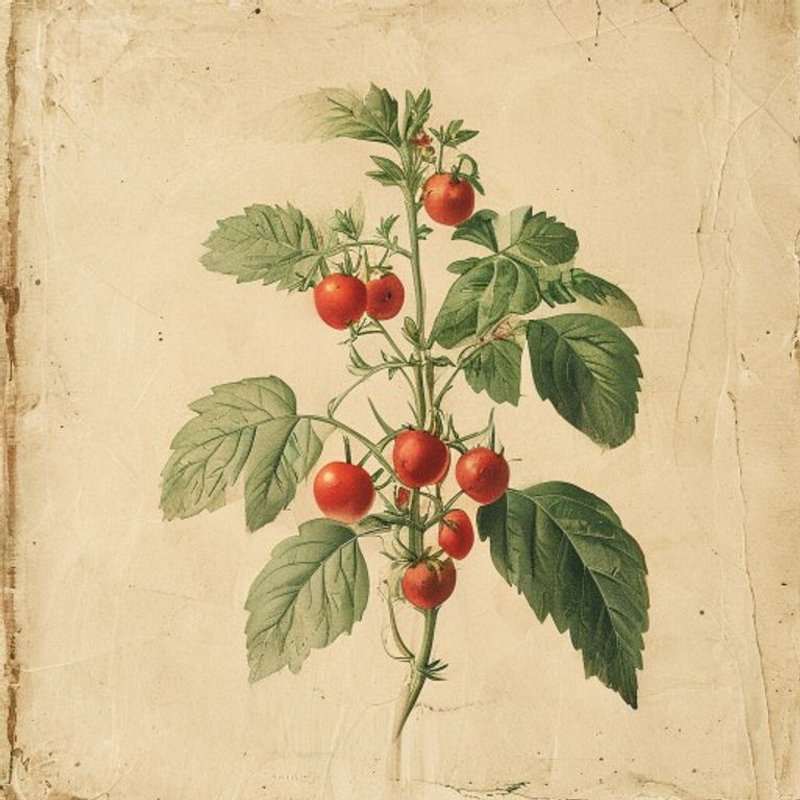
Pl. DD28 — Lycopersicon peruvianum
Lycopersicon peruvianumLycopersicon peruvianumLycopersicon peruvianumLycopersicon peruvianumLycopersicon peruvianumLycopersicon peruvianumLycopersicon peruvianumLycopersicon peruvianumLycopersicon peruvianumLycopersicon peruvianumLycopersicon peruvianumLycopersicon peruvianumLycopersicon peruvianumLycopersicon peruvianum
IOverview
Overview
Lycopersicon peruvianum, commonly known as the wild tomato, is a herbaceous annual plant native to the northern regions of Chile, Ecuador, and the Galápagos Islands. This close relative of modern tomatoes thrives in full sun and prefers moist, well-drained soils ranging from light sandy to heavy clay types. It is hardy in zones 8-11 and is known for its edible fruit, which can be used fresh or preserved. One distinctive feature of this plant is its ability to grow in a variety of soil conditions, making it adaptable to different environments within its native range.
Quick answers
What is Lycopersicon peruvianum?
Lycopersicon peruvianum, commonly known as the wild tomato, is a herbaceous annual plant native to the northern regions of Chile, Ecuador, and the Galápagos Islands. This close relative of modern tomatoes thrives in full sun and prefers moist, well-drained soils ranging from light sandy to heavy clay types.
Growingconditions · propagation · uses
VCultivation
Cultivation
Lycopersicon peruvianum thrives in full sun and requires moist soil that can be light (sandy), medium, or heavy (clay). It is hardy in zones 8-11, making it suitable for temperate regions. The plant is an annual forb/herb and produces edible fruit. Ensure the soil remains consistently moist but well-draining to prevent root rot.
Light
Full sun
Water
Moist
Soil
Light (sandy), Medium, Heavy (clay)
Hardiness
8-11
Life cycle
Annual
Habit
Forb/herb
For first-time growers
How to grow Lycopersicon peruvianum for the first time
8steps
Start with Skip, a beginner-friendly tomato variety, by following these simple steps.
- 1
What you'll need
Seeds or seedlings, small pots for starting seeds, rich potting soil, a sunny spot in your garden.
- 2
Best time to plant
Start seeds indoors about 6-8 weeks before the last frost date. Transplant outdoors after all danger of frost has passed.
- 3
Soil and container prep
Use well-draining soil with a pH between 6.0 and 6.8. Ensure containers are at least 12 inches deep for good root growth.
- 4
Sowing or transplanting
Sow seeds ¼ inch deep in small pots, keep moist until germination. Transplant seedlings outdoors when they have two sets of true leaves.
- 5
First two weeks
Provide shelter from strong winds and direct sun during the hottest part of the day. Keep soil consistently moist but not waterlogged.
- 6
Ongoing care
Water regularly, especially in dry spells. Fertilize every 4-6 weeks with a balanced organic fertilizer. Pinch off suckers to encourage fruiting.
- 7
Harvest or pruning
Prune non-bearing branches to focus energy on fruit production. Harvest ripe fruits when they are fully colored and slightly soft.
- 8
Common mistakes
Overwatering, planting too early in cold soil, neglecting to prune, not providing enough support for vines.
VIEdible & utility
Edible & utility
Edible parts:Fruit
Edible uses: The fruit of Lycopersicon peruvianum is edible and can be eaten raw or cooked. It is often prepared in stews and sauces, adding a light, full-flavored note to dishes. The fruit can also be dried for later use.
Contextrange · companions · related
VIIDistribution
4 native · 1 introduced
Distribution
4 native · 1 introducedDistribution across1 continent· 4 native· 1 introduced
Americas2 regions
native (2)EcuadorPeru
Broader regions
native:Chile North, Galápagos
introduced:California
IXSpecimen gallery
1 image
Specimen gallery
1 imageXSee also
8 related
See also
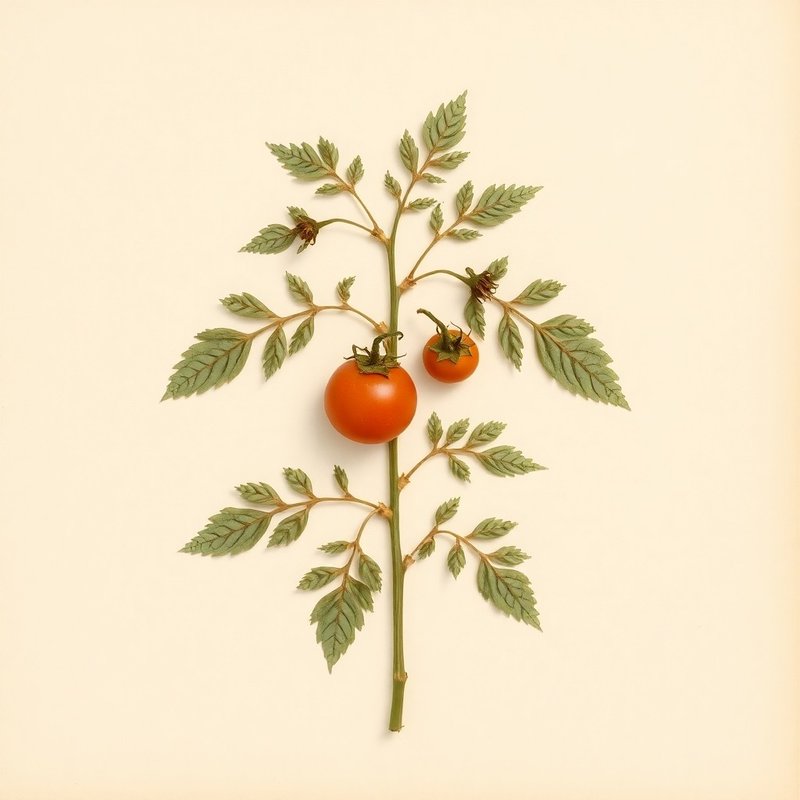
8 relatedPlants you might compare or use together — scored by shared family (Solanaceae), common use cases, and growing requirements.
same family · Solanaceae
Botanical relatives — often share phytochemistry + growing needs.

XI
Explore further
Companion planting
Compare with similar plants
Growing zone
XII
About this entry
- Last updated
- Citation
- How to cite this entry · Submit a correction
Back to the cataloguePlant id · dd289247-bd39-4455-8f8c-053f9b4df184
Decision aid
Choosing between Lycopersicon peruvianum and something else?
Continue reading
❦❦❦❦
Endpaper · archive updates
Get archive updates
Occasional email when substantial new content lands — plant profiles, seasonal growing notes, folk-remedy additions. Free, no tracking, unsubscribe anytime.