
Currant Tomato
Lycopersicon pimpinellifoliumfam. Solanaceae
Educational content — not medical, botanical, or professional advice. Always consult a qualified clinician before using any herbal preparation — especially during pregnancy, breastfeeding, while on medication, or for children. How we source & review →
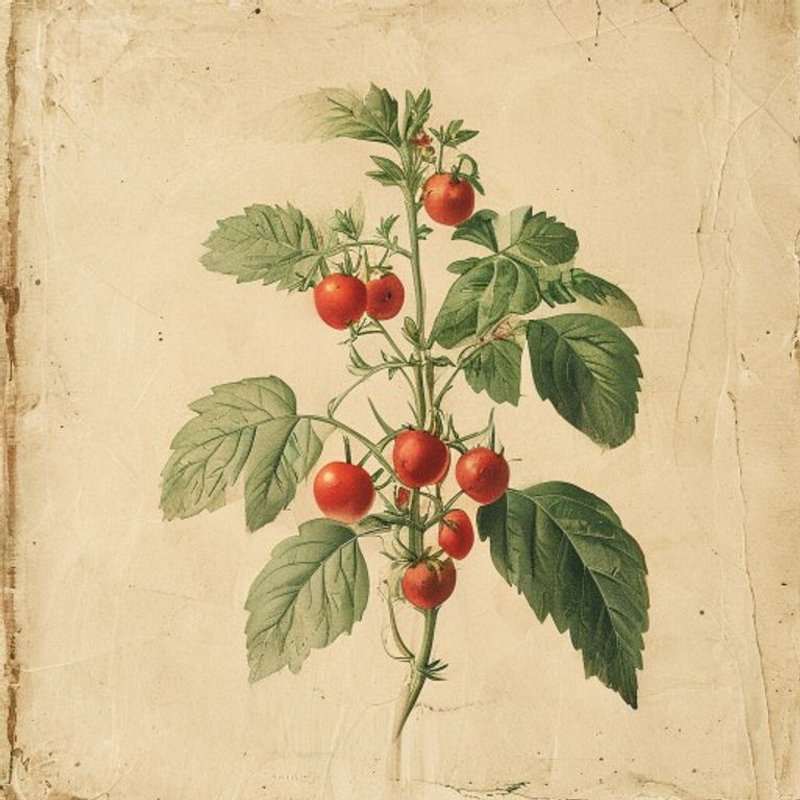
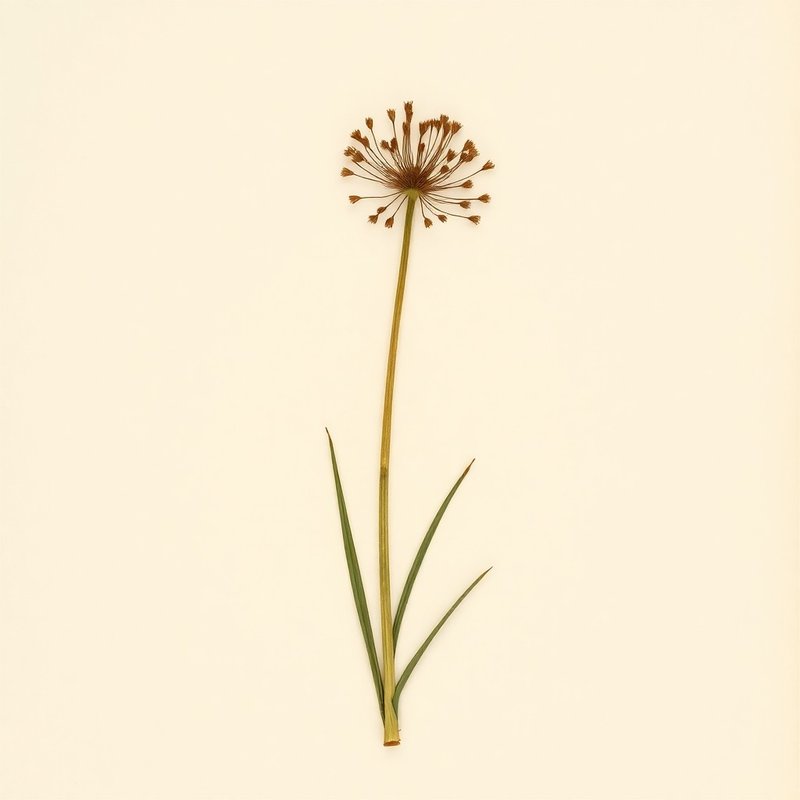
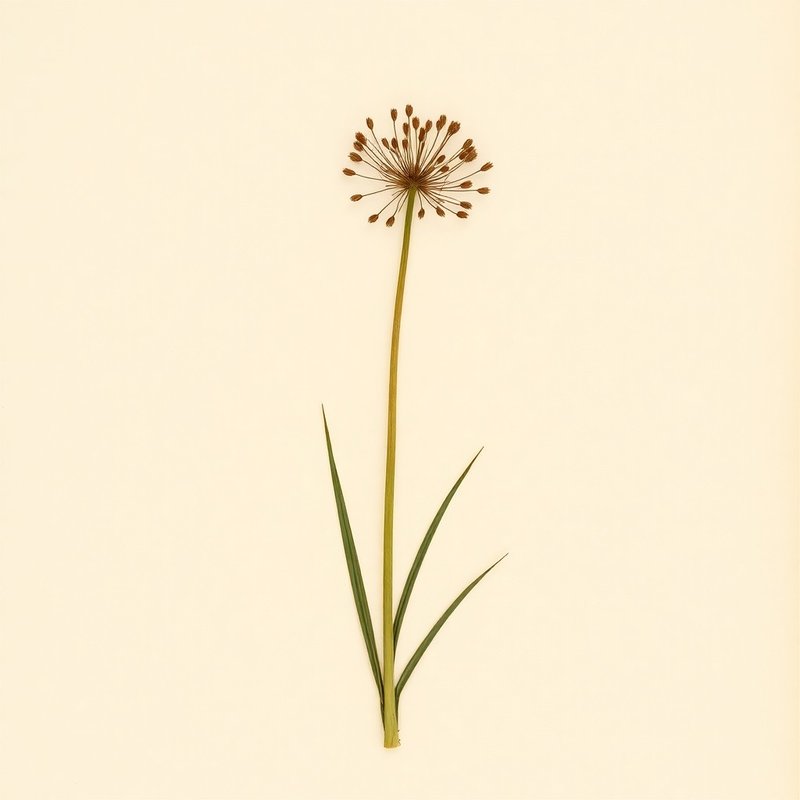
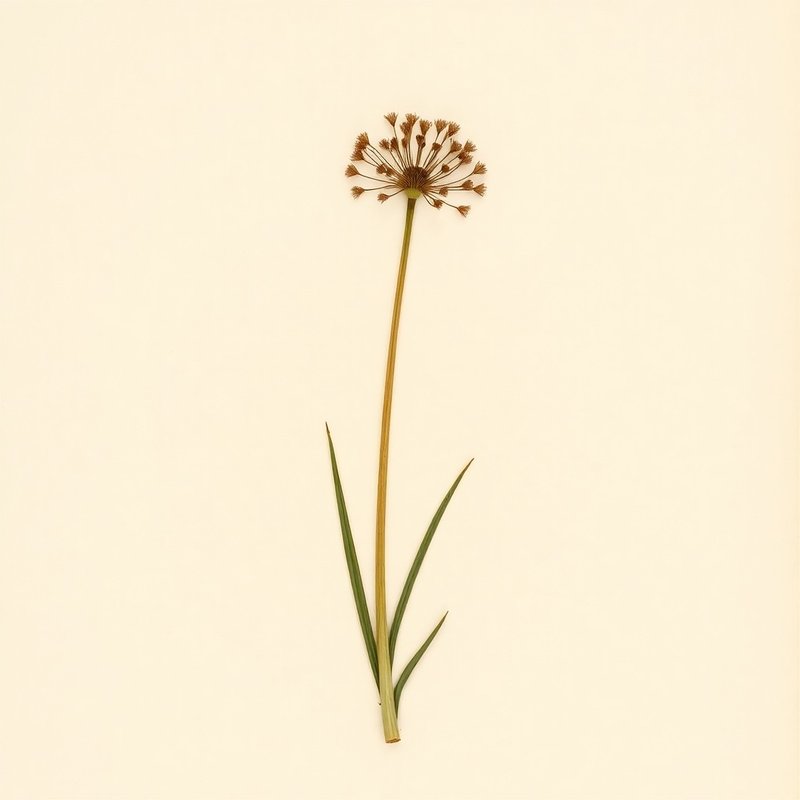
Pl. 47C6 — Lycopersicon pimpinellifolium
Lycopersicon pimpinellifoliumLycopersicon pimpinellifoliumLycopersicon pimpinellifoliumLycopersicon pimpinellifoliumLycopersicon pimpinellifoliumLycopersicon pimpinellifoliumLycopersicon pimpinellifoliumLycopersicon pimpinellifoliumLycopersicon pimpinellifoliumLycopersicon pimpinellifoliumLycopersicon pimpinellifoliumLycopersicon pimpinellifoliumLycopersicon pimpinellifoliumLycopersicon pimpinellifolium
IOverview
Overview
The Currant Tomato (Lycopersicon pimpinellifolium) is a small, annual forb or herb native to the coastal regions of Chile North, Ecuador, and the Galápagos Islands. This plant belongs to the Solanaceae family, sharing kinship with other well-known members such as potatoes and peppers. Known for its edible fruit, it also has documented medicinal uses. The Currant Tomato thrives in full sun and prefers moist conditions with light (sandy), medium, or heavy clay soils. It grows up to 1 meter tall and is adaptable to a range of hardiness zones from 8-11. Its distinctive features include small, finely divided leaves similar to those of the dill plant, setting it apart in appearance among its relatives.
Quick answers
What is Currant Tomato?
The Currant Tomato (Lycopersicon pimpinellifolium) is a small, annual forb or herb native to the coastal regions of Chile North, Ecuador, and the Galápagos Islands. This plant belongs to the Solanaceae family, sharing kinship with other well-known members such as potatoes and peppers.
What is Currant Tomato used for?
Traditionally used for immune support, digestion. Each claim is evidence-rated — see Section II for full citations.
Best for
Top 2 evidence-ranked uses of Currant Tomato
Clinicaluses · safety · chemistry · dosagemedicinal profile
IIBenefits & evidence
2 claims · 0 sources
Benefits & evidence
2 claims · 0 sources- Currant Tomato, a close relative of Lycopersicon esculentum (tomato), has been traditionally used in South American herbal medicine to support immune function. Its consumption may help bolster the body's defenses against common ailments.
Not fully characterised; however, tomatoes contain lycopene and other carotenoids which have antioxidant properties that can protect cells from damage.
- Traditionally, Currant Tomato has been used in South American herbal practices to aid digestion. Consuming the fruit may help alleviate minor digestive discomfort.
Not fully characterised; however, tomatoes contain compounds like chlorogenic acid which can have anti-inflammatory effects on the gut lining.
IV·bMixology suggestions
1 draft
Mixology suggestions
1 draftEditorial drafts. These pairings are AI-suggested from traditional herbal lore. Always verify with a qualified herbalist before brewing.
Currant Tomato support blend
generaltea
AI returned a direct ingredient list; normalized into one draft blend for editorial review.
Growingconditions · propagation · uses
VCultivation
Cultivation
Currant Tomato thrives in full sun and requires moist soil that can be light (sandy), medium, or heavy (clay). It is hardy in zones 8-11 and grows to a height of about 1 meter as an annual forb/herb. For best results, ensure the soil remains consistently moist while providing ample sunlight. Propagate via seeds for new plants each season.
Light
Full sun
Water
Moist
Soil
Light (sandy), Medium, Heavy (clay)
Hardiness
8-11
Life cycle
Annual
Habit
Forb/herb
Mature size
1.0 m tall
For first-time growers
How to grow Currant Tomato for the first time
8steps
Start with a simple, sunny spot and basic soil preparation for your first Currant Tomato.
- 1
What you'll need
Seeds or seedlings, small stakes or cages, garden tools like trowels.
- 2
Best time to plant
Plant outdoors after the last frost in spring when temperatures are consistently above 10°C (50°F).
- 3
Soil and container prep
Choose a well-draining soil with plenty of organic matter. Ensure containers are at least 30 cm deep and wide.
- 4
Sowing or transplanting
Direct sow seeds 2-3 cm deep, about 30 cm apart in rows. Transplant seedlings when they have two sets of true leaves.
- 5
First two weeks
Water regularly to keep the soil moist but not waterlogged. Monitor for pests and diseases.
- 6
Ongoing care
Provide support with stakes or cages as plants grow. Water deeply once a week, more often in hot weather.
- 7
Harvest or pruning
Prune side shoots to encourage fruiting. Harvest fruits when they are fully colored and slightly soft.
- 8
Common mistakes
Overwatering, not providing support, neglecting to prune, planting too late in the season.
VIEdible & utility
Edible & utility
Edible parts:Fruit
Edible uses: Oil
Other uses:oil
Contextrange · companions · related
VIIDistribution
4 native · 3 introduced
Distribution
4 native · 3 introducedDistribution across3 continents· 4 native· 3 introduced
Europe1 region
introduced (1)Austria
Americas2 regions
native (2)EcuadorPeru
Africa1 region
introduced (1)Namibia
Broader regions
native:Chile North, Galápagos
introduced:Marquesas
IXSpecimen gallery
1 image
Specimen gallery
1 imageXSee also
8 related
See also
8 relatedPlants you might compare or use together — scored by shared family (Solanaceae), common use cases, and growing requirements.
same family · Solanaceae
Botanical relatives — often share phytochemistry + growing needs.
shared use cases
Different families, similar therapeutic role — good for comparing.


XI
Explore further
Companion planting
Health goals
Compare with similar plants
Growing zone
XII
About this entry
- Last updated
- Citation
- How to cite this entry · Submit a correction
Back to the cataloguePlant id · 47c6668c-dffd-4d41-97f6-27f4de6fc586
Decision aid
Choosing between Currant Tomato and something else?
Continue reading
❦❦❦❦
Endpaper · archive updates
Get archive updates
Occasional email when substantial new content lands — plant profiles, seasonal growing notes, folk-remedy additions. Free, no tracking, unsubscribe anytime.