
Malus x astracanica
Malus x astracanicafam. Rosaceae
Educational content — not medical, botanical, or professional advice. Plant identification, safety, and edibility depend on local conditions, cultivars, and correct identification. Consult a qualified botanist or forager before consuming or handling wild specimens. How we source & review →
Garden journal pausedUse profile notes below
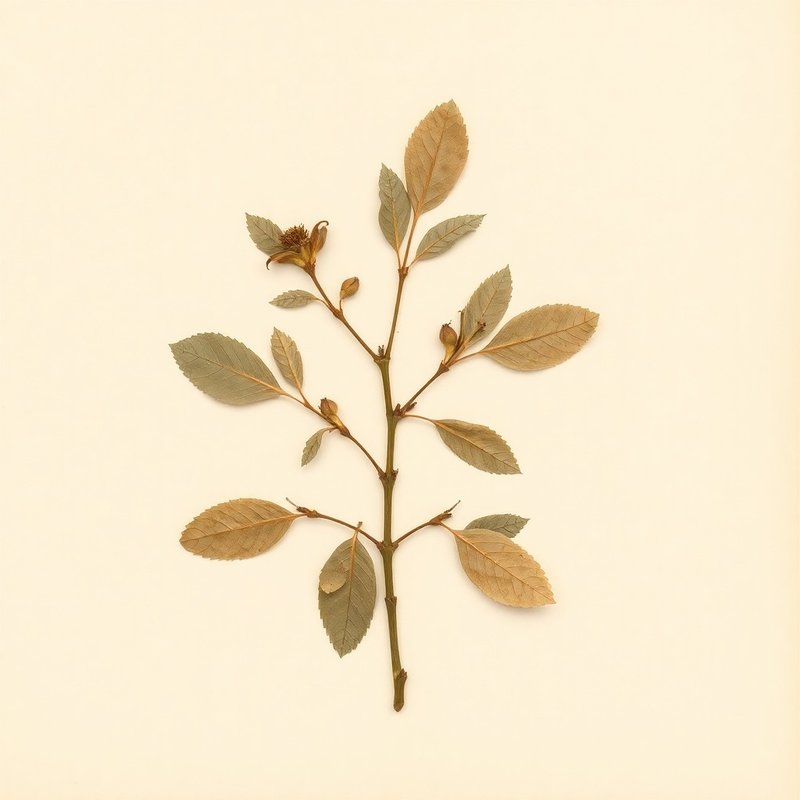
Pl. 4D37 — Malus x astracanica
Malus x astracanicaMalus x astracanicaMalus x astracanicaMalus x astracanicaMalus x astracanicaMalus x astracanicaMalus x astracanicaMalus x astracanicaMalus x astracanicaMalus x astracanicaMalus x astracanicaMalus x astracanicaMalus x astracanicaMalus x astracanica
IOverview
Overview
Malus x astracanica, commonly known as the Astrakan crabapple, is a hybrid apple tree native to Central and West Asia, specifically found in Afghanistan, Kazakhstan, Kirgizstan, Pakistan, Tadzhikistan, Uzbekistan, and Xinjiang. This deciduous tree thrives in habitats that include full sun to partial shade and prefers soil types ranging from light (sandy) to heavy (clay), with a moisture-retentive nature. It is hardy in USDA zones 3-7, making it adaptable to various temperate climates. The fruit of Malus x astracanica is edible and can be enjoyed raw or used in culinary preparations such as jams, jellies, and pies. The fruit is also suitable for drying, allowing for preservation throughout the year. This versatile tree reaches a height of about 5 meters and serves both ornamental and fruit-bearing purposes, making it an excellent addition to gardens and orchards. Astrakan crabapple prefers moist soil but can tolerate a range of conditions, from light (sandy) to heavy (clay). It is native to regions including Afghanistan, Kazakhstan, Kirgizstan, Pakistan, Tadzhikistan, Uzbekistan, and Xinjiang, and has been introduced into many temperate zones worldwide. This tree's adaptability and fruit-bearing capabilities make it a valuable addition to landscapes in similar climates.
Quick answers
What is Malus x astracanica?
Malus x astracanica, commonly known as the Astrakan crabapple, is a hybrid apple tree native to Central and West Asia, specifically found in Afghanistan, Kazakhstan, Kirgizstan, Pakistan, Tadzhikistan, Uzbekistan, and Xinjiang.
Growingconditions · propagation · uses
VCultivation
Cultivation
Malus x astracanica thrives in full to partial sun and requires moist soil that can be light (sandy), medium, or heavy (clay). The tree is hardy in zones 3-7 and grows up to 5 meters tall. For optimal growth, ensure the soil remains consistently moist but well-draining. Propagation can be achieved through grafting or seed sowing. This apple variety is native to regions including Afghanistan, Kazakhstan, Kirgizstan, Pakistan, Tadzhikistan, Uzbekistan, and Xinjiang, making it adaptable to similar climates in temperate zones.
Light
Full sun, Partial sun/shade
Water
Moist
Soil
Light (sandy), Medium, Heavy (clay)
Hardiness
3-7
Mature size
5.0 m tall
For first-time growers
How to grow Malus x astracanica for the first time
8steps
Start with planting Skip in a sunny spot and follow these simple steps for success.
- 1
What you'll need
A young Skip tree, garden gloves, a spade or trowel, and some compost.
- 2
Best time to plant
Plant in early spring before new growth starts or in late fall after leaves have dropped.
- 3
Soil and container prep
Ensure the soil is well-draining with a pH between 6.0 and 7.5; amend as needed.
- 4
Sowing or transplanting
Transplant young Skip trees from containers into your garden, ensuring roots are not damaged.
- 5
First two weeks
Water the tree deeply every few days to help it establish its roots. Keep an eye out for pests and diseases.
- 6
Ongoing care
Provide full sun exposure; water regularly but avoid overwatering, especially in clay soils. Prune lightly in late winter.
- 7
Harvest or pruning
Prune the tree to maintain shape and remove any dead or diseased branches; harvest fruit when ripe, usually in autumn.
- 8
Common mistakes
Overwatering, planting too deep, neglecting proper pruning, not providing enough sunlight, and using harsh chemicals.
VIEdible & utility
Edible & utility
Edible parts:Fruit
Edible uses: The fruit of Malus x astracanica is edible and can be eaten raw or used in various preparations such as jams, jellies, and pies. The fruit is also suitable for drying to preserve it for later use. Skip the specific cooking instructions, as they are not provided in the data.
Contextrange · companions · related
VIIDistribution
7 native · 96 introduced
Distribution
7 native · 96 introducedDistribution across3 continents· 7 native· 96 introduced
Europe23 regions
introduced (23)AlbaniaBelarusBelgiumBulgariaCyprusDenmarkFinlandFranceGermanyGreeceHungaryIrelandItalyNetherlandsNorwayPolandPortugalRomaniaRussiaSpainSwedenUkraineUnited Kingdom
Asia10 regions
native (5)AfghanistanChinaKazakhstanPakistanUzbekistan
introduced (5)GeorgiaIraqNepalSouth KoreaTurkmenistan
Americas2 regions
introduced (2)EcuadorUnited States
Broader regions
native:Kirgizstan, Tadzhikistan
introduced:Alabama, Argentina Northeast, Argentina South, Arkansas, Baltic States, British Columbia, California, Colorado, Connecticut, Czechoslovakia, Delaware, District of Columbia, East Himalaya, Falkland Is., Illinois, Indiana, Iowa, Kansas, Kentucky, Louisiana, Maine, Manitoba, Maryland, Masachusettes, Massachusetts, Michigan, Minnesota, Mississippi, Missouri, Montana, Nebraska, Nevada, New Brunswick, New Hampshire, New Jersey, New Mexico, New South Wales, New York, Newfoundland, North Carolina, North Dakota, Nova Scotia, Ohio, Ontario, Oregon, Pennsylvania, Prince Edward I., Québec, Rhode I., South Carolina, Tasmania, Tennessee, Utah, Vermont, Victoria, Virginia, West Virginia, Wisconsin, Wyoming, Yugoslavia
IXSpecimen gallery
1 image
Specimen gallery
1 imageXSee also
8 related
See also
8 relatedPlants you might compare or use together — scored by shared family (Rosaceae), common use cases, and growing requirements.
same family · Rosaceae
Botanical relatives — often share phytochemistry + growing needs.


XI
Explore further
Companion planting
Compare with similar plants
Growing zone
Native to
XII
About this entry
- Last updated
- Citation
- How to cite this entry · Submit a correction
Back to the cataloguePlant id · 4d3722a8-45e0-4851-b0a8-51758ecc49f6
Decision aid
Choosing between Malus x astracanica and something else?
Continue reading
❦❦❦❦
Endpaper · archive updates
Get archive updates
Occasional email when substantial new content lands — plant profiles, seasonal growing notes, folk-remedy additions. Free, no tracking, unsubscribe anytime.
Newsletter returning soon.
We are rebuilding the update list around a lightweight editorial workflow. New dispatches will resume after the next content review cycle.