
Kaido Crab Apple
IOverview
Overview
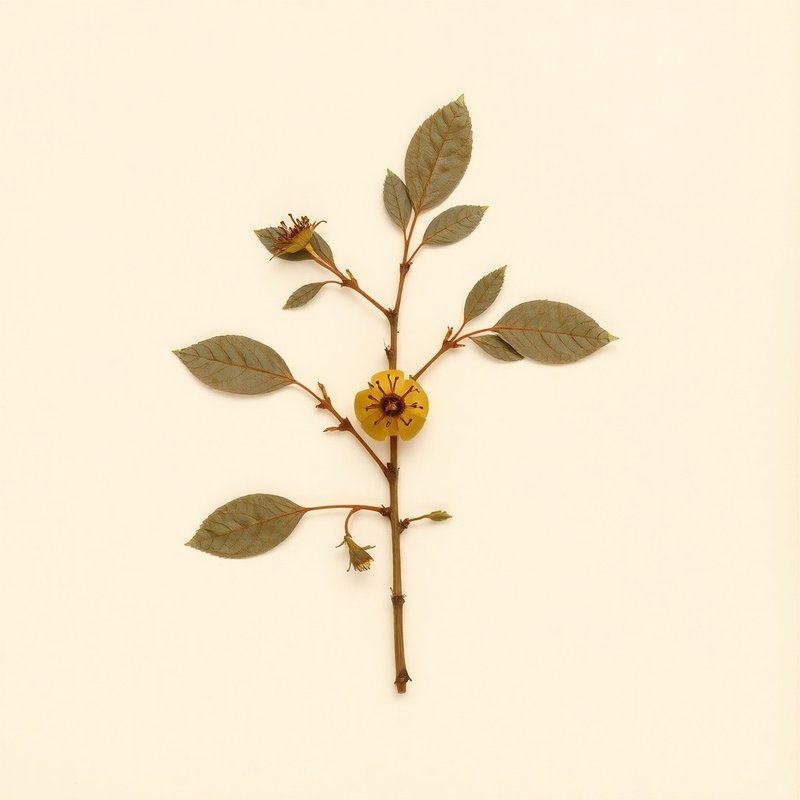
The Kaido Crab Apple (Malus x micromalus) is a deciduous shrub in the Rosaceae family, native to China's north-central regions and Manchuria. This small tree thrives in full to partial sun and prefers soil that can be light (sandy), medium, or heavy (clay). It is hardy in USDA zones 4-8 and grows to a height of about 4 meters. Known for its edible fruit, the Kaido Crab Apple has been cultivated for its culinary uses, with its fruit often used in jams, jellies, and preserves due to its tart flavor. The fruit can also be dried for later use. Despite its primary purpose as a fruit-bearing tree, its small size makes it an attractive ornamental addition to gardens. One distinctive feature is its compact stature, which sets it apart from other crab apples. The Kaido Crab Apple has been introduced into China's south-central and southeast regions, Inner Mongolia, and Japan, expanding its cultivation beyond its native range. Its fruit can be consumed raw or cooked, making it a versatile ingredient in various culinary applications. The tree thrives in moist soil but requires good drainage to support healthy growth. While primarily used for its edible fruit, the Kaido Crab Apple's small size and attractive appearance make it an appealing ornamental plant for gardens and landscapes.
What is Kaido Crab Apple?
The Kaido Crab Apple (Malus x micromalus) is a deciduous shrub in the Rosaceae family, native to China's north-central regions and Manchuria. This small tree thrives in full to partial sun and prefers soil that can be light (sandy), medium, or heavy (clay).
VCultivation
Cultivation
How to grow Kaido Crab Apple for the first time
Start with planting a Kaido Crab Apple in your garden for a rewarding beginner project.
- 1
What you'll need
A Kaido Crab Apple sapling, well-draining soil, and gardening tools like a spade and watering can.
- 2
Best time to plant
Plant the sapling in early spring or late autumn when temperatures are moderate.
- 3
Soil and container prep
Ensure the soil is light (sandy), medium, or heavy clay with good drainage. Amend with compost if needed.
- 4
Sowing or transplanting
Transplant the sapling from a pot to your garden bed, ensuring it has enough space and proper depth.
- 5
First two weeks
Water the plant regularly to keep the soil moist but not waterlogged. Monitor for any signs of stress.
- 6
Ongoing care
Provide full sun or partial shade, and continue regular watering. Prune lightly in late winter to maintain shape.
- 7
Harvest or pruning
Prune the tree annually in late winter to encourage healthy growth and fruiting.
- 8
Common mistakes
Overwatering, planting in too heavy soil, not providing enough sunlight, and neglecting regular pruning are common issues.
VIEdible & utility
Edible & utility
VIIDistribution
2 native · 4 introduced
Distribution
2 native · 4 introducedIXSpecimen gallery
1 image
Specimen gallery
1 imageXSee also
8 related
See also
8 relatedPlants you might compare or use together — scored by shared family (Rosaceae), common use cases, and growing requirements.

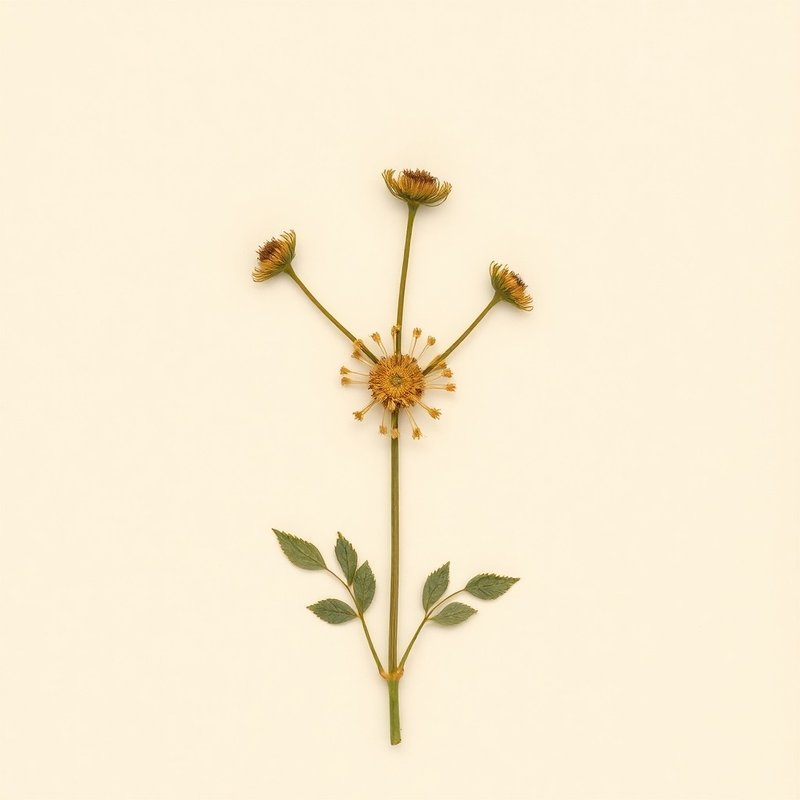
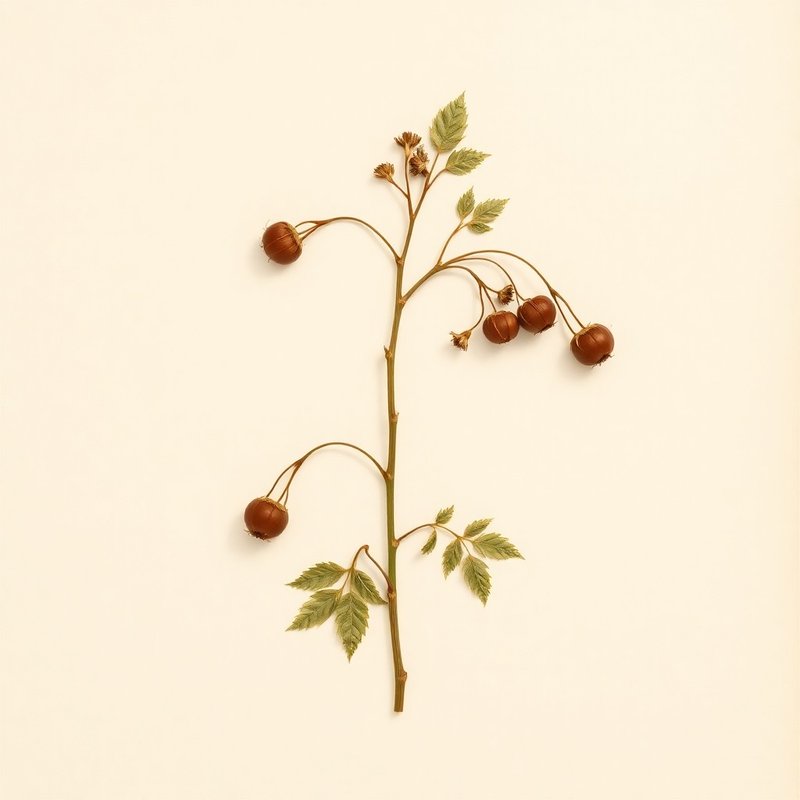

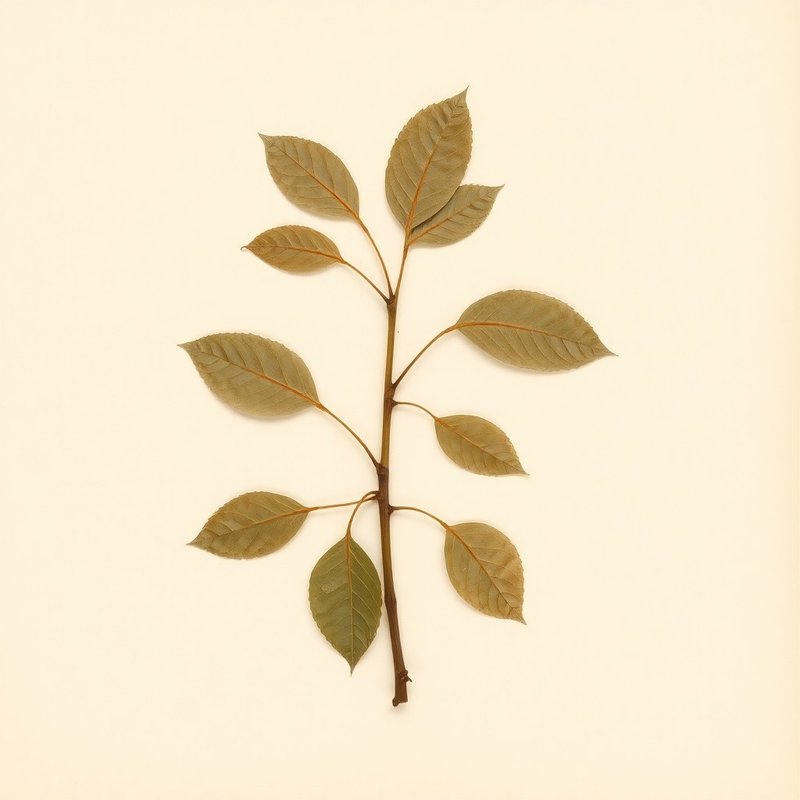
Explore further
About this entry
- Last updated
- Citation
- How to cite this entry · Submit a correction
Continue reading
Get archive updates
Occasional email when substantial new content lands — plant profiles, seasonal growing notes, folk-remedy additions. Free, no tracking, unsubscribe anytime.