
Cassava
Manihot esculenta
Educational content — not medical, botanical, or professional advice. Plant identification, safety, and edibility depend on local conditions, cultivars, and correct identification. Consult a qualified botanist or forager before consuming or handling wild specimens. How we source & review →
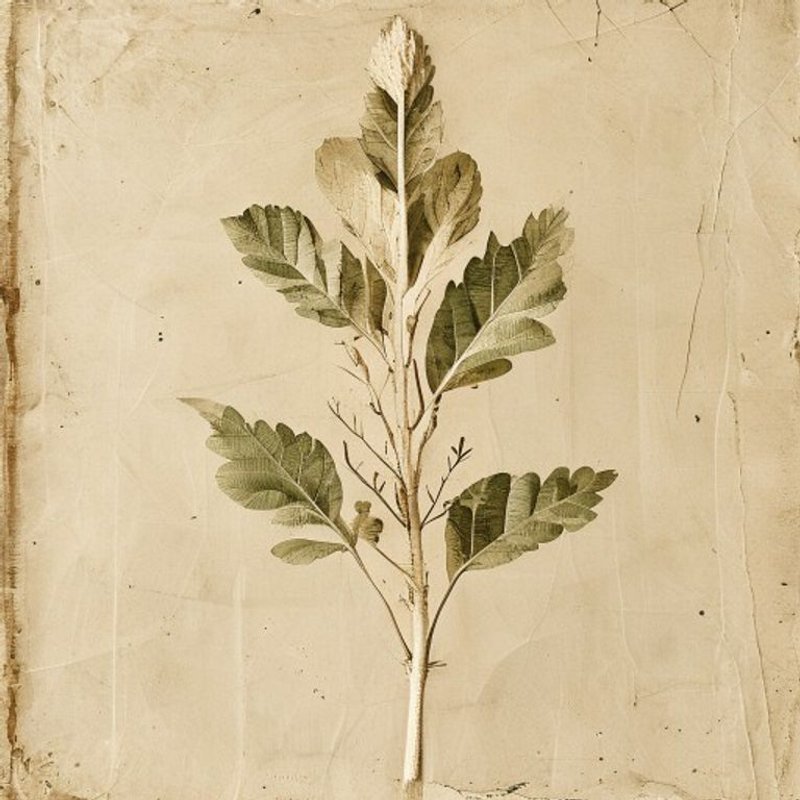
Pl. D5E5 — Manihot esculenta
Manihot esculentaManihot esculentaManihot esculentaManihot esculentaManihot esculentaManihot esculentaManihot esculentaManihot esculentaManihot esculentaManihot esculentaManihot esculentaManihot esculentaManihot esculentaManihot esculenta
IOverview
Overview
Cassava (Manihot esculenta) is a versatile and widely cultivated plant native to the tropical regions of South America, including Bolivia, Brazil, Colombia, Ecuador, and Peru. This subshrub or shrub can grow up to 3 meters tall and thrives in various soil types, from light sandy to heavy clay, with a preference for a pH range of 5–5.5. It is adaptable to different sunlight conditions, ranging from full sun to partial shade, making it suitable for diverse growing environments. Cassava is known for its edible roots and tubers, which are an important food source in many parts of the world. Its ability to grow in dry or moist soil makes it a valuable crop in various agricultural settings.
Quick answers
What is Cassava?
Cassava (Manihot esculenta) is a versatile and widely cultivated plant native to the tropical regions of South America, including Bolivia, Brazil, Colombia, Ecuador, and Peru.
Growingconditions · propagation · uses
VCultivation
Cultivation
Cassava thrives in full to partial sun and can tolerate some shade. It prefers moist but well-draining soil of medium texture, though it adapts to light (sandy) and heavy (clay) soils as well. The plant is hardy in zones 9-12, making it suitable for tropical climates. Cassava requires regular watering but can withstand dry conditions once established. For propagation, use roots or tubers, which are the edible parts of the plant. Maintain a soil pH between 5 and 5.5 for optimal growth.
Light
Full sun, Partial sun/shade, Full shade
Water
Dry, Moist
Soil
Light (sandy), Medium, Heavy (clay)
Hardiness
9-12
Habit
Subshrub, Shrub, Forb/herb, Tree
Mature size
3.0 m tall
Soil pH
5–5.5
For first-time growers
How to grow Cassava for the first time
8steps
Start with cassava as a simple, low-maintenance plant for beginners.
- 1
What you'll need
Cassava roots or tubers, potting soil, containers or garden space.
- 2
Best time to plant
Plant in spring when the risk of frost is low and temperatures are warm.
- 3
Soil and container prep
Use well-draining soil with a pH between 5 and 5.5, ensuring containers have drainage holes.
- 4
Sowing or transplanting
Plant tubers directly in the ground or pots at a depth of about 10 cm, spacing them 60-90 cm apart.
- 5
First two weeks
Water regularly to keep soil moist but not waterlogged. Place in full sun for best growth.
- 6
Ongoing care
Provide consistent moisture and full sun, mulching around the base to retain moisture and suppress weeds.
- 7
Harvest or pruning
Prune any dead leaves or stems to maintain plant health. Harvest roots after 6-12 months when they are large enough.
- 8
Common mistakes
Overwatering, planting in heavy soil, and not providing enough sunlight are common issues beginners face.
VIEdible & utility
Edible & utility
Edible parts:rootstubers
Edible uses: The cassava plant's roots and tubers are edible. Typically, these parts are prepared by peeling them before cooking or drying. They can be boiled, fried, or baked to add flavor and nutrition to dishes. Skip the raw consumption as it may cause digestive issues due to toxic compounds present in the raw root.
Other uses:AdhesiveMulch
Contextrange · companions · related
VIIDistribution
9 native · 21 introduced
Distribution
9 native · 21 introducedDistribution across4 continents· 9 native· 21 introduced
Asia3 regions
introduced (3)BangladeshCambodiaChina
Americas8 regions
native (4)BoliviaColombiaEcuadorPeru
introduced (4)BelizeDominican RepublicEl SalvadorGuatemala
Africa7 regions
introduced (7)AngolaBeninChadEthiopiaGabonGambiaGuinea-Bissau
Oceania1 region
introduced (1)Fiji
Broader regions
native:Brazil Southeast, Brazil West-Central, Brazil North, Brazil Northeast, Brazil South
introduced:Central African Repu, Caroline Is., East Himalaya, Florida, Gilbert Is.
IXSpecimen gallery
1 image
Specimen gallery
1 imageXI
Explore further
Companion planting
Growing zone
XII
About this entry
- Last updated
- Citation
- How to cite this entry · Submit a correction
Back to the cataloguePlant id · d5e58d08-957e-4f5b-b76f-943566d7119f
Decision aid
Choosing between Cassava and something else?
Continue reading
❦❦❦❦
Endpaper · archive updates
Get archive updates
Occasional email when substantial new content lands — plant profiles, seasonal growing notes, folk-remedy additions. Free, no tracking, unsubscribe anytime.