
Arrowroot
Maranta arundinacea
Educational content — not medical, botanical, or professional advice. Plant identification, safety, and edibility depend on local conditions, cultivars, and correct identification. Consult a qualified botanist or forager before consuming or handling wild specimens. How we source & review →
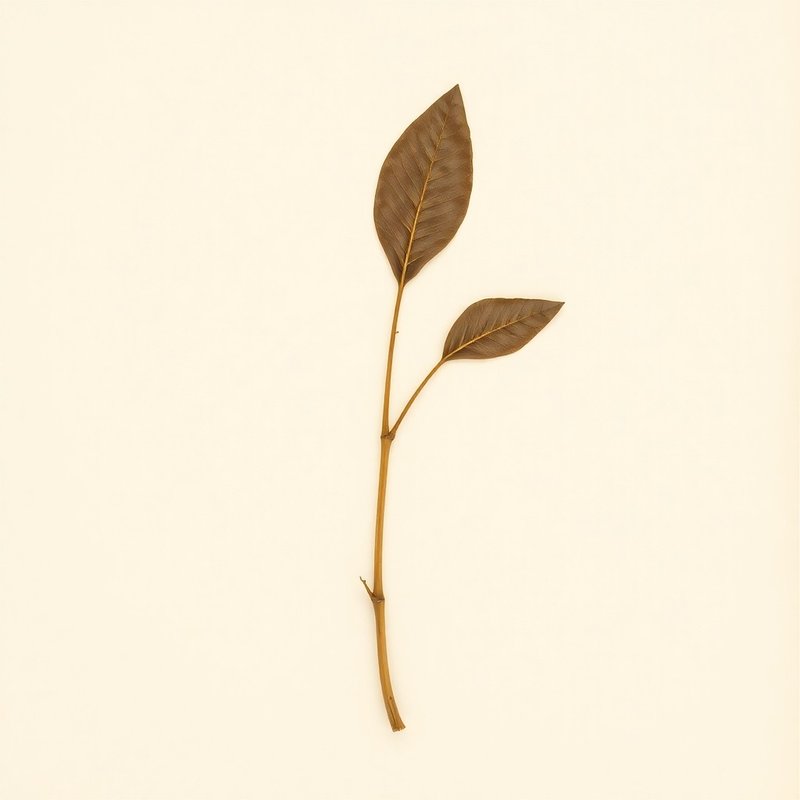
Pl. 5B6C — Maranta arundinacea
Maranta arundinaceaMaranta arundinaceaMaranta arundinaceaMaranta arundinaceaMaranta arundinaceaMaranta arundinaceaMaranta arundinaceaMaranta arundinaceaMaranta arundinaceaMaranta arundinaceaMaranta arundinaceaMaranta arundinaceaMaranta arundinaceaMaranta arundinacea
IOverview
Overview
Arrowroot, scientifically known as Maranta arundinacea, is a perennial plant native to the tropical regions of India and Central America. It thrives in moist environments with partial sun or shade and can grow up to 1 meter tall. Arrowroot is valued for its edible roots, which are commonly used in cooking due to their starchy texture. This plant belongs to the family Marantaceae and is known for its light requirement of full sun to full shade, making it adaptable to various conditions. Its distinctive feature includes arrow-shaped leaves with prominent veins, contributing to its name.
Quick answers
What is Arrowroot?
Arrowroot, scientifically known as Maranta arundinacea, is a perennial plant native to the tropical regions of India and Central America. It thrives in moist environments with partial sun or shade and can grow up to 1 meter tall.
Growingconditions · propagation · uses
VCultivation
Cultivation
Arrowroot thrives in moist, wet conditions and prefers partial sun to full shade. It grows best in light (sandy), medium, or heavy (clay) soil types. A perennial plant reaching up to 1 meter in height, it is hardy in zones 10-12. For propagation, divide the rhizomes in spring. Ensure consistent moisture for optimal growth and harvest the edible root parts when mature.
Light
Full sun, Partial sun/shade, Full shade
Water
Moist, Wet
Soil
Light (sandy), Medium, Heavy (clay)
Hardiness
10-12
Life cycle
Perennial
Mature size
1.0 m tall
For first-time growers
How to grow Arrowroot for the first time
8steps
Start with arrowroot as a simple, low-maintenance perennial for your garden.
- 1
What you'll need
Arrowroot rhizomes or seeds, potting soil, containers or garden space.
- 2
Best time to plant
Plant in spring when the last frost has passed and temperatures are warm.
- 3
Soil and container prep
Use well-draining soil with a mix of light (sandy), medium, or heavy clay. Ensure containers have drainage holes.
- 4
Sowing or transplanting
Transplant rhizomes 15-20 cm apart in the garden or pots. Plant seeds about 1 cm deep and 30 cm apart.
- 5
First two weeks
Keep soil moist but not waterlogged. Place in partial sun to avoid burning young plants.
- 6
Ongoing care
Water regularly, especially during dry spells. Provide full or partial shade to prevent leaf scorching.
- 7
Harvest or pruning
Prune dead leaves and stems to maintain plant health but wait for the first year before harvesting roots.
- 8
Common mistakes
Overwatering, planting in direct full sun, neglecting to prune, using poor soil drainage.
VIEdible & utility
Edible & utility
Edible parts:Root
Edible uses: The arrowroot plant's root is edible and can be prepared in various ways. It is often used raw or cooked, added to puddings and sauces for its thickening properties. The roots can also be dried and ground into a powder, which is then used as a flour substitute. Skip the invention of specific recipes; focus on these general uses.
Other uses:AdhesiveCosmeticGround cover
Contextrange · companions · related
VIIDistribution
29 native · 1 introduced
Distribution
29 native · 1 introducedDistribution across2 continents· 29 native· 1 introduced
Asia1 region
native (1)India
Americas18 regions
native (17)BelizeColombiaCosta RicaCubaDominican RepublicEcuadorEl SalvadorFrench GuianaGuatemalaGuyanaHaitiHondurasNicaraguaPeruPuerto RicoSurinameVenezuela
introduced (1)Bahamas
Broader regions
native:Brazil West-Central, Leeward Is., Mexico Central, Mexico Gulf, Mexico Northeast, Mexico Northwest, Mexico Southeast, Mexico Southwest, Panamá, Venezuelan Antilles, Windward Is.
IXSpecimen gallery
1 image
Specimen gallery
1 imageXI
Explore further
Companion planting
Growing zone
XII
About this entry
- Last updated
- Citation
- How to cite this entry · Submit a correction
Back to the cataloguePlant id · 5b6c9885-fa4b-4b28-a00c-1cd97a08d096
Decision aid
Choosing between Arrowroot and something else?
Continue reading
❦❦❦❦
Endpaper · archive updates
Get archive updates
Occasional email when substantial new content lands — plant profiles, seasonal growing notes, folk-remedy additions. Free, no tracking, unsubscribe anytime.