
Japanese mazus
Mazus pumilusfam. Lamiaceae
Educational content — not medical, botanical, or professional advice. Plant identification, safety, and edibility depend on local conditions, cultivars, and correct identification. Consult a qualified botanist or forager before consuming or handling wild specimens. How we source & review →
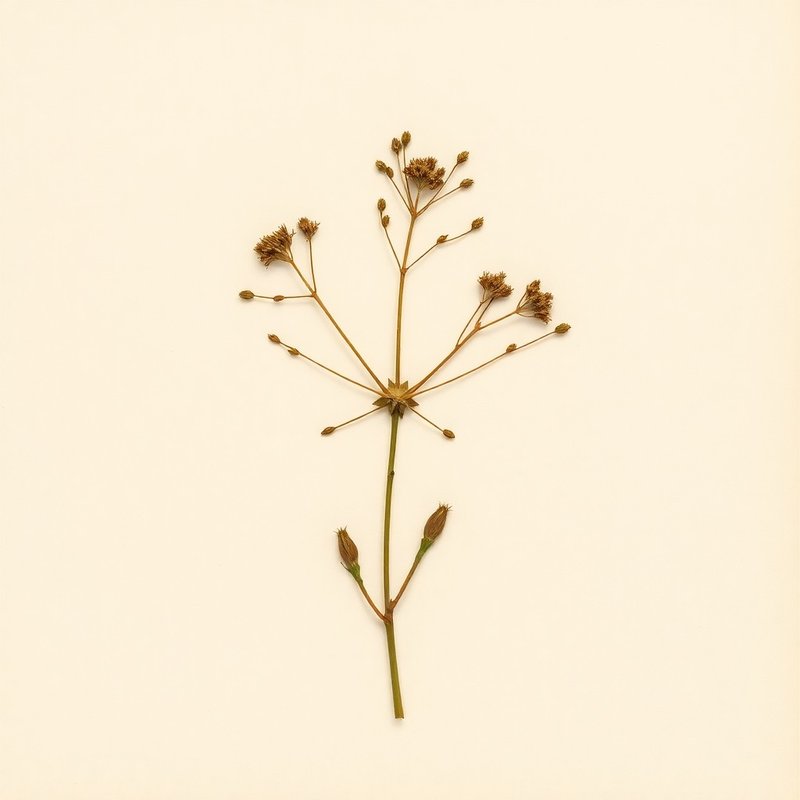
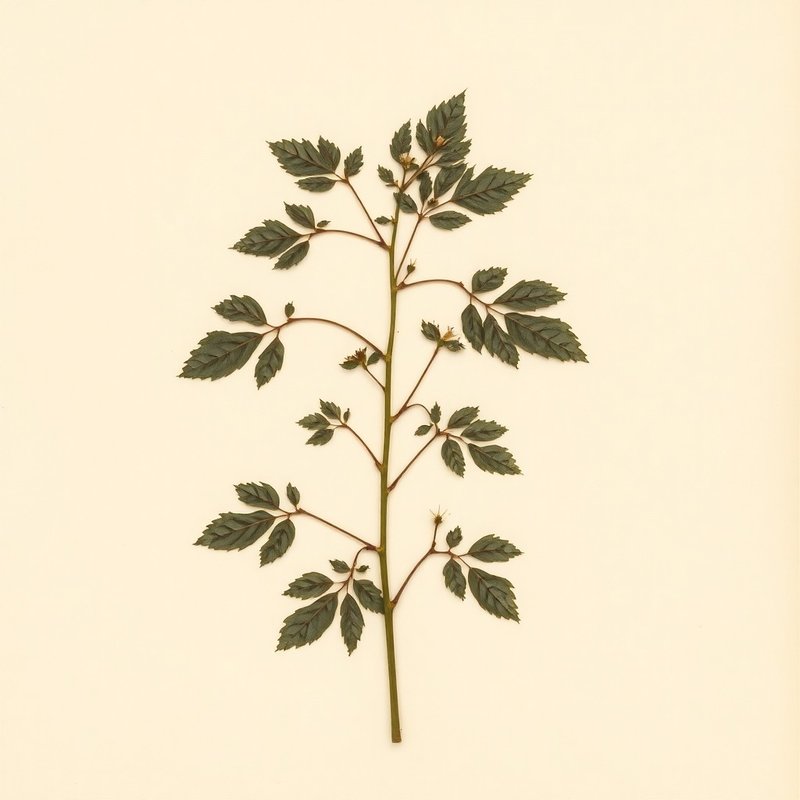
Pl. 17C1 — Mazus pumilus
Mazus pumilusMazus pumilusMazus pumilusMazus pumilusMazus pumilusMazus pumilusMazus pumilusMazus pumilusMazus pumilusMazus pumilusMazus pumilusMazus pumilusMazus pumilusMazus pumilus
IOverview
Overview
Japanese mazus, scientifically known as Mazus pumilus, is a low-growing herb that thrives in moist environments and prefers light to medium soil types. Native to regions including Afghanistan, China, India, Japan, and Vietnam, this plant is valued for its edible leaves. It can be found in various habitats across Asia, from the Altay Mountains to the Himalayas. Japanese mazus requires full sun exposure and grows up to 0.2 meters tall, making it a distinctive addition to gardens or landscapes where its light requirements and soil preferences are met.
Quick answers
What is Japanese mazus?
Japanese mazus, scientifically known as Mazus pumilus, is a low-growing herb that thrives in moist environments and prefers light to medium soil types. Native to regions including Afghanistan, China, India, Japan, and Vietnam, this plant is valued for its edible leaves.
Compare with:Adenophora divaricata→Adenophora stricta→Campanula carpatica turbinata→all comparisons →
Growingconditions · propagation · uses
VCultivation
Cultivation
Japanese mazus thrives in full sun and prefers moist soil that is light (sandy), medium, or heavy (clay). It grows to a height of 0.2 meters as an annual forb/herb. For best results, ensure the soil remains consistently moist while providing ample sunlight. While hardiness information isn't provided, it is native to temperate regions and can be propagated by seeds. Leaves are edible parts that can be harvested for use.
Light
Full sun
Water
Moist
Soil
Light (sandy), Medium, Heavy (clay)
Life cycle
Annual
Habit
Forb/herb
Mature size
0.2 m tall
For first-time growers
How to grow Japanese mazus for the first time
8steps
Start with Japanese mazus as a simple, low-maintenance addition to your garden.
- 1
What you'll need
Seeds or seedlings, small pots for starting seeds, a sunny spot in the garden.
- 2
Best time to plant
Plant in spring after the last frost, or start seeds indoors about 4 weeks before planting out.
- 3
Soil and container prep
Use well-draining soil with some sand for better aeration. Ensure containers have drainage holes.
- 4
Sowing or transplanting
Start seeds indoors in small pots, then transplant seedlings to the garden after they grow 2-3 leaves.
- 5
First two weeks
Water regularly to keep soil moist but not waterlogged. Protect from strong sun until established.
- 6
Ongoing care
Water when the top inch of soil feels dry, especially in hot weather. Mulch around plants for moisture retention.
- 7
Harvest or pruning
Prune back after flowering to encourage new growth and prevent legginess.
- 8
Common mistakes
Overwatering, planting in heavy soil, not providing enough sunlight, neglecting to prune.
VIEdible & utility
Edible & utility
Edible parts:Leaves
Edible uses: The leaves of Japanese mazus are edible and can be consumed fresh or cooked. They are often used in salads for their light, tender texture. Skip the raw preparation if you prefer a more robust flavor; steaming or stir-frying enhances their natural taste.
Contextrange · companions · related
VIIDistribution
30 native · 0 introduced
Distribution
30 native · 0 introducedDistribution across1 continent· 30 native
Asia15 regions
native (15)BangladeshCambodiaChinaIndiaJapanLaosMyanmarNepalPakistanPhilippinesSouth KoreaSri LankaTaiwanThailandVietnam
Broader regions
native:New Guinea, Nansei-shoto, Primorye, Tadzhikistan, Altay, Amur, East Himalaya, Hainan, Jawa, Khabarovsk
IXSpecimen gallery
1 image
Specimen gallery
1 imageXSee also
8 related
See also
8 relatedPlants you might compare or use together — scored by shared family (Lamiaceae), common use cases, and growing requirements.
same family · Lamiaceae
Botanical relatives — often share phytochemistry + growing needs.
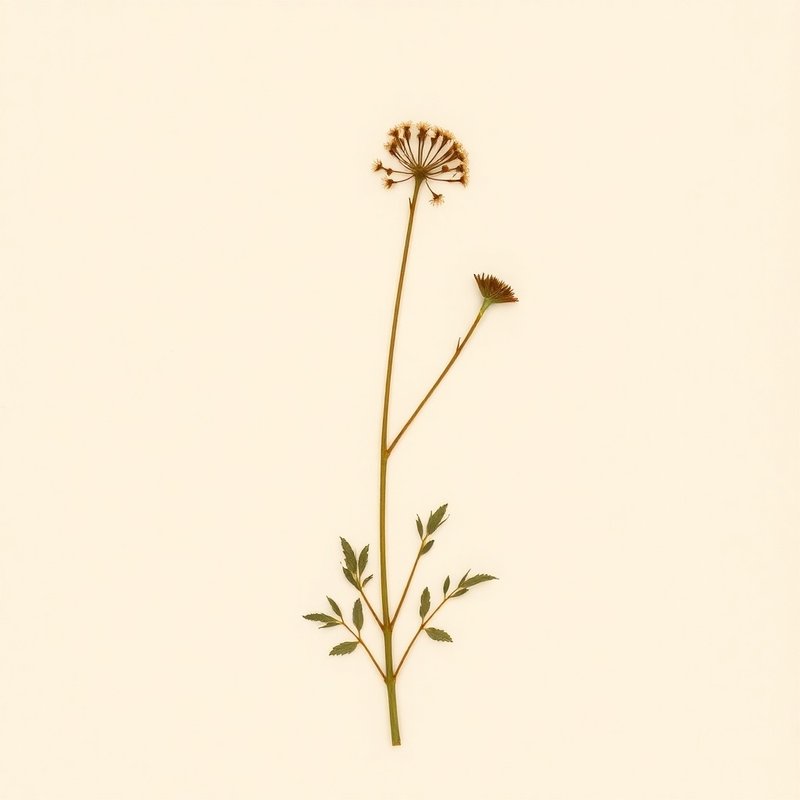
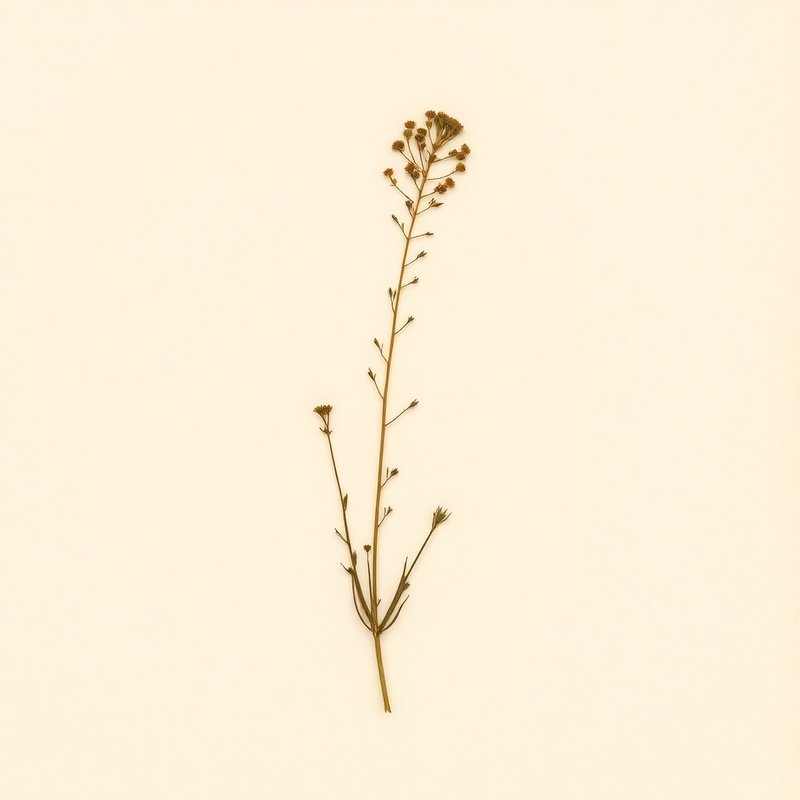
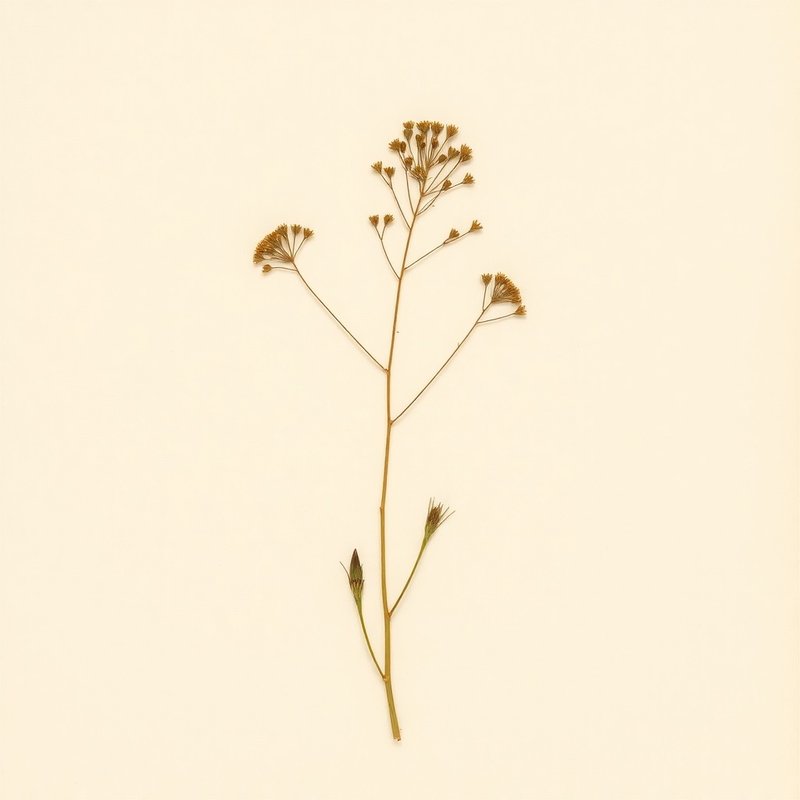
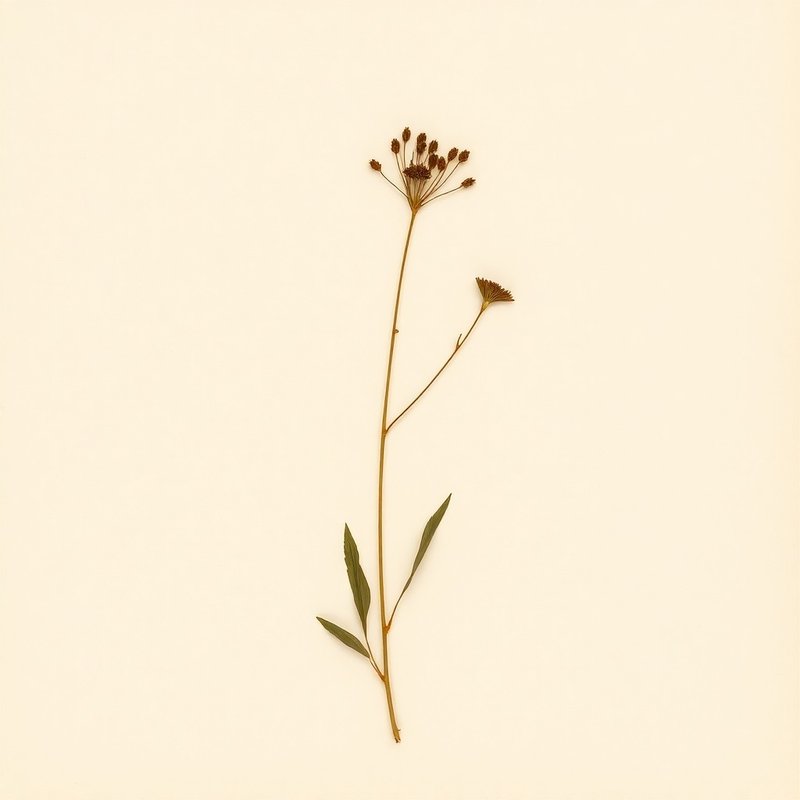
XI
Explore further
Companion planting
Compare with similar plants
XII
About this entry
- Last updated
- Citation
- How to cite this entry · Submit a correction
Back to the cataloguePlant id · 17c1ce7a-7189-4bd0-922b-fcb5bc5cd152
Decision aid
Choosing between Japanese mazus and something else?
Continue reading
❦❦❦❦
Endpaper · archive updates
Get archive updates
Occasional email when substantial new content lands — plant profiles, seasonal growing notes, folk-remedy additions. Free, no tracking, unsubscribe anytime.