
Mamoncillo
IOverview
Overview
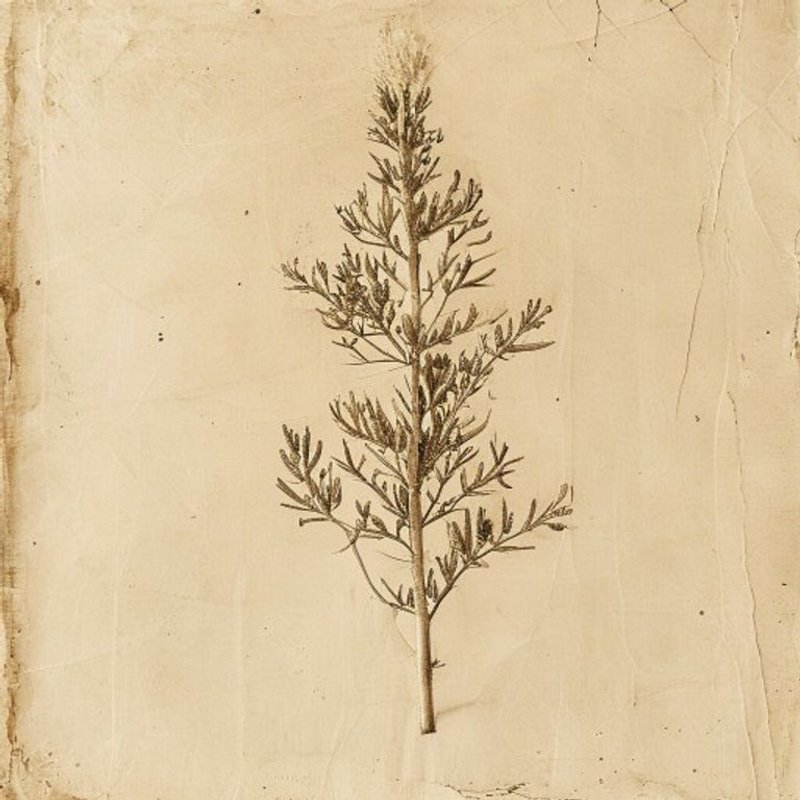
Mamoncillo (Melicoccus bijugatus), a member of the Sapindaceae family, is a tall tree native to Colombia and Venezuela. This tree can grow up to 18 meters in height and thrives in full sun to partial shade. It is adaptable to various soil types, including light (sandy), medium, and heavy (clay) soils, with a preference for well-drained soil with a pH between 4 and 7.5, making it hardy in zones 9-12. The mamoncillo is known for its edible fruit and seeds, which can be enjoyed directly from the tree. This versatile plant is also found in introduced regions such as the Bahamas, Cayman Islands, and various Caribbean countries, including Cuba, Dominican Republic, and Puerto Rico. Its ability to grow in both dry and moist conditions makes it a suitable choice for different environments. While primarily grown for its fruit and seeds, the mamoncillo can also be appreciated for its ornamental value, adding a tall, elegant presence to gardens and landscapes.
What is Mamoncillo?
Mamoncillo (Melicoccus bijugatus), a member of the Sapindaceae family, is a tall tree native to Colombia and Venezuela. This tree can grow up to 18 meters in height and thrives in full sun to partial shade.
VCultivation
Cultivation
How to grow Mamoncillo for the first time
Start with a simple, sunny spot and basic care for your Mamoncillo tree.
- 1
What you'll need
A young Mamoncillo sapling, well-draining soil, and a large pot or garden space.
- 2
Best time to plant
Plant in spring when the last frost has passed.
- 3
Soil and container prep
Ensure the soil is light (sandy), medium, or heavy with a pH between 4 and 7.5. For containers, use a pot at least 1 meter wide and deep.
- 4
Sowing or transplanting
Transplant your sapling to its permanent spot or a large container filled with well-draining soil.
- 5
First two weeks
Water regularly, keeping the soil moist but not waterlogged. Place in partial shade for a few days to acclimate.
- 6
Ongoing care
Provide full sun once established. Water when dry and fertilize lightly during spring and summer.
- 7
Harvest or pruning
Prune after fruiting to maintain shape and remove dead branches. Harvest fruits when they turn yellow.
VIEdible & utility
Edible & utility
VIIDistribution
2 native · 21 introduced
Distribution
2 native · 21 introducedIXSpecimen gallery
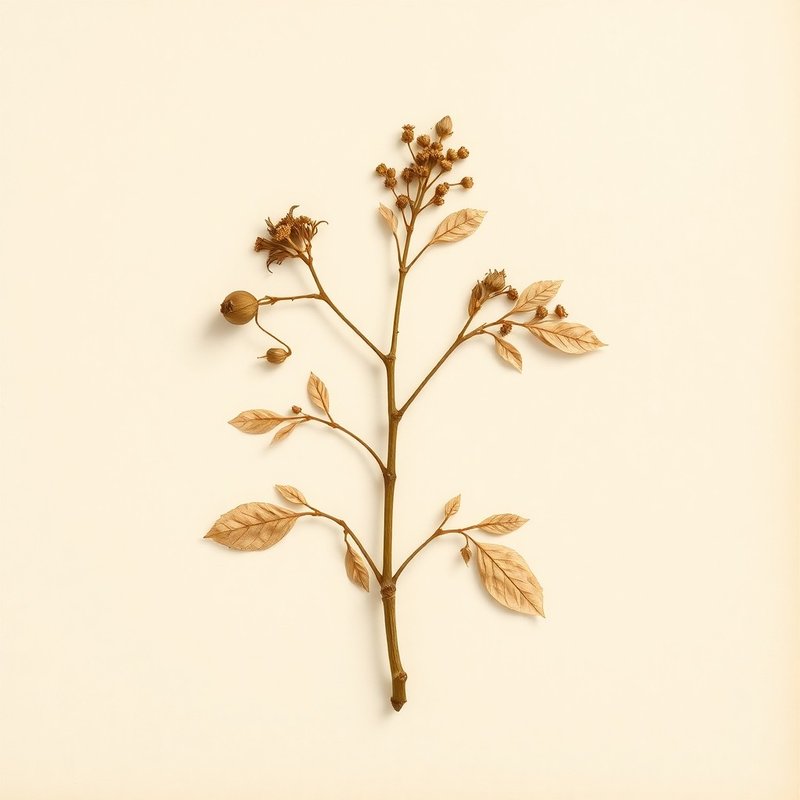
1 image
Specimen gallery
1 imageXSee also
8 related
See also
8 relatedPlants you might compare or use together — scored by shared family (Sapindaceae), common use cases, and growing requirements.

Explore further
About this entry
- Last updated
- Citation
- How to cite this entry · Submit a correction
Continue reading
Get archive updates
Occasional email when substantial new content lands — plant profiles, seasonal growing notes, folk-remedy additions. Free, no tracking, unsubscribe anytime.