
Round-Leaved Mint
Mentha suaveolens
Educational content — not medical, botanical, or professional advice. Always consult a qualified clinician before using any herbal preparation — especially during pregnancy, breastfeeding, while on medication, or for children. How we source & review →
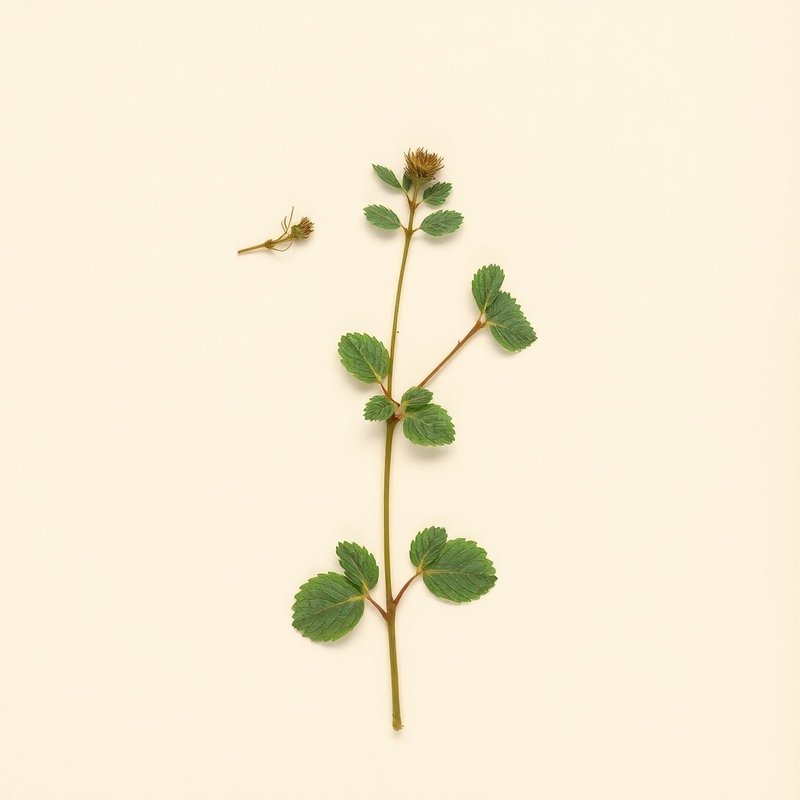
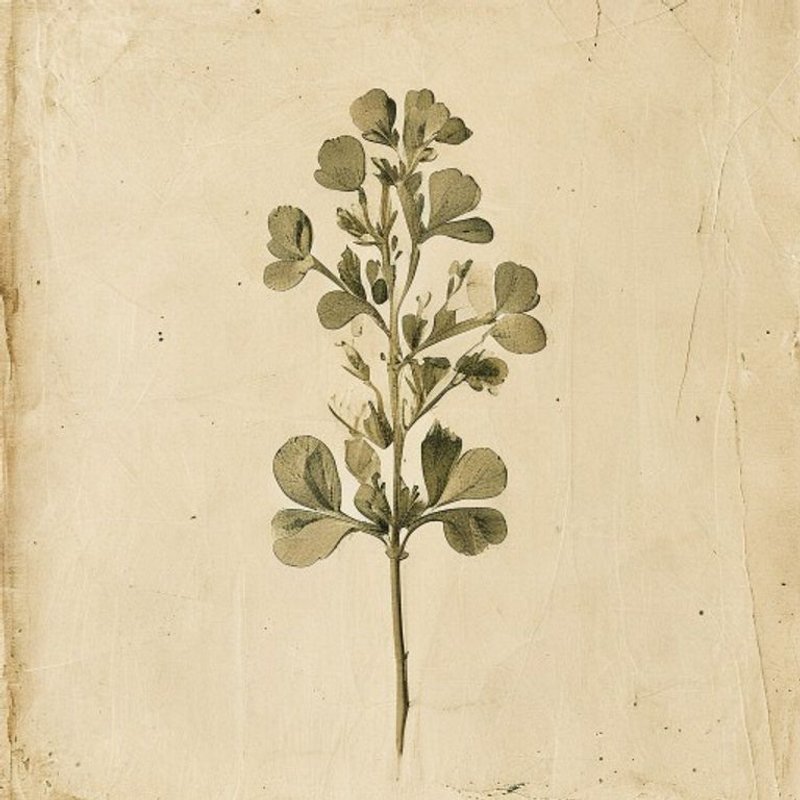
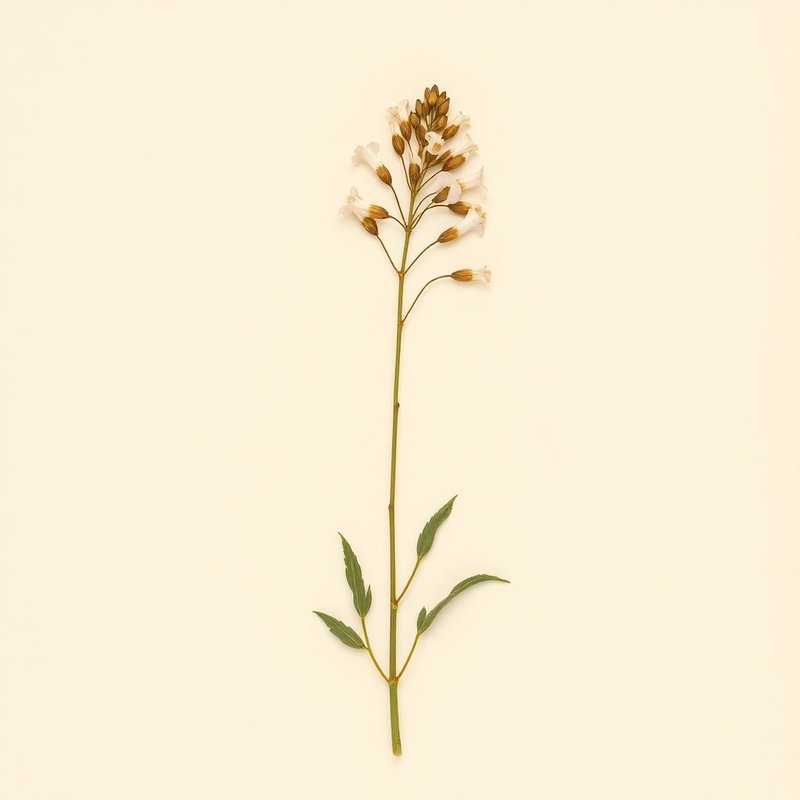
Pl. 9030 — Mentha suaveolens
Mentha suaveolensMentha suaveolensMentha suaveolensMentha suaveolensMentha suaveolensMentha suaveolensMentha suaveolensMentha suaveolensMentha suaveolensMentha suaveolensMentha suaveolensMentha suaveolensMentha suaveolensMentha suaveolens
IOverview
Overview
Round-Leaved Mint (Mentha suaveolens) is a perennial herb native to regions including Algeria, Azores, Baleares, Belgium, Bulgaria, and other parts of Europe and North Africa. It thrives in moist, light to heavy soil with a pH between 6.5 and 7, making it adaptable but preferring well-drained conditions. Known for its edible leaves, this mint is also notable for its ornamental value, adding a light, pleasant aroma to gardens. Its distinctive feature lies in its ability to grow up to 1 meter tall, contributing to its presence as both an herb and an attractive plant in various landscapes.
Quick answers
What is Round-Leaved Mint?
Round-Leaved Mint (Mentha suaveolens) is a perennial herb native to regions including Algeria, Azores, Baleares, Belgium, Bulgaria, and other parts of Europe and North Africa. It thrives in moist, light to heavy soil with a pH between 6.5 and 7, making it adaptable but preferring well-drained conditions.
What is Round-Leaved Mint used for?
Traditionally used for stress & anxiety, digestion. Each claim is evidence-rated — see Section II for full citations.
Best for
Top 2 evidence-ranked uses of Round-Leaved Mint
Clinicaluses · safety · chemistry · dosagemedicinal profile
IIBenefits & evidence
2 claims · 0 sources
Benefits & evidence
2 claims · 0 sources- Traditional-use note: Round-Leaved Mint appears in herbal sources around calming and relaxation traditions, often as a tea. PlantSage presents this as ethnobotanical context, not as medical advice.
Traditional context only. This reviewed claim keeps the original moderate confidence level, but avoids treatment, disease, dosage, or guaranteed-effect language.
- Round-Leaved Mint is traditionally used in herbal remedies to support digestion and relieve mild digestive discomfort, often consumed as a tea after meals.
The carminative properties of compounds like menthol are thought to relax the smooth muscles of the gastrointestinal tract, though specific mechanisms are not fully characterised.
IV·bMixology suggestions
1 draft
Mixology suggestions
1 draftEditorial drafts. These pairings are AI-suggested from traditional herbal lore. Always verify with a qualified herbalist before brewing.
Round-Leaved Mint support blend
generaltea
AI returned a direct ingredient list; normalized into one draft blend for editorial review.
Growingconditions · propagation · uses
VCultivation
Cultivation
Round-Leaved Mint thrives in moist conditions and prefers light (sandy), medium, or heavy (clay) soils. It is hardy in temperate regions with a range of zones from 5 to 10. This perennial herb grows up to 1 meter tall and requires full sun to partial shade. For best results, plant it in soil with a pH between 6.5 and 7. Propagate through division or cuttings for easy expansion in the garden. Harvest its edible leaves throughout the growing season for use in culinary applications.
Light
8/10
Water
Moist
Soil
Light (sandy), Medium, Heavy (clay)
Hardiness
5-10
Life cycle
Perennial
Habit
Forb/herb
Mature size
1.0 m tall
Soil pH
6.5–7
For first-time growers
How to grow Round-Leaved Mint for the first time
8steps
Round-Leaved Mint is a hardy perennial that's easy to grow for beginners, making it perfect for your first gardening project.
- 1
What you'll need
A small pot or garden bed, seeds or young plants, and some basic tools like a trowel.
- 2
Best time to plant
Plant Round-Leaved Mint in spring after the last frost or in early fall for best results.
- 3
Soil and container prep
Ensure your soil is well-draining, with a pH between 6.5 and 7. Amend sandy or clay soils to improve drainage.
- 4
Sowing or transplanting
Direct sow seeds in the garden after danger of frost has passed, or start them indoors about 4 weeks before planting out.
- 5
First two weeks
Keep the soil consistently moist and provide partial shade to help young plants establish.
- 6
Ongoing care
Water regularly, especially during dry spells. Prune back after flowering to encourage new growth and prevent legginess.
- 7
Harvest or pruning
Prune the plant in early spring before new growth starts to maintain its shape and promote healthy foliage.
- 8
Common mistakes
Overwatering, planting in heavy soil without drainage, and not providing enough sunlight are common pitfalls for beginners.
VIEdible & utility
Edible & utility
Edible parts:Leaves
Edible uses: Condiment, Tea
Other uses:Essential OilStrewingFragrance
Contextrange · companions · related
VIIDistribution
24 native · 6 introduced
Distribution
24 native · 6 introducedDistribution across4 continents· 24 native· 6 introduced
Europe13 regions
native (11)BelgiumBulgariaFranceGermanyGreeceItalyNetherlandsPortugalSpainSwitzerlandUnited Kingdom
introduced (2)AustriaBelarus
Asia1 region
native (1)Turkey
Americas1 region
introduced (1)Colombia
Africa4 regions
native (3)AlgeriaMoroccoTunisia
introduced (1)Comoros
Broader regions
native:East Aegean Is., Turkey-in-Europe
introduced:California, Chile North
IXSpecimen gallery
1 image
Specimen gallery
1 imageXSee also
8 related
See also
8 relatedPlants you might compare or use together — scored by shared family, common use cases, and growing requirements.
shared use cases
Different families, similar therapeutic role — good for comparing.
XI
Explore further
Companion planting
Health goals
Compare with similar plants
Growing zone
XII
About this entry
- Last updated
- Citation
- How to cite this entry · Submit a correction
Back to the cataloguePlant id · 9030047e-204d-41f3-a183-d0c07efc3051
Decision aid
Choosing between Round-Leaved Mint and something else?
Continue reading
❦❦❦❦
Endpaper · archive updates
Get archive updates
Occasional email when substantial new content lands — plant profiles, seasonal growing notes, folk-remedy additions. Free, no tracking, unsubscribe anytime.