
Microseris scapigera
IOverview
Overview
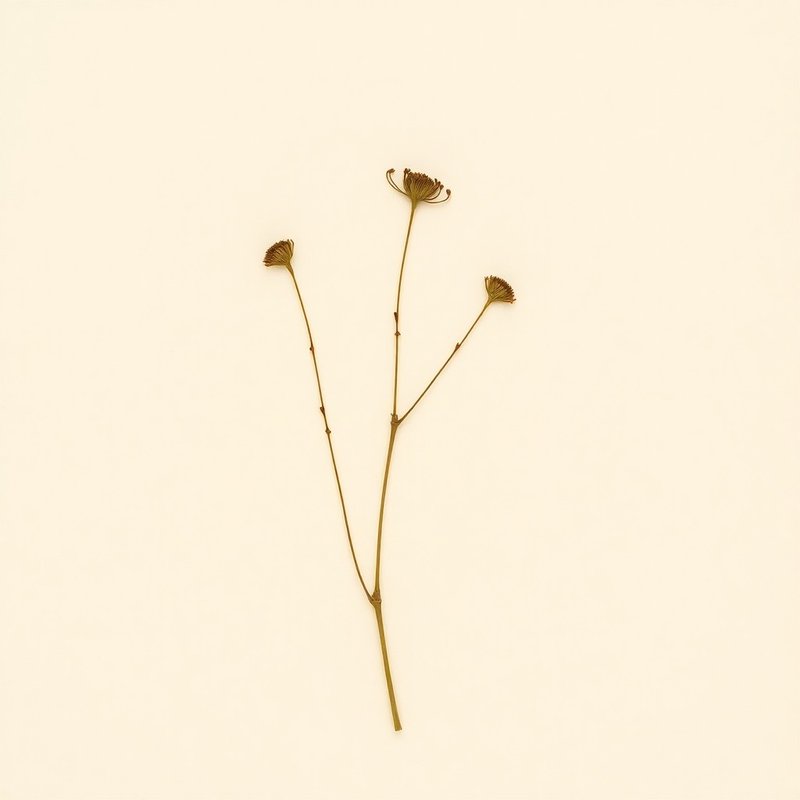
Microseris scapigera, a member of the Asteraceae family, is a perennial plant native to the southern regions of New Zealand, Tasmania, and Victoria. This plant thrives in full sun and prefers moist, well-drained soil that can range from light (sandy) to heavy (clay). Growing to a height of about 0.3 meters, Microseris scapigera is both edible and medicinal, making it a versatile addition to gardens or natural settings. The root of Microseris scapigera is the part used for consumption. It can be prepared in various ways, typically by digging up the plant and either eating it raw or cooking it to enhance its flavor. This plant's adaptability to different soil types makes it a practical choice for cultivation, offering ornamental value while serving as a resource for traditional medicine and as an edible plant. While Microseris scapigera has medicinal properties, it is important to use it with caution and under the guidance of a healthcare professional.
What is Microseris scapigera?
Microseris scapigera, a member of the Asteraceae family, is a perennial plant native to the southern regions of New Zealand, Tasmania, and Victoria. This plant thrives in full sun and prefers moist, well-drained soil that can range from light (sandy) to heavy (clay).
IV·bMixology suggestions
1 draft
Mixology suggestions
1 draftVCultivation
Cultivation
How to grow Microseris scapigera for the first time
Start with Skip by ensuring you have the right conditions and care, making it a simple project for beginners.
- 1
What you'll need
A small pot or garden bed, seeds or young plants, good quality soil.
- 2
Best time to plant
Plant Skip in spring when the weather starts warming up.
- 3
Soil and container prep
Use a well-draining mix with some sand for better aeration. Ensure containers have drainage holes.
- 4
Sowing or transplanting
Direct sow seeds into the soil, covering them lightly. Alternatively, plant young Skip in your garden bed.
- 5
First two weeks
Keep the soil moist and provide light shade if necessary to help seedlings establish.
- 6
Ongoing care
Water regularly but avoid overwatering. Provide full sun for best growth.
- 7
Harvest or pruning
Prune dead leaves and spent flowers to encourage new growth and maintain the plant's health.
- 8
Common mistakes
Overwatering, planting in heavy soil without drainage, not providing enough sunlight.
VIEdible & utility
Edible & utility
VIIDistribution
3 native · 0 introduced
Distribution
3 native · 0 introducedIXSpecimen gallery
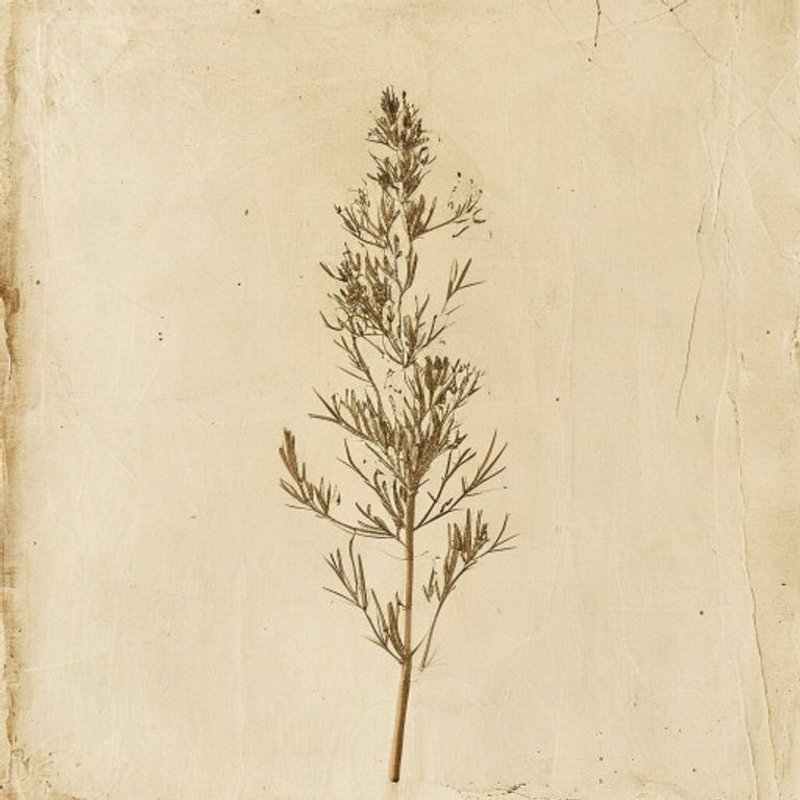
1 image
Specimen gallery
1 imageXSee also
8 related
See also
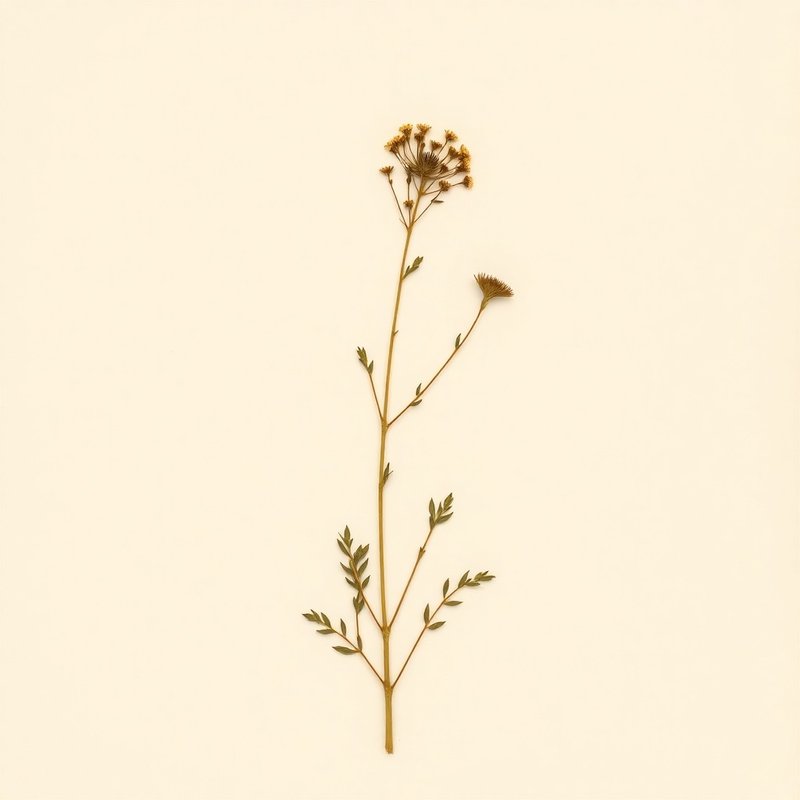
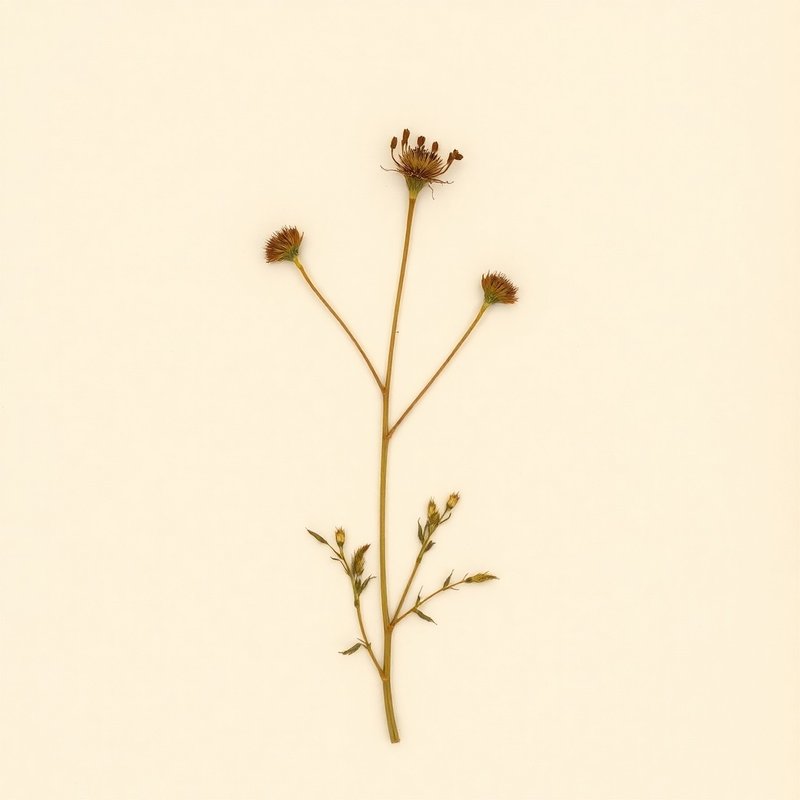
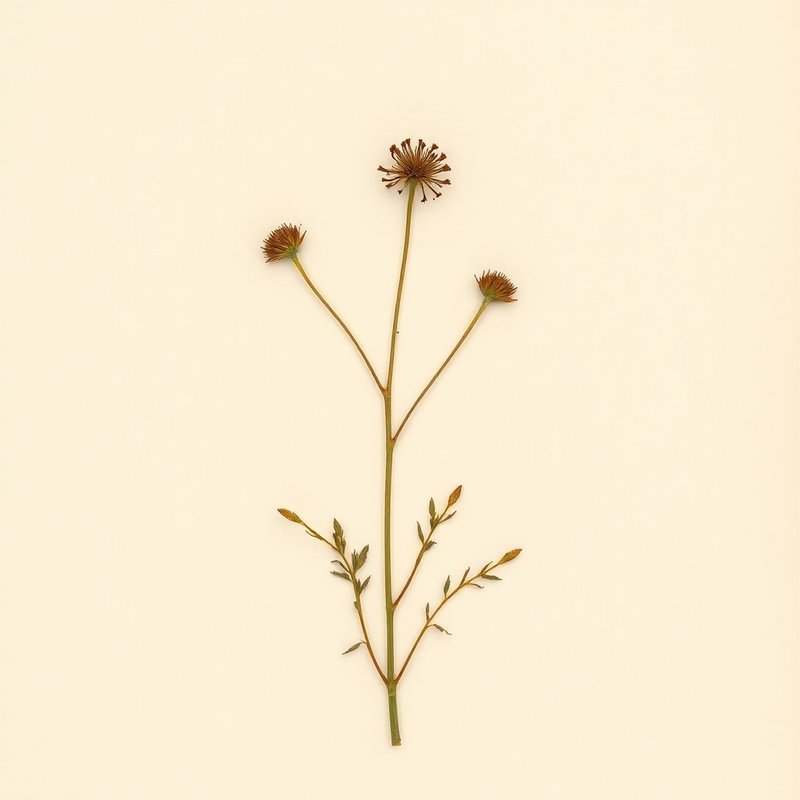
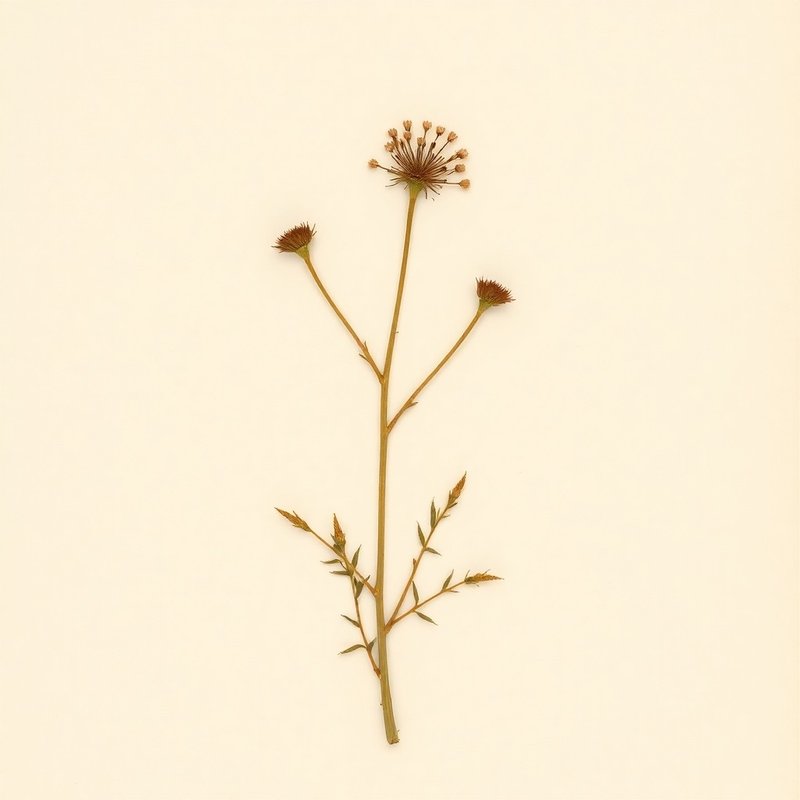
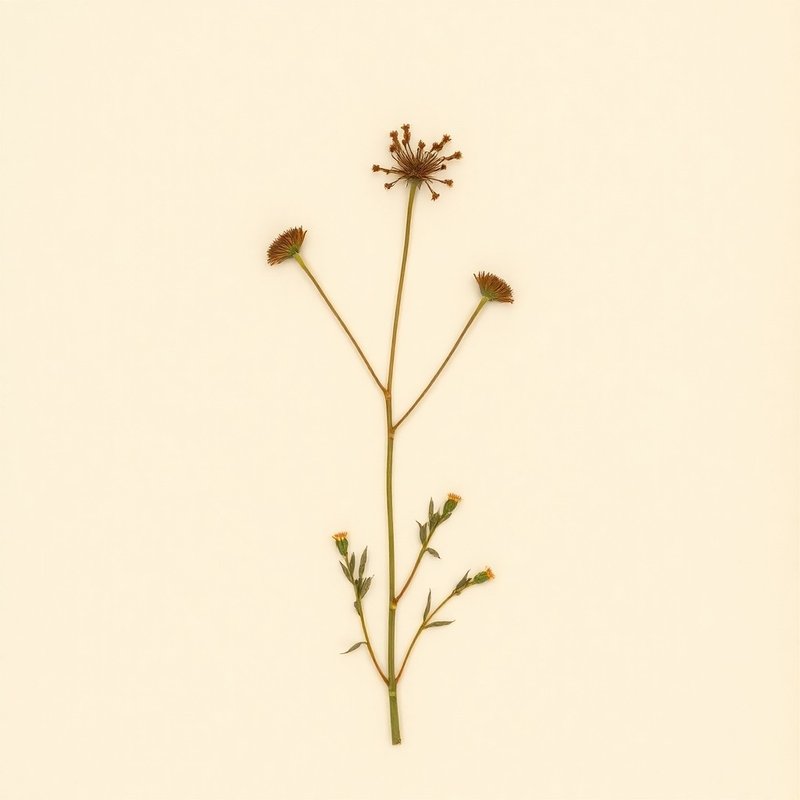
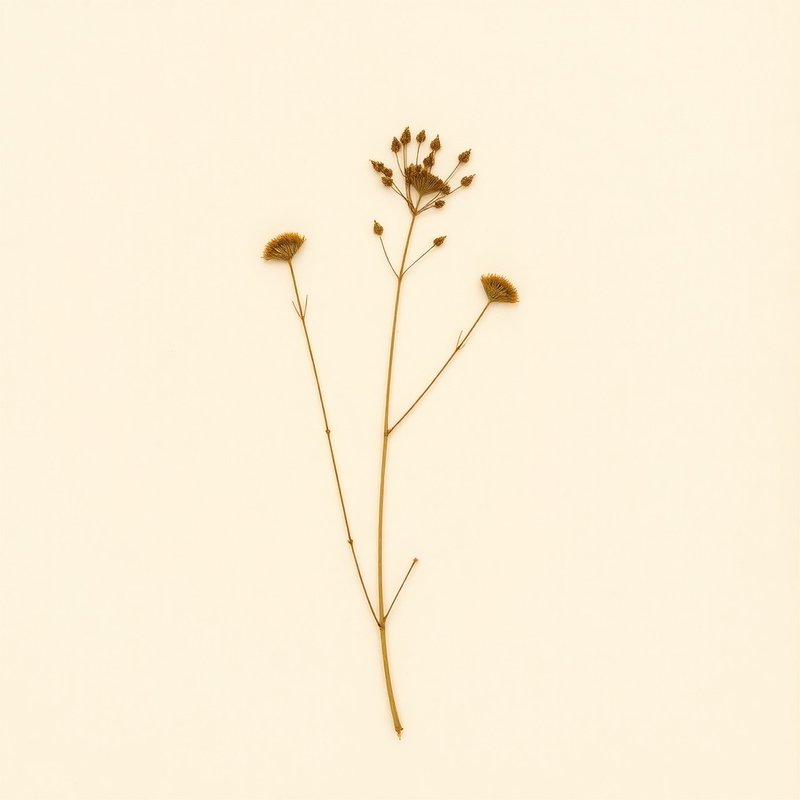
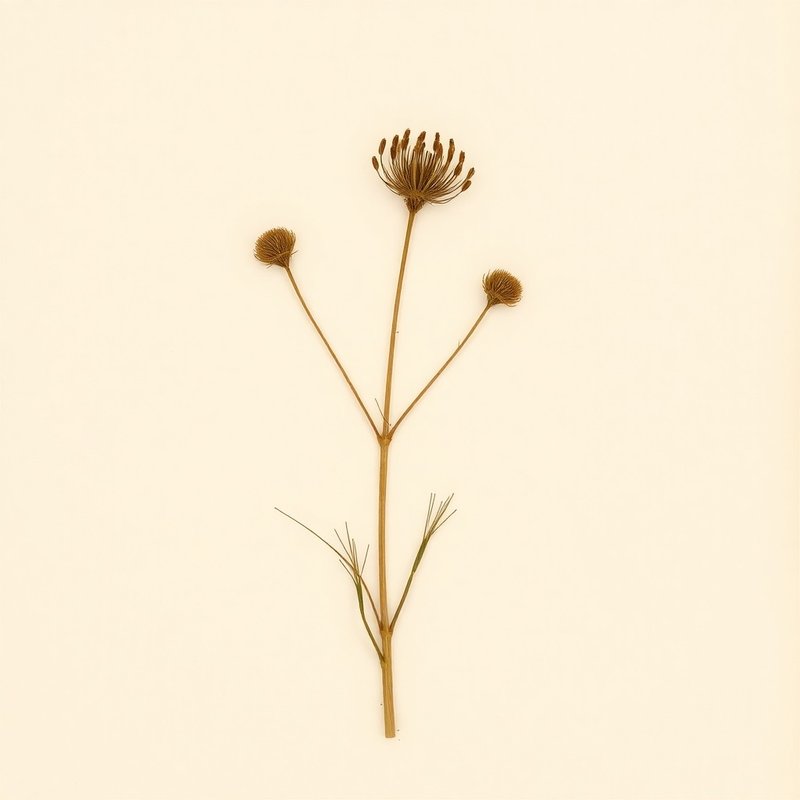
8 relatedPlants you might compare or use together — scored by shared family (Asteraceae), common use cases, and growing requirements.
Explore further
About this entry
- Last updated
- Citation
- How to cite this entry · Submit a correction
Continue reading
Get archive updates
Occasional email when substantial new content lands — plant profiles, seasonal growing notes, folk-remedy additions. Free, no tracking, unsubscribe anytime.