
White Mulberry
Morus alba multicaulis
Educational content — not medical, botanical, or professional advice. Always consult a qualified clinician before using any herbal preparation — especially during pregnancy, breastfeeding, while on medication, or for children. How we source & review →

Pl. AC6D — Morus alba multicaulis
Morus alba multicaulisMorus alba multicaulisMorus alba multicaulisMorus alba multicaulisMorus alba multicaulisMorus alba multicaulisMorus alba multicaulisMorus alba multicaulisMorus alba multicaulisMorus alba multicaulisMorus alba multicaulisMorus alba multicaulisMorus alba multicaulisMorus alba multicaulis
IOverview
Overview
White Mulberry (Morus alba multicaulis) is a deciduous tree native to China's north-central and south-central regions. Known for its light woodiness and moisture preference, it thrives in well-drained soils ranging from sandy to clay with a pH between 5 and 7. This versatile plant can grow up to 18 meters tall and 4.5 meters wide, making it an attractive ornamental choice. Its leaves are not frost-resistant, limiting its hardiness to zones 4-8. White Mulberry is valued for its edible fruit, inner bark, leaves, and shoots, contributing to both culinary and traditional uses in its native habitat.
Quick answers
What is White Mulberry?
White Mulberry (Morus alba multicaulis) is a deciduous tree native to China's north-central and south-central regions. Known for its light woodiness and moisture preference, it thrives in well-drained soils ranging from sandy to clay with a pH between 5 and 7.
What is White Mulberry used for?
Traditionally used for immune support, digestion. Each claim is evidence-rated — see Section II for full citations.
Best for
Top 2 evidence-ranked uses of White Mulberry
Clinicaluses · safety · chemistry · dosagemedicinal profile
IIBenefits & evidence
2 claims · 0 sources
Benefits & evidence
2 claims · 0 sources- White Mulberry has been traditionally used in Chinese medicine to support immune health, often prepared as a decoction. Its use is based on the belief that it can help maintain overall well-being during seasonal changes.
The mechanism by which White Mulberry supports immune function is not fully characterised but may involve antioxidant and anti-inflammatory compounds such as flavonoids and phenolic acids.
- White Mulberry is traditionally used in Chinese medicine to aid digestion, often consumed as a tea or decoction. It may help alleviate digestive discomfort and promote healthy gut function.
The mechanism by which White Mulberry aids digestion is not fully characterised but may involve the presence of dietary fibre and other bioactive compounds that support gastrointestinal health.
Growingconditions · propagation · uses
VCultivation
Cultivation
White Mulberry thrives in moist, well-drained soils of types light (sandy), medium, and heavy (clay). It prefers a pH range of 5 to 7 and requires partial to full sunlight. Hardy in zones 4-8, this plant is best suited for temperate regions. For cultivation, ensure the soil remains consistently moist but not waterlogged. Propagation can be done through cuttings or seeds. The fruit, inner bark, leaves, and shoots are all edible parts of the White Mulberry.
Light
7/10
Water
Moist
Soil
Light (sandy), Medium, Heavy (clay)
Hardiness
4-8
Habit
Tree, Shrub
Mature size
18.0 m × 4.5 m
Soil pH
5–7
Seasonal calendar
Northern hemisphere · UTC month is September
winterspringsummerautumnwinter
BloomJFMAMJJASOND
For first-time growers
How to grow White Mulberry for the first time
8steps
Start with planting White Mulberry in a well-prepared soil and follow basic care instructions for the first two years.
- 1
What you'll need
Seeds or young plants, garden gloves, trowel.
- 2
Best time to plant
Plant in spring after the last frost or in fall before the first freeze.
- 3
Soil and container prep
Choose a location with moist, light (sandy), medium, or heavy soil. Ensure good drainage and full sun exposure.
- 4
Sowing or transplanting
Direct sow seeds in early spring or start them indoors 6-8 weeks before the last frost. Transplant young plants after danger of frost has passed.
- 5
First two weeks
Water regularly to keep soil moist but not waterlogged. Monitor for pests and diseases.
- 6
Ongoing care
Provide regular watering, especially during dry periods. Fertilize once a year in early spring with compost or well-rotted manure.
- 7
Harvest or pruning
Prune in late winter to maintain shape and remove dead branches. Harvest leaves for silkworms or shoots for eating in early spring.
- 8
Common mistakes
Overwatering, planting too deep, neglecting regular pruning, not providing enough sunlight.
VIEdible & utility
Edible & utility
Edible parts:FruitInner barkLeavesShoots
Edible uses: The white mulberry is edible and its fruit, inner bark, leaves, and shoots can be consumed. The fruit is typically eaten fresh or dried. Young shoots and leaves are often used in cooking, either raw or cooked. Inner bark is sometimes prepared as a tea.
Other uses:DyeFiberLumber
Contextrange · companions · related
VIIDistribution
2 native · 28 introduced
Distribution
2 native · 28 introducedDistribution across4 continents· 2 native· 28 introduced
Europe6 regions
introduced (6)AlbaniaAustriaBulgariaCyprusDenmarkSpain
Asia6 regions
native (1)China
introduced (5)AfghanistanBangladeshCambodiaChinaIndia
Americas2 regions
introduced (2)ColombiaCosta Rica
Africa2 regions
introduced (2)AlgeriaCameroon
Broader regions
introduced:Argentina Northeast, Arkansas, Buryatiya, Argentina Northwest, Cape Provinces, Central African Repu, Chagos Archipelago, Colorado, Alabama, Czechoslovakia, Delaware, District of Columbia, East Aegean Is.
IXSpecimen gallery
1 image
Specimen gallery
1 imageXSee also
8 related
See also
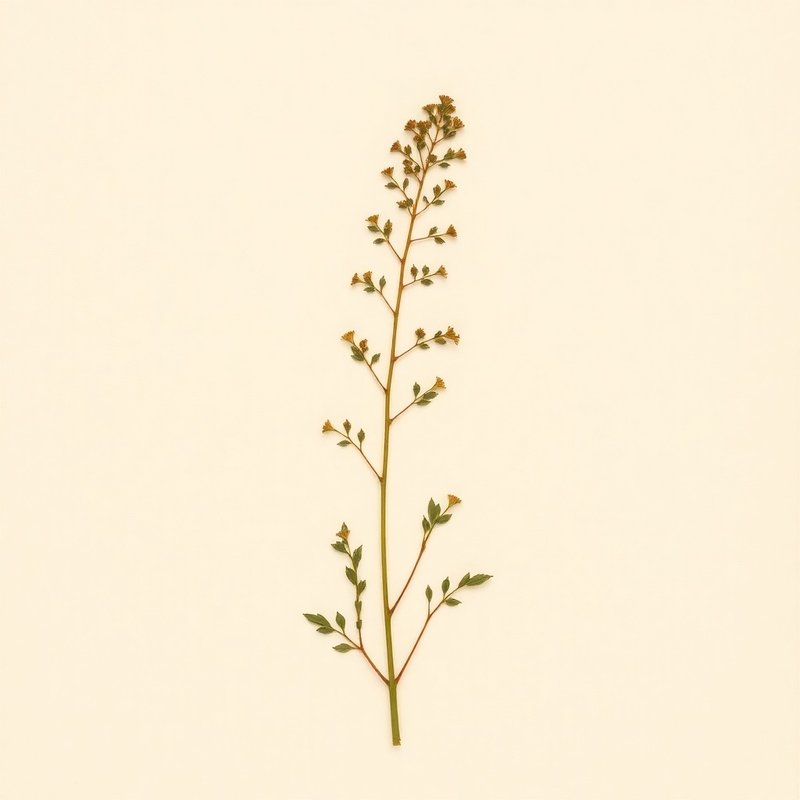
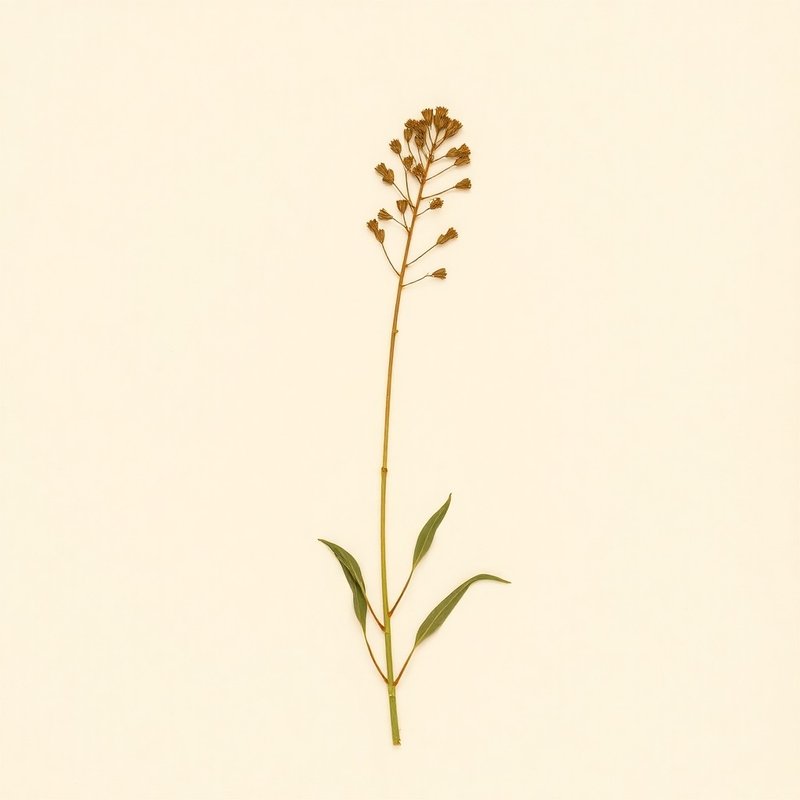
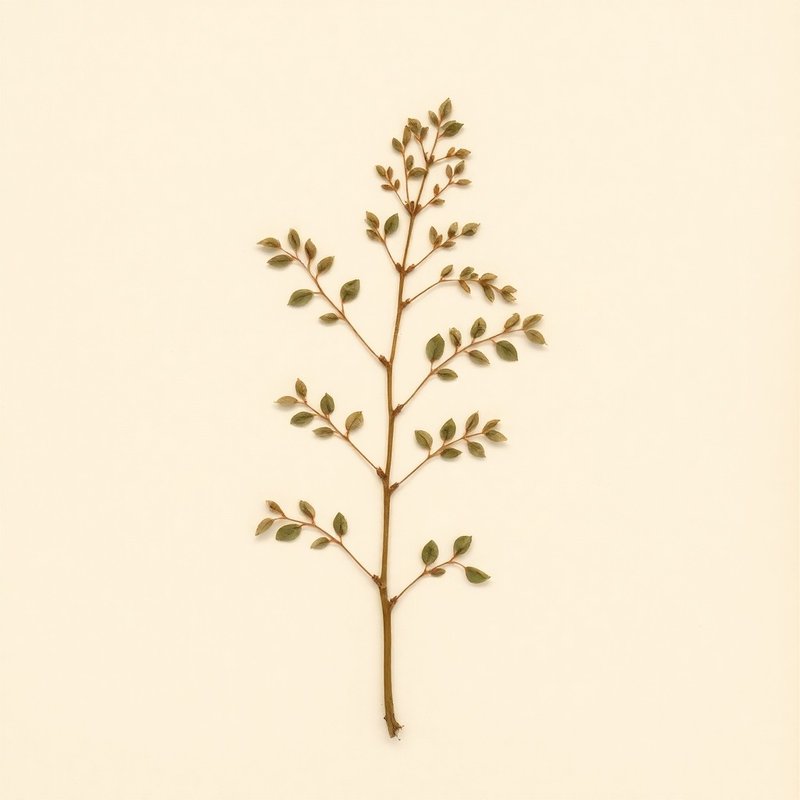
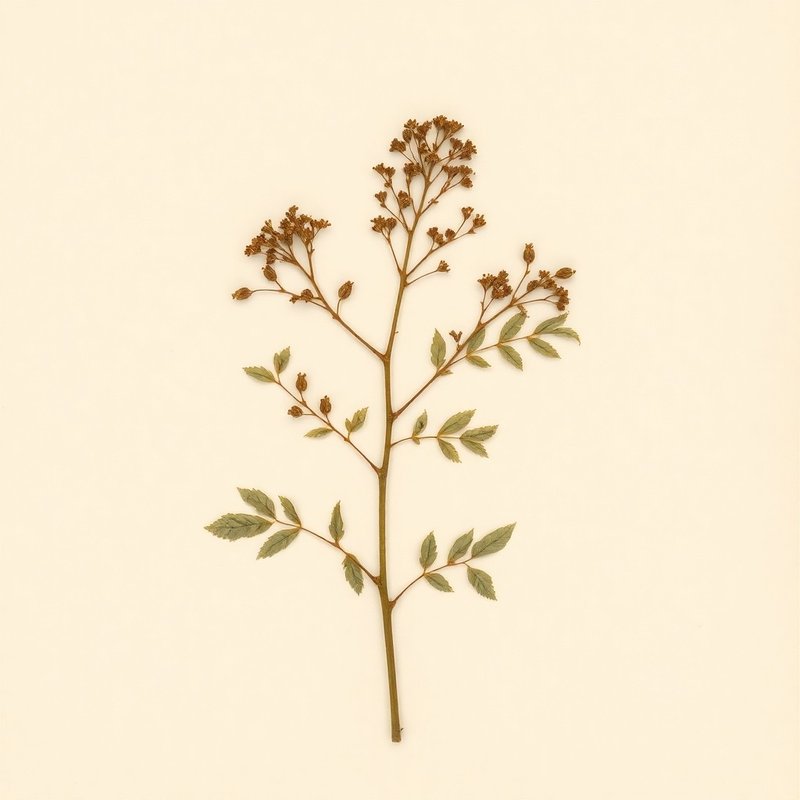
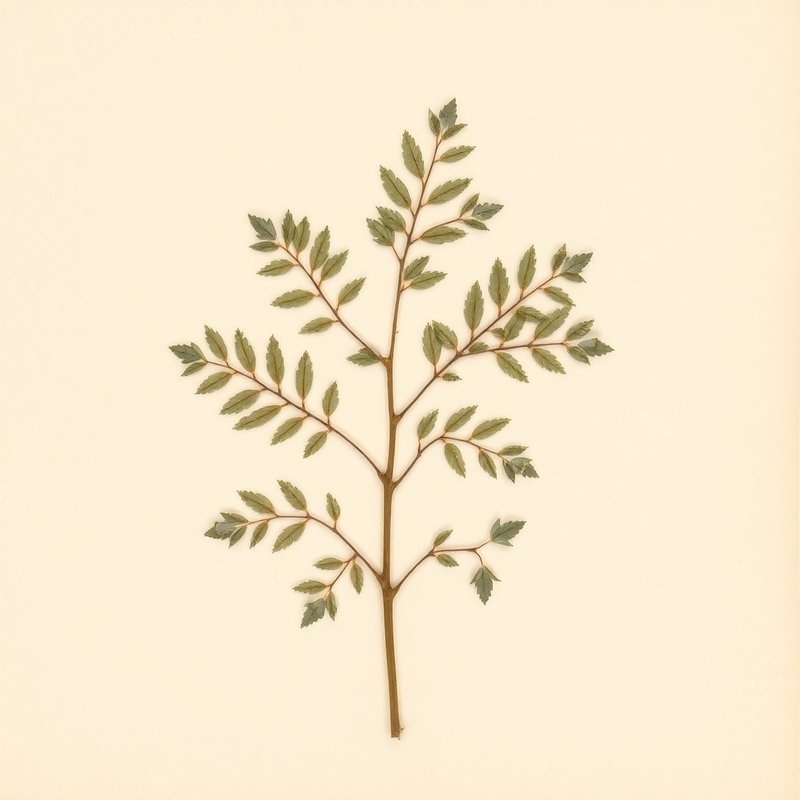
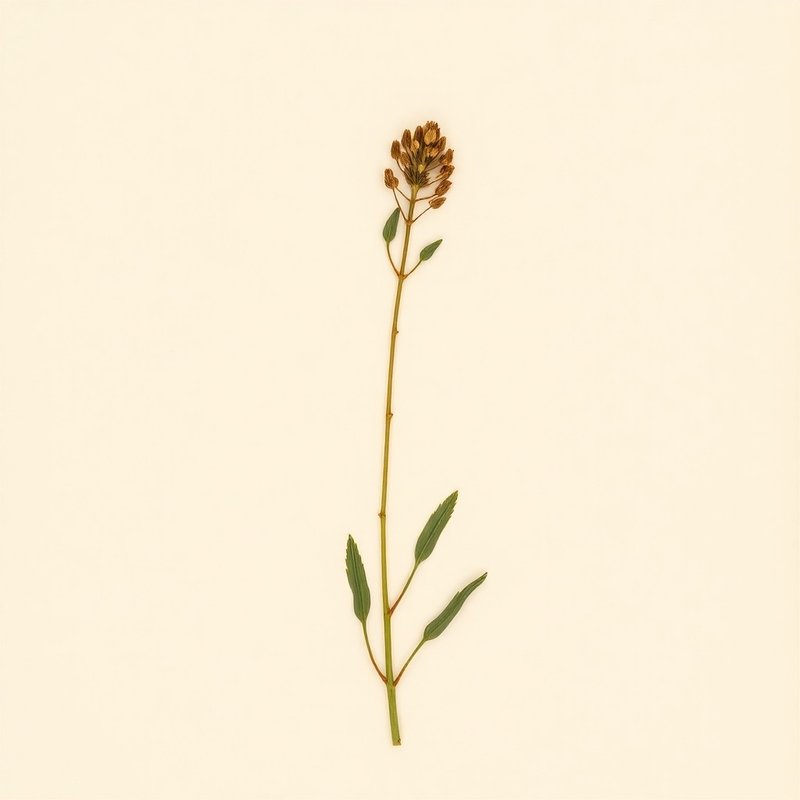
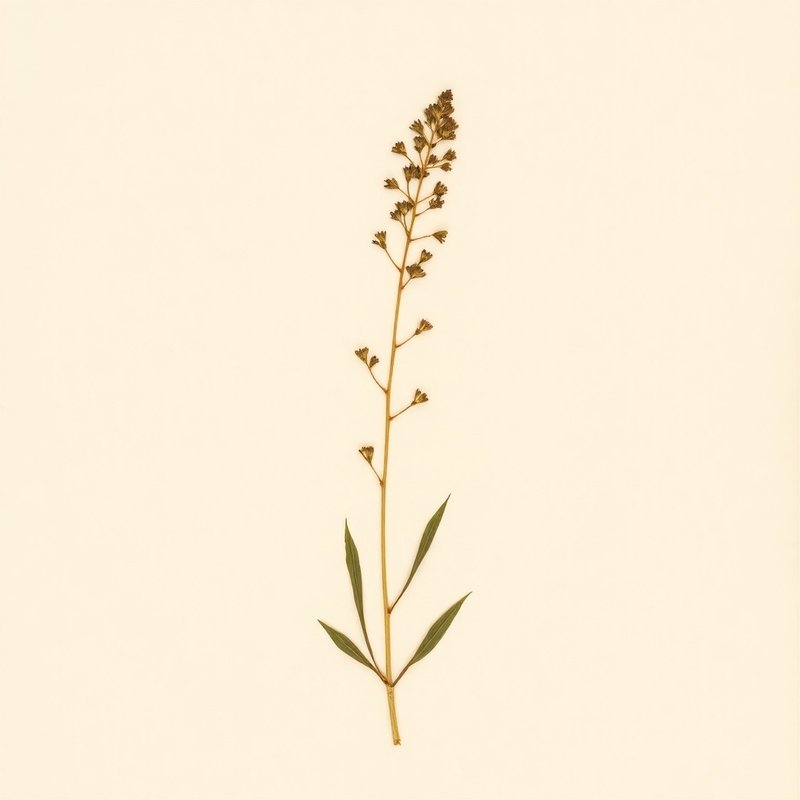
8 relatedPlants you might compare or use together — scored by shared family, common use cases, and growing requirements.
shared use cases
Different families, similar therapeutic role — good for comparing.

XI
Explore further
Companion planting
Health goals
Compare with similar plants
Growing zone
XII
About this entry
- Last updated
- Citation
- How to cite this entry · Submit a correction
Back to the cataloguePlant id · ac6d2215-c74e-4d33-9e67-a444a8f24ed9
Decision aid
Choosing between White Mulberry and something else?
Continue reading
❦❦❦❦
Endpaper · archive updates
Get archive updates
Occasional email when substantial new content lands — plant profiles, seasonal growing notes, folk-remedy additions. Free, no tracking, unsubscribe anytime.