
Skip to content
IIIFolio · plant profile№ 7762edible
Data provenancePermapeopleTrefleWikipediaPFAFPOWOreviewed 7 Jul 2026methodology → read

Wild Daffodil

Narcissus pseudonarcissus
Educational content — not medical, botanical, or professional advice. Plant identification, safety, and edibility depend on local conditions, cultivars, and correct identification. Consult a qualified botanist or forager before consuming or handling wild specimens. How we source & review →
edibleherbsedible
Updated·Quick Q&A →
Garden journal pausedUse profile notes below
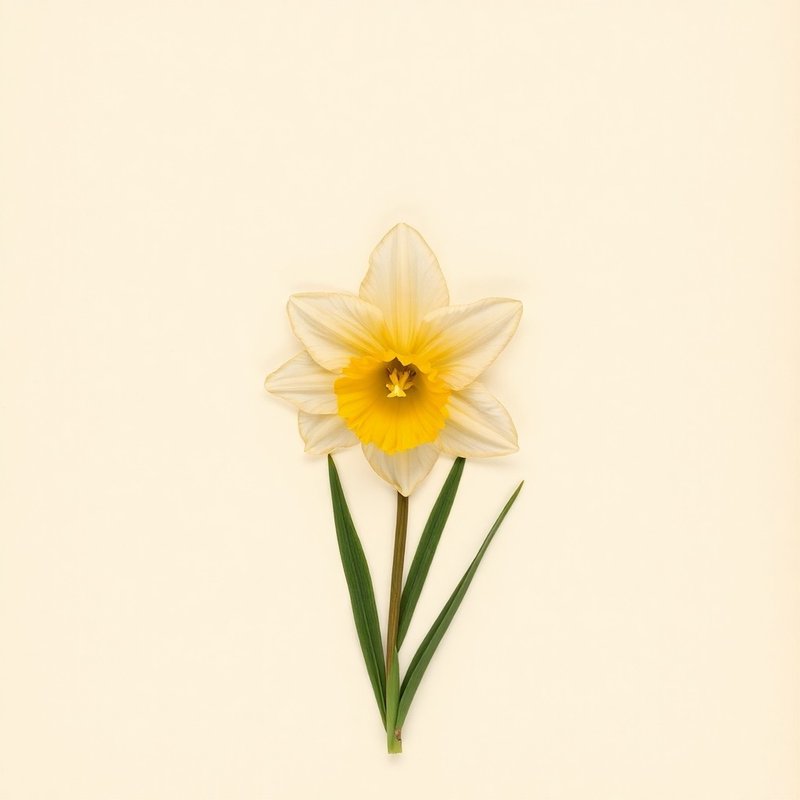
Narcissus pseudonarcissus (Wild Daffodil) — botanical photograph
Pl. 7762 — Narcissus pseudonarcissus
Narcissus pseudonarcissusNarcissus pseudonarcissusNarcissus pseudonarcissusNarcissus pseudonarcissusNarcissus pseudonarcissusNarcissus pseudonarcissusNarcissus pseudonarcissusNarcissus pseudonarcissusNarcissus pseudonarcissusNarcissus pseudonarcissusNarcissus pseudonarcissusNarcissus pseudonarcissusNarcissus pseudonarcissusNarcissus pseudonarcissus
I

Overview

Wild Daffodil (Narcissus pseudonarcissus) is a member of the Amaryllidaceae family and is native to several European countries including Belgium, France, Germany, Great Britain, Netherlands, Portugal, Spain, and Switzerland. This plant is known for its edible bulb, which can be consumed after proper preparation. It thrives in moist, light (sandy), medium, or heavy (clay) soil with a pH range of 5.5 to 6.5, making it adaptable to various growing conditions. Standing at about 0.5 meters tall and spreading to 0.3 meters wide, Wild Daffodil is recognizable by its light, airy nature and its ability to grow in hardiness zones 4-8.

Quick answers

What is Wild Daffodil?

Wild Daffodil (Narcissus pseudonarcissus) is a member of the Amaryllidaceae family and is native to several European countries including Belgium, France, Germany, Great Britain, Netherlands, Portugal, Spain, and Switzerland. This plant is known for its edible bulb, which can be consumed after proper preparation.

Growingconditions · propagation · uses
V

Cultivation

The Wild Daffodil thrives in moist conditions and prefers light (sandy), medium, or heavy (clay) soils with a pH between 5.5 and 6.5. It is hardy in temperate regions, generally zones 4-8. This plant requires full to partial sunlight, with a light requirement of 6/10. For best results, ensure the soil remains consistently moist but not waterlogged. Propagate through bulb division or seed sowing. The edible parts are the bulbs, which can be harvested carefully after the flowers have faded.
Light
6/10
Water
Moist
Soil
Light (sandy), Medium, Heavy (clay)
Hardiness
4-8
Habit
Forb/herb
Mature size
0.5 m × 0.3 m
Soil pH
5.5–6.5
For first-time growers

How to grow Wild Daffodil for the first time

8steps

Start with planting Wild Daffodils to enjoy their natural beauty and easy care.

  1. 1

    What you'll need

    Wild Daffodil bulbs, a garden fork or trowel.

  2. 2

    Best time to plant

    Plant in autumn, around September to November.

  3. 3

    Soil and container prep

    Choose a spot with moist, well-draining soil. Ensure the pH is between 5.5 and 6.5.

  4. 4

    Sowing or transplanting

    Plant bulbs about 10 cm deep and 15 cm apart in groups for best effect.

  5. 5

    First two weeks

    Water sparingly to settle the soil around the bulbs, but avoid overwatering.

  6. 6

    Ongoing care

    Keep the area moist during dry spells. Mulch lightly after planting to retain moisture and suppress weeds.

  7. 7

    Harvest or pruning

    No need for harvesting; simply remove spent flowers to encourage more blooms next year.

  8. 8

    Common mistakes

    Planting too deep, overwatering, neglecting mulching, not providing enough light, and planting in overly acidic soil.

VI

Edible & utility

Edible parts:Bulb
Edible uses: The Wild Daffodil's bulb is edible and can be prepared in various ways. It is typically cooked to ensure safety, as raw bulbs may contain toxic components. The bulbs are often boiled or sautéed before being consumed. Skip the raw consumption to avoid potential digestive issues.
Other uses:DyeFragrance
Contextrange · companions · related
VII

Distribution

8 native · 48 introduced
Distribution across2 continents· 8 native· 48 introduced
Europe14 regions
native (8)BelgiumFranceGermanyNetherlandsPortugalSpainSwitzerlandUnited Kingdom
introduced (6)AlbaniaAustriaBulgariaItalyPortugalRomania
Asia1 region
introduced (1)Georgia
Broader regions
introduced:Alabama, Arkansas, British Columbia, Connecticut, Czechoslovakia, Falkland Is., Florida, Illinois, Indiana, Kentucky, Kuril Is., Louisiana, Maryland, Masachusettes, Massachusetts, Michigan, Mississippi, Missouri, New Jersey, New South Wales, New York, New Zealand North, New Zealand South, Newfoundland, North Carolina, Ohio, Ontario, Oregon, Pennsylvania, Rhode I., South Carolina, Tasmania, Tennessee, Texas, Transcaucasus, Turkey-in-Europe, Vermont, Virginia, Washington, Western Australia, Yugoslavia
IX

Specimen gallery

1 image
Narcissus pseudonarcissus (Wild Daffodil) — botanical photograph
Wild Daffodil (Narcissus pseudonarcissus)
XI

Explore further

XII

About this entry

Last updated
Citation
How to cite this entry · Submit a correction
Back to the cataloguePlant id · 7762dde0-932b-4dbb-bb42-846bf5641519
Decision aid
Choosing between Wild Daffodil and something else?
Compare with another plant

Continue reading

❦❦❦❦
Endpaper · archive updates

Get archive updates

Occasional email when substantial new content lands — plant profiles, seasonal growing notes, folk-remedy additions. Free, no tracking, unsubscribe anytime.

Newsletter returning soon.
We are rebuilding the update list around a lightweight editorial workflow. New dispatches will resume after the next content review cycle.
iCare notes