
Oenanthe peucidanifolia
IOverview
Overview
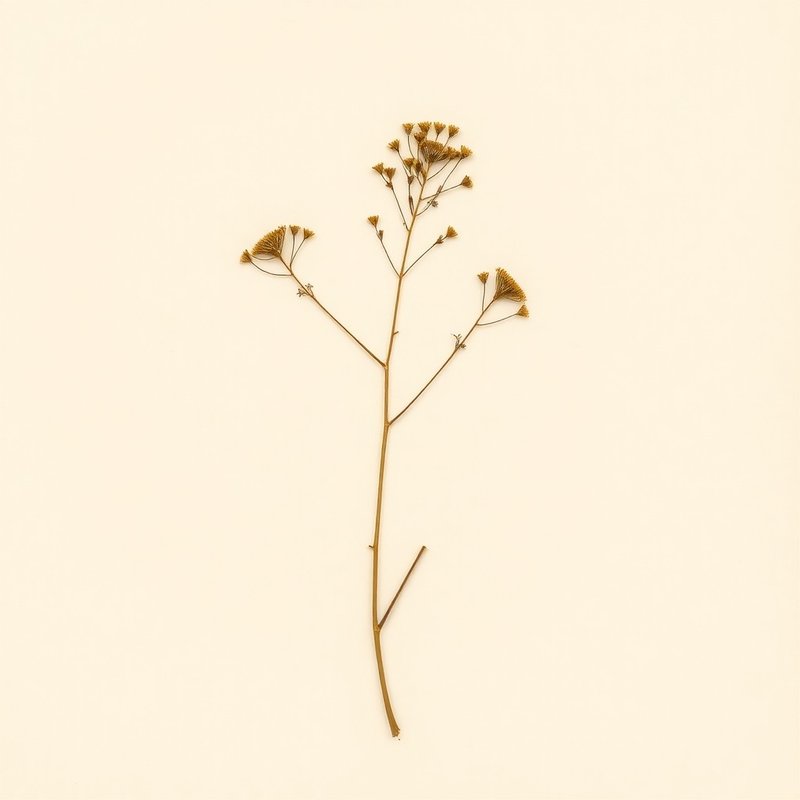
Oenanthe peucidanifolia, a perennial plant belonging to the Apiaceae family, is native to regions including Albania, Algeria, Belgium, Bulgaria, France, Germany, Greece, and Italy. This plant is known for its edible roots, which can be consumed raw or cooked, often by boiling to enhance their flavor and texture. The roots are a valuable part of the plant, making Oenanthe peucidanifolia a useful addition to gardens or natural settings where it thrives in light, medium, or heavy soil types, particularly in wetter conditions. It grows up to 1 meter in height and has a relatively light energetic nature, with a lightness rating of 7/10. This plant prefers a slightly acidic to neutral soil pH between 5 and 5.5, making it adaptable to various soil types. Medicinally, Oenanthe peucidanifolia has documented uses, though specific benefits and compounds are not detailed here. Cultivation of this plant is straightforward; it thrives in areas with a temperate climate and requires full sun to partial shade. For optimal growth, it is best propagated through division or seed sowing. While the plant is generally safe, caution should be exercised when handling any plant with potential medicinal properties, as some may cause skin irritation or other adverse reactions.
What is Oenanthe peucidanifolia?
Oenanthe peucidanifolia, a perennial plant belonging to the Apiaceae family, is native to regions including Albania, Algeria, Belgium, Bulgaria, France, Germany, Greece, and Italy. This plant is known for its edible roots, which can be consumed raw or cooked, often by boiling to enhance their flavor and texture.
IV·bMixology suggestions
1 draft
Mixology suggestions
1 draftVCultivation
Cultivation
How to grow Oenanthe peucidanifolia for the first time
Start with a simple planting of Oenanthe peucidanifolia to gain experience in growing this perennial.
- 1
What you'll need
A small garden plot or large container, seeds or young plants.
- 2
Best time to plant
Plant in early spring or late fall when the soil is cool and moist.
- 3
Soil and container prep
Prepare a well-draining soil mix with light sand for better drainage. Ensure containers have good drainage holes.
- 4
Sowing or transplanting
Direct sow seeds 1 cm deep in the garden bed, or plant young seedlings at the same depth.
- 5
First two weeks
Keep soil consistently moist and mulch lightly to retain moisture. Watch for signs of stress.
- 6
Ongoing care
Water regularly but avoid overwatering. Fertilize sparingly with a balanced organic fertilizer in early spring.
- 7
Harvest or pruning
Prune back any dead foliage to maintain the plant's health and appearance.
- 8
Common mistakes
Overwatering, planting too deep, neglecting to mulch, not providing enough light, using chemical fertilizers.
VIEdible & utility
Edible & utility
VIIDistribution
14 native · 0 introduced
Distribution
14 native · 0 introducedIXSpecimen gallery
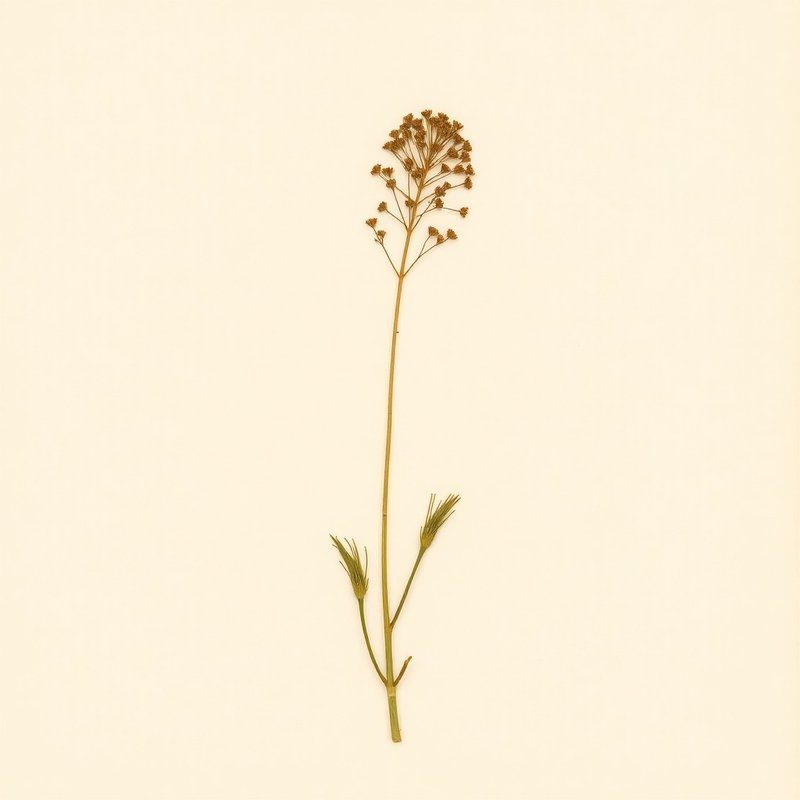
1 image
Specimen gallery
1 imageXSee also
8 related
See also
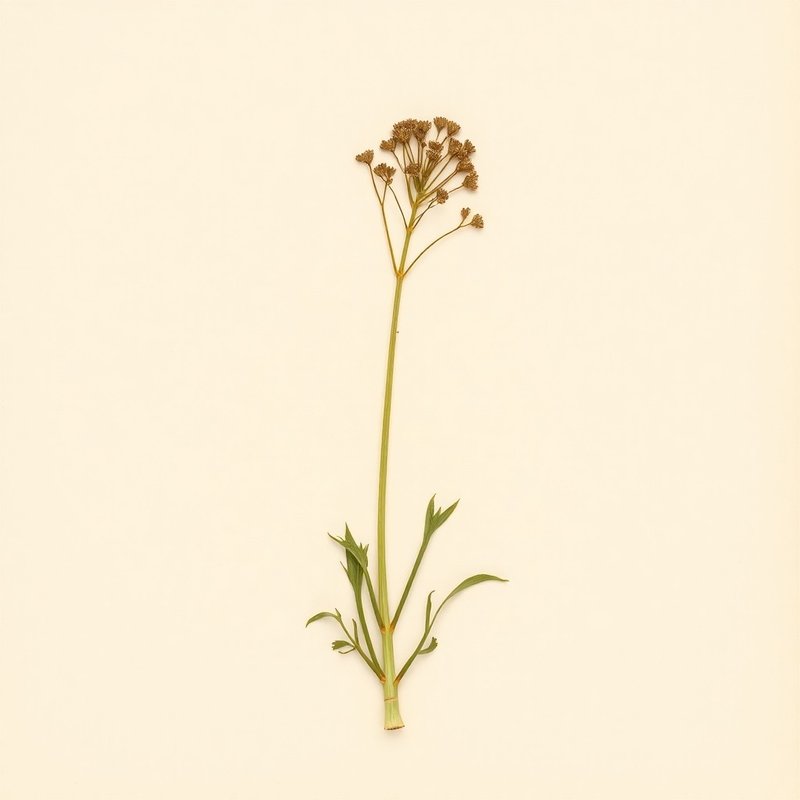
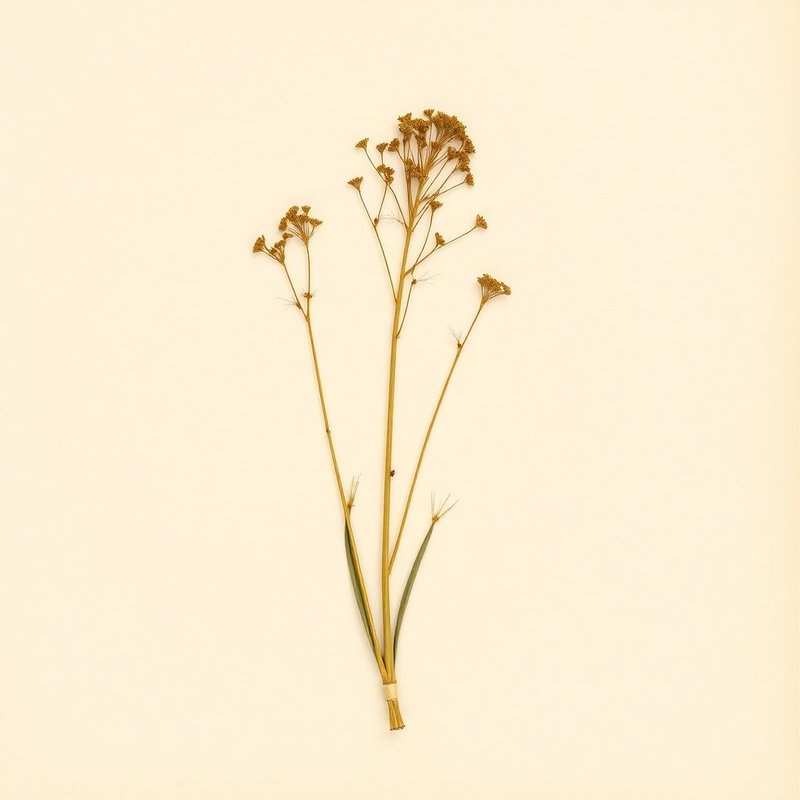
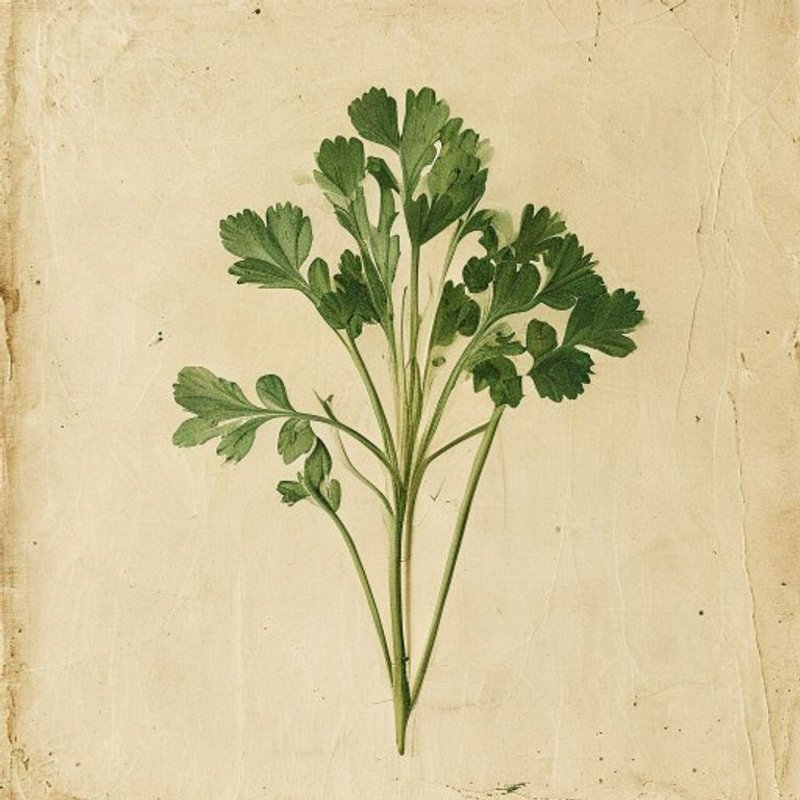
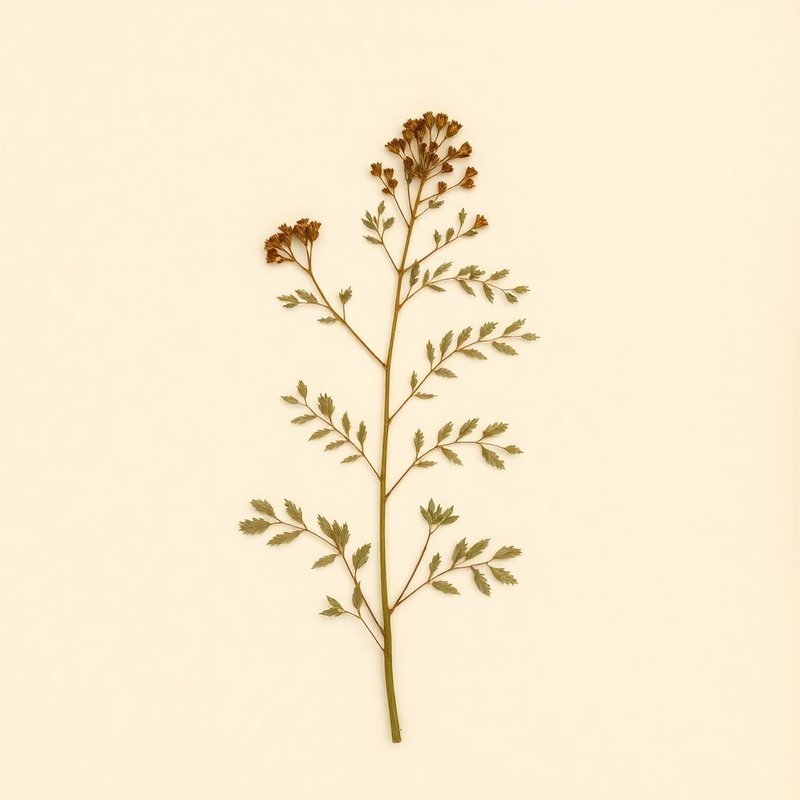
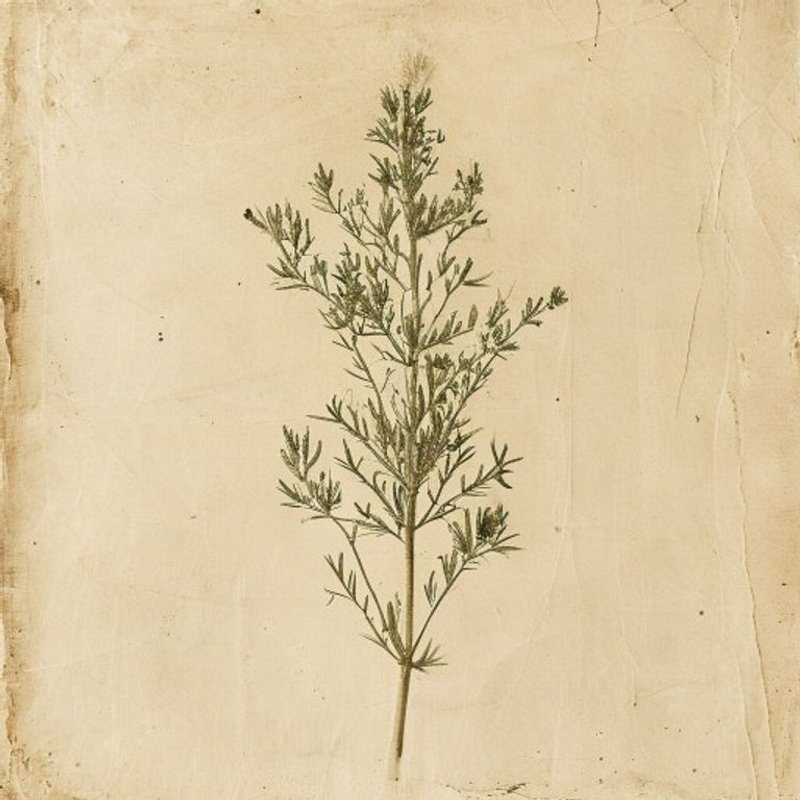
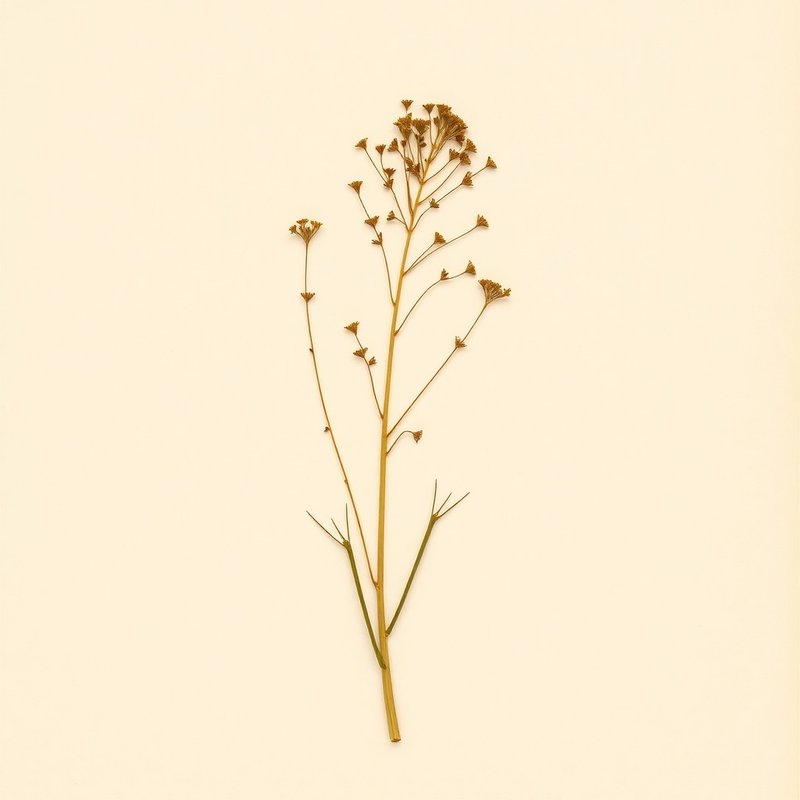
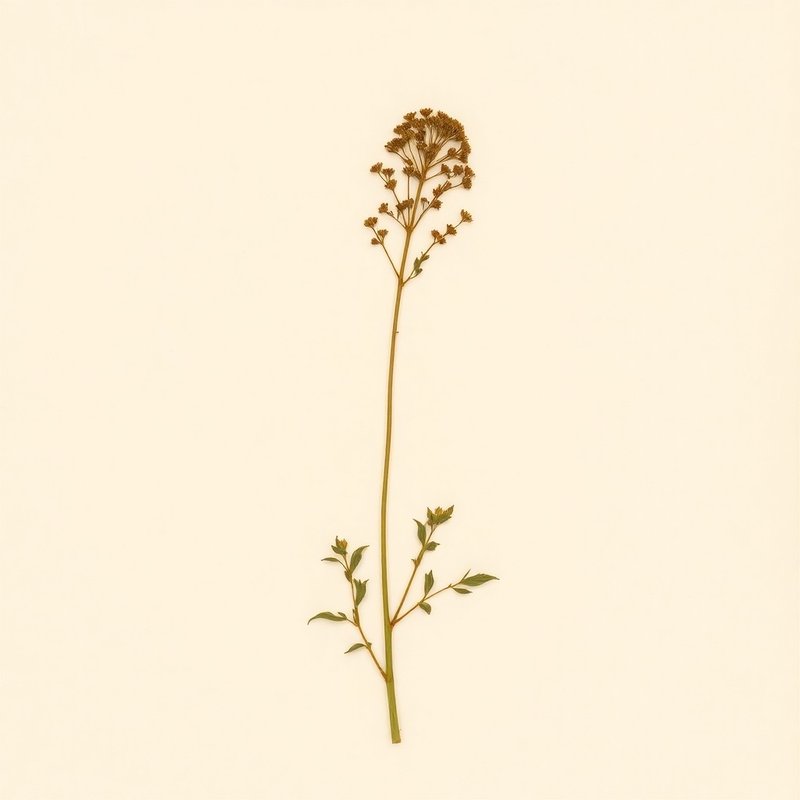
8 relatedPlants you might compare or use together — scored by shared family (Apiaceae), common use cases, and growing requirements.
Explore further
About this entry
- Last updated
- Citation
- How to cite this entry · Submit a correction
Continue reading
Get archive updates
Occasional email when substantial new content lands — plant profiles, seasonal growing notes, folk-remedy additions. Free, no tracking, unsubscribe anytime.