
Angelica crucifolia
IOverview
Overview
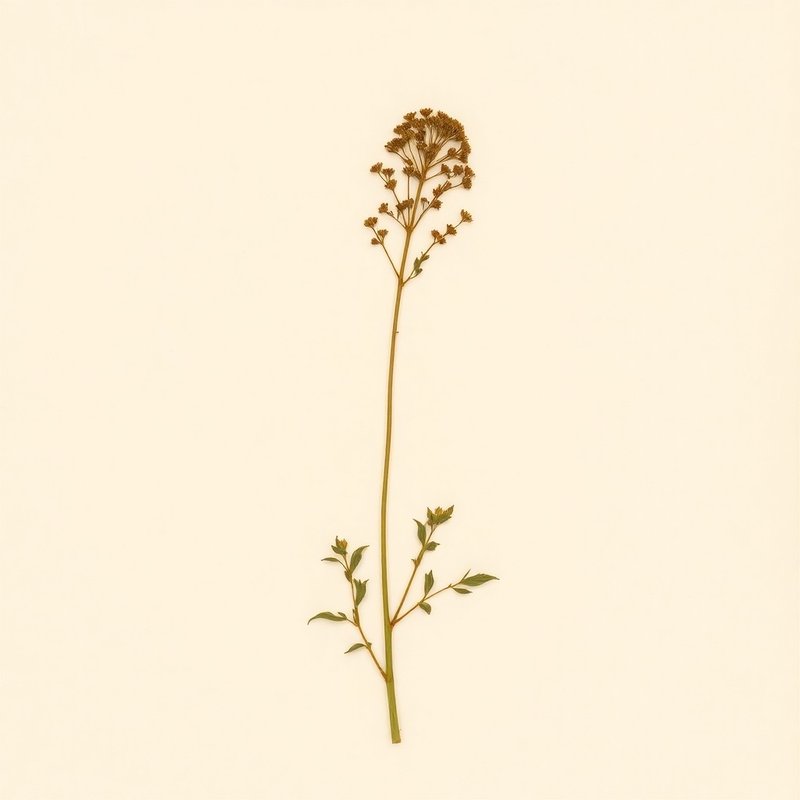
Angelica crucifolia, a perennial plant from the Apiaceae family, is native to Japan, Korea, and Manchuria. This adaptable species thrives in moist, well-drained soil that can be light (sandy), medium, or heavy (clay) and prefers partial sun or shade. Growing up to 0.8 meters tall, Angelica crucifolia is well-suited to various growing conditions and is often found in temperate regions. The plant's edible leaves can be consumed raw or cooked, adding a mild flavor to salads, soups, and stews. In traditional practices, the plant is recognized for its potential therapeutic benefits, though caution should be exercised when using it for medicinal purposes. While generally safe, it is advisable to consult a healthcare professional before incorporating it into any treatment regimen. This plant's distinctive leaves, which are both edible and ornamental, make it a valuable addition to gardens and culinary dishes.
What is Angelica crucifolia?
Angelica crucifolia, a perennial plant from the Apiaceae family, is native to Japan, Korea, and Manchuria. This adaptable species thrives in moist, well-drained soil that can be light (sandy), medium, or heavy (clay) and prefers partial sun or shade.
IV·bMixology suggestions
1 draft
Mixology suggestions
1 draftVCultivation
Cultivation
How to grow Angelica crucifolia for the first time
Start with Skip as a simple, low-maintenance perennial for your garden.
- 1
What you'll need
Skip seeds or seedlings, gardening gloves, a trowel.
- 2
Best time to plant
Plant in spring after the last frost or fall before the first freeze.
- 3
Soil and container prep
Choose a spot with light to partial sun. Prepare soil that is well-draining, rich in organic matter.
- 4
Sowing or transplanting
Direct sow seeds 0.5 inches deep or transplant seedlings into moist, fertile soil.
- 5
First two weeks
Water regularly to keep the soil consistently moist. Monitor for pests and diseases.
- 6
Ongoing care
Water deeply once a week during dry spells. Mulch around the base to retain moisture.
- 7
Harvest or pruning
Prune dead leaves in early spring to encourage new growth. Harvest young, tender leaves for use in cooking.
- 8
Common mistakes
Overwatering, planting in full sun, neglecting to mulch.
VIEdible & utility
Edible & utility
VIIDistribution
3 native · 0 introduced
Distribution
3 native · 0 introducedIXSpecimen gallery
1 image
Specimen gallery
1 imageXSee also
8 related
See also
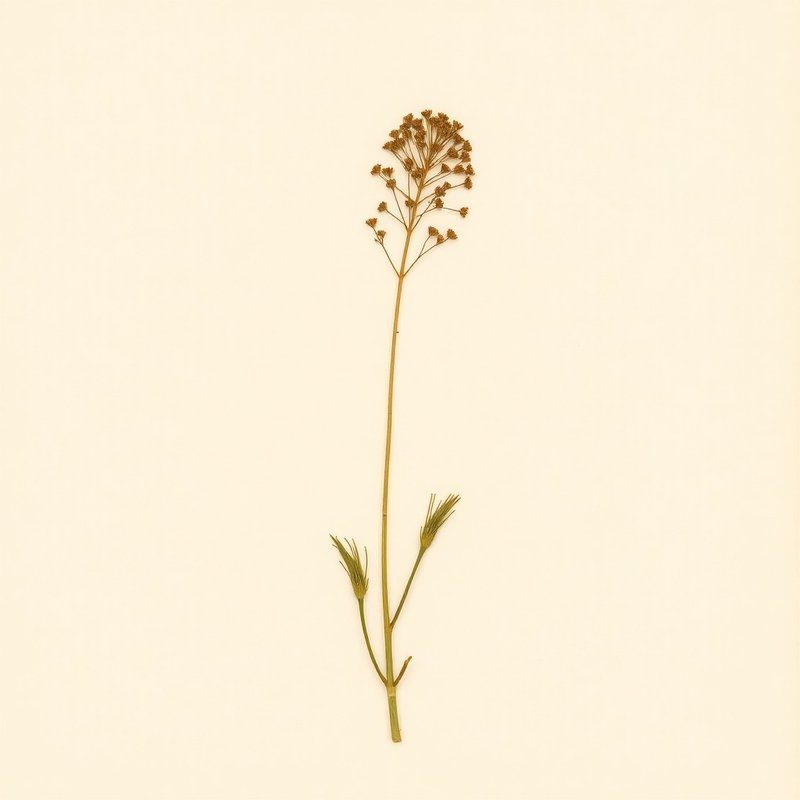
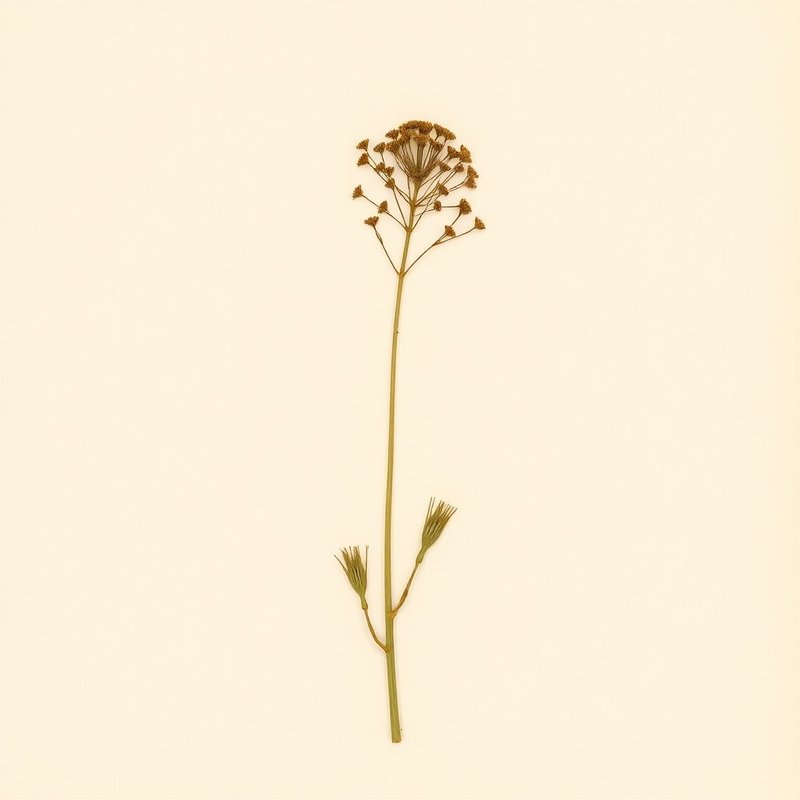
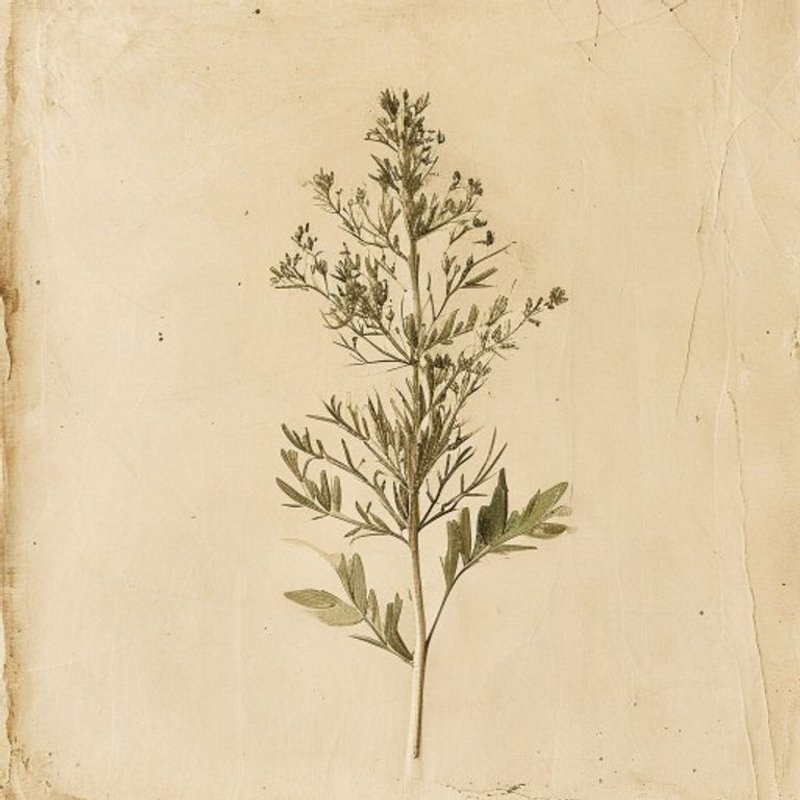
8 relatedPlants you might compare or use together — scored by shared family (Apiaceae), common use cases, and growing requirements.
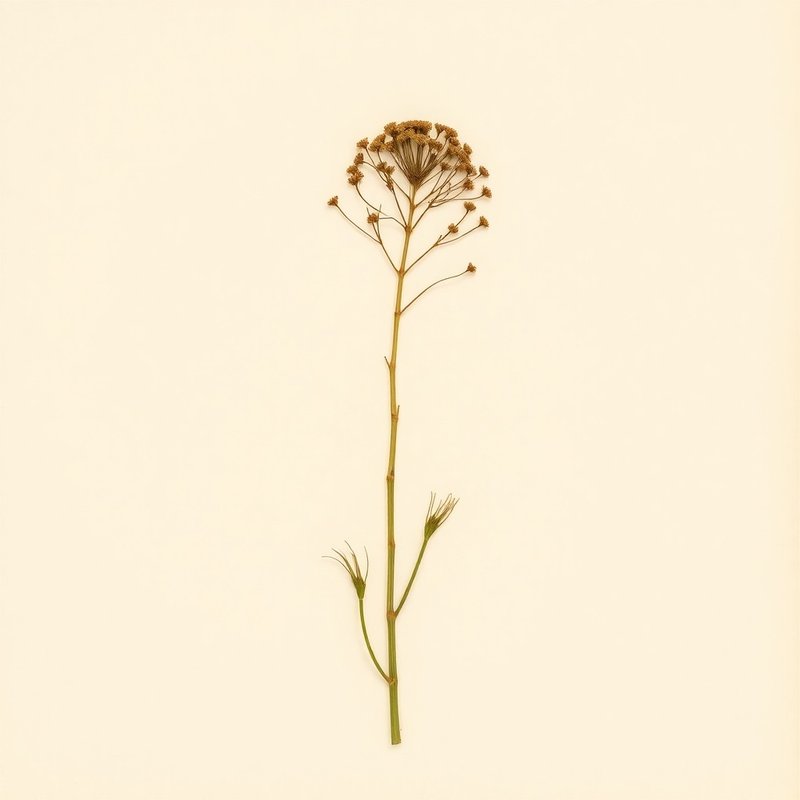

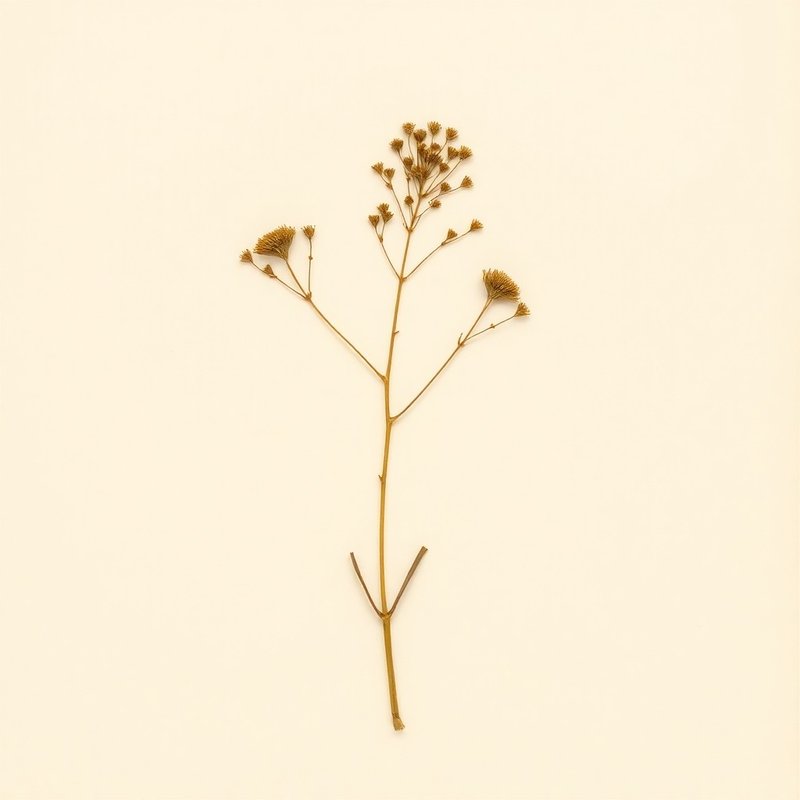
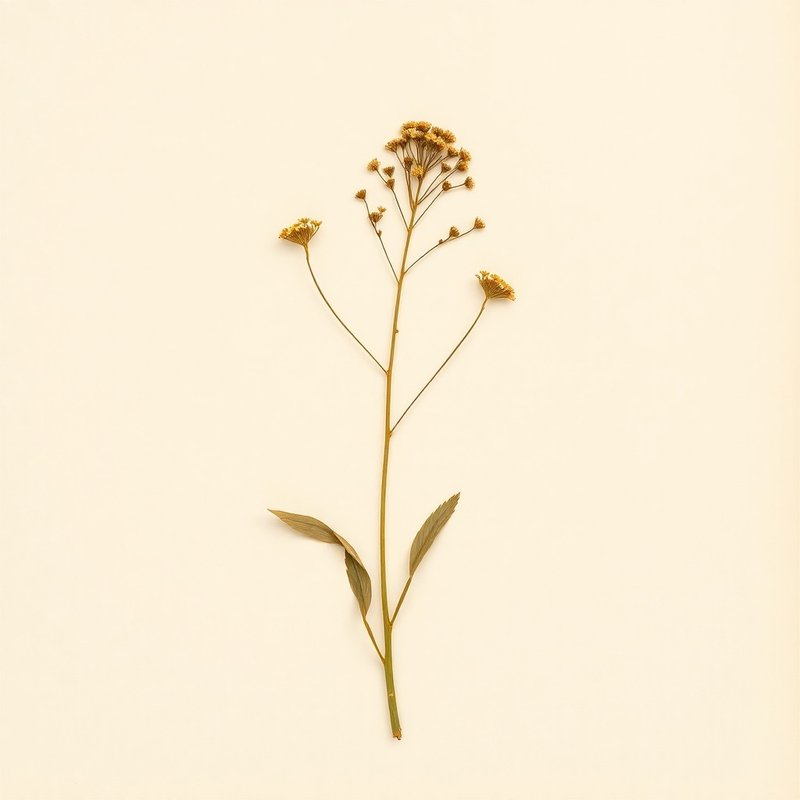
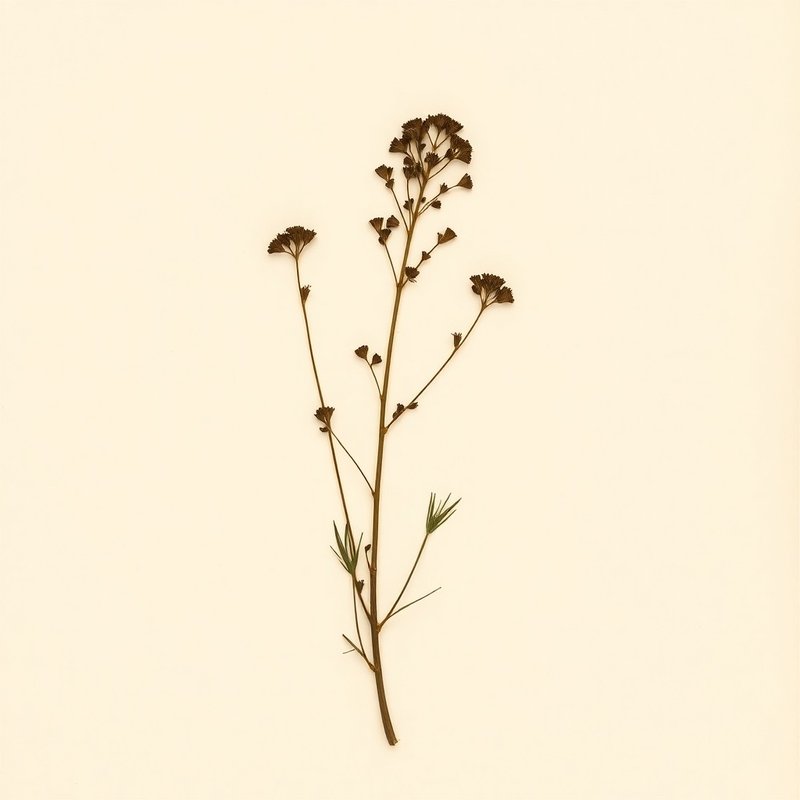
Explore further
About this entry
- Last updated
- Citation
- How to cite this entry · Submit a correction
Continue reading
Get archive updates
Occasional email when substantial new content lands — plant profiles, seasonal growing notes, folk-remedy additions. Free, no tracking, unsubscribe anytime.