
Bastard Fig
Opuntia phaeacanthafam. Cactaceae
Educational content — not medical, botanical, or professional advice. Plant identification, safety, and edibility depend on local conditions, cultivars, and correct identification. Consult a qualified botanist or forager before consuming or handling wild specimens. How we source & review →
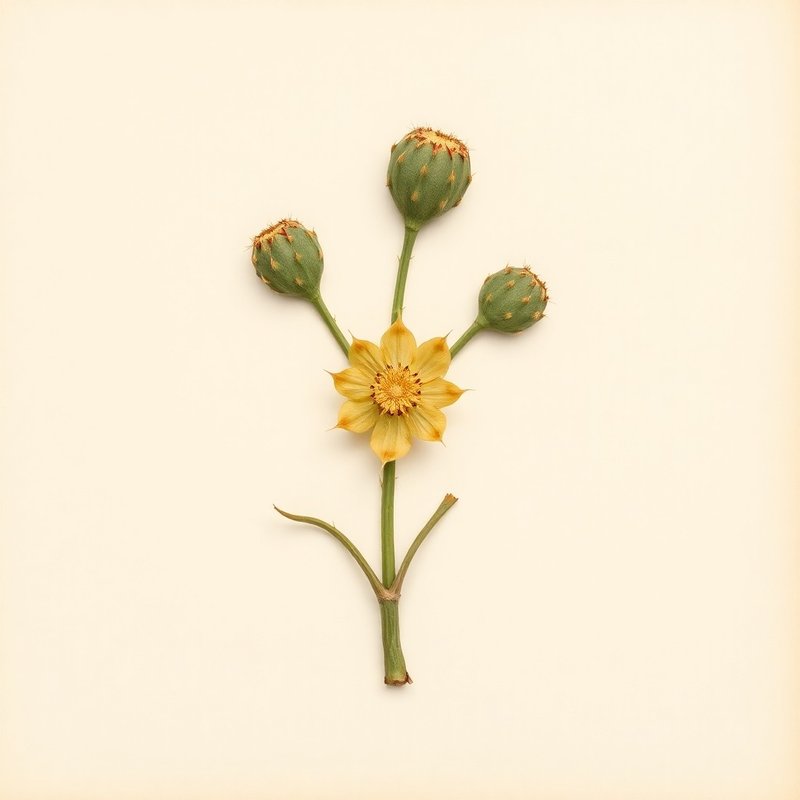
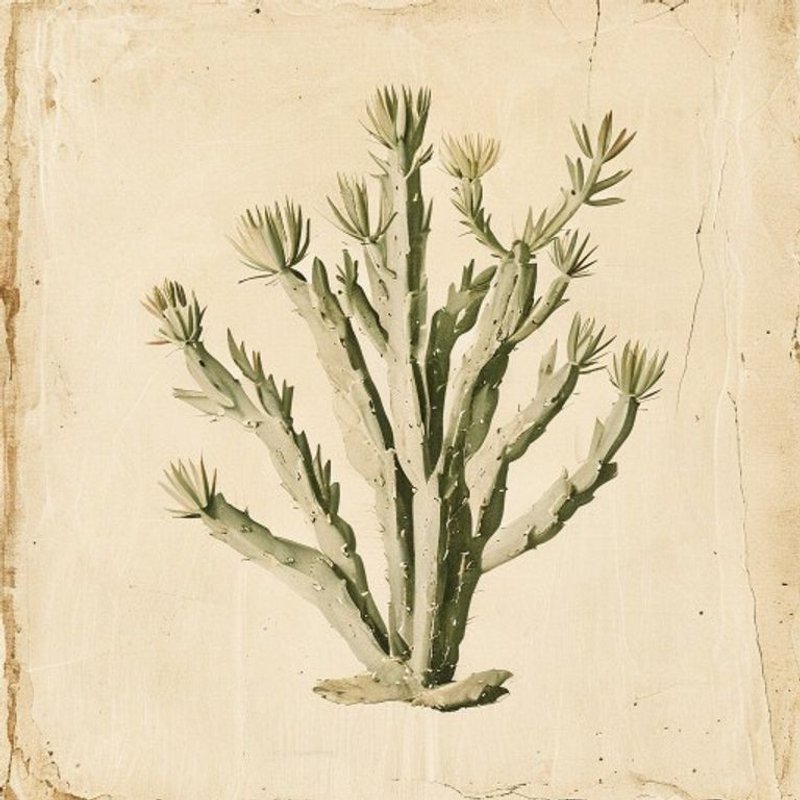
Pl. 6A66 — Opuntia phaeacantha
Opuntia phaeacanthaOpuntia phaeacanthaOpuntia phaeacanthaOpuntia phaeacanthaOpuntia phaeacanthaOpuntia phaeacanthaOpuntia phaeacanthaOpuntia phaeacanthaOpuntia phaeacanthaOpuntia phaeacanthaOpuntia phaeacanthaOpuntia phaeacanthaOpuntia phaeacanthaOpuntia phaeacantha
IOverview
Overview
Bastard Fig (Opuntia phaeacantha) is a shrub native to the southwestern United States and northern Mexico, thriving in habitats such as Arizona, California, Colorado, Nevada, New Mexico, Oklahoma, Texas, and parts of Kansas and Mexico's northeast and northwest regions. This plant is known for its edible fruit, seeds, and stems, making it a valuable resource for those interested in foraging. One distinctive feature of the bastard fig is its ability to grow in full sun with minimal water and light soil, thriving in hardiness zones 8-11. Its compact height of up to 0.5 meters makes it an attractive addition to gardens or landscapes where space is limited.
Quick answers
What is Bastard Fig?
Bastard Fig (Opuntia phaeacantha) is a shrub native to the southwestern United States and northern Mexico, thriving in habitats such as Arizona, California, Colorado, Nevada, New Mexico, Oklahoma, Texas, and parts of Kansas and Mexico's northeast and northwest regions.
Growingconditions · propagation · uses
VCultivation
Cultivation
Bastard Fig (Opuntia phaeacantha) thrives in full sun and prefers dry conditions, making it ideal for arid or semi-arid gardens. It grows well in light to medium soil types and can tolerate sandy soils. This perennial shrub is hardy in zones 8-11 but may require protection in colder areas. To propagate, stem cuttings work effectively. Harvest edible parts such as fruit, seeds, and stems for culinary use.
Light
Full sun
Water
Dry
Soil
Light (sandy), Medium
Hardiness
8-11
Life cycle
Perennial
Habit
Shrub
Mature size
0.5 m tall
For first-time growers
How to grow Bastard Fig for the first time
8steps
Start with a simple and low-maintenance approach to growing Bastard Fig.
- 1
What you'll need
A small plant or cutting, well-draining soil mix, a pot with drainage holes.
- 2
Best time to plant
Plant in spring when the weather starts warming up.
- 3
Soil and container prep
Use a cactus-specific soil mix. Ensure your pot has good drainage.
- 4
Sowing or transplanting
Transplant carefully, avoiding damage to the stems. Water sparingly after planting.
- 5
First two weeks
Keep the plant in partial shade and water only if the soil feels very dry.
- 6
Ongoing care
Place in full sun once established. Water infrequently, allowing the soil to dry out between waterings.
- 7
Harvest or pruning
Prune stems as needed for shape and size control. Harvest fruit when they turn bright red.
- 8
Common mistakes
Overwatering, placing in too much shade, using regular potting soil instead of cactus mix.
VIEdible & utility
Edible & utility
Edible parts:FruitSeedStem
Edible uses: Gum
Other uses:Gum
Contextrange · companions · related
VIIDistribution
11 native · 7 introduced
Distribution
11 native · 7 introducedDistribution across1 continent· 11 native· 7 introduced
Europe4 regions
introduced (4)AustriaItalyRussiaSpain
Broader regions
native:Utah, California, Colorado, Kansas, Arizona, Mexico Northeast, Mexico Northwest, Nevada, New Mexico, Oklahoma, Texas
introduced:Transcaucasus, Czechoslovakia
IXSpecimen gallery
1 image
Specimen gallery
1 imageXSee also
8 related
See also
8 relatedPlants you might compare or use together — scored by shared family (Cactaceae), common use cases, and growing requirements.
same family · Cactaceae
Botanical relatives — often share phytochemistry + growing needs.

XI
Explore further
Companion planting
Compare with similar plants
Growing zone
XII
About this entry
- Last updated
- Citation
- How to cite this entry · Submit a correction
Back to the cataloguePlant id · 6a6690b5-19e7-4719-a7c8-87833ad3fa6f
Decision aid
Choosing between Bastard Fig and something else?
Continue reading
❦❦❦❦
Endpaper · archive updates
Get archive updates
Occasional email when substantial new content lands — plant profiles, seasonal growing notes, folk-remedy additions. Free, no tracking, unsubscribe anytime.