
Virginian Stonecrop
Penthorum sedoides
Educational content — not medical, botanical, or professional advice. Plant identification, safety, and edibility depend on local conditions, cultivars, and correct identification. Consult a qualified botanist or forager before consuming or handling wild specimens. How we source & review →
Garden journal pausedUse profile notes below
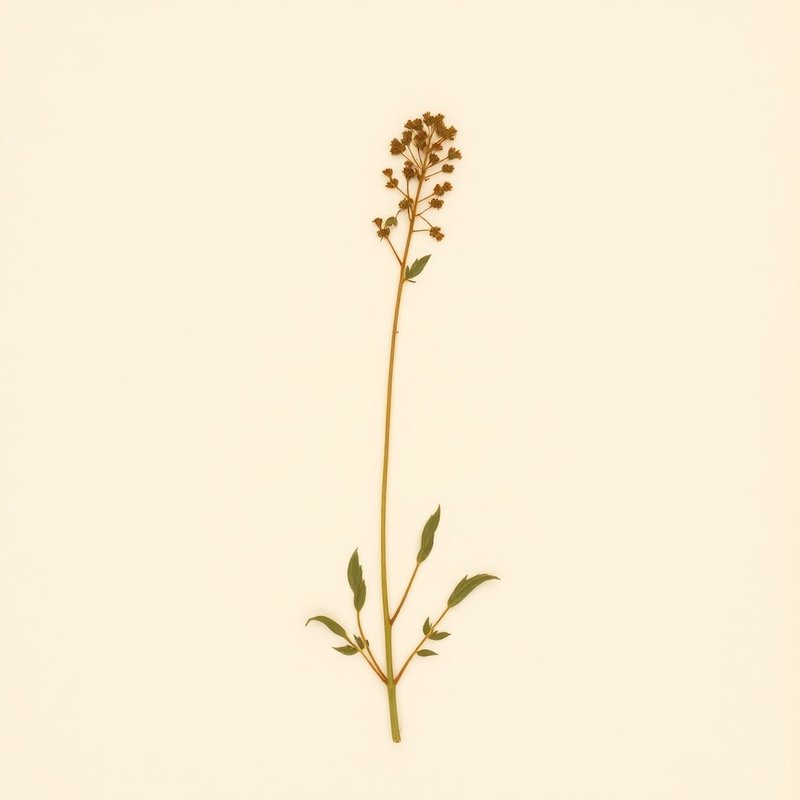
Pl. AD42 — Penthorum sedoides
Penthorum sedoidesPenthorum sedoidesPenthorum sedoidesPenthorum sedoidesPenthorum sedoidesPenthorum sedoidesPenthorum sedoidesPenthorum sedoidesPenthorum sedoidesPenthorum sedoidesPenthorum sedoidesPenthorum sedoidesPenthorum sedoidesPenthorum sedoides
IOverview
Overview
Virginian Stonecrop (Penthorum sedoides) is a perennial forb or herb native to eastern North America, including states such as Alabama, Arkansas, Connecticut, Delaware, District of Columbia, Florida, Georgia, Illinois, Indiana, Iowa, Kansas, Kentucky, Louisiana, Maine, Manitoba, Maryland, Massachusetts, Michigan, Minnesota, Mississippi, Missouri, Nebraska, New Brunswick, New Hampshire, New Jersey, New York, North Carolina, North Dakota, Ohio, Oklahoma, Ontario, Pennsylvania, Québec, Rhode Island, South Carolina, South Dakota, Tennessee, Texas, Vermont, Virginia, West Virginia, and Wisconsin. It has also been introduced to British Columbia, Oregon, and Washington. This plant thrives in a variety of soil types, from light sandy to heavy clay, with an optimal pH range of 5 to 7, making it adaptable for various garden settings. Virginian Stonecrop is known for its edible leaves, which can be consumed fresh or cooked by boiling or steaming. The leaves add a mild flavor to dishes and are particularly useful in culinary applications where a subtle taste is desired. This plant grows up to 1 meter tall and prefers partial sun to full shade conditions, making it suitable for gardens with varying light requirements. The distinctive feature of Virginian Stonecrop lies in its ability to grow stoloniferously (by spreading runners), which allows it to spread and form dense clumps over time. Its growth rate is slow, contributing to its hardiness in temperate regions. The plant's foliage is medium-textured and green, with yellow flowers that add a touch of color to the landscape. While Virginian Stonecrop is not known for medicinal uses, its edible leaves make it a valuable addition to gardens where both ornamental beauty and culinary versatility are desired. Gardeners should exercise caution when handling this plant, as all parts may contain compounds that could be irritating if ingested or handled improperly.
Quick answers
What is Virginian Stonecrop?
Virginian Stonecrop (Penthorum sedoides) is a perennial forb or herb native to eastern North America, including states such as Alabama, Arkansas, Connecticut, Delaware, District of Columbia, Florida, Georgia, Illinois, Indiana, Iowa, Kansas, Kentucky, Louisiana, Maine, Manitoba,
Growingconditions · propagation · uses
VCultivation
Cultivation
Virginian Stonecrop thrives in full to partial sun and prefers wet soils that are light (sandy), medium, or heavy (clay). It is a perennial that grows up to 1 meter tall and can be propagated by division. The plant is hardy in temperate regions and is native to the eastern United States and parts of Vietnam. Its edible leaves can be enjoyed in culinary dishes. Soil pH should range between 5 and 7 for optimal growth.
Light
Full sun, Partial sun/shade
Water
Wet, Water
Soil
Light (sandy), Medium, Heavy (clay)
Life cycle
Perennial
Habit
Forb/herb
Mature size
1.0 m tall
Soil pH
5–7
For first-time growers
How to grow Virginian Stonecrop for the first time
8steps
Start with Virginian Stonecrop as a simple, low-maintenance perennial for your garden.
- 1
What you'll need
A small plant or seeds, a trowel, and mulch.
- 2
Best time to plant
Plant in spring after the last frost or fall before the first freeze.
- 3
Soil and container prep
Choose a spot with partial sun to full sun. Ensure soil is well-draining but moist, with a pH between 5 and 7.
- 4
Sowing or transplanting
Transplant young plants into the garden or sow seeds directly where you want them to grow in early spring.
- 5
First two weeks
Water regularly to keep soil moist. Avoid overwatering, as this plant prefers well-draining conditions.
- 6
Ongoing care
Water when the top inch of soil feels dry. Mulch around the base for moisture retention and weed control.
- 7
Harvest or pruning
Prune dead leaves in early spring to encourage new growth and maintain a neat appearance.
- 8
Common mistakes
Overwatering, planting in heavy clay soil, neglecting winter protection in colder regions.
VIEdible & utility
Edible & utility
Edible parts:Leaves
Edible uses: The Virginian Stonecrop's leaves are edible and can be consumed fresh or cooked. They are typically prepared by boiling or steaming to add a mild flavor to dishes.
Contextrange · companions · related
VIIDistribution
44 native · 3 introduced
Distribution
44 native · 3 introducedDistribution across1 continent· 44 native· 3 introduced
Asia2 regions
native (2)GeorgiaVietnam
Broader regions
native:Alabama, Arkansas, Connecticut, Delaware, District of Columbia, Florida, Illinois, Indiana, Iowa, Kansas, Kentucky, Louisiana, Maine, Manitoba, Maryland, Masachusettes, Massachusetts, Michigan, Minnesota, Mississippi, Missouri, Nebraska, New Brunswick, New Hampshire, New Jersey, New York, North Carolina, North Dakota, Ohio, Oklahoma, Ontario, Pennsylvania, Québec, Rhode I., South Carolina, South Dakota, Tennessee, Texas, Vermont, Virginia, West Virginia, Wisconsin
introduced:British Columbia, Oregon, Washington
IXSpecimen gallery
1 image
Specimen gallery
1 imageXI
Explore further
Companion planting
Native to
XII
About this entry
- Last updated
- Citation
- How to cite this entry · Submit a correction
Back to the cataloguePlant id · ad421027-bafd-42ec-841b-ee0cda862901
Decision aid
Choosing between Virginian Stonecrop and something else?
Continue reading
❦❦❦❦
Endpaper · archive updates
Get archive updates
Occasional email when substantial new content lands — plant profiles, seasonal growing notes, folk-remedy additions. Free, no tracking, unsubscribe anytime.
Newsletter returning soon.
We are rebuilding the update list around a lightweight editorial workflow. New dispatches will resume after the next content review cycle.