
Squaw Apple
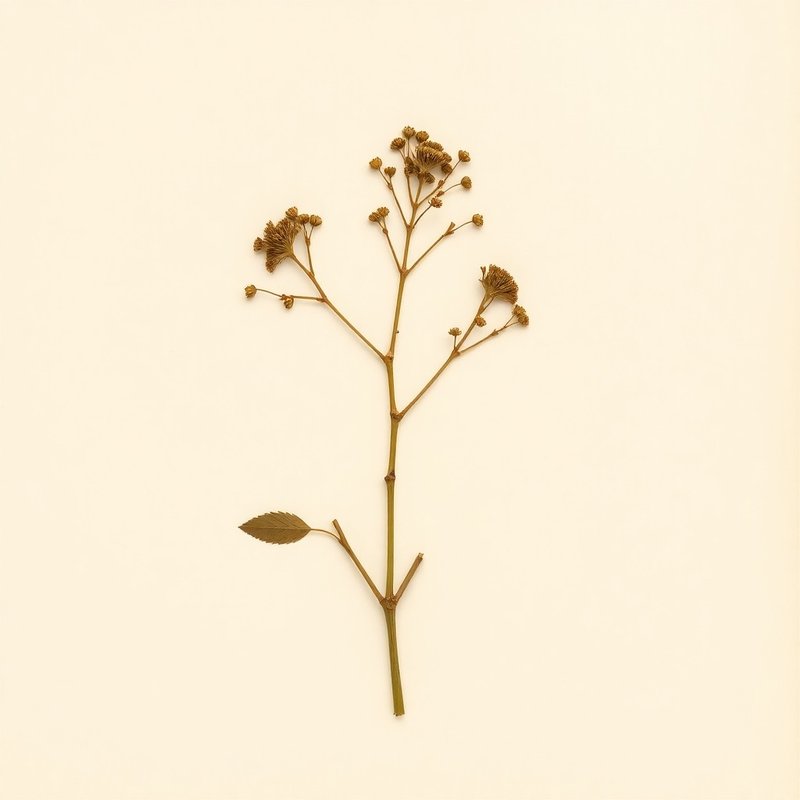
IOverview
Overview
Squaw Apple (Peraphyllum ramosissimum) is a shrub native to the western United States, specifically found in California, Colorado, Idaho, Nevada, New Mexico, Oregon, and Utah. This plant thrives in full sun and can grow in various soil types, including light (sandy), medium, and heavy (clay). It can reach a height of 1.8 meters and is hardy in USDA zones 4-8, making it adaptable to both dry and moist conditions. The fruit of the Squaw Apple is edible and can be eaten raw or cooked, often used in jams and jellies due to its sweet taste. It can also be dried for later use, with simple preparation methods being most common. This plant is a valuable resource in certain regions, contributing to local culinary traditions. While it is not traditionally used for medicinal purposes, its fruit is a nutritious addition to the diet.
What is Squaw Apple?
Squaw Apple (Peraphyllum ramosissimum) is a shrub native to the western United States, specifically found in California, Colorado, Idaho, Nevada, New Mexico, Oregon, and Utah. This plant thrives in full sun and can grow in various soil types, including light (sandy), medium, and heavy (clay).
VCultivation
Cultivation
How to grow Squaw Apple for the first time
Start with a simple Squaw Apple shrub to observe its growth and learn about care basics.
- 1
What you'll need
A young Squaw Apple shrub, garden gloves, and a trowel.
- 2
Best time to plant
Plant in spring or fall when the weather is cooler.
- 3
Soil and container prep
Ensure soil drains well; mix in compost if needed. For containers, use a pot with drainage holes and a good quality potting mix.
- 4
Sowing or transplanting
Transplant the young shrub into your prepared garden bed or container.
- 5
First two weeks
Water sparingly but ensure the soil doesn't dry out completely. Monitor for pests and diseases.
- 6
Ongoing care
Provide full sun exposure, water only when the soil feels dry, and prune lightly to maintain shape.
- 7
Harvest or pruning
Prune in late winter before new growth starts to encourage a healthy structure. Harvest fruit when they are fully ripe.
- 8
Common mistakes
Overwatering, planting in heavy soil, and not providing enough sunlight.
VIEdible & utility
Edible & utility
VIIDistribution
7 native · 0 introduced
Distribution
7 native · 0 introducedIXSpecimen gallery
1 image
Specimen gallery
1 imageExplore further
About this entry
- Last updated
- Citation
- How to cite this entry · Submit a correction
Continue reading
Get archive updates
Occasional email when substantial new content lands — plant profiles, seasonal growing notes, folk-remedy additions. Free, no tracking, unsubscribe anytime.