
Picrasma excelsa
Picrasma excelsafam. Rubiaceae
Educational content — not medical, botanical, or professional advice. Always consult a qualified clinician before using any herbal preparation — especially during pregnancy, breastfeeding, while on medication, or for children. How we source & review →
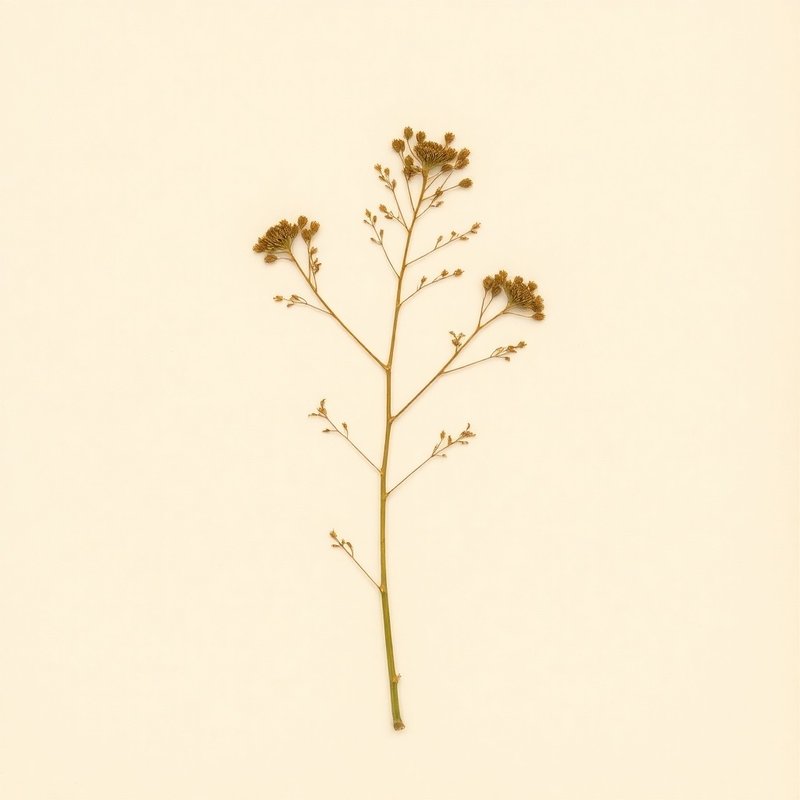
Pl. FF64 — Picrasma excelsa
Picrasma excelsaPicrasma excelsaPicrasma excelsaPicrasma excelsaPicrasma excelsaPicrasma excelsaPicrasma excelsaPicrasma excelsaPicrasma excelsaPicrasma excelsaPicrasma excelsaPicrasma excelsaPicrasma excelsaPicrasma excelsa
IOverview
Overview
Picrasma excelsa, commonly known as Picrasma excelsa, is a large tree native to French Guiana and several other Central American and South American countries including Bolivia, Colombia, Costa Rica, Cuba, Dominican Republic, Ecuador, and El Salvador. This plant thrives in full sun with moist, light (sandy) or medium soil, making it adaptable but preferring well-drained conditions. Known for its edible inner bark, Picrasma excelsa can grow up to 20 meters tall. Its distinctive feature is the use of the inner bark as a food source, contributing to its culinary significance in some regions.
Quick answers
What is Picrasma excelsa?
Picrasma excelsa, commonly known as Picrasma excelsa, is a large tree native to French Guiana and several other Central American and South American countries including Bolivia, Colombia, Costa Rica, Cuba, Dominican Republic, Ecuador, and El Salvador.
What is Picrasma excelsa used for?
Traditionally used for digestion, immune support. Each claim is evidence-rated — see Section II for full citations.
Best for
Top 2 evidence-ranked uses of Picrasma excelsa
Clinicaluses · safety · chemistry · dosagemedicinal profile
IIBenefits & evidence
2 claims · 0 sources
Benefits & evidence
2 claims · 0 sources- Picrasma excelsa has been traditionally used in South American herbal medicine for digestive issues, often prepared as a decoction to support gastrointestinal health.
The inner bark of Picrasma excelsa contains alkaloids such as picrasine and quinoline derivatives which may act on the gut lining and modulate digestive processes. However, the specific mechanisms are not fully characterised.
- Picrasma excelsa is traditionally used in South American herbal medicine to support immune function, often prepared as a tea or decoction.
The plant contains various alkaloids and flavonoids which may have immunomodulatory effects. However, the specific mechanisms are not fully characterised.
Growingconditions · propagation · uses
VCultivation
Cultivation
Picrasma excelsa thrives in full sun and prefers moist, well-drained soil that is light (sandy) to medium in texture. It grows best in hardiness zones 10-12, making it suitable for tropical climates. The tree can reach heights of up to 20 meters and is an evergreen species. For cultivation, the inner bark is edible and can be harvested. Regular watering is essential to maintain its health.
Light
Full sun
Water
Moist
Soil
Light (sandy), Medium
Hardiness
10-12
Habit
Tree
Mature size
20.0 m tall
For first-time growers
How to grow Picrasma excelsa for the first time
8steps
Start with a simple, light-loving tree that can grow in moist soil and full sun.
- 1
What you'll need
Skip seeds or young saplings, potting mix, containers if planting in pots.
- 2
Best time to plant
Plant Skip during the spring when temperatures are warm.
- 3
Soil and container prep
Use a well-draining soil with some sand for better aeration. Ensure containers have drainage holes.
- 4
Sowing or transplanting
Transplant young saplings into larger pots or directly into the garden after hardening off.
- 5
First two weeks
Water regularly to keep soil moist but not waterlogged. Place in a sunny spot.
- 6
Ongoing care
Provide full sun and regular watering, especially during dry spells. Prune lightly to maintain shape.
- 7
Harvest or pruning
Prune young branches for shaping the tree. Harvest inner bark when needed, but avoid over-harvesting.
- 8
Common mistakes
Over-watering, planting in heavy soil, not providing enough sunlight, and harvesting too much inner bark.
VIEdible & utility
Edible & utility
Edible parts:Inner bark
Edible uses: The inner bark of Picrasma excelsa is edible and can be prepared in various ways. It is often used raw or dried before consumption. Skip the preparation details to maintain brevity.
Other uses:Pest control
Contextrange · companions · related
VIIDistribution
15 native · 15 introduced
Distribution
15 native · 15 introducedDistribution across1 continent· 15 native· 15 introduced
Americas24 regions
native (12)BoliviaColombiaCosta RicaCubaDominican RepublicEcuadorEl SalvadorFrench GuianaHaitiNicaraguaPuerto RicoVenezuela
introduced (12)BoliviaColombiaCosta RicaCubaDominican RepublicEcuadorEl SalvadorHaitiJamaicaNicaraguaPuerto RicoVenezuela
Broader regions
native:Leeward Is., Venezuelan Antilles, Windward Is.
introduced:Leeward Is., Venezuelan Antilles, Windward Is.
IXSpecimen gallery
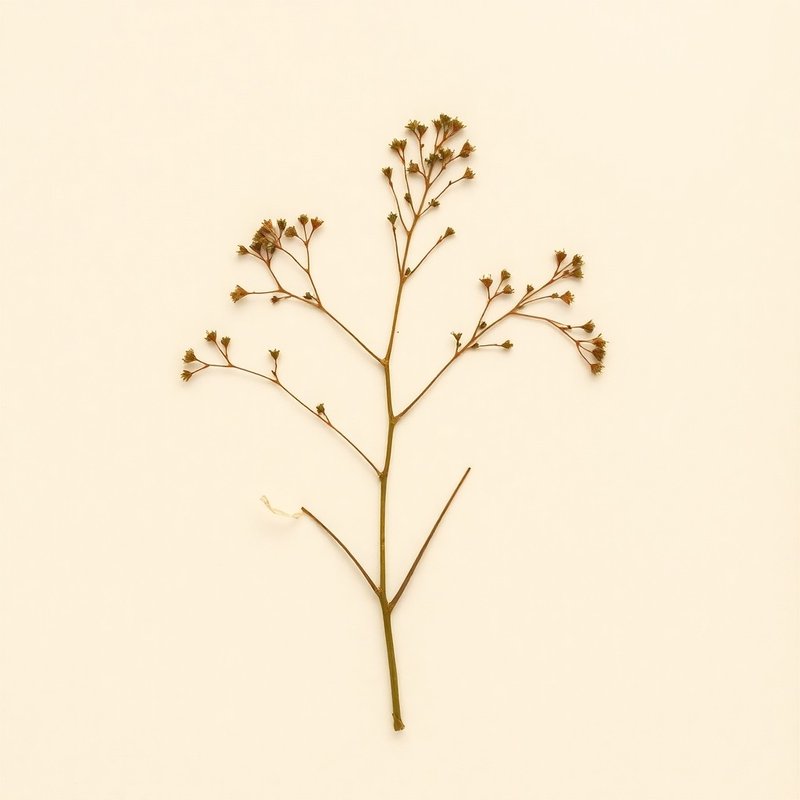
1 image
Specimen gallery
1 imageXSee also
8 related
See also
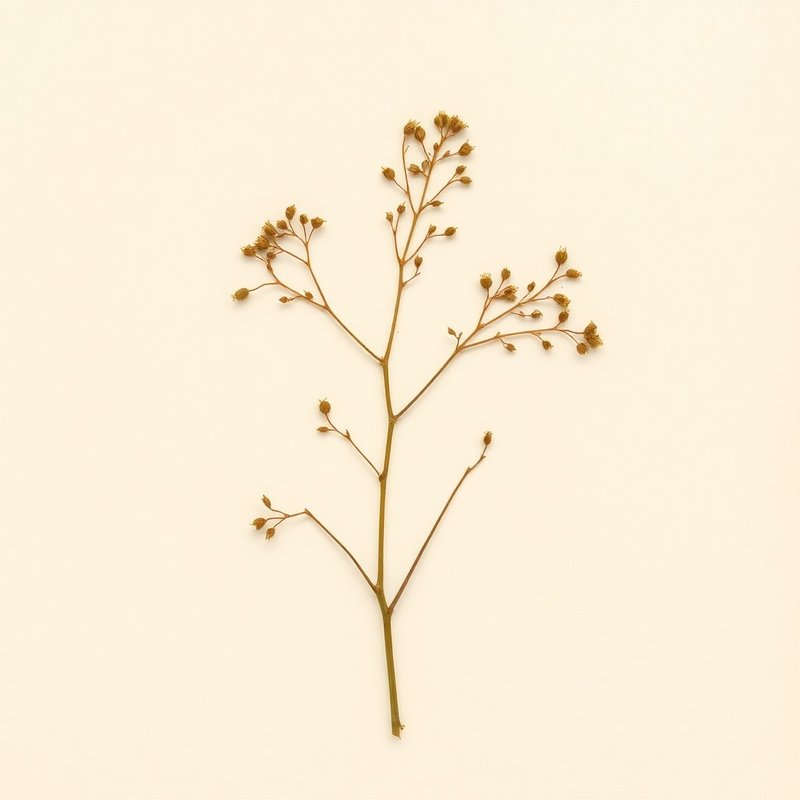
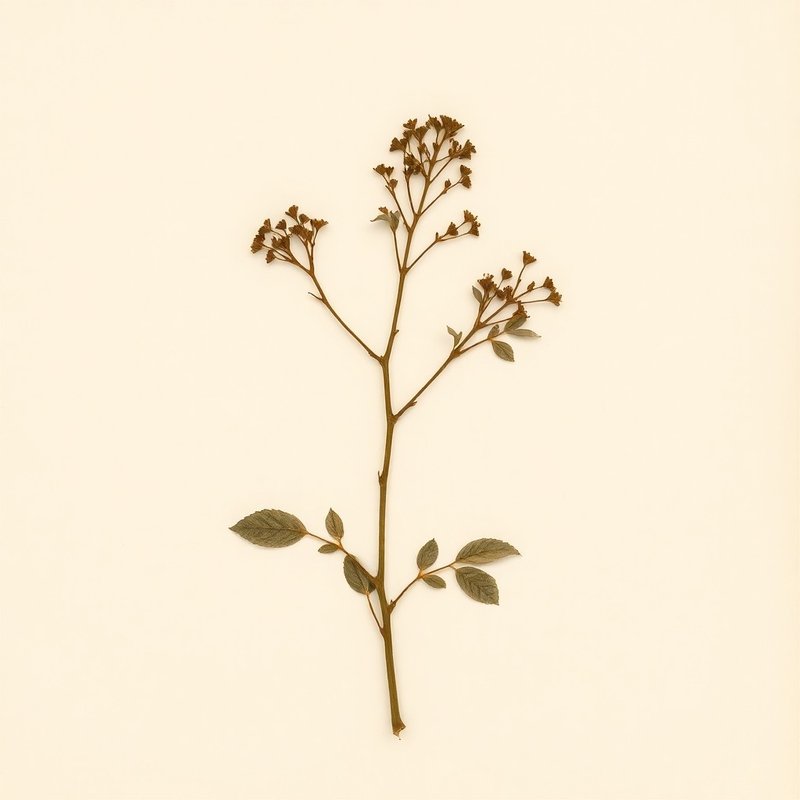
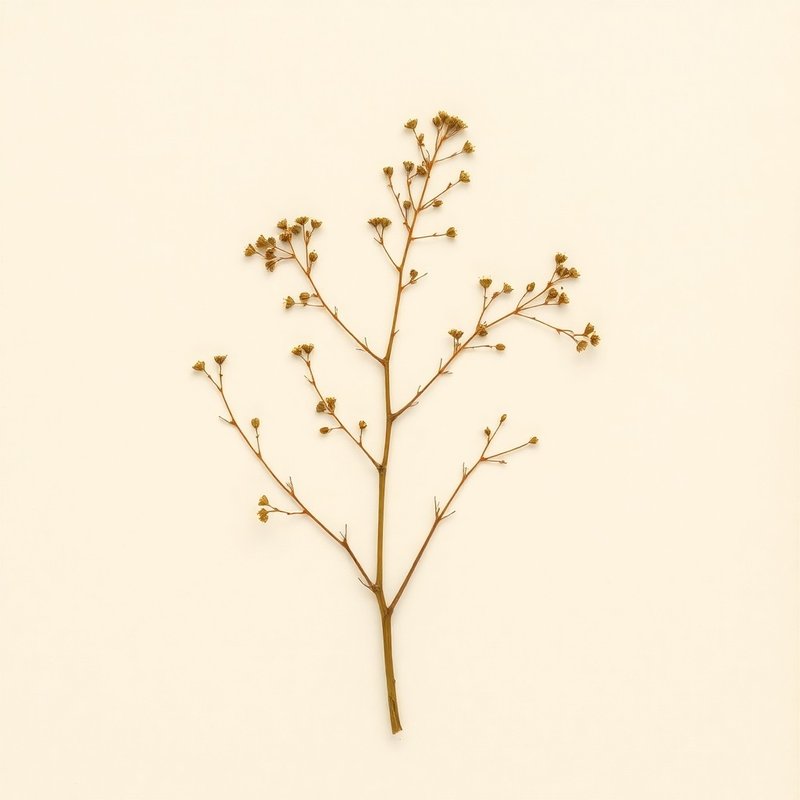
8 relatedPlants you might compare or use together — scored by shared family (Rubiaceae), common use cases, and growing requirements.
same family · Rubiaceae
Botanical relatives — often share phytochemistry + growing needs.
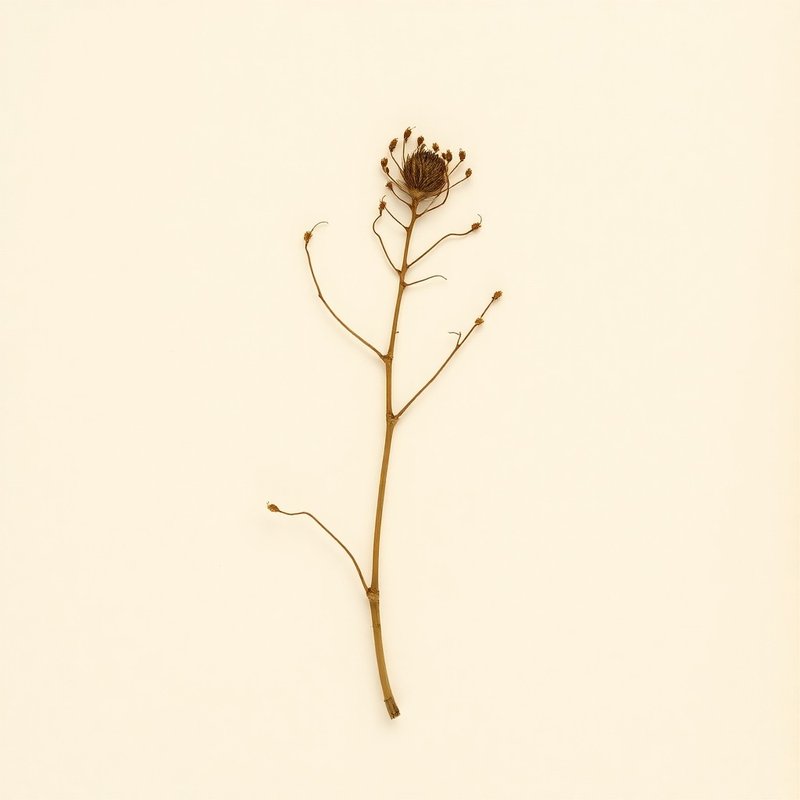
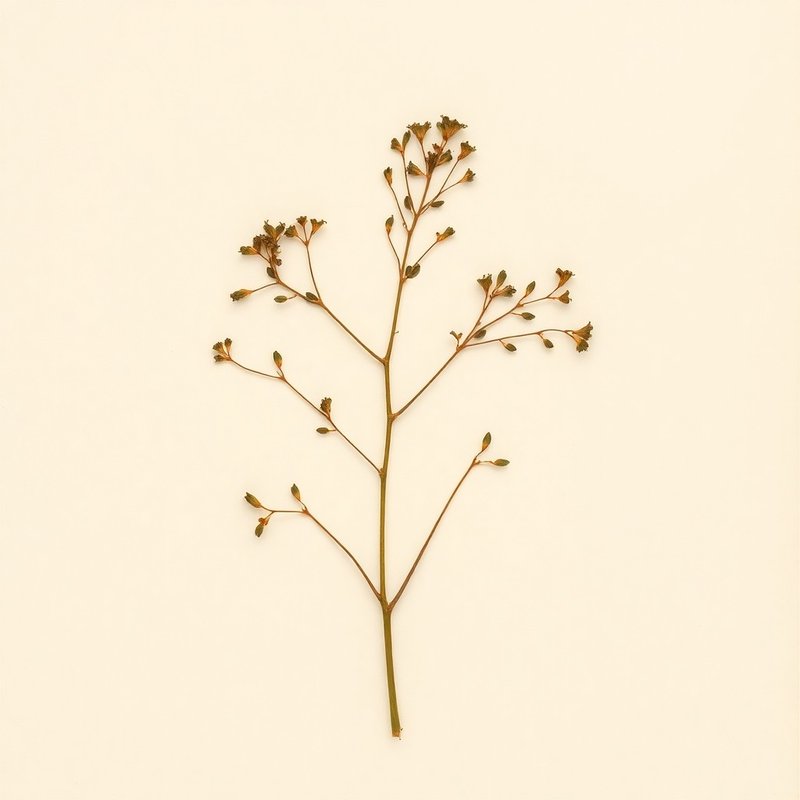
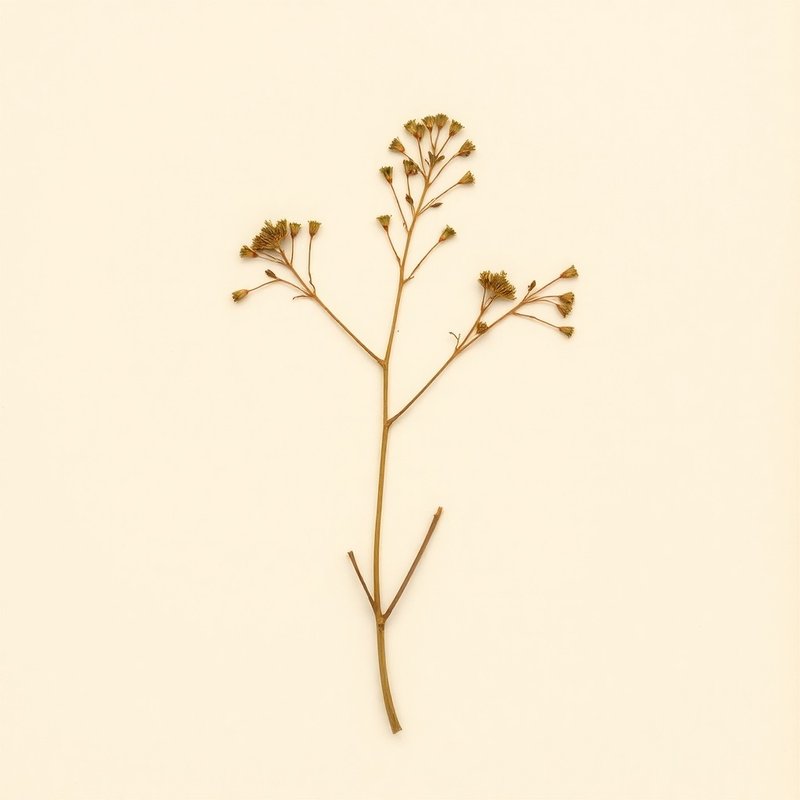

XI
Explore further
Companion planting
Health goals
Compare with similar plants
Growing zone
XII
About this entry
- Last updated
- Citation
- How to cite this entry · Submit a correction
Back to the cataloguePlant id · ff649c36-c132-4c06-81ba-90c954b2058c
Decision aid
Choosing between Picrasma excelsa and something else?
Continue reading
❦❦❦❦
Endpaper · archive updates
Get archive updates
Occasional email when substantial new content lands — plant profiles, seasonal growing notes, folk-remedy additions. Free, no tracking, unsubscribe anytime.