
Patchouli
Pogostemon cablinfam. Lamiaceae
Educational content — not medical, botanical, or professional advice. Always consult a qualified clinician before using any herbal preparation — especially during pregnancy, breastfeeding, while on medication, or for children. How we source & review →
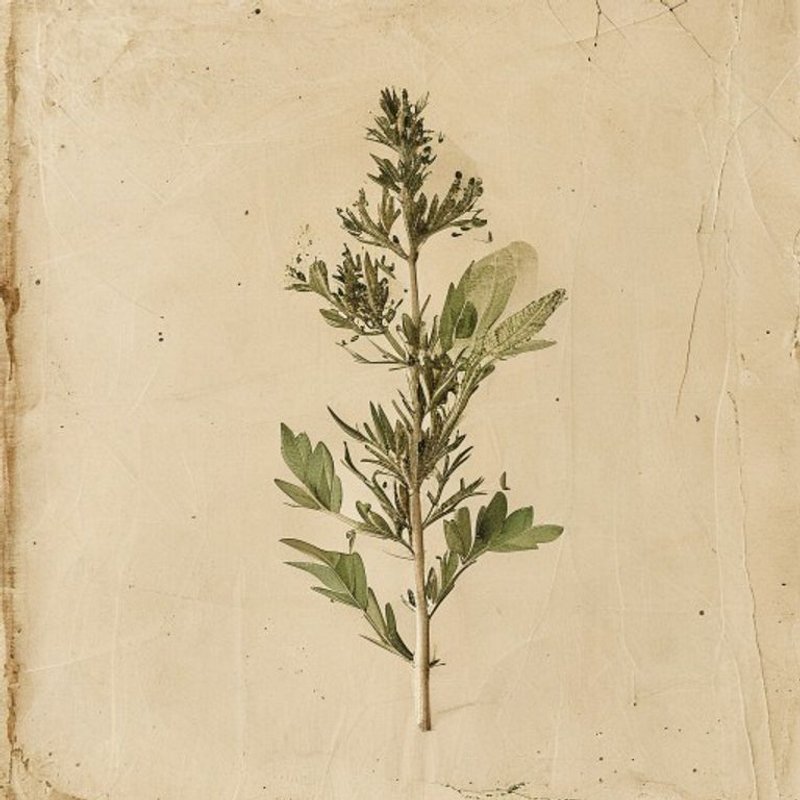
Pl. F2DC — Pogostemon cablin
Pogostemon cablinPogostemon cablinPogostemon cablinPogostemon cablinPogostemon cablinPogostemon cablinPogostemon cablinPogostemon cablinPogostemon cablinPogostemon cablinPogostemon cablinPogostemon cablinPogostemon cablinPogostemon cablin
IOverview
Overview
Patchouli (Pogostemon cablin) is a perennial plant belonging to the Lamiaceae family, known for its distinctive earthy aroma and widespread use in both traditional medicine and aromatherapy. Native to regions including Jawa, Lesser Sunda Islands, Malaya, New Guinea, Philippines, Sri Lanka, Sulawesi, and Sumatera, patchouli thrives in environments with full sun or partial shade, making it adaptable to various light conditions. This plant is commonly propagated through cuttings and is hardy in zones 9-11, ensuring its longevity in suitable climates. Its medicinal use has been well-documented, highlighting the plant's significance in traditional practices.
Quick answers
What is Patchouli?
Patchouli (Pogostemon cablin) is a perennial plant belonging to the Lamiaceae family, known for its distinctive earthy aroma and widespread use in both traditional medicine and aromatherapy.
IV·bMixology suggestions
2 drafts
Mixology suggestions
2 draftsEditorial drafts. These pairings are AI-suggested from traditional herbal lore. Always verify with a qualified herbalist before brewing.
Patchouli Peace
stresstincture
Used traditionally for calming the mind.
Patchouli Purify
skintea
Historically used for skin conditions.
Growingconditions · propagation · uses
VCultivation
Cultivation
Patchouli thrives in full to partial sun and is best suited for a warm climate, hardy in zones 9-11. It prefers well-draining soil and requires regular watering to keep the soil moist but not soggy. Propagate via cuttings for new plants. This perennial can grow in various light conditions but performs best with ample sunlight.
Light
Full sun, Partial sun/shade
Hardiness
9-11
Life cycle
Perennial
- Propagation
- Cuttings
For first-time growers
How to grow Patchouli for the first time
8steps
Patchouli is a hardy perennial that thrives in warm, sunny conditions, making it an excellent choice for beginners.
- 1
What you'll need
A healthy patchouli cutting and well-draining potting mix.
- 2
Best time to plant
Plant in spring when the threat of frost has passed.
- 3
Soil and container prep
Use a pot with drainage holes and fill it with a mix of peat moss, perlite, and vermiculite for good aeration.
- 4
Sowing or transplanting
Transplant the cutting into the prepared soil, ensuring the roots are fully covered.
- 5
First two weeks
Keep the soil consistently moist and place the plant in partial shade to avoid scorching.
- 6
Ongoing care
Place patchouli in a sunny spot but protect it from direct midday sun. Water when the top inch of soil feels dry.
- 7
Harvest or pruning
Prune lightly after flowering to encourage bushier growth and remove any dead leaves.
- 8
Common mistakes
Overwatering, placing in full sun, using heavy clay soils, neglecting to prune, and not protecting from frost.
Contextrange · companions · related
VIIDistribution
8 native · 9 introduced
Distribution
8 native · 9 introducedDistribution across2 continents· 8 native· 9 introduced
Asia6 regions
native (2)PhilippinesSri Lanka
introduced (4)ChinaTaiwanThailandVietnam
Oceania3 regions
introduced (3)FijiSamoaTonga
Broader regions
native:New Guinea, Sulawesi, Sumatera, Jawa, Lesser Sunda Is., Malaya
introduced:Hainan, Trinidad-Tobago
IXSpecimen gallery
1 image
Specimen gallery
1 imageXSee also
8 related
See also
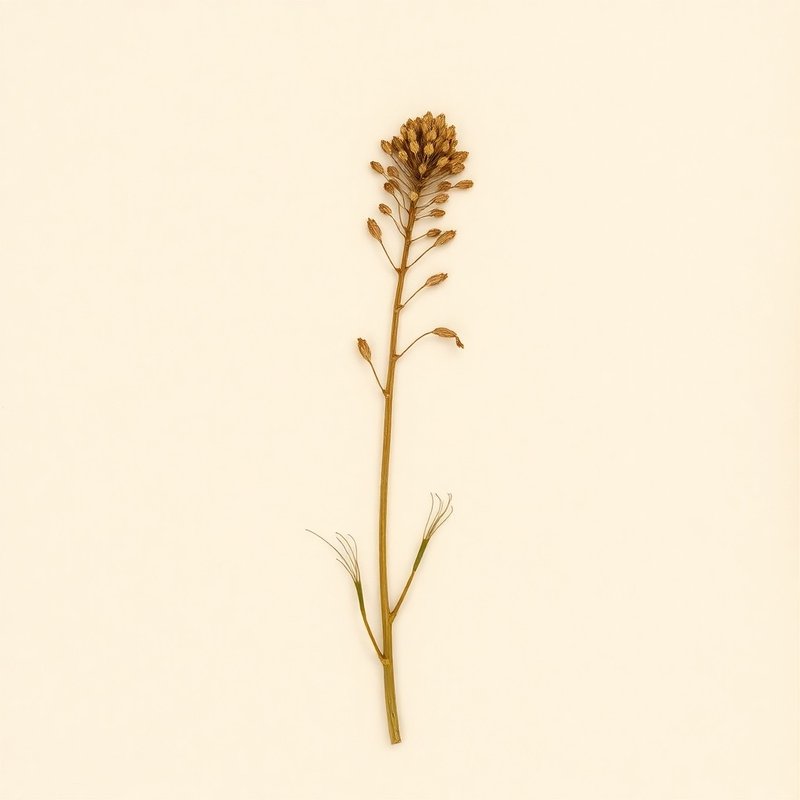
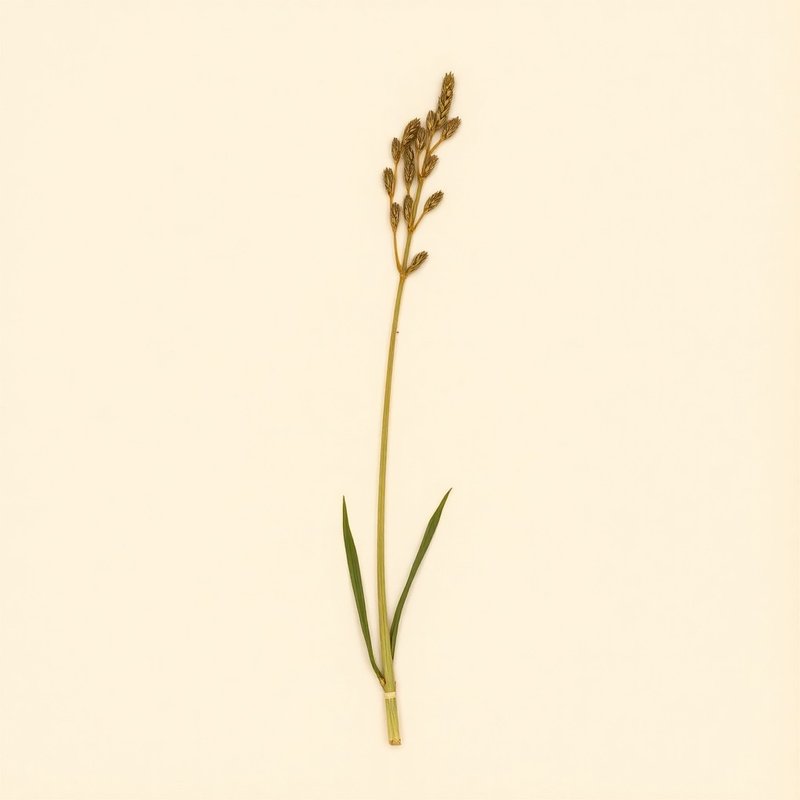
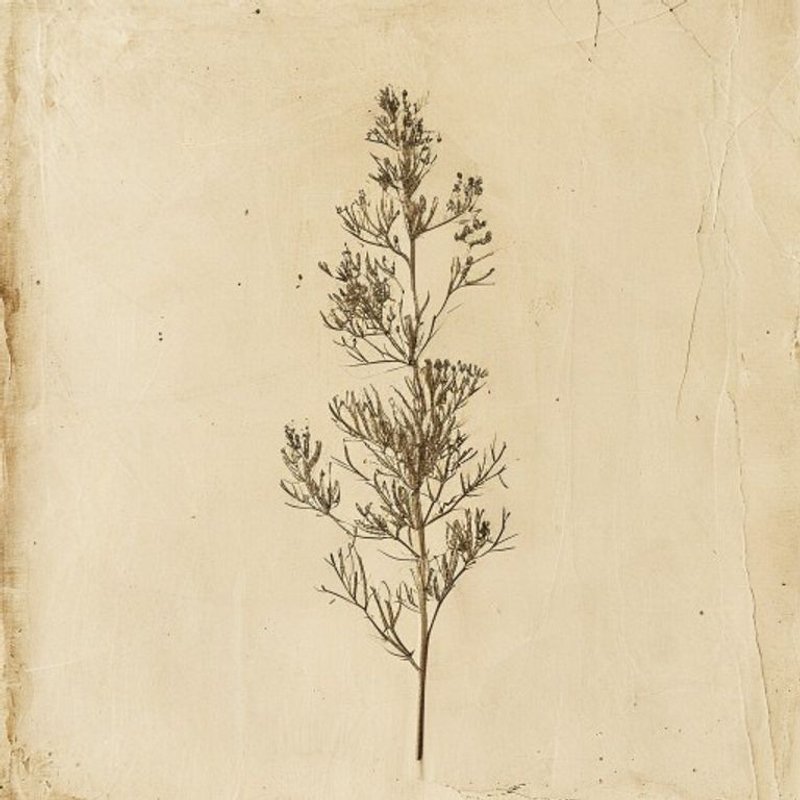
8 relatedPlants you might compare or use together — scored by shared family (Lamiaceae), common use cases, and growing requirements.
same family · Lamiaceae
Botanical relatives — often share phytochemistry + growing needs.

XI
Explore further
Companion planting
Compare with similar plants
Growing zone
XII
About this entry
- Last updated
- Citation
- How to cite this entry · Submit a correction
Back to the cataloguePlant id · f2dc1335-9115-4880-9fa5-bd365dc04af9
Decision aid
Choosing between Patchouli and something else?
Continue reading
❦❦❦❦
Endpaper · archive updates
Get archive updates
Occasional email when substantial new content lands — plant profiles, seasonal growing notes, folk-remedy additions. Free, no tracking, unsubscribe anytime.