
Alaska Wild Rhubarb
Polygonum alaskanumfam. Polygonaceae
Educational content — not medical, botanical, or professional advice. Always consult a qualified clinician before using any herbal preparation — especially during pregnancy, breastfeeding, while on medication, or for children. How we source & review →
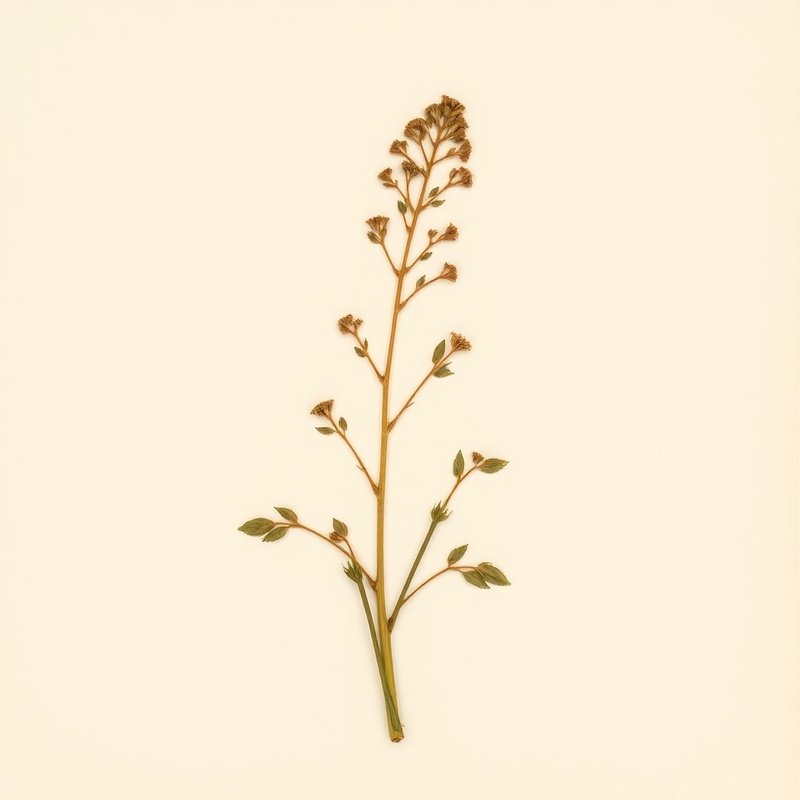
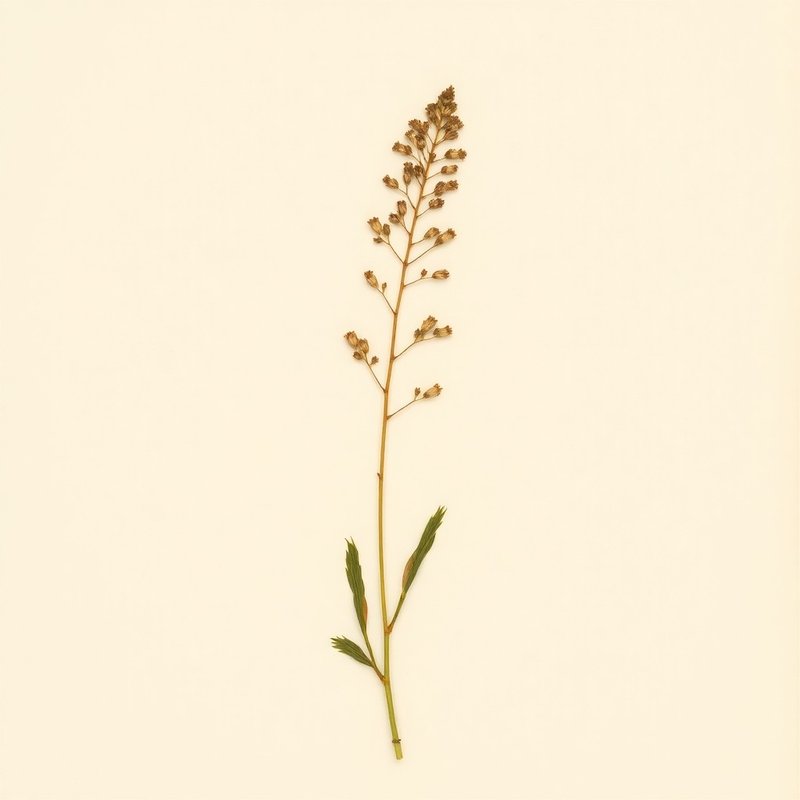
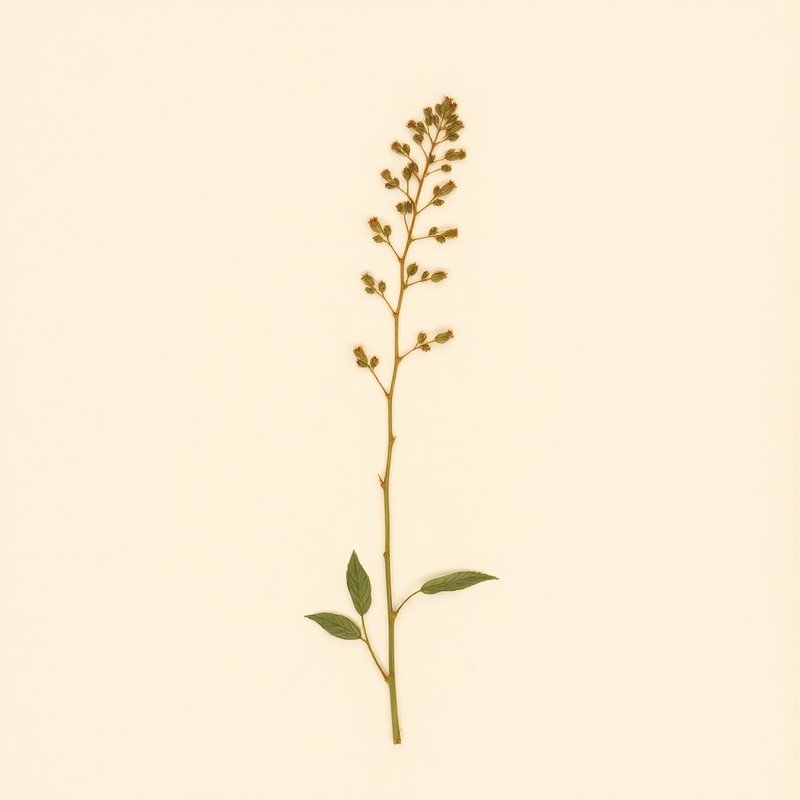
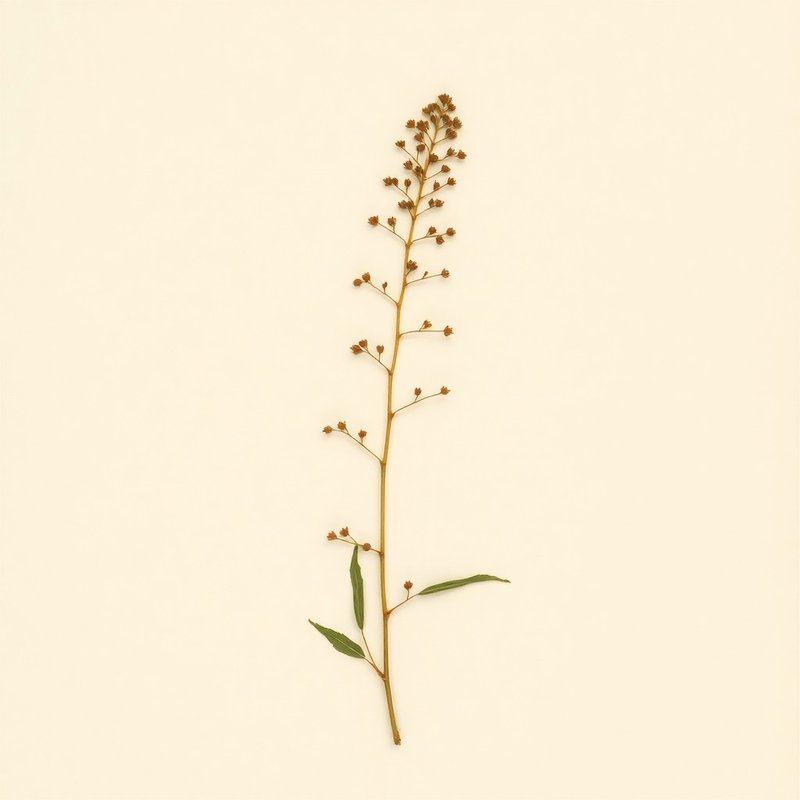
Pl. E667 — Polygonum alaskanum
Polygonum alaskanumPolygonum alaskanumPolygonum alaskanumPolygonum alaskanumPolygonum alaskanumPolygonum alaskanumPolygonum alaskanumPolygonum alaskanumPolygonum alaskanumPolygonum alaskanumPolygonum alaskanumPolygonum alaskanumPolygonum alaskanumPolygonum alaskanum
IOverview
Overview
Alaska Wild Rhubarb (Polygonum alaskanum) is a perennial herb native to the cold climates of Alaska, Magadan, Northwest Territories, Yukon, Afghanistan, Alabama, and Albania. Known for its edible and medicinal properties, this plant thrives in moist, light to heavy soils with a pH between 5.5 and 6.5. Its distinctive features include leaves, stems, and seeds that are all edible, and it can grow up to 1.8 meters tall. This hardy forb is valued for its versatility in both culinary and traditional medicine applications.
Quick answers
What is Alaska Wild Rhubarb?
Alaska Wild Rhubarb (Polygonum alaskanum) is a perennial herb native to the cold climates of Alaska, Magadan, Northwest Territories, Yukon, Afghanistan, Alabama, and Albania. Known for its edible and medicinal properties, this plant thrives in moist, light to heavy soils with a pH between 5.
IV·bMixology suggestions
1 draft
Mixology suggestions
1 draftEditorial drafts. These pairings are AI-suggested from traditional herbal lore. Always verify with a qualified herbalist before brewing.
Alaska Wild Rhubarb and Lady's Bedstraw
skintincture
Traditionally used for skin conditions.
Growingconditions · propagation · uses
VCultivation
Cultivation
Alaska Wild Rhubarb thrives in moist conditions and prefers light (sandy), medium, or heavy (clay) soils with a pH of 5.5 to 6.5. It is a perennial that grows up to 1.8 meters tall and can be propagated from seeds or divisions. This plant requires moderate light, making it suitable for partial shade to full sun exposure. Ensure the soil remains consistently moist but well-drained to avoid root rot. Hardy in temperate regions, Alaska Wild Rhubarb is native to areas including Alaska, Magadan, Northwest Territories, Yukon, and other parts of North America and Europe.
Light
7/10
Water
Moist
Soil
Light (sandy), Medium, Heavy (clay)
Life cycle
Perennial
Habit
Forb/herb
Mature size
1.8 m tall
Soil pH
5.5–6.5
For first-time growers
How to grow Alaska Wild Rhubarb for the first time
8steps
Start with Alaska Wild Rhubarb by ensuring you have the right conditions and care practices.
- 1
What you'll need
A suitable location, seeds or young plants, a trowel, and water.
- 2
Best time to plant
Plant in early spring when the soil is workable or in late summer for fall germination.
- 3
Soil and container prep
Ensure the soil is moist, with a pH between 5.5 and 6.5, and well-draining but not too sandy or clayey.
- 4
Sowing or transplanting
Direct sow seeds in the ground or start them indoors and transplant young plants after the last frost.
- 5
First two weeks
Keep the soil consistently moist, providing water when the top inch dries out.
- 6
Ongoing care
Water regularly to keep the soil moist but not soggy. Mulch around the plant to retain moisture and suppress weeds.
- 7
Harvest or pruning
Prune any dead or damaged leaves to maintain health, and consider harvesting young leaves for culinary use after a few years of growth.
- 8
Common mistakes
Overwatering, planting in heavy clay soil, neglecting to mulch, and not providing enough light.
VIEdible & utility
Edible & utility
Edible parts:LeavesSeedStem
Edible uses: Drink
Contextrange · companions · related
VIIDistribution
30 native · 0 introduced
Distribution
30 native · 0 introducedDistribution across4 continents· 30 native
Europe8 regions
native (8)AlbaniaAustriaBelarusBelgiumBulgariaPortugalRussiaSpain
Asia2 regions
native (2)AfghanistanChina
Americas1 region
native (1)United States
Africa1 region
native (1)Algeria
Broader regions
native:Yukon, Alabama, Alberta, Altay, Amur, Arizona, Arkansas, Baltic States, British Columbia, Buryatiya, California, Chita, Colorado, Connecticut, Magadan
IXSpecimen gallery
1 image
Specimen gallery
1 imageXSee also
8 related
See also
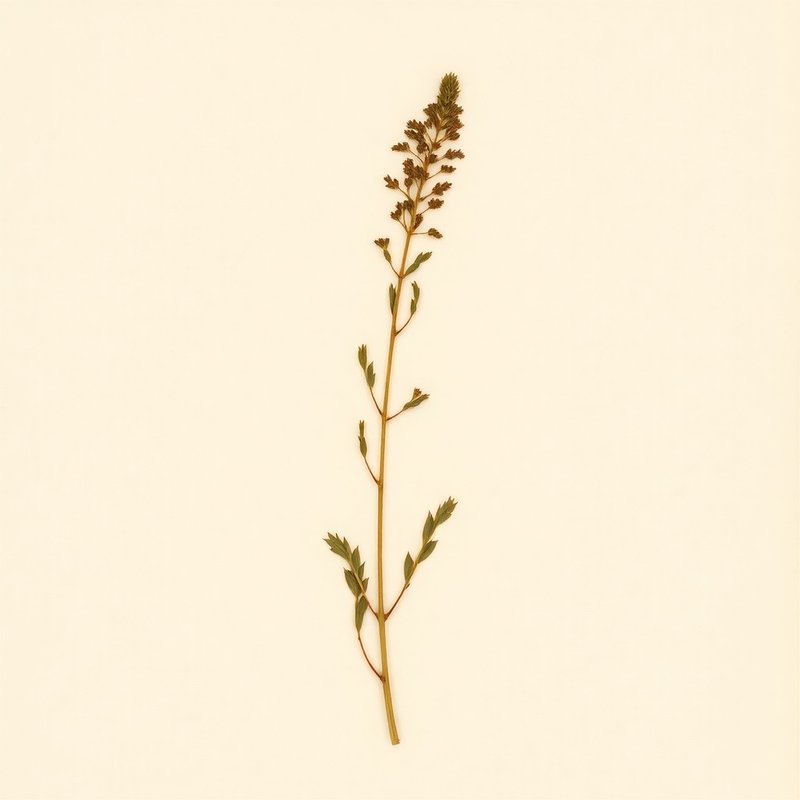
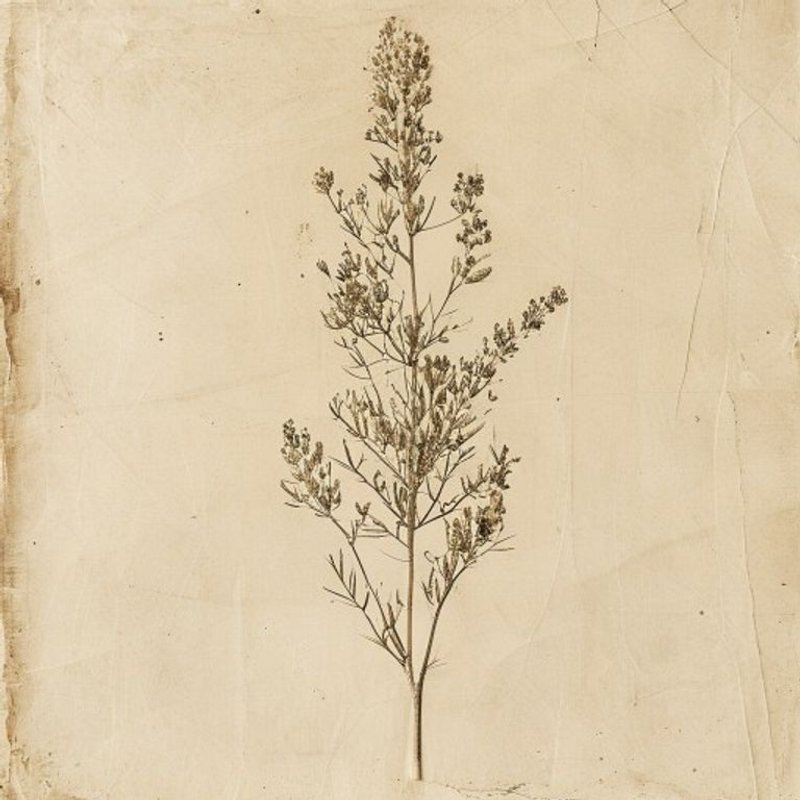
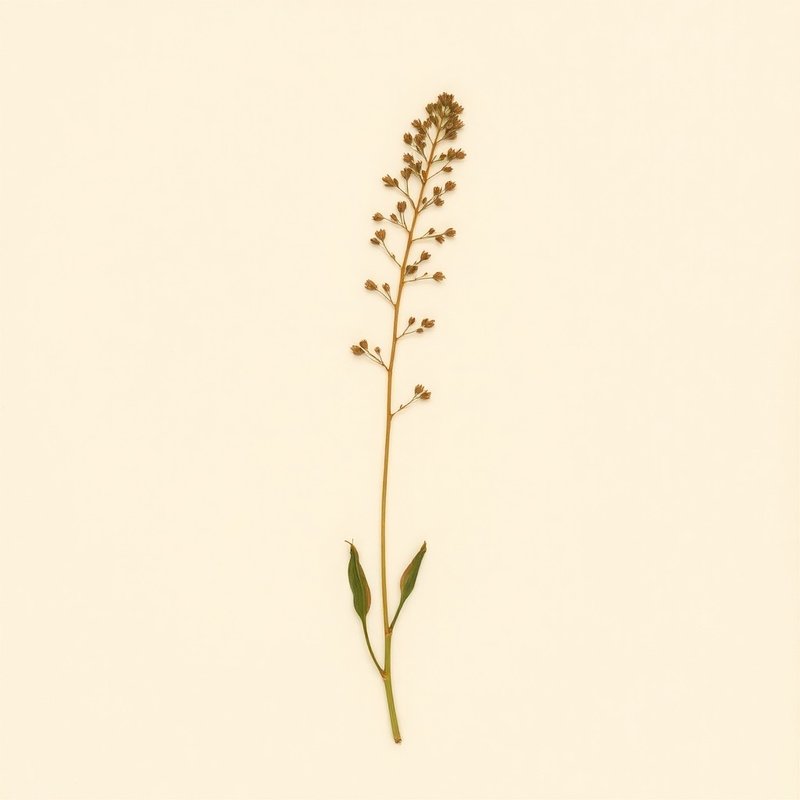
8 relatedPlants you might compare or use together — scored by shared family (Polygonaceae), common use cases, and growing requirements.
same family · Polygonaceae
Botanical relatives — often share phytochemistry + growing needs.


XI
Explore further
Companion planting
Compare with similar plants
XII
About this entry
- Last updated
- Citation
- How to cite this entry · Submit a correction
Back to the cataloguePlant id · e667f988-7c61-4e07-8259-e99a7fd65a9d
Decision aid
Choosing between Alaska Wild Rhubarb and something else?
Continue reading
❦❦❦❦
Endpaper · archive updates
Get archive updates
Occasional email when substantial new content lands — plant profiles, seasonal growing notes, folk-remedy additions. Free, no tracking, unsubscribe anytime.