
Smartweed
Polygonum hydropiperfam. Polygonaceae
Educational content — not medical, botanical, or professional advice. Always consult a qualified clinician before using any herbal preparation — especially during pregnancy, breastfeeding, while on medication, or for children. How we source & review →

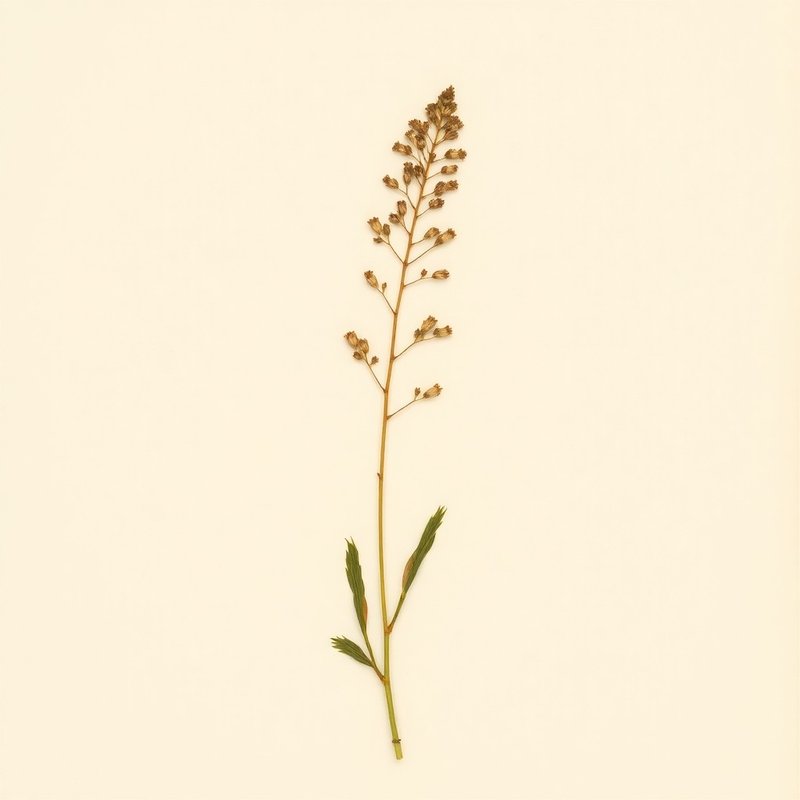
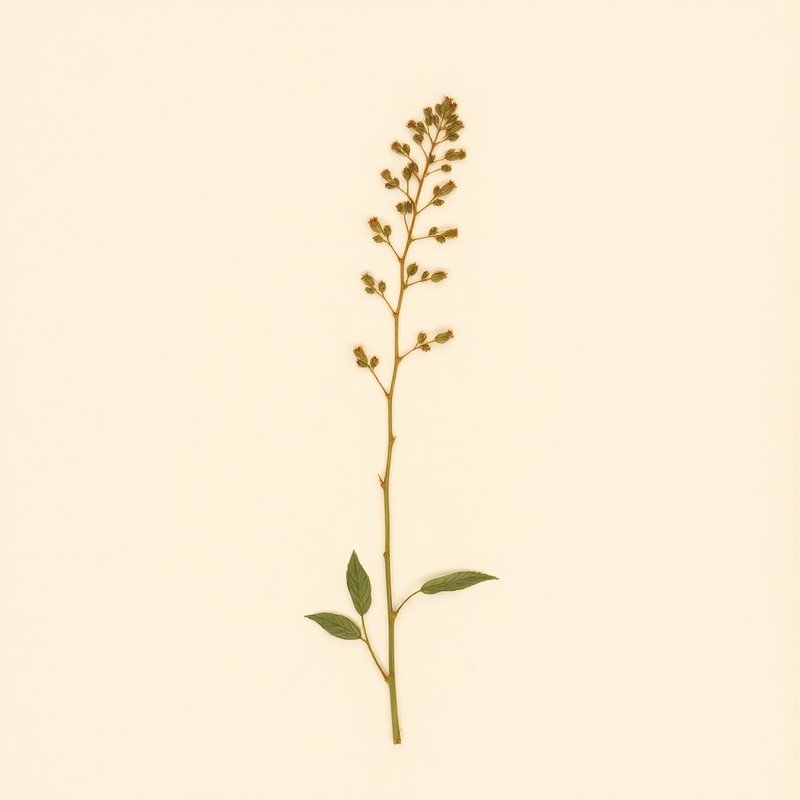
Pl. ABD0 — Polygonum hydropiper
Polygonum hydropiperPolygonum hydropiperPolygonum hydropiperPolygonum hydropiperPolygonum hydropiperPolygonum hydropiperPolygonum hydropiperPolygonum hydropiperPolygonum hydropiperPolygonum hydropiperPolygonum hydropiperPolygonum hydropiperPolygonum hydropiperPolygonum hydropiper
IOverview
Overview
Smartweed, scientifically known as Polygonum hydropiper, is an annual plant native to regions including Afghanistan, Albania, and Algeria. This light-loving species thrives in wetter soils of medium or heavy clay texture, growing up to 0.8 meters tall. It has been cultivated for its edible leaves and seeds, and used medicinally across various cultures. Smartweed's adaptability makes it a resilient plant in diverse climates, from Europe to Asia. Its preference for light soil and a pH range of 6.5–7 highlights its need for well-drained conditions while still tolerating heavier soils.
Quick answers
What is Smartweed?
Smartweed, scientifically known as Polygonum hydropiper, is an annual plant native to regions including Afghanistan, Albania, and Algeria. This light-loving species thrives in wetter soils of medium or heavy clay texture, growing up to 0.8 meters tall.
IV·bMixology suggestions
1 draft
Mixology suggestions
1 draftEditorial drafts. These pairings are AI-suggested from traditional herbal lore. Always verify with a qualified herbalist before brewing.
Water Harmony
skintincture
Historically used for skin conditions.
Growingconditions · propagation · uses
VCultivation
Cultivation
Smartweed thrives in wet conditions and prefers light to heavy soils, with a preference for medium texture. It is an annual that grows up to 0.8 meters tall and requires ample water. The plant can tolerate a soil pH of 6.5–7. For optimal growth, provide Smartweed with plenty of light, as it rates a moderate need for sunlight (light: 5/10). Ensure the soil is well-draining yet consistently moist to mimic its native habitat in wetter regions. Propagate through seeds directly sown into the garden bed after all danger of frost has passed.
Light
5/10
Water
Wet, Water
Soil
Light (sandy), Medium, Heavy (clay)
Life cycle
Annual
Mature size
0.8 m tall
Soil pH
6.5–7
For first-time growers
How to grow Smartweed for the first time
8steps
Start with Smartweed as an easy-to-grow annual plant, focusing on basic care.
- 1
What you'll need
Seeds or young plants, a container or garden bed, and basic gardening tools like a trowel.
- 2
Best time to plant
Plant in spring after the last frost, when temperatures are mild.
- 3
Soil and container prep
Choose a spot with light to medium soil that drains well. Ensure containers have drainage holes.
- 4
Sowing or transplanting
Direct sow seeds 0.5 inches deep in the garden bed, or start them indoors and transplant when they are about 2-3 inches tall.
- 5
First two weeks
Keep soil consistently moist during germination. Thin seedlings to 1 foot apart once they have several leaves.
- 6
Ongoing care
Water regularly, especially in dry spells. Provide light shade if the weather is very hot and sunny.
- 7
Harvest or pruning
Prune back plants after flowering to encourage new growth and prevent self-seeding.
- 8
Common mistakes
Overwatering, planting too deep, neglecting regular watering during dry spells.
VIEdible & utility
Edible & utility
Edible parts:LeavesSeed
Edible uses: Condiment, Rutin
Other uses:Dye
Contextrange · companions · related
VIIDistribution
30 native · 0 introduced
Distribution
30 native · 0 introducedDistribution across3 continents· 30 native
Europe13 regions
native (13)AlbaniaAustriaBelarusBelgiumBulgariaDenmarkFinlandFranceGermanyGreecePortugalRussiaUnited Kingdom
Asia4 regions
native (4)AfghanistanBangladeshChinaIndia
Africa1 region
native (1)Algeria
Broader regions
native:Altay, Amur, Andaman Is., Baltic States, Buryatiya, Chita, Czechoslovakia, East Himalaya, Hainan
IXSpecimen gallery
1 image
Specimen gallery
1 imageXSee also
8 related
See also
8 relatedPlants you might compare or use together — scored by shared family (Polygonaceae), common use cases, and growing requirements.
same family · Polygonaceae
Botanical relatives — often share phytochemistry + growing needs.


XI
Explore further
Companion planting
Compare with similar plants
XII
About this entry
- Last updated
- Citation
- How to cite this entry · Submit a correction
Back to the cataloguePlant id · abd03ffe-4236-4cd5-916c-b3120cf47971
Decision aid
Choosing between Smartweed and something else?
Continue reading
❦❦❦❦
Endpaper · archive updates
Get archive updates
Occasional email when substantial new content lands — plant profiles, seasonal growing notes, folk-remedy additions. Free, no tracking, unsubscribe anytime.