
Balsam Poplar
Populus balsamifera
Educational content — not medical, botanical, or professional advice. Always consult a qualified clinician before using any herbal preparation — especially during pregnancy, breastfeeding, while on medication, or for children. How we source & review →
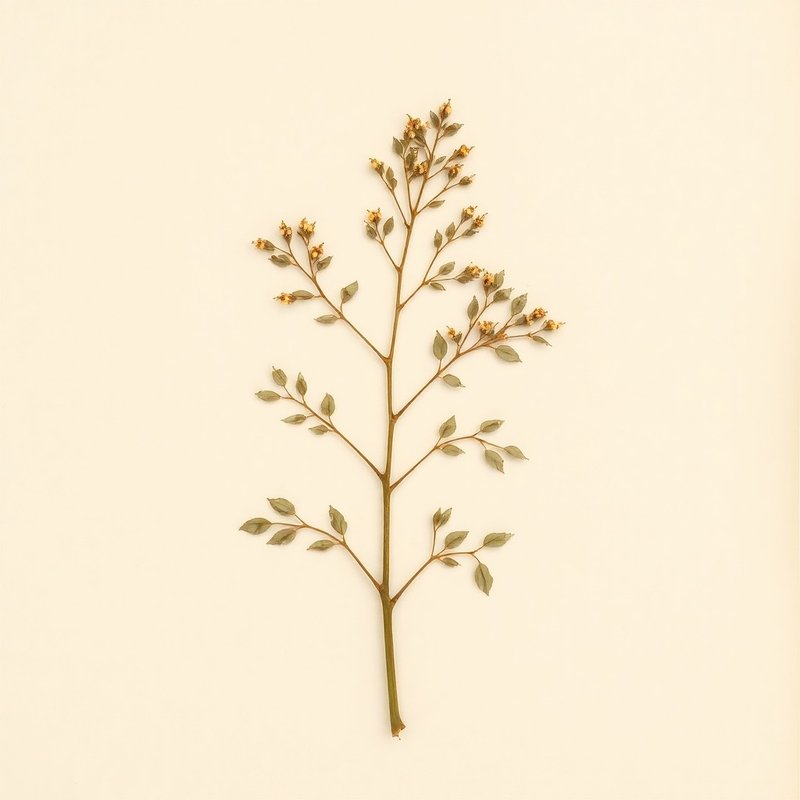
Pl. A04A — Populus balsamifera
Populus balsamiferaPopulus balsamiferaPopulus balsamiferaPopulus balsamiferaPopulus balsamiferaPopulus balsamiferaPopulus balsamiferaPopulus balsamiferaPopulus balsamiferaPopulus balsamiferaPopulus balsamiferaPopulus balsamiferaPopulus balsamiferaPopulus balsamifera
IOverview
Overview
Balsam Poplar (Populus balsamifera) is a tree native to the northeastern and north-central United States as well as parts of Canada, including Alaska, Alberta, British Columbia, and several New England states. Known for its light, moist-loving nature, this poplar thrives in soil types ranging from sandy to clay, with an optimal pH between 4.5 and 7. The tree reaches heights of up to 30 meters and is valued both for its edible flowers and inner bark, which can be consumed. Its distinctive feature includes the release of a balsamic scent when the leaves are crushed, earning it the common name Balsam Poplar.
Quick answers
What is Balsam Poplar?
Balsam Poplar (Populus balsamifera) is a tree native to the northeastern and north-central United States as well as parts of Canada, including Alaska, Alberta, British Columbia, and several New England states.
What is Balsam Poplar used for?
Traditionally used for digestion, immune support. Each claim is evidence-rated — see Section II for full citations.
Best for
Top 2 evidence-ranked uses of Balsam Poplar
Clinicaluses · safety · chemistry · dosagemedicinal profile
IIBenefits & evidence
2 claims · 0 sources
Benefits & evidence
2 claims · 0 sources- Balsam Poplar has been traditionally used in North American herbal medicine to aid digestion, often prepared as a tea from the flowers. This preparation is believed to help soothe digestive discomfort.
The mechanism by which Balsam Poplar aids digestion is not fully characterised but may involve compounds such as salicylates and flavonoids that have anti-inflammatory effects on the gastrointestinal tract.
- Balsam Poplar has been traditionally used in North American herbal medicine to support immune function, often prepared as a decoction from the inner bark. This preparation is believed to help maintain overall health during seasonal changes.
The mechanism by which Balsam Poplar supports immune function is not fully characterised but may involve bioactive compounds such as salicin and other phenolic acids that have anti-inflammatory properties.
Growingconditions · propagation · uses
VCultivation
Cultivation
Balsam Poplar thrives in moist conditions and prefers light (sandy), medium, or heavy (clay) soils with a pH between 4.5 and 7. It requires ample water but can tolerate various soil types. This tree is hardy in temperate regions and grows to a height of 30 meters. For cultivation, ensure the plant receives moderate light; full sun to partial shade works well. Propagate through seeds or cuttings for best results. Edible parts include flowers and inner bark, making this a versatile addition to gardens and landscapes.
Light
8/10
Water
Moist
Soil
Light (sandy), Medium, Heavy (clay)
Habit
Tree
Mature size
30.0 m tall
Soil pH
4.5–7
VIEdible & utility
Edible & utility
Edible parts:FlowersInner bark
Edible uses: The Balsam Poplar's inner bark and flowers are edible. The inner bark can be peeled and eaten raw or dried for later use. Flowers may be consumed fresh in salads or steeped to make a light tea. Both parts offer a mild, slightly sweet flavor.
Other uses:PioneerResinRooting hormoneLumberFragrance
Contextrange · companions · related
VIIDistribution
30 native · 0 introduced
Distribution
30 native · 0 introducedDistribution across1 continent· 30 native
Americas1 region
native (1)United States
Broader regions
native:Kentucky, West Virginia, Wisconsin, Wyoming, Yukon, Manitoba, Masachusettes, Alberta, British Columbia, Colorado, Connecticut, Delaware, Illinois, Indiana, Iowa, Massachusetts, Labrador, Magadan, Maine, Michigan, Minnesota, Montana, New Brunswick, New Hampshire, New York, Newfoundland, North Dakota, Northwest Territorie, Nova Scotia
IXSpecimen gallery
1 image
Specimen gallery
1 imageXSee also
8 related
See also
8 relatedPlants you might compare or use together — scored by shared family, common use cases, and growing requirements.
shared use cases
Different families, similar therapeutic role — good for comparing.


XI
Explore further
Companion planting
Health goals
Compare with similar plants
XII
About this entry
- Last updated
- Citation
- How to cite this entry · Submit a correction
Back to the cataloguePlant id · a04a2f68-d461-4d0c-a8b2-5f1e597805c1
Decision aid
Choosing between Balsam Poplar and something else?
Continue reading
❦❦❦❦
Endpaper · archive updates
Get archive updates
Occasional email when substantial new content lands — plant profiles, seasonal growing notes, folk-remedy additions. Free, no tracking, unsubscribe anytime.