
Pin Cherry
IOverview
Overview
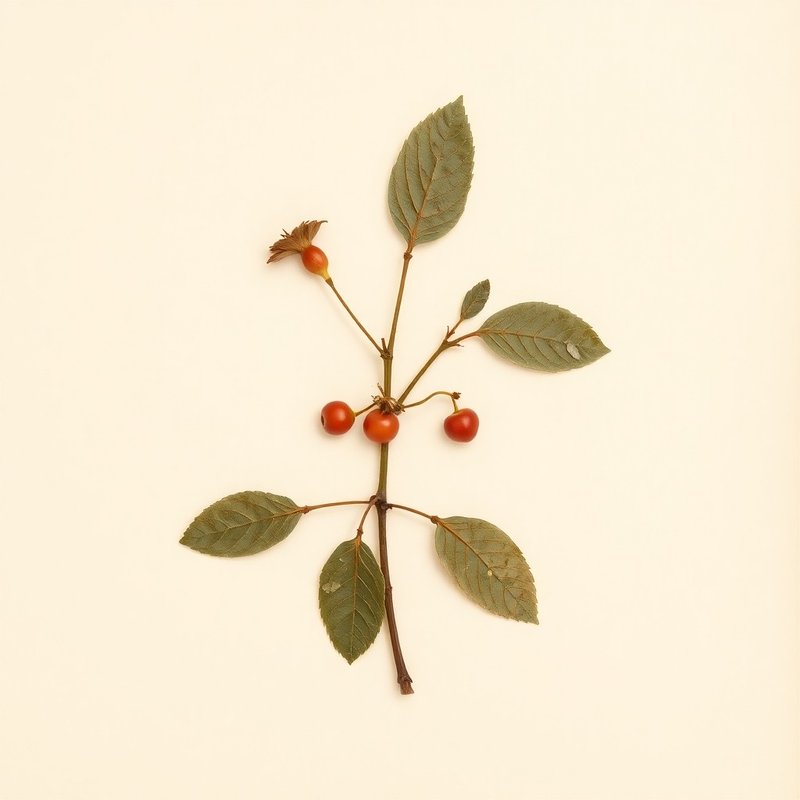
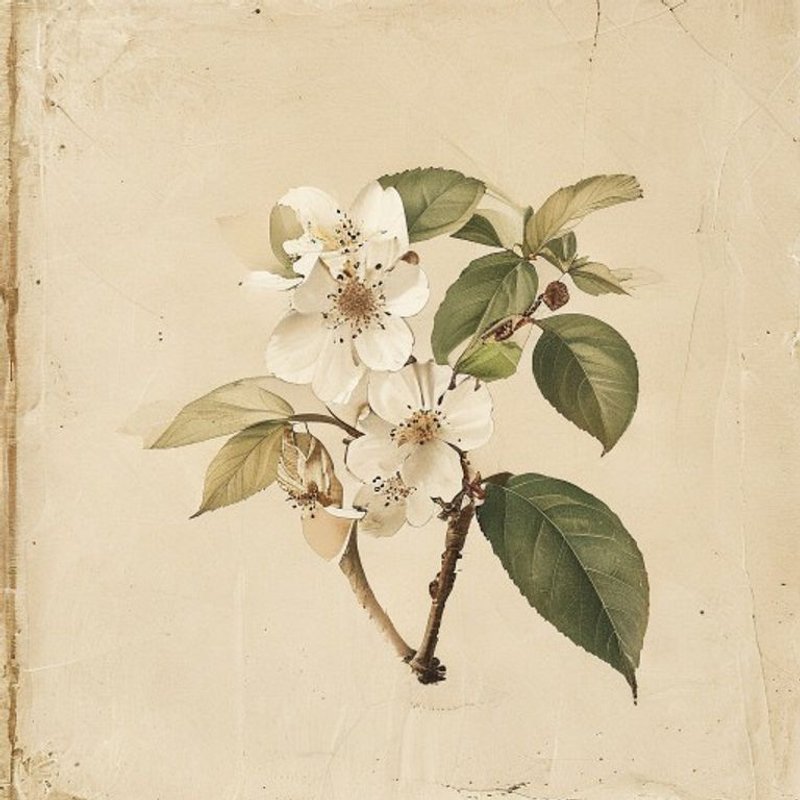
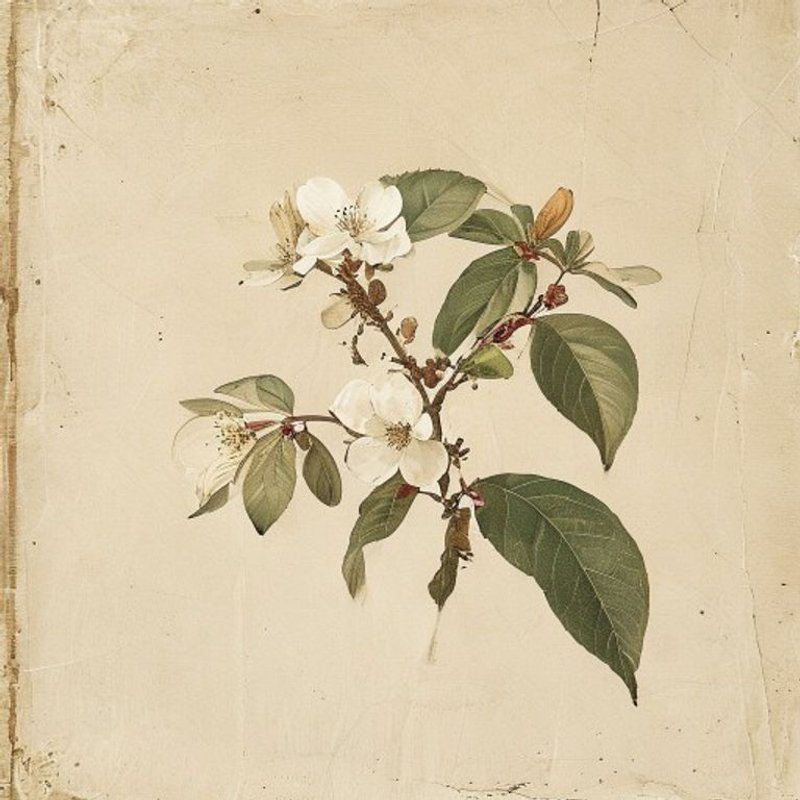
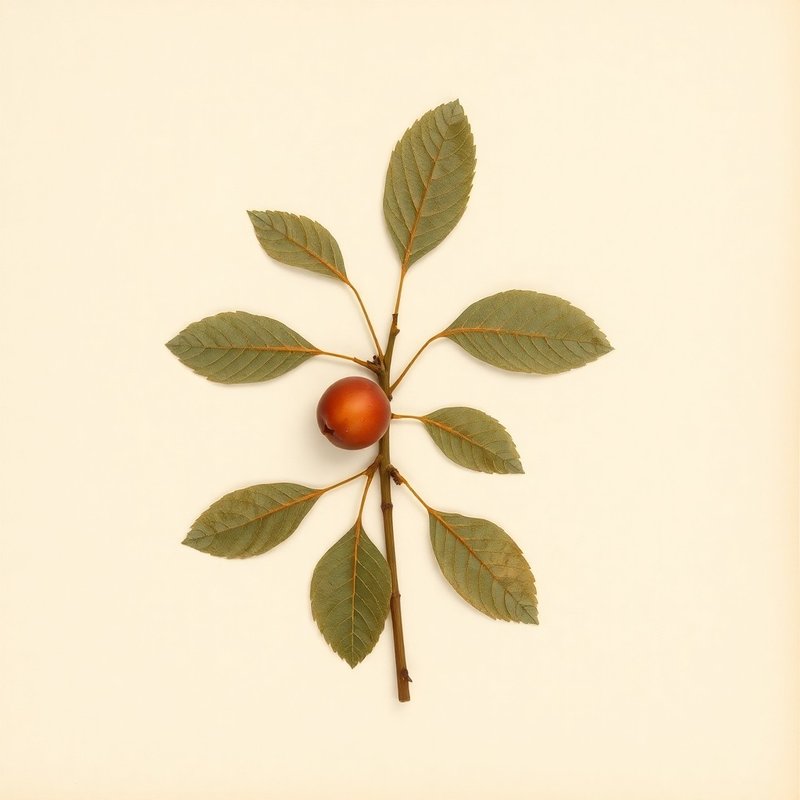
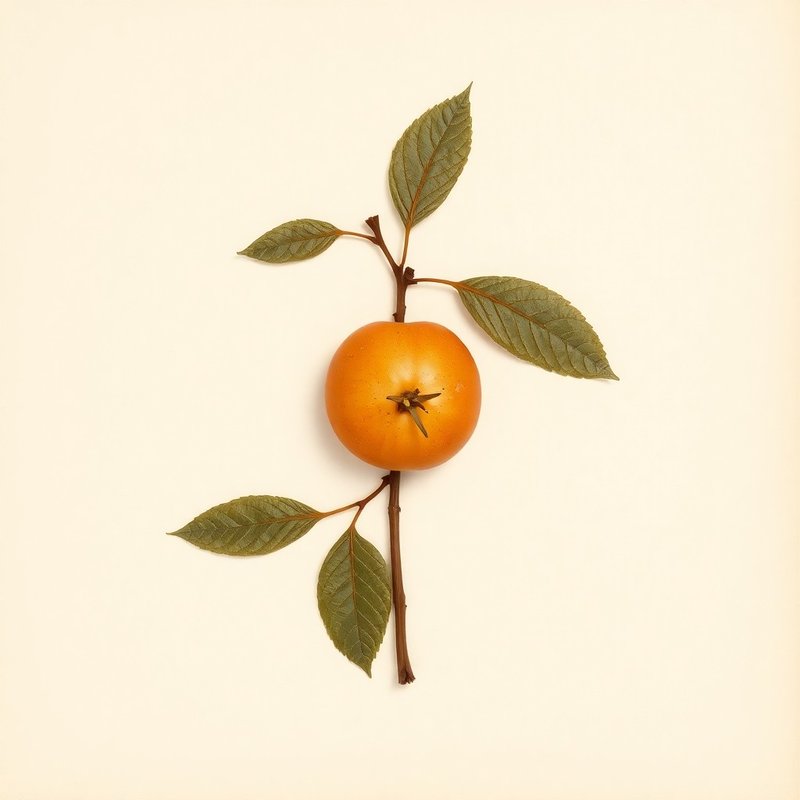
Pin Cherry (Prunus pensylvanica) is a deciduous tree or shrub native to the eastern and north-central United States, as well as parts of Canada, including regions such as Alberta, British Columbia, Colorado, Connecticut, Georgia, Illinois, Indiana, Iowa, Labrador, Maine, Manitoba, Maryland, Massachusetts, Michigan, Minnesota, Montana, New Brunswick, New Hampshire, New Jersey, New York, Newfoundland, North Carolina, North Dakota, Northwest Territories, Nova Scotia, Ohio, Ontario, Pennsylvania, Prince Edward Island, Quebec, Rhode Island, Saskatchewan, South Dakota, Tennessee, Vermont, Virginia, West Virginia, Wisconsin, and Wyoming. This adaptable plant thrives in various habitats, from moist, light (sandy) to heavy (clay) soil with a pH between 4.3 and 7.3, and it requires full sun to grow well. Pin Cherry is known for its edible fruit, which can be used fresh or processed into jams and preserves, and for its ornamental value, with white flowers in spring and red berries in summer. Its distinctive features include the small, reddish-brown fruit and its ability to tolerate a wide range of environmental conditions, making it a valuable addition to gardens and landscapes. While Pin Cherry is not typically used for medicinal purposes, it is important to exercise caution when handling any plant, as some parts may be toxic.
What is Pin Cherry?
Pin Cherry (Prunus pensylvanica) is a deciduous tree or shrub native to the eastern and north-central United States, as well as parts of Canada, including regions such as Alberta, British Columbia, Colorado, Connecticut, Georgia, Illinois, Indiana, Iowa, Labrador, Maine, Manitoba
IV·bMixology suggestions
1 draft
Mixology suggestions
1 draftVCultivation
Cultivation
How to grow Pin Cherry for the first time
Start with a simple Pin Cherry tree to gain experience in growing trees from seeds.
- 1
What you'll need
Pin Cherry seeds, potting soil, containers or garden space.
- 2
Best time to plant
Plant in early spring or late fall when the ground is not frozen.
- 3
Soil and container prep
Use well-draining soil with a pH between 4.3 and 7.3, ensuring containers are at least 15 cm deep.
- 4
Sowing or transplanting
Plant seeds about 2.5 cm deep in the soil; keep moist until germination.
- 5
First two weeks
Keep the soil consistently moist and provide partial shade to help seedlings establish.
- 6
Ongoing care
Water regularly, especially during dry spells, and mulch around the base for moisture retention.
- 7
Harvest or pruning
Prune in late winter before new growth starts; harvest fruit when ripe but avoid over-picking.
- 8
Common mistakes
Overwatering, planting too deep, neglecting to prune, and not providing enough sunlight.
VIEdible & utility
Edible & utility
VIIDistribution
40 native · 4 introduced
Distribution
40 native · 4 introducedIXSpecimen gallery
1 image
Specimen gallery
1 imageXSee also
8 related
See also
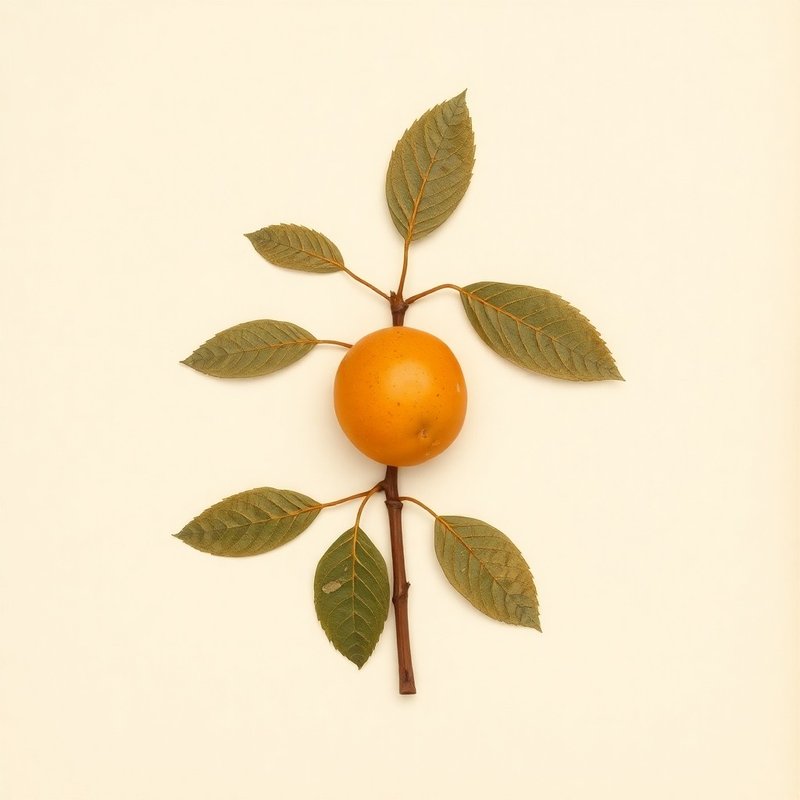
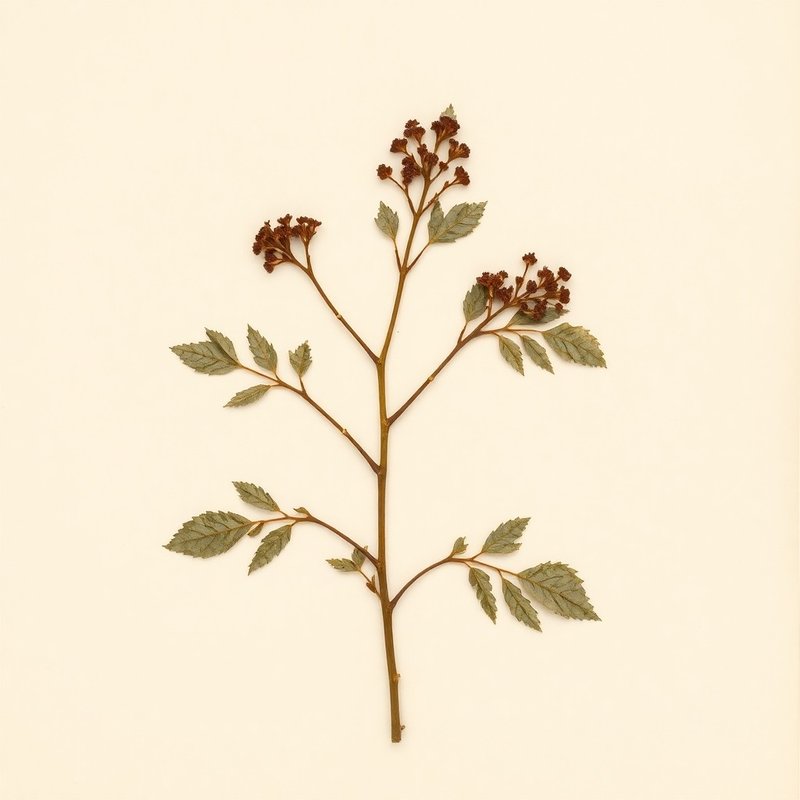
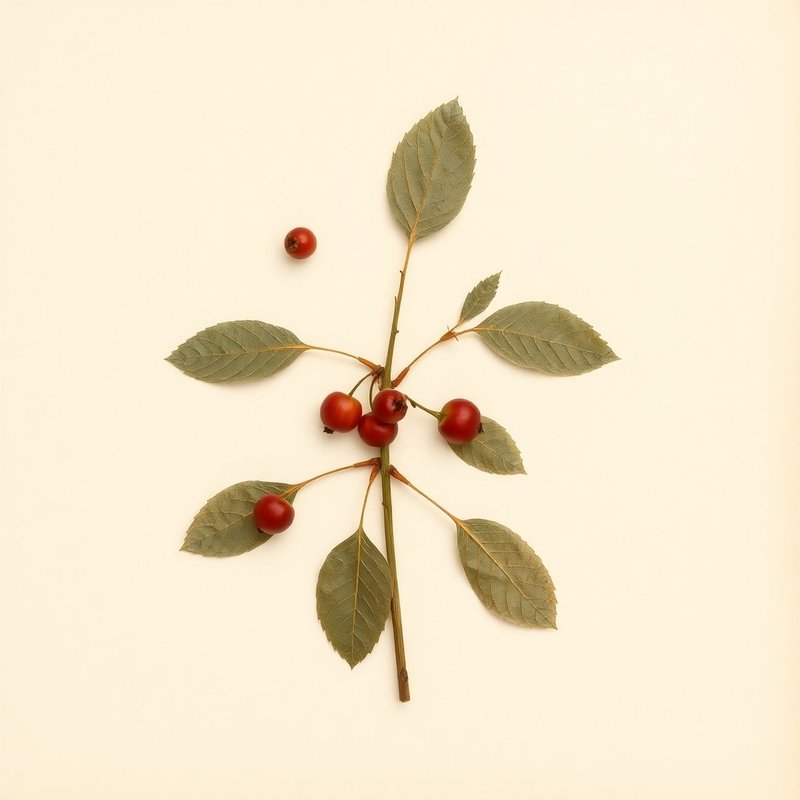
8 relatedPlants you might compare or use together — scored by shared family (Rosaceae), common use cases, and growing requirements.

Explore further
About this entry
- Last updated
- Citation
- How to cite this entry · Submit a correction
Continue reading
Get archive updates
Occasional email when substantial new content lands — plant profiles, seasonal growing notes, folk-remedy additions. Free, no tracking, unsubscribe anytime.