
Prunus ursina
Prunus ursinafam. Rosaceae
Educational content — not medical, botanical, or professional advice. Always consult a qualified clinician before using any herbal preparation — especially during pregnancy, breastfeeding, while on medication, or for children. How we source & review →
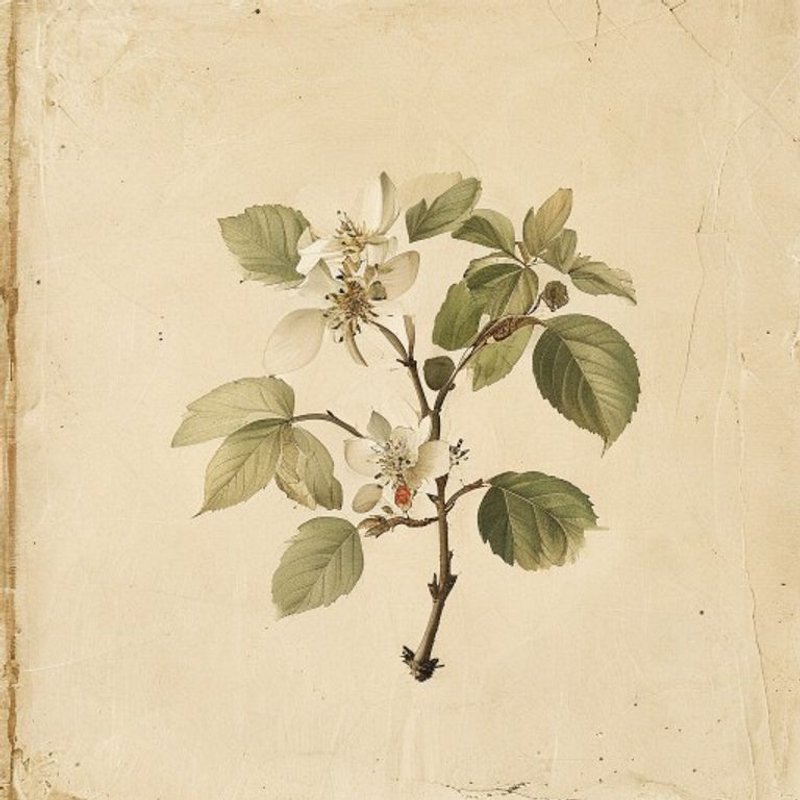
Pl. 1A97 — Prunus ursina
Prunus ursinaPrunus ursinaPrunus ursinaPrunus ursinaPrunus ursinaPrunus ursinaPrunus ursinaPrunus ursinaPrunus ursinaPrunus ursinaPrunus ursinaPrunus ursinaPrunus ursinaPrunus ursina
IOverview
Overview
Prunus ursina, a member of the Rosaceae family and native to regions including Albania, East Aegean Islands, Greece, Italy, Lebanon-Syria, Palestine, Turkey, and Yugoslavia, is known for its edible and medicinal properties. This plant thrives in moist conditions with light soil types—ranging from sandy to heavy clay—and prefers full sun to partial shade. Its fruit and seeds are commonly harvested for consumption. Additionally, the plant has a documented history of use in traditional medicine, making it both an ornamental and utilitarian addition to landscapes. One distinctive feature is its adaptability to various soil conditions, allowing it to grow in diverse environments across its native range.
Quick answers
What is Prunus ursina?
Prunus ursina, a member of the Rosaceae family and native to regions including Albania, East Aegean Islands, Greece, Italy, Lebanon-Syria, Palestine, Turkey, and Yugoslavia, is known for its edible and medicinal properties.
IV·bMixology suggestions
2 drafts
Mixology suggestions
2 draftsEditorial drafts. These pairings are AI-suggested from traditional herbal lore. Always verify with a qualified herbalist before brewing.
Digestive Harmony
digestiontincture
Used for digestive issues in traditional herbal practices.
Growingconditions · propagation · uses
VCultivation
Cultivation
Prunus ursina thrives in full to partial sun and prefers moist, well-draining soil that can be light (sandy), medium, or heavy (clay). It is hardy in temperate regions but may struggle in extreme climates. For propagation, seeds are the preferred method. Ensure the plant receives adequate water, especially during dry periods, to maintain its health and fruit production.
Light
Full sun, Partial sun/shade
Water
Moist
Soil
Light (sandy), Medium, Heavy (clay)
For first-time growers
How to grow Prunus ursina for the first time
8steps
Start with a simple planting of Prunus ursina to gain experience in growing this unique fruit.
- 1
What you'll need
A young Prunus ursina sapling, well-draining soil, and a container or garden space.
- 2
Best time to plant
Plant Prunus ursina in early spring when the ground is workable but not too wet.
- 3
Soil and container prep
Ensure your soil is light, medium, or heavy with good drainage. Containers should be at least 18 inches wide and deep.
- 4
Sowing or transplanting
Transplant the sapling to a prepared spot in the garden or a large container filled with well-draining soil.
- 5
First two weeks
Water regularly, keeping the soil moist but not waterlogged. Monitor for pests and diseases.
- 6
Ongoing care
Prune lightly to shape the tree in early spring. Water deeply once a week during dry spells.
- 7
Harvest or pruning
Prune annually to maintain shape and health, focusing on removing dead or crossing branches.
- 8
Common mistakes
Overwatering, not providing enough sunlight, neglecting regular pruning, planting in poorly drained soil, and using too much fertilizer.
VIEdible & utility
Edible & utility
Edible parts:FruitSeed
Edible uses: The fruit of Prunus ursina is edible and can be eaten raw or used in various preparations. The seed, while part of the plant, is not typically consumed due to potential toxicity. The fruit may also be dried for later use.
Other uses:Dye
Contextrange · companions · related
VIIDistribution
8 native · 0 introduced
Distribution
8 native · 0 introducedDistribution across2 continents· 8 native
Europe3 regions
native (3)AlbaniaGreeceItaly
Asia2 regions
native (2)PalestineTurkey
Broader regions
native:East Aegean Is., Lebanon-Syria, Yugoslavia
IXSpecimen gallery
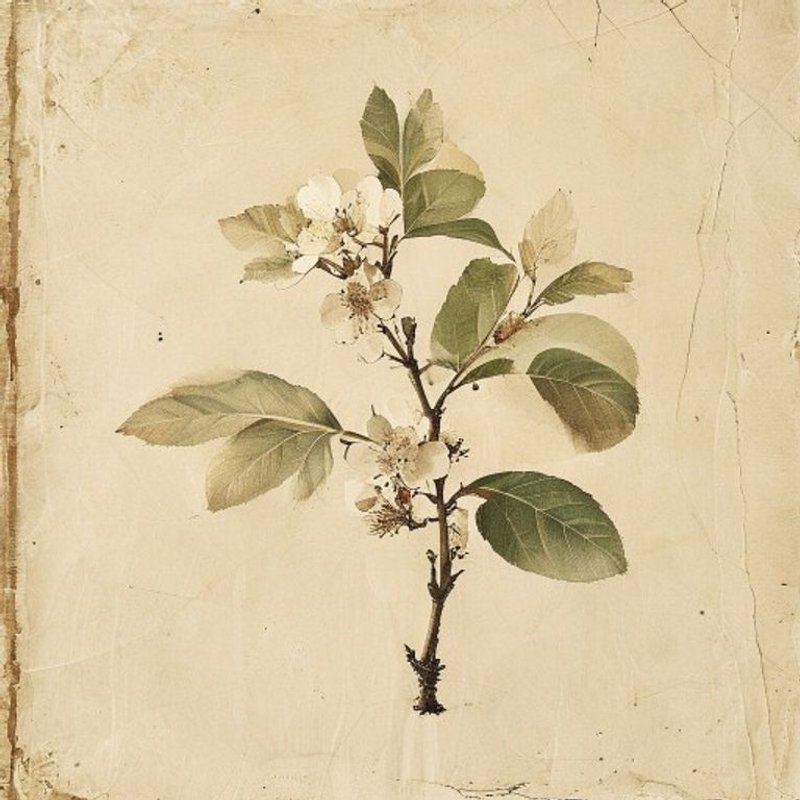
1 image
Specimen gallery
1 imageXSee also
8 related
See also
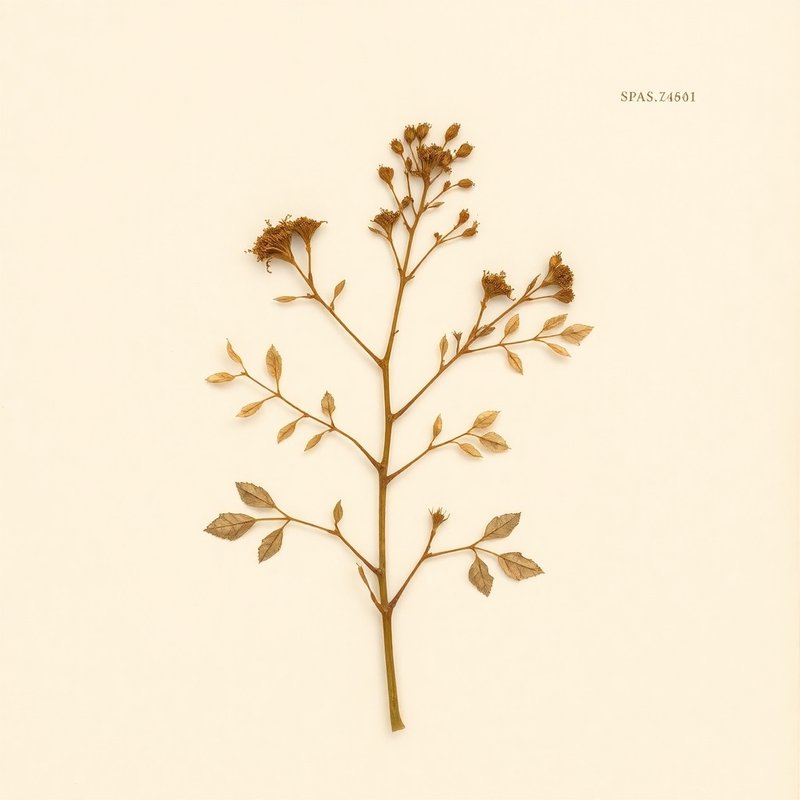
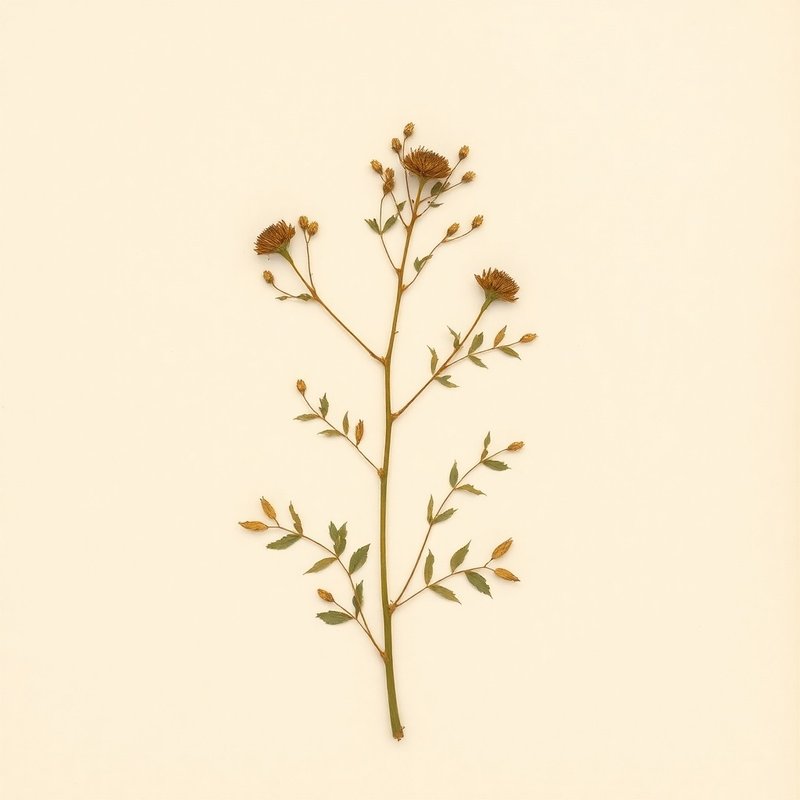
8 relatedPlants you might compare or use together — scored by shared family (Rosaceae), common use cases, and growing requirements.
same family · Rosaceae
Botanical relatives — often share phytochemistry + growing needs.

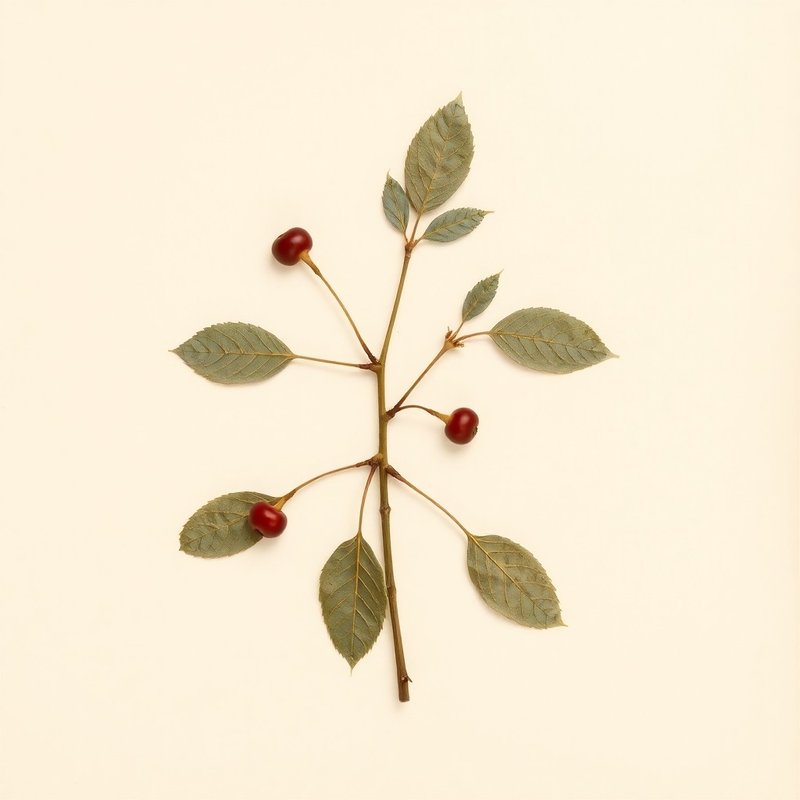
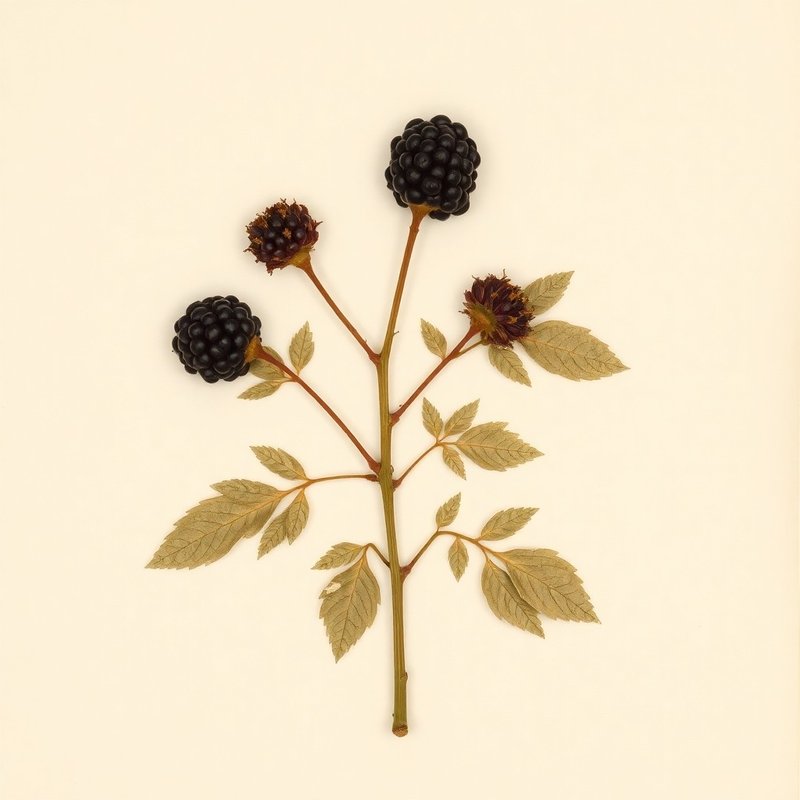
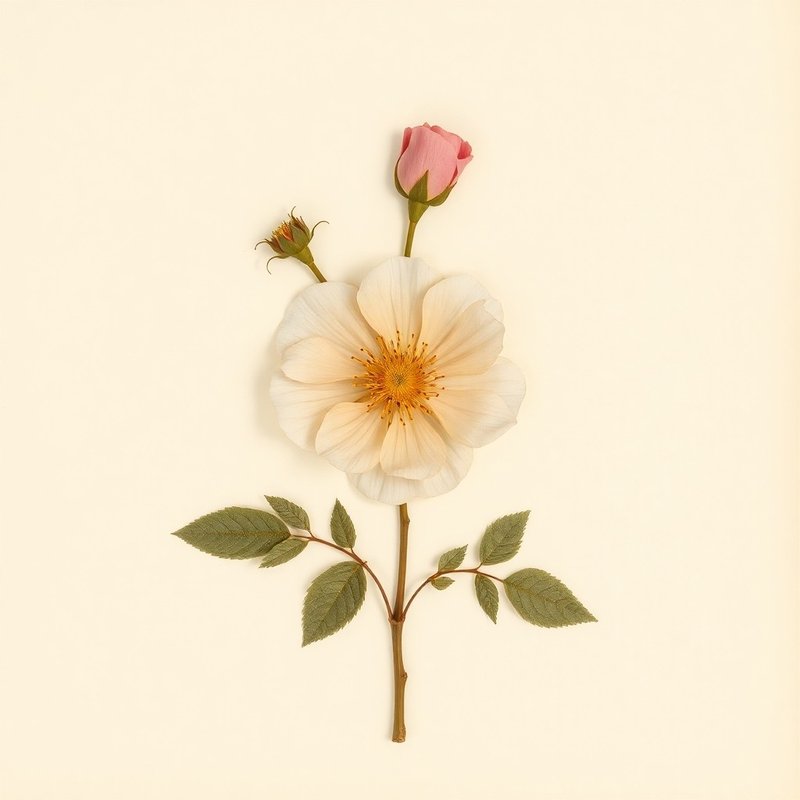
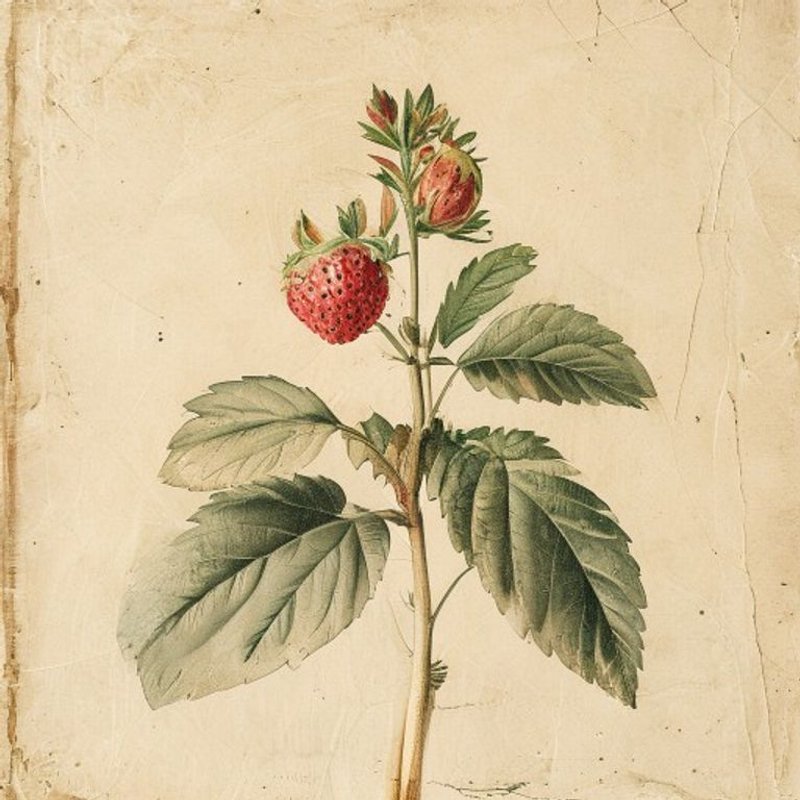
XI
Explore further
Companion planting
Compare with similar plants
XII
About this entry
- Last updated
- Citation
- How to cite this entry · Submit a correction
Back to the cataloguePlant id · 1a979b80-70d7-4da9-a2d0-71b58f995040
Decision aid
Choosing between Prunus ursina and something else?
Continue reading
❦❦❦❦
Endpaper · archive updates
Get archive updates
Occasional email when substantial new content lands — plant profiles, seasonal growing notes, folk-remedy additions. Free, no tracking, unsubscribe anytime.