
Psoralea mephitica
IOverview
Overview
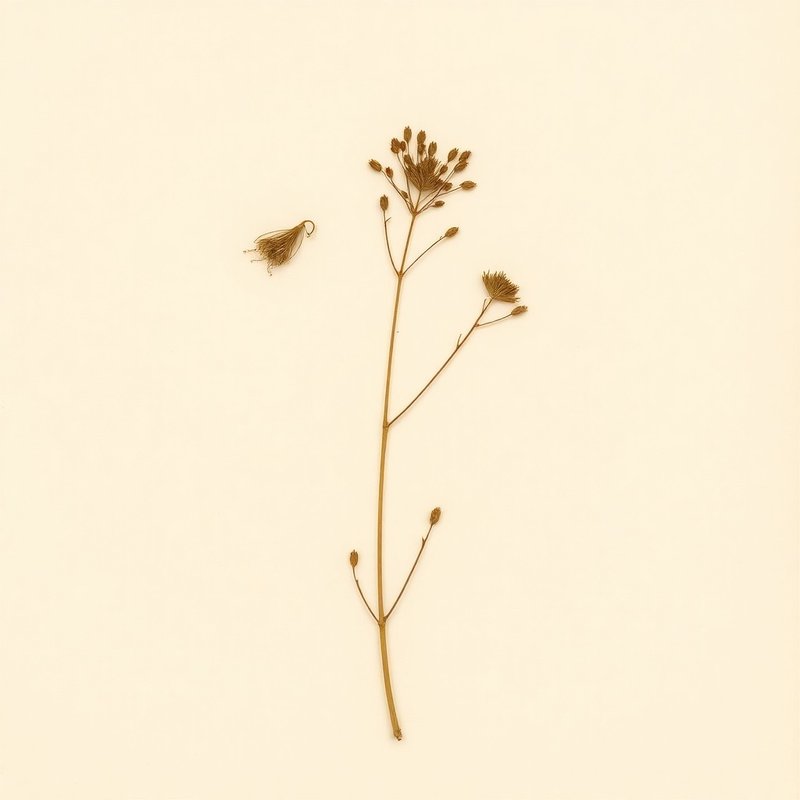
Psoralea mephitica, commonly known as Psoralea mephitica, is a perennial forb or herb native to the arid regions of Arizona, California, and Utah. This plant thrives in full sun and can tolerate both dry and moist conditions, making it adaptable to various soil types, including light (sandy), medium, and heavy (clay). Known for its edible roots, P. mephitica is valued not only for its culinary uses but also for its ornamental appeal in gardens. The roots can be prepared in various ways, commonly dried before use, though they may also be eaten raw or cooked. This plant is also recognized for its utility in erosion control and as a nitrogen fixer, contributing to soil health. Its resilience and adaptability to diverse habitats make P. mephitica a valuable addition to gardens and landscapes in its native regions. While the plant is not medicinal, it is important to handle it with care, especially when preparing the roots for consumption, to avoid any potential irritation or allergic reactions.
What is Psoralea mephitica?
Psoralea mephitica, commonly known as Psoralea mephitica, is a perennial forb or herb native to the arid regions of Arizona, California, and Utah. This plant thrives in full sun and can tolerate both dry and moist conditions, making it adaptable to various soil types, including light (sandy), medium, and heavy (clay).
VCultivation
Cultivation
How to grow Psoralea mephitica for the first time
Start with basic care for Psoralea mephitica, focusing on sunlight and soil preparation.
- 1
What you'll need
Seeds or seedlings, a trowel, mulch.
- 2
Best time to plant
Plant in spring after the last frost.
- 3
Soil and container prep
Choose well-draining soil with a pH between 6.0 and 8.0. Ensure containers are at least 12 inches deep.
- 4
Sowing or transplanting
Direct sow seeds 1 inch deep, or transplant seedlings into the garden after they have grown true leaves.
- 5
First two weeks
Water sparingly to avoid rot. Keep soil moist but not waterlogged.
- 6
Ongoing care
Provide full sun and regular watering during dry periods. Mulch around the base for moisture retention.
- 7
Harvest or pruning
Prune dead or damaged branches in late winter to maintain plant health.
- 8
Common mistakes
Overwatering, planting in heavy soil, neglecting sun exposure.
VIEdible & utility
Edible & utility
VIIDistribution
3 native · 0 introduced
Distribution
3 native · 0 introducedIXSpecimen gallery
1 image
Specimen gallery
1 imageXSee also
8 related
See also
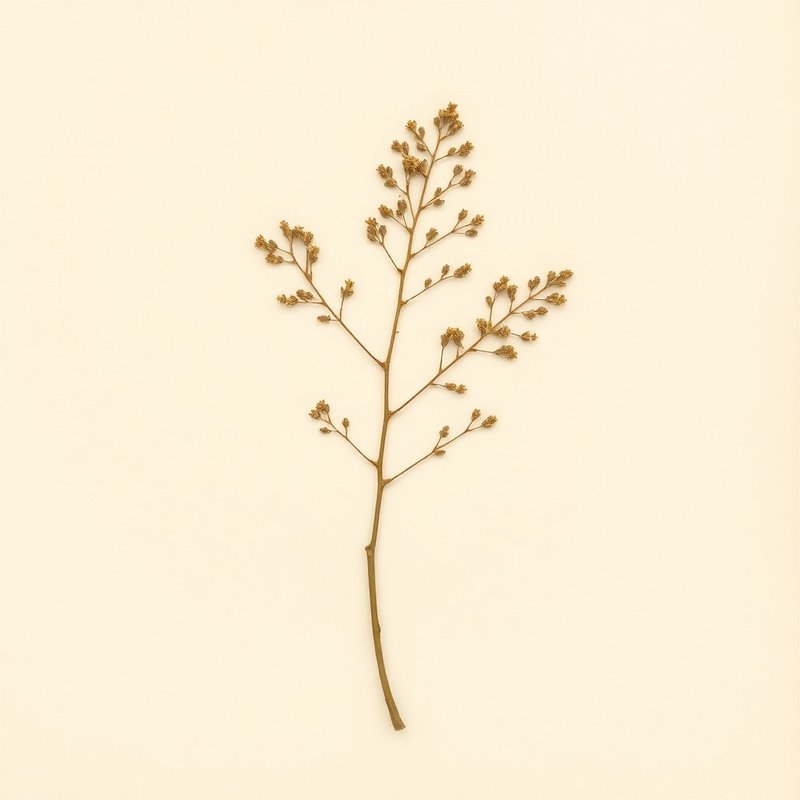
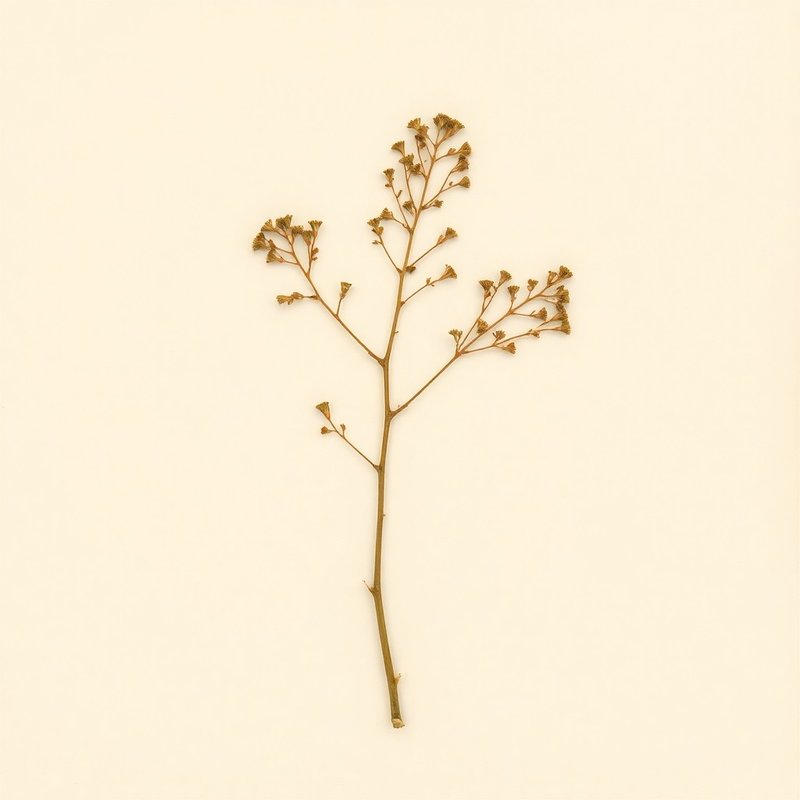
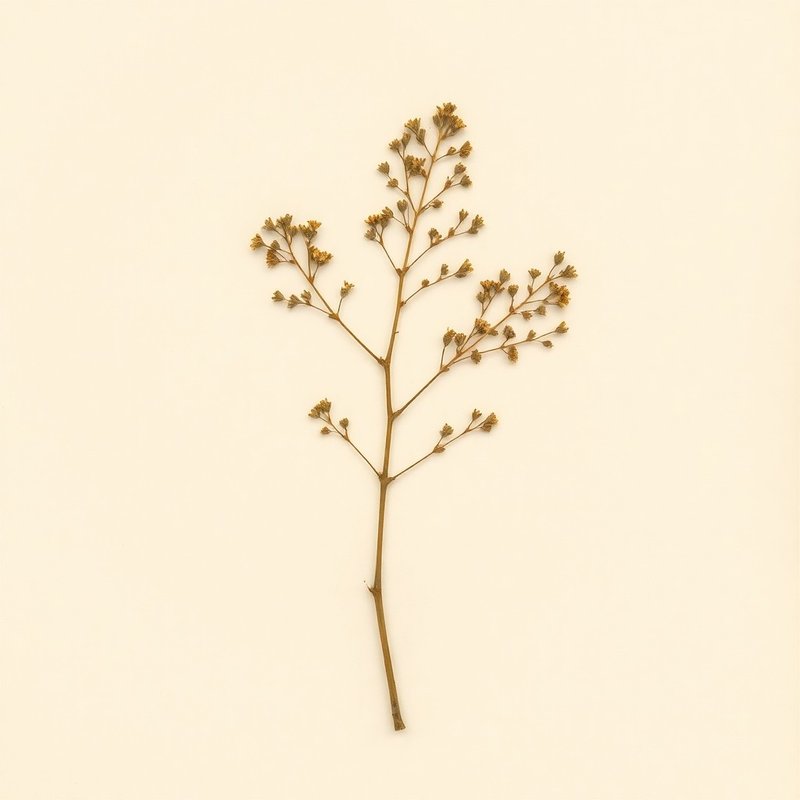
8 relatedPlants you might compare or use together — scored by shared family (Fabaceae), common use cases, and growing requirements.
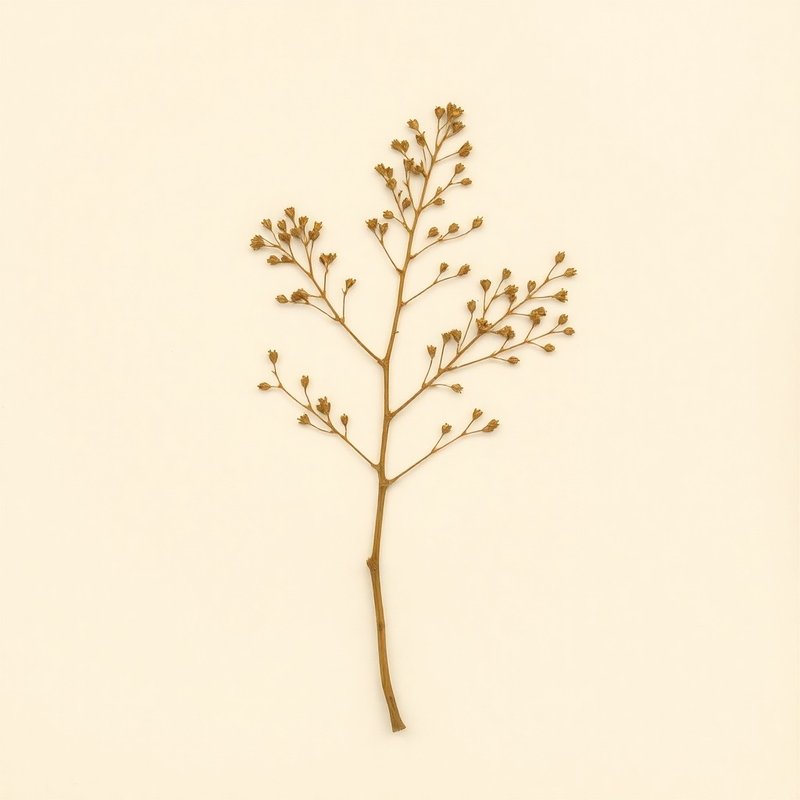
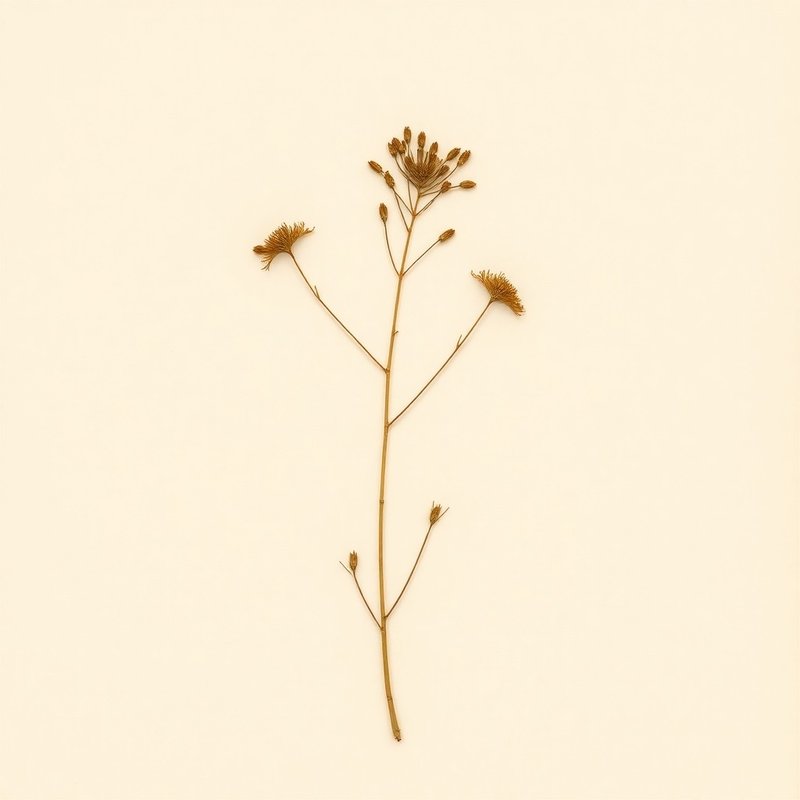
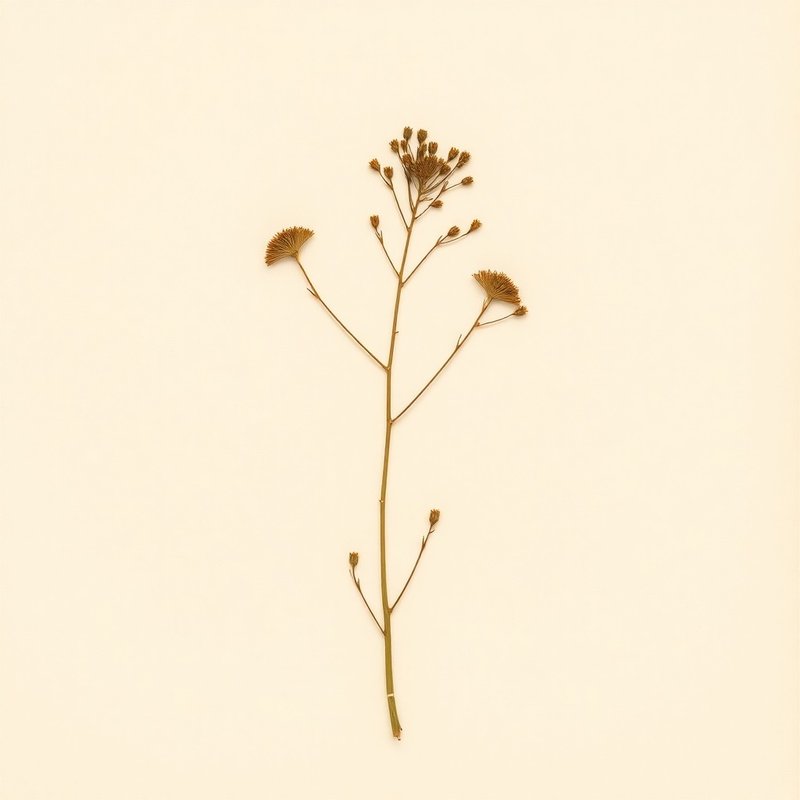
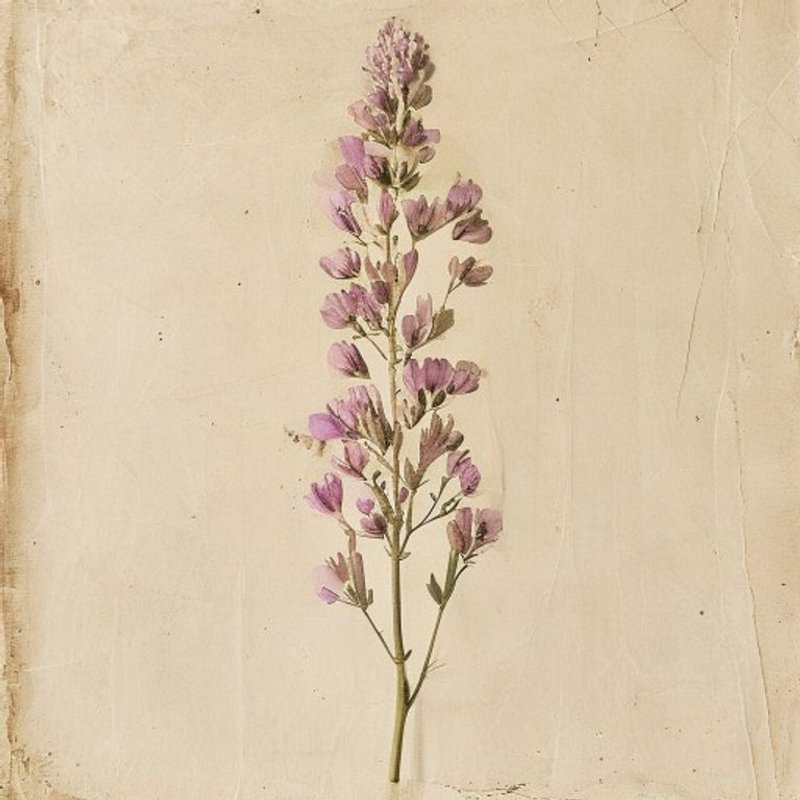
Explore further
About this entry
- Last updated
- Citation
- How to cite this entry · Submit a correction
Continue reading
Get archive updates
Occasional email when substantial new content lands — plant profiles, seasonal growing notes, folk-remedy additions. Free, no tracking, unsubscribe anytime.