
Pyrus serrulata
IOverview
Overview
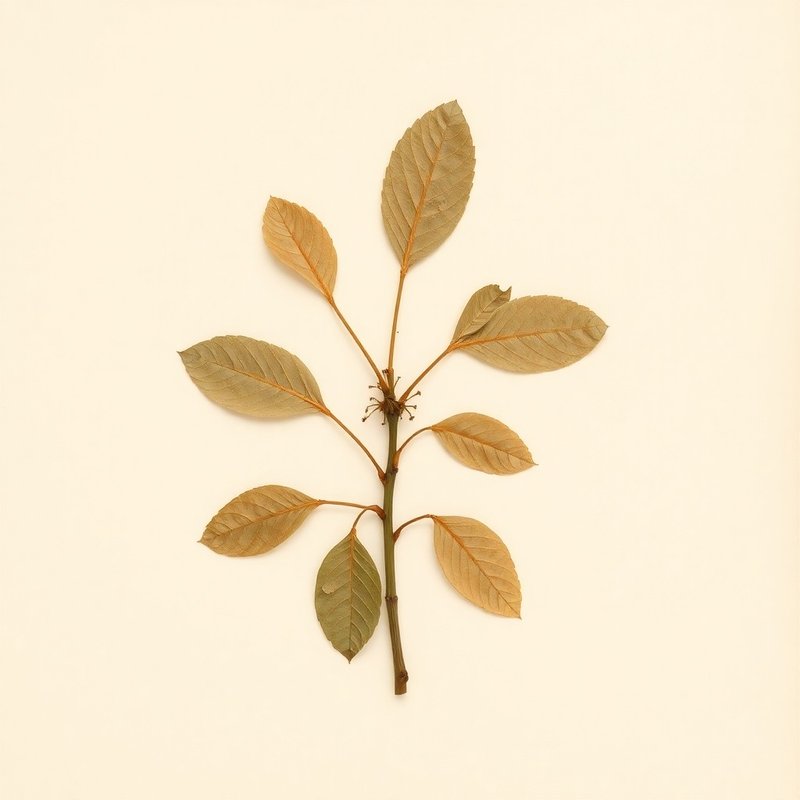
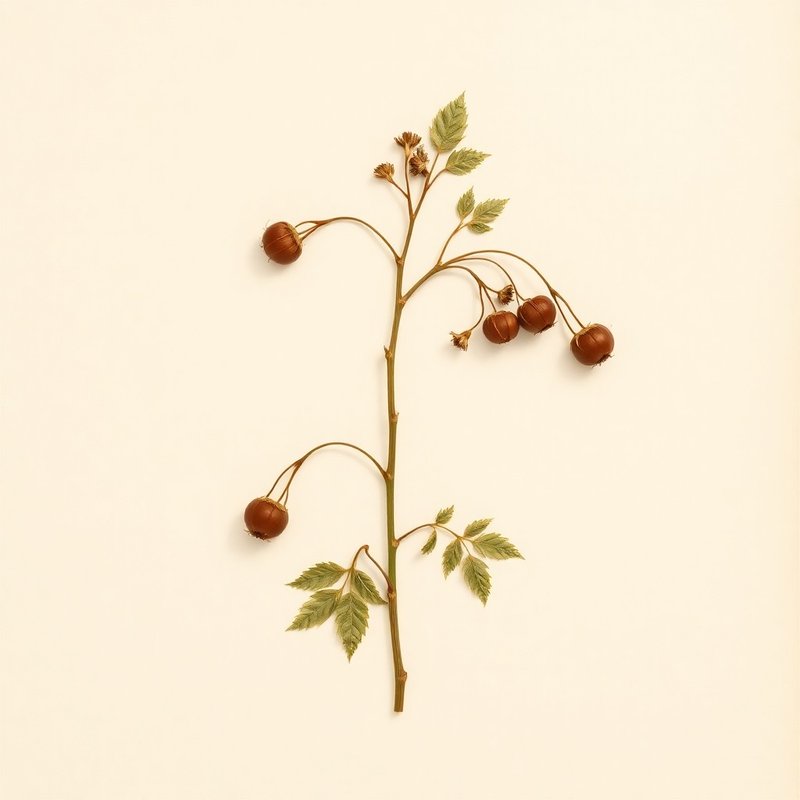
Pyrus serrulata, known as Chinese pear or Sand pear, is a deciduous tree native to the south-central and southeast regions of China. This fruit-bearing tree thrives in moist, well-drained soils ranging from light sandy to heavy clay types and prefers full sun to partial shade. It grows up to 10 meters tall and is hardy in zones 5-9. While primarily cultivated for its edible fruit, Pyrus serrulata also serves as an ornamental tree due to its attractive appearance. Its distinctive features include a spreading habit and the production of white or pink flowers in spring, followed by clusters of pear fruits in summer. The fruit can be eaten raw or used in various culinary preparations such as jams, jellies, and pies. It can also be dried for later use. Although primarily used for its fruit, Pyrus serrulata is not known for medicinal properties.
What is Pyrus serrulata?
Pyrus serrulata, known as Chinese pear or Sand pear, is a deciduous tree native to the south-central and southeast regions of China. This fruit-bearing tree thrives in moist, well-drained soils ranging from light sandy to heavy clay types and prefers full sun to partial shade.
VCultivation
Cultivation
How to grow Pyrus serrulata for the first time
Start with a simple, low-maintenance fruit tree like Skip (Pyrus serrulata) for your first gardening project.
- 1
What you'll need
A young Skip tree, garden gloves, and a trowel.
- 2
Best time to plant
Plant in early spring or late fall when the ground is workable but not frozen.
- 3
Soil and container prep
Ensure soil drains well; amend with compost if necessary. For containers, use a pot at least 50 cm wide and deep.
- 4
Sowing or transplanting
Transplant the young tree to your garden or a large container filled with prepared soil.
- 5
First two weeks
Water regularly to keep the soil moist but not soggy. Monitor for pests and diseases.
- 6
Ongoing care
Water deeply once a week, especially during dry spells. Fertilize in early spring with a balanced fertilizer.
- 7
Harvest or pruning
Prune in late winter to maintain shape and remove dead branches. Harvest fruit when it easily separates from the tree.
- 8
Common mistakes
Overwatering, not providing enough sunlight, neglecting pruning, planting too deep, and using harsh chemicals.
VIEdible & utility
Edible & utility
VIIDistribution
2 native · 1 introduced
Distribution
2 native · 1 introducedIXSpecimen gallery
1 image
Specimen gallery
1 imageXSee also
8 related
See also
8 relatedPlants you might compare or use together — scored by shared family (Rosaceae), common use cases, and growing requirements.


Explore further
About this entry
- Last updated
- Citation
- How to cite this entry · Submit a correction
Continue reading
Get archive updates
Occasional email when substantial new content lands — plant profiles, seasonal growing notes, folk-remedy additions. Free, no tracking, unsubscribe anytime.