
Live Oak
Quercus chrysolepisfam. Fagaceae
Educational content — not medical, botanical, or professional advice. Always consult a qualified clinician before using any herbal preparation — especially during pregnancy, breastfeeding, while on medication, or for children. How we source & review →
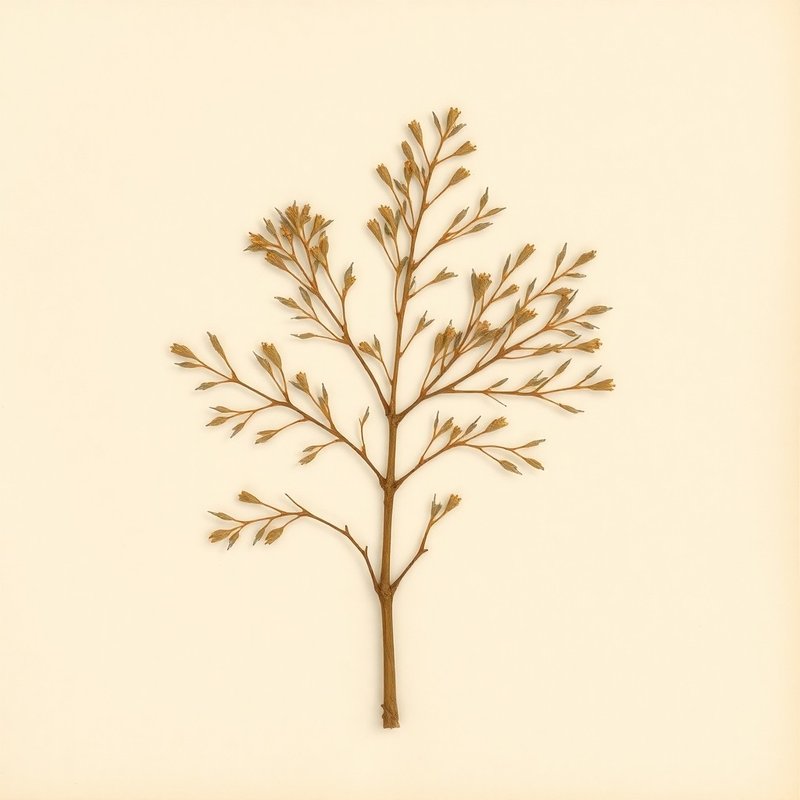
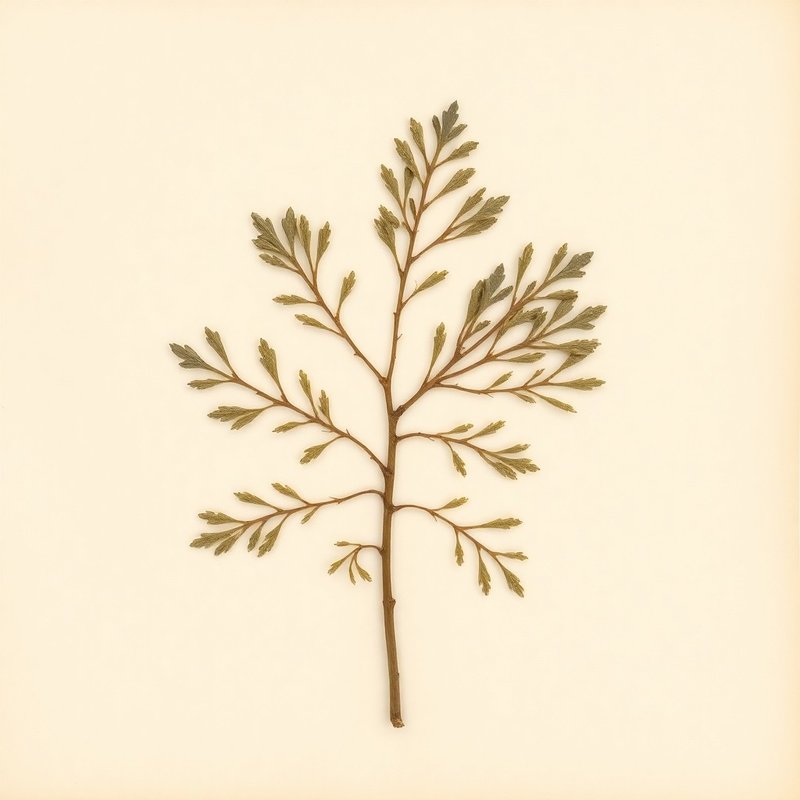
Pl. B9F8 — Quercus chrysolepis
Quercus chrysolepisQuercus chrysolepisQuercus chrysolepisQuercus chrysolepisQuercus chrysolepisQuercus chrysolepisQuercus chrysolepisQuercus chrysolepisQuercus chrysolepisQuercus chrysolepisQuercus chrysolepisQuercus chrysolepisQuercus chrysolepisQuercus chrysolepis
IOverview
Overview
Live Oak (Quercus chrysolepis) is a tree native to the southwestern United States and northwestern Mexico, found in habitats ranging from Arizona to California and Nevada. Known for its ornamental value and as an important source of food and medicine, this plant thrives in full or partial sun with moist soil, thriving particularly well in medium to heavy clay soils. Its edible acorns have been a valuable resource for indigenous peoples, while its bark has been used medicinally. Live Oak can grow up to 25 meters tall and is adaptable to various pH levels from 4.5 to 7.5, making it a resilient addition to landscapes in hardiness zones 8-11.
Quick answers
What is Live Oak?
Live Oak (Quercus chrysolepis) is a tree native to the southwestern United States and northwestern Mexico, found in habitats ranging from Arizona to California and Nevada.
IV·bMixology suggestions
2 drafts
Mixology suggestions
2 draftsEditorial drafts. These pairings are AI-suggested from traditional herbal lore. Always verify with a qualified herbalist before brewing.
Oak and Willow
immunetincture
Historically used for immune support.
Oak and Sage
digestiondecoction
Traditionally aids in digestion.
Growingconditions · propagation · uses
VCultivation
Cultivation
Live Oak thrives in full to partial sun and requires moist soil that can be medium or heavy (clay). It is hardy in zones 8-11 and grows up to 25 meters tall. Propagate via seed. Ensure the soil pH ranges between 4.5 and 7.5 for optimal growth.
Light
Full sun, Partial sun/shade
Water
Moist
Soil
Medium, Heavy (clay)
Hardiness
8-11
Habit
Shrub, Tree
Mature size
25.0 m tall
Soil pH
4.5–7.5
For first-time growers
How to grow Live Oak for the first time
7steps
Start with a young Live Oak sapling for the best beginner experience.
- 1
What you'll need
A young Live Oak sapling, garden gloves, and a shovel.
- 2
Best time to plant
Plant in spring or fall when temperatures are mild.
- 3
Soil and container prep
Ensure the soil is well-draining with a pH between 4.5 and 7.5. Amend heavy clay soils if necessary.
- 4
Sowing or transplanting
Transplant young saplings directly into the ground, ensuring they are planted at the same depth as in their container.
- 5
First two weeks
Water regularly to keep soil moist but not waterlogged. Monitor for signs of stress and adjust watering accordingly.
- 6
Ongoing care
Provide full sun or partial shade, depending on the location. Water deeply once a week during dry periods. Fertilize sparingly in early spring with a balanced fertilizer.
- 7
Harvest or pruning
Prune young trees to shape them and remove any dead or diseased branches. Mature Live Oaks do not require regular harvesting.
VIEdible & utility
Edible & utility
Edible parts:Seed
Edible uses: Coffee
Other uses:DyeFire starterTanninLumber
Contextrange · companions · related
VIIDistribution
7 native · 0 introduced
Distribution
7 native · 0 introducedDistribution across0 continents· 7 native
Broader regions
native:Arizona, California, Mexico Northeast, Mexico Northwest, Nevada, New Mexico, Oregon
IXSpecimen gallery
1 image
Specimen gallery
1 imageXSee also
8 related
See also
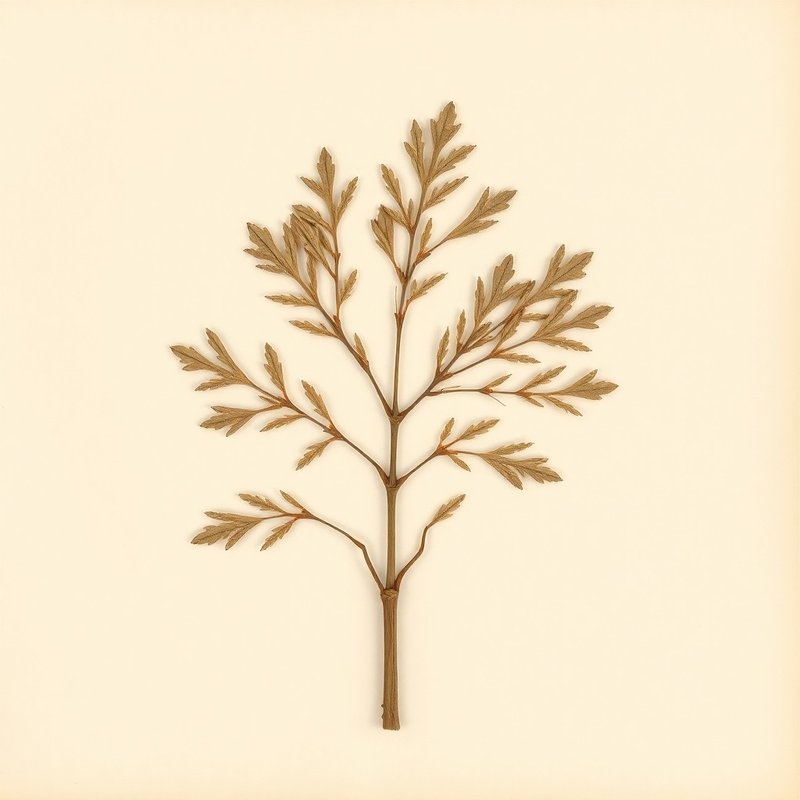
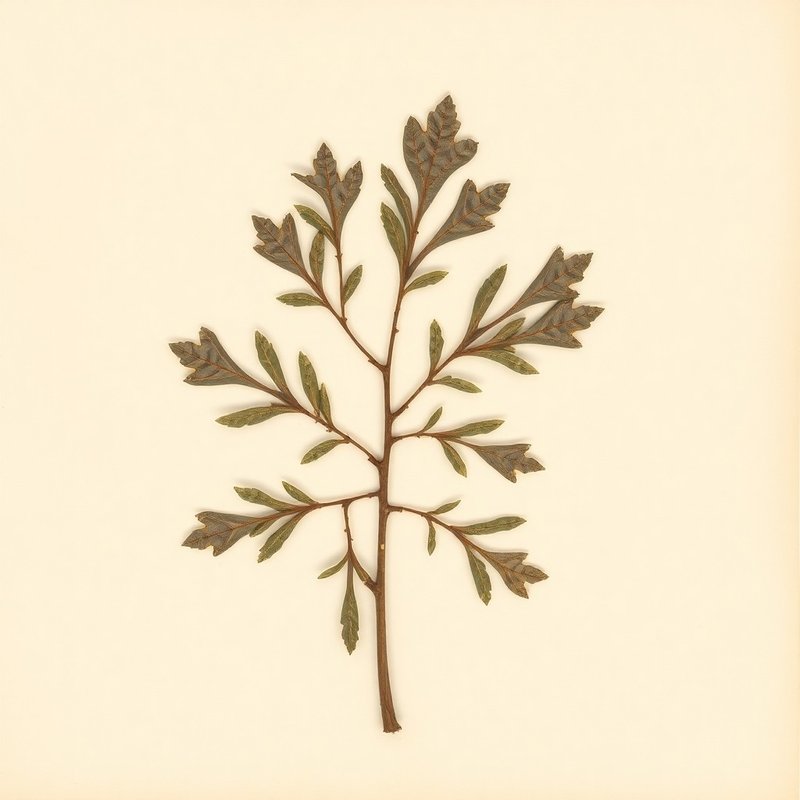
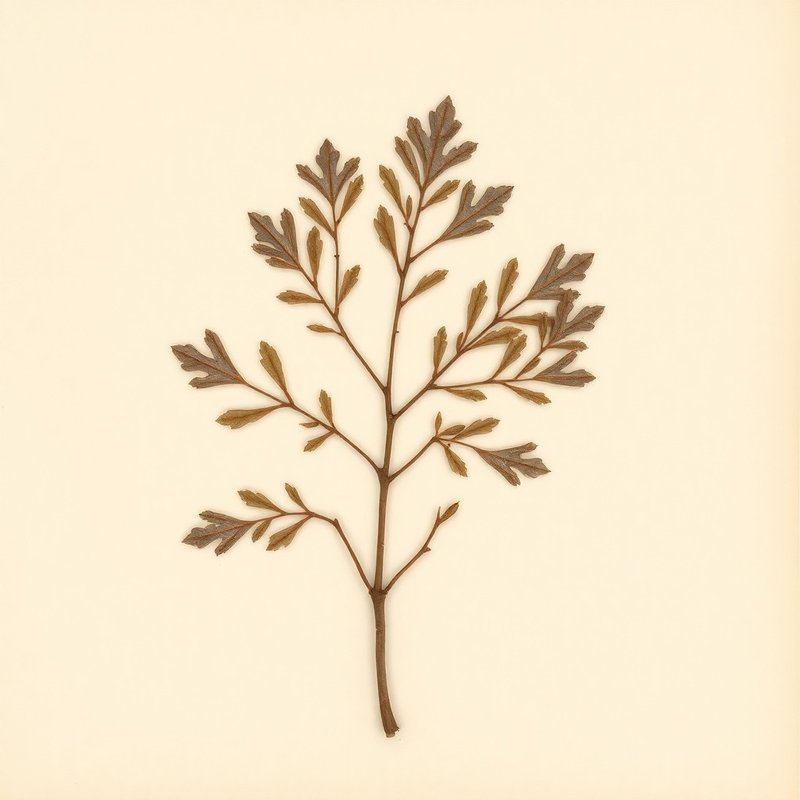
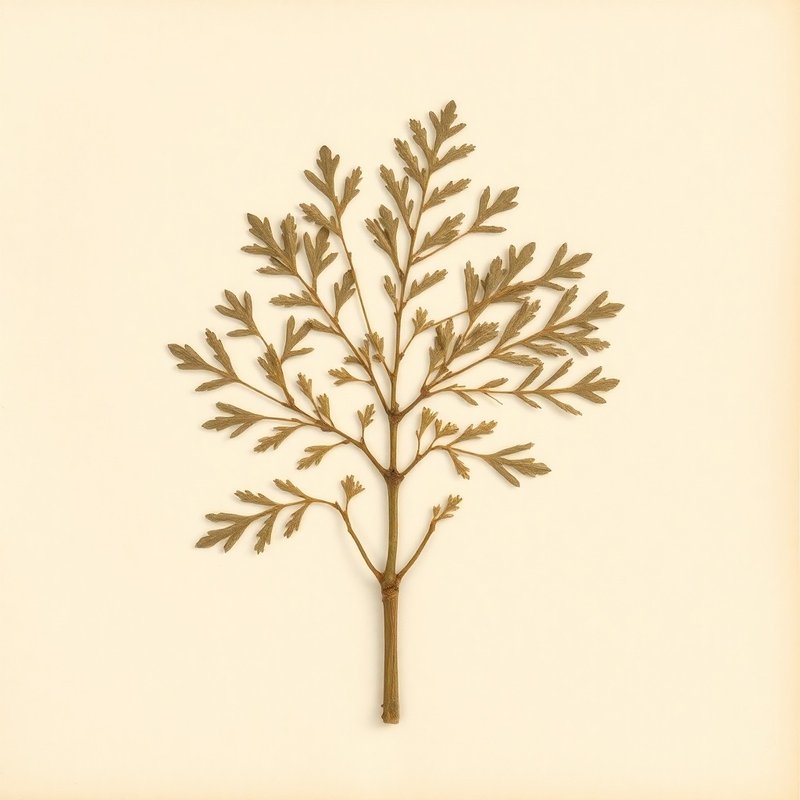
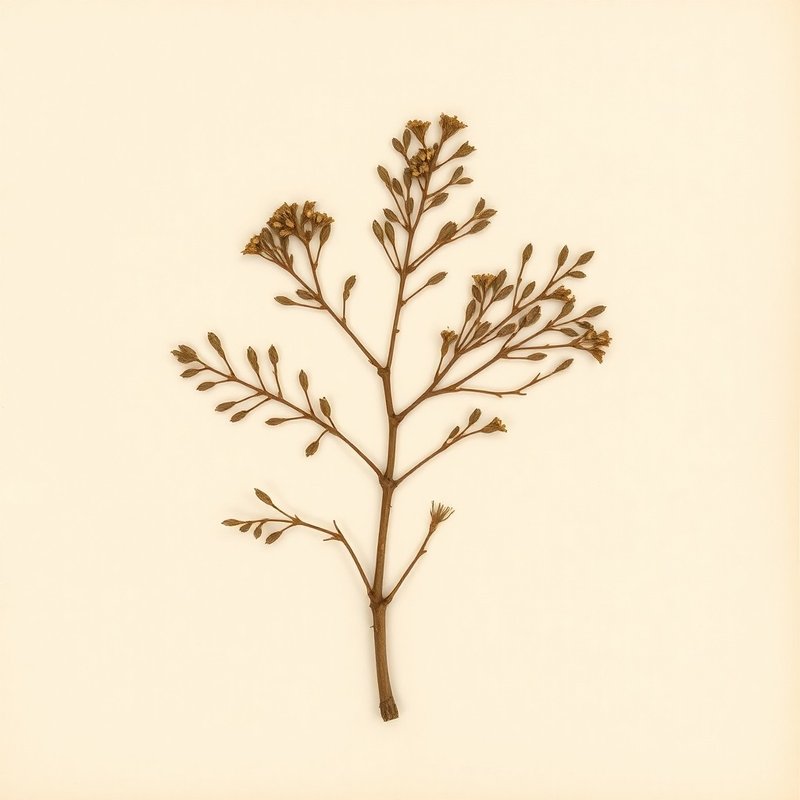
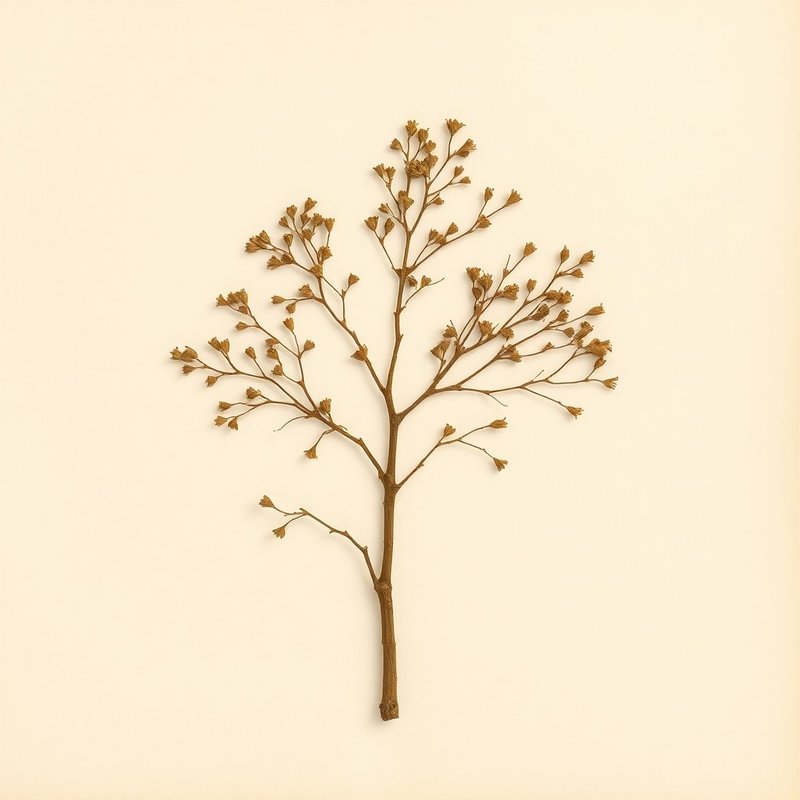
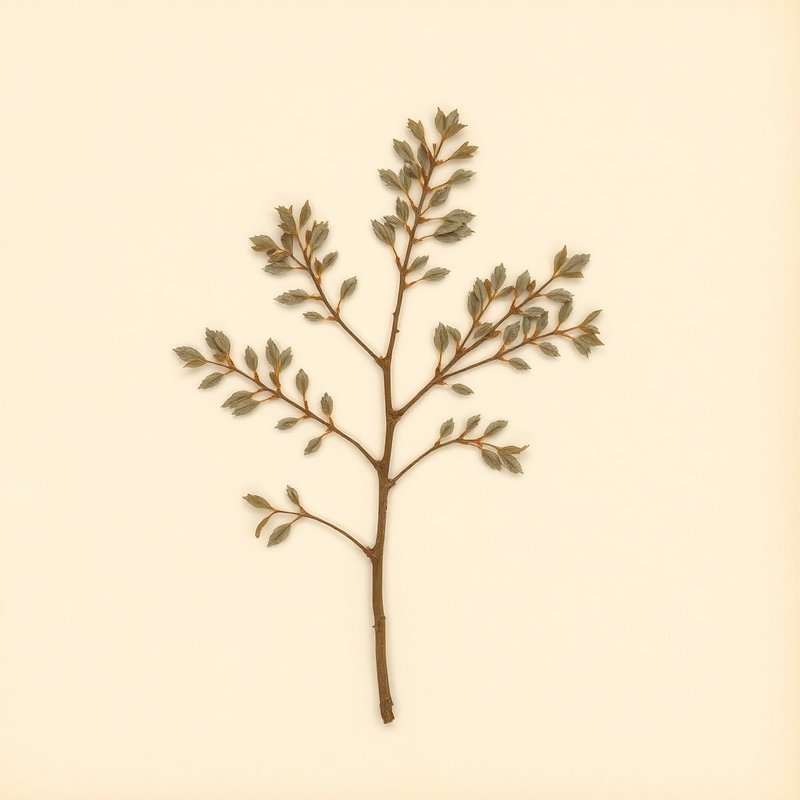
8 relatedPlants you might compare or use together — scored by shared family (Fagaceae), common use cases, and growing requirements.
same family · Fagaceae
Botanical relatives — often share phytochemistry + growing needs.
XI
Explore further
Companion planting
Compare with similar plants
Growing zone
XII
About this entry
- Last updated
- Citation
- How to cite this entry · Submit a correction
Back to the cataloguePlant id · b9f8677d-230a-4d6d-923e-e3d7a3428f91
Decision aid
Choosing between Live Oak and something else?
Continue reading
❦❦❦❦
Endpaper · archive updates
Get archive updates
Occasional email when substantial new content lands — plant profiles, seasonal growing notes, folk-remedy additions. Free, no tracking, unsubscribe anytime.