
Water Oak
Quercus nigra
Educational content — not medical, botanical, or professional advice. Always consult a qualified clinician before using any herbal preparation — especially during pregnancy, breastfeeding, while on medication, or for children. How we source & review →
Garden journal pausedUse profile notes below
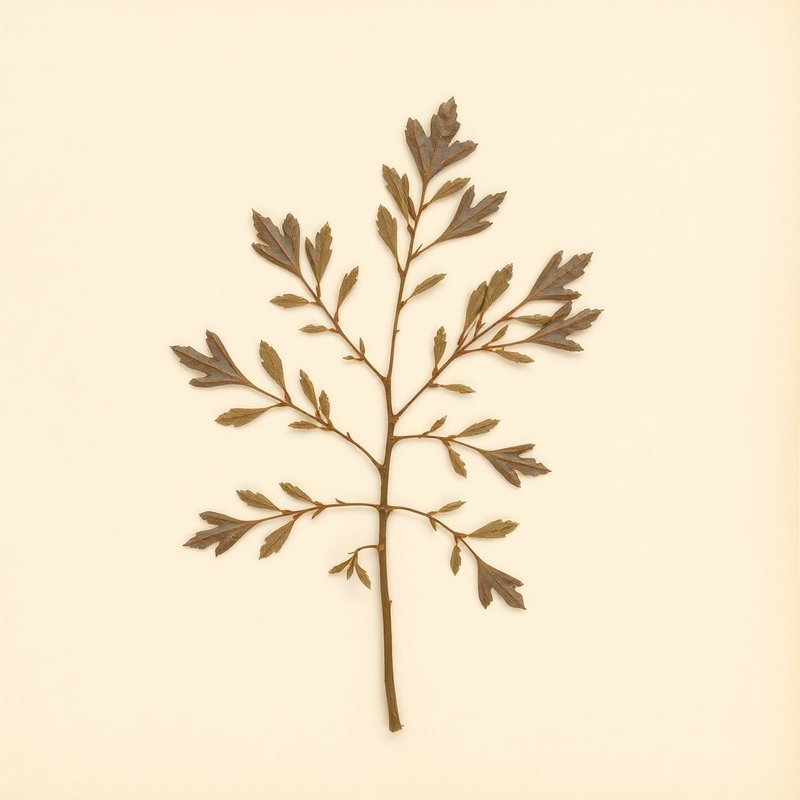
Pl. 0877 — Quercus nigra
Quercus nigraQuercus nigraQuercus nigraQuercus nigraQuercus nigraQuercus nigraQuercus nigraQuercus nigraQuercus nigraQuercus nigraQuercus nigraQuercus nigraQuercus nigraQuercus nigra
IOverview
Overview
Water Oak (Quercus nigra) is a deciduous tree native to the southeastern United States, including states such as Alabama, Arkansas, Delaware, Florida, Georgia, Kentucky, Louisiana, Maryland, Mississippi, Missouri, New Jersey, North Carolina, Oklahoma, South Carolina, Tennessee, Texas, and Virginia. This oak species is adaptable and can thrive in moist, medium to heavy (clay) soils with a pH ranging from 4.8 to 7.3, making it suitable for various landscapes. Water Oak grows up to 20 meters tall and prefers full sun to partial shade, with a rapid growth rate and a single stem growth habit. The tree is valued for its ornamental beauty and its edible seed, which can be processed and consumed after proper preparation. Traditionally, Water Oak has been used in Native American medicine to support immune health, with a decoction made from the bark potentially helping to bolster the body's defenses against common ailments. While the bark and other parts of the tree have medicinal uses, it is important to use caution and seek professional guidance when considering any medicinal applications.
Quick answers
What is Water Oak?
Water Oak (Quercus nigra) is a deciduous tree native to the southeastern United States, including states such as Alabama, Arkansas, Delaware, Florida, Georgia, Kentucky, Louisiana, Maryland, Mississippi, Missouri, New Jersey, North Carolina, Oklahoma, South Carolina, Tennessee, Texas, and Virginia.
What is Water Oak used for?
Traditionally used for immune support. Each claim is evidence-rated — see Section II for full citations.
Best for
Top 1 evidence-ranked use of Water Oak
Clinicaluses · safety · chemistry · dosagemedicinal profile
IIBenefits & evidence
1 claim · traditional-use context
Benefits & evidence
1 claim · traditional-use contextTraditional-use context
These notes are presented as ethnobotanical context. No cited clinical references are catalogued for this plant yet.
- Water Oak, like other oak species, has been traditionally used in Native American medicine to support immune health. A decoction made from the bark may help bolster the body's defenses against common ailments.
The tannins and flavonoids found in Water Oak bark are thought to have antimicrobial properties that can help protect against pathogens, though the specific mechanisms are not fully characterised.
▲ ModerateImmune support →
IV·bMixology suggestions
1 draft
Mixology suggestions
1 draftEditorial drafts. These pairings are AI-suggested from traditional herbal lore. Always verify with a qualified herbalist before brewing.
Water Oak support blend
generaltea
AI returned a direct ingredient list; normalized into one draft blend for editorial review.
Growingconditions · propagation · uses
VCultivation
Cultivation
Water Oak (Quercus nigra) thrives in full to partial sun and prefers moist, medium to heavy (clay) soil with a pH between 4.8 and 7.3. It is hardy in zones 5-9 and can grow up to 20 meters tall. For propagation, seeds can be used. The tree is native to regions including Alabama, Arkansas, Delaware, Florida, Georgia, Kentucky, Louisiana, Maryland, and more. Traditionally, the bark has been used to support immune health, making it a valuable addition to gardens and landscapes in temperate regions.
Light
Full sun, Partial sun/shade
Water
Moist
Soil
Medium, Heavy (clay)
Hardiness
5-9
Habit
Tree
Mature size
20.0 m tall
Soil pH
4.8–7.3
For first-time growers
How to grow Water Oak for the first time
8steps
Start with planting a young Water Oak tree for a beginner-friendly project.
- 1
What you'll need
A young Water Oak sapling, garden gloves, and a shovel.
- 2
Best time to plant
Plant in spring or fall when the soil is moist but not waterlogged.
- 3
Soil and container prep
Ensure the soil drains well; amend with compost if necessary. For containers, use a mix of peat moss, perlite, and compost.
- 4
Sowing or transplanting
Transplant young saplings directly into the ground or a large pot. Dig a hole twice as wide but not deeper than the root ball.
- 5
First two weeks
Water regularly to keep soil moist, especially during dry spells. Monitor for pests and diseases.
- 6
Ongoing care
Water deeply once a week, more often in hot weather. Fertilize sparingly with a balanced fertilizer in early spring.
- 7
Harvest or pruning
Prune young trees to shape them; remove dead or diseased branches as needed.
- 8
Common mistakes
Overwatering, planting too deep, and neglecting regular pruning are common pitfalls for beginners.
VIEdible & utility
Edible & utility
Edible parts:Seed
Edible uses: Coffee
Other uses:Fire starterTanninLumber
Contextrange · companions · related
VIIDistribution
17 native · 0 introduced
Distribution
17 native · 0 introducedDistribution across1 continent· 17 native
Asia1 region
native (1)Georgia
Broader regions
native:Alabama, Arkansas, Delaware, Florida, Kentucky, Louisiana, Maryland, Mississippi, Missouri, New Jersey, North Carolina, Oklahoma, South Carolina, Tennessee, Texas, Virginia
IXSpecimen gallery
1 image
Specimen gallery
1 imageXSee also
8 related
See also
8 relatedPlants you might compare or use together — scored by shared family, common use cases, and growing requirements.
shared use cases
Different families, similar therapeutic role — good for comparing.


XI
Explore further
Companion planting
Health goals
Compare with similar plants
Growing zone
XII
About this entry
- Last updated
- Citation
- How to cite this entry · Submit a correction
Back to the cataloguePlant id · 0877396e-13ec-4da2-8a54-848bedc6c7d2
Decision aid
Choosing between Water Oak and something else?
Continue reading
❦❦❦❦
Endpaper · archive updates
Get archive updates
Occasional email when substantial new content lands — plant profiles, seasonal growing notes, folk-remedy additions. Free, no tracking, unsubscribe anytime.
Newsletter returning soon.
We are rebuilding the update list around a lightweight editorial workflow. New dispatches will resume after the next content review cycle.