
Pin Oak
Quercus palustris
Educational content — not medical, botanical, or professional advice. Always consult a qualified clinician before using any herbal preparation — especially during pregnancy, breastfeeding, while on medication, or for children. How we source & review →
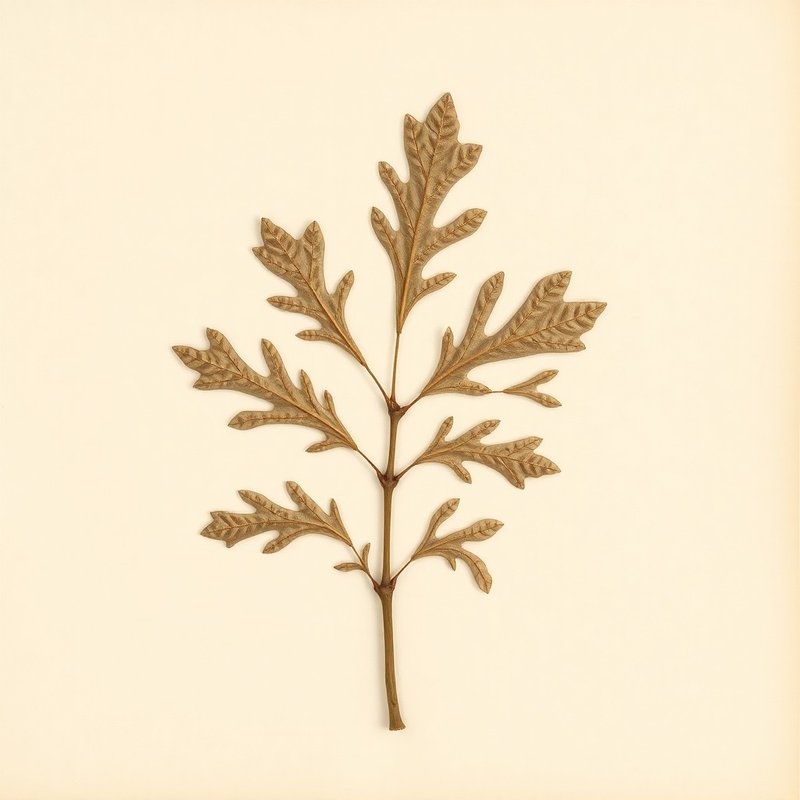
Pl. 40C4 — Quercus palustris
Quercus palustrisQuercus palustrisQuercus palustrisQuercus palustrisQuercus palustrisQuercus palustrisQuercus palustrisQuercus palustrisQuercus palustrisQuercus palustrisQuercus palustrisQuercus palustrisQuercus palustrisQuercus palustris
IOverview
Overview
Pin Oak, scientifically known as Quercus palustris, is a deciduous tree native to the eastern United States. It thrives in moist, medium to heavy clay soil and prefers full sun to partial shade, making it adaptable to various habitats across its range including Alabama, Arkansas, Connecticut, Delaware, District of Columbia, Georgia, Illinois, Indiana, and other states from Maine to Virginia and westward to Wisconsin. Known for its edible acorns, Pin Oak is also valued for its ornamental qualities, with distinctive lobed leaves that turn a vibrant red in autumn. Its hardiness spans zones 4-8, allowing it to withstand cold climates while thriving in warmer regions as well.
Quick answers
What is Pin Oak?
Pin Oak, scientifically known as Quercus palustris, is a deciduous tree native to the eastern United States.
What is Pin Oak used for?
Traditionally used for immune support. Each claim is evidence-rated — see Section II for full citations.
Best for
Top 1 evidence-ranked use of Pin Oak
Clinicaluses · safety · chemistry · dosagemedicinal profile
IIBenefits & evidence
1 claim · 0 sources
Benefits & evidence
1 claim · 0 sources- Pin Oak, like other oak species, has been traditionally used in European herbalism for immune support. A decoction of acorns or leaves may help bolster the body's defenses against seasonal ailments.
Oak contains tannins and flavonoids that have antimicrobial properties and can modulate inflammatory responses, though the specific mechanism is not fully characterised.
IV·bMixology suggestions
1 draft
Mixology suggestions
1 draftEditorial drafts. These pairings are AI-suggested from traditional herbal lore. Always verify with a qualified herbalist before brewing.
Pin Oak support blend
generaltea
AI returned a direct ingredient list; normalized into one draft blend for editorial review.
Growingconditions · propagation · uses
VCultivation
Cultivation
Pin Oak thrives in full to partial sun and prefers moist, medium to heavy clay soils. It is hardy in zones 4-8, making it suitable for temperate regions. For cultivation, ensure the soil remains consistently moist but well-draining to prevent root rot. Propagation can be done through seeds, which are edible parts of this tree.
Light
Full sun, Partial sun/shade
Water
Moist
Soil
Medium, Heavy (clay)
Hardiness
4-8
Mature size
25.0 m tall
For first-time growers
How to grow Pin Oak for the first time
8steps
Start with planting a young Pin Oak tree for a beginner-friendly project.
- 1
What you'll need
A young Pin Oak sapling, garden gloves, and a shovel.
- 2
Best time to plant
Plant in spring or fall when the weather is cooler.
- 3
Soil and container prep
Ensure soil is moist and well-draining. Amend heavy clay with organic matter if needed.
- 4
Sowing or transplanting
Transplant young saplings directly into the ground, digging a hole twice as wide but not deeper than the root ball.
- 5
First two weeks
Water regularly to keep soil moist. Monitor for signs of stress and adjust watering accordingly.
- 6
Ongoing care
Provide full sun to partial shade, water when dry, and mulch around the base to retain moisture.
- 7
Harvest or pruning
Pin Oak is not typically harvested. Focus on regular pruning to maintain shape and remove dead branches.
- 8
Common mistakes
Overwatering, planting in too heavy soil, and neglecting proper pruning are common pitfalls.
VIEdible & utility
Edible & utility
Edible parts:Seed
Edible uses: Coffee
Other uses:InkTanninLumber
Contextrange · companions · related
VIIDistribution
30 native · 0 introduced
Distribution
30 native · 0 introducedDistribution across0 continents· 30 native
Broader regions
native:District of Columbia, Maine, Massachusetts, Mississippi, New Hampshire, South Carolina, Alabama, Arkansas, Connecticut, Delaware, Illinois, Indiana, Kentucky, Maryland, Michigan, Missouri, New Jersey, New York, North Carolina, Ohio, Pennsylvania, Rhode I., Tennessee, Vermont, Virginia, West Virginia, Iowa, Kansas, Masachusettes, Oklahoma
IXSpecimen gallery
1 image
Specimen gallery
1 imageXSee also
8 related
See also
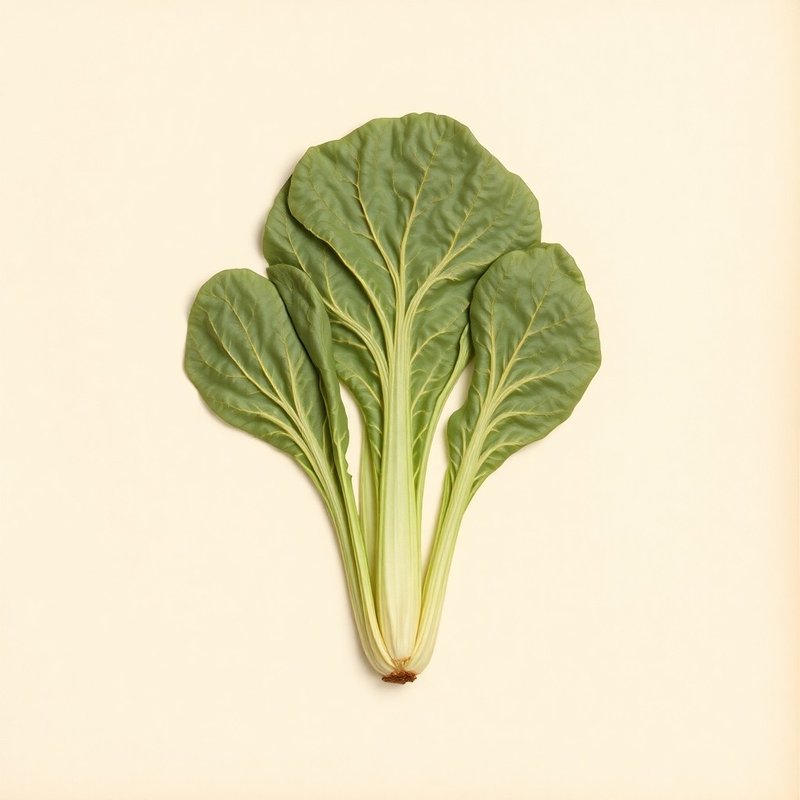
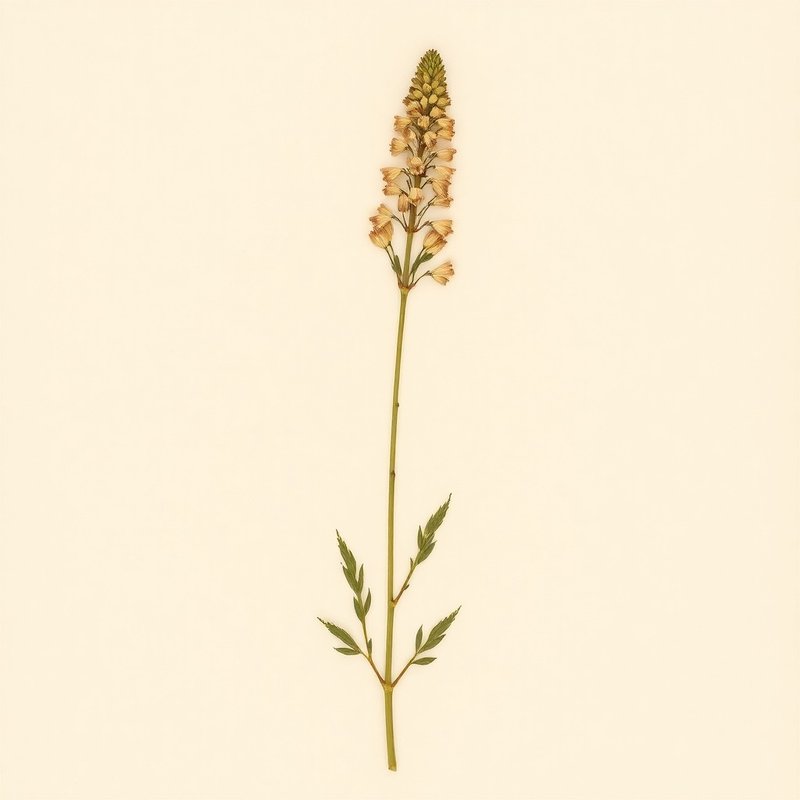
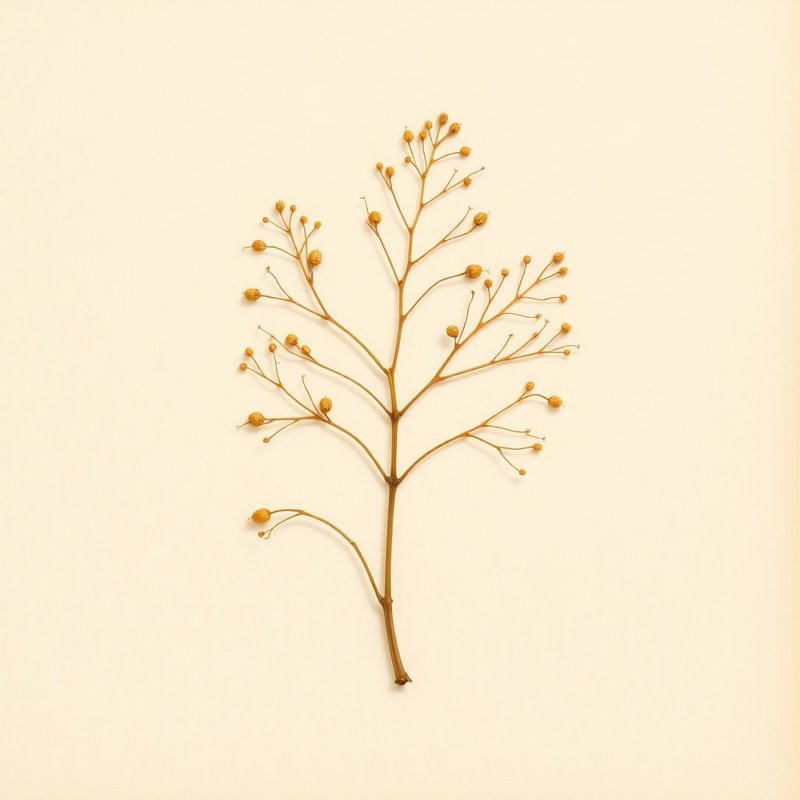
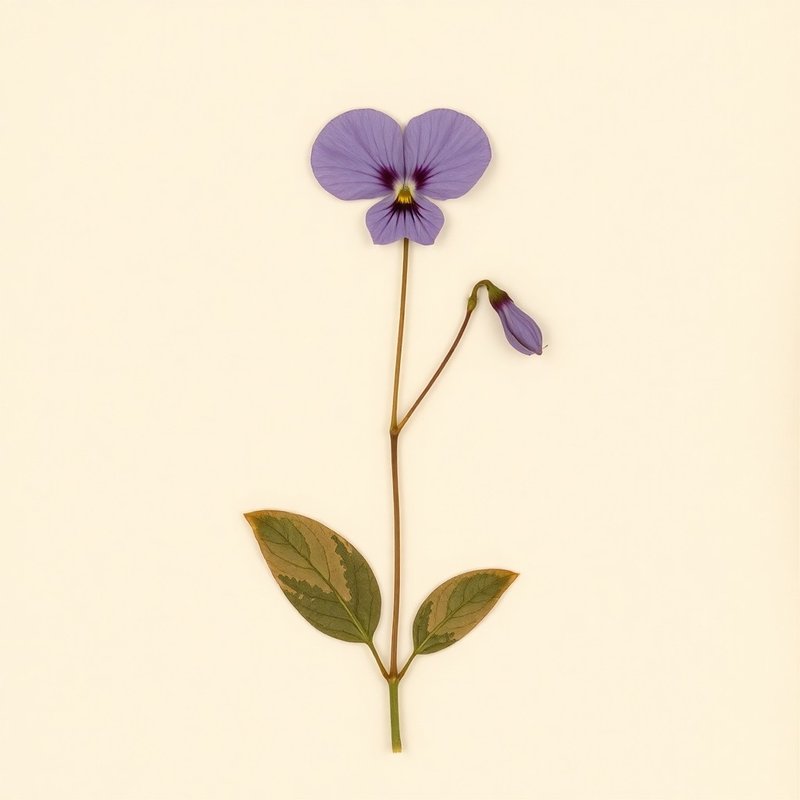
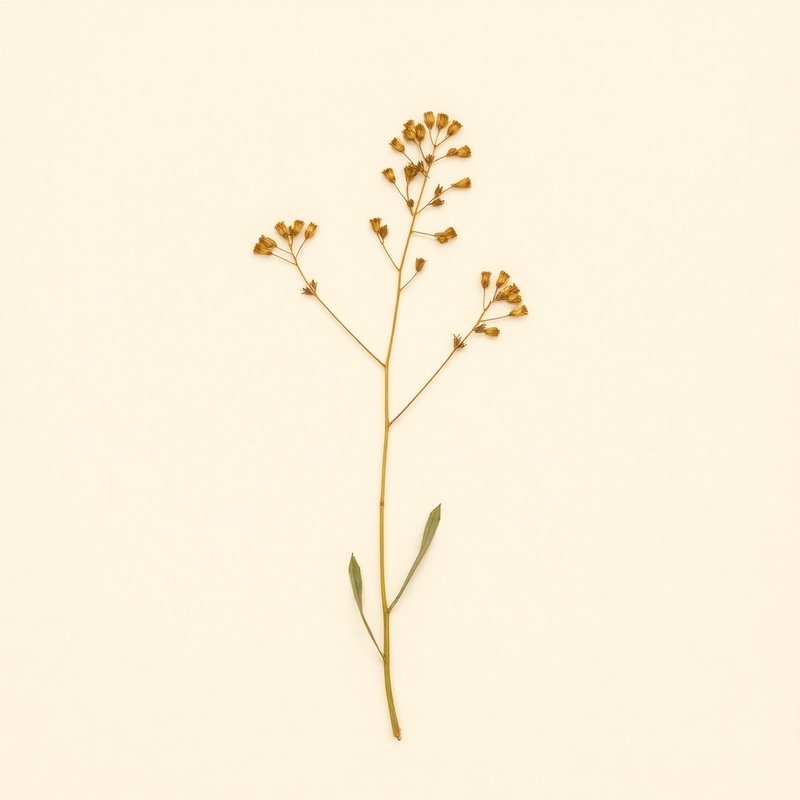
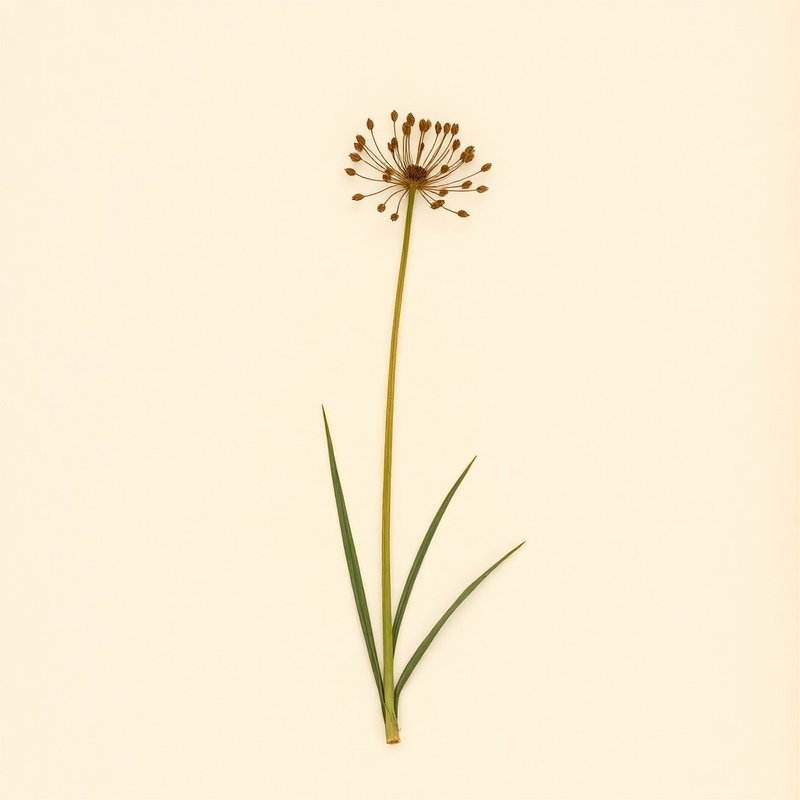
8 relatedPlants you might compare or use together — scored by shared family, common use cases, and growing requirements.
shared use cases
Different families, similar therapeutic role — good for comparing.


XI
Explore further
Companion planting
Health goals
Compare with similar plants
Growing zone
XII
About this entry
- Last updated
- Citation
- How to cite this entry · Submit a correction
Back to the cataloguePlant id · 40c46e14-a8dd-42b2-b656-8915f8ab0d17
Decision aid
Choosing between Pin Oak and something else?
Continue reading
❦❦❦❦
Endpaper · archive updates
Get archive updates
Occasional email when substantial new content lands — plant profiles, seasonal growing notes, folk-remedy additions. Free, no tracking, unsubscribe anytime.