
Rat-Tail Radish
Raphanus sativus caudatusfam. Brassicaceae
Educational content — not medical, botanical, or professional advice. Plant identification, safety, and edibility depend on local conditions, cultivars, and correct identification. Consult a qualified botanist or forager before consuming or handling wild specimens. How we source & review →
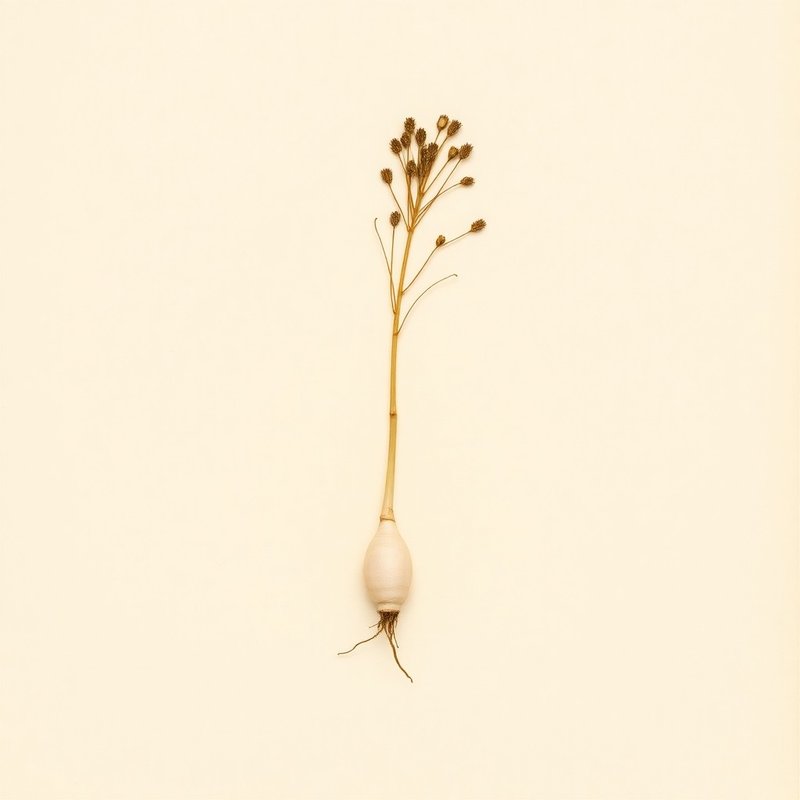
Pl. 75AC — Raphanus sativus caudatus
Raphanus sativus caudatusRaphanus sativus caudatusRaphanus sativus caudatusRaphanus sativus caudatusRaphanus sativus caudatusRaphanus sativus caudatusRaphanus sativus caudatusRaphanus sativus caudatusRaphanus sativus caudatusRaphanus sativus caudatusRaphanus sativus caudatusRaphanus sativus caudatusRaphanus sativus caudatusRaphanus sativus caudatus
IOverview
Overview
Rat-Tail Radish (Raphanus sativus caudatus) is a unique annual plant belonging to the Brassicaceae family, native to regions such as Greece, Italy, Sicilia, and Yugoslavia. Known for its edible parts—flowers, leaves, and seedpods—the rat-tail radish is both ornamental and useful in culinary applications. This plant features distinctive elongated seedpods that resemble a rat's tail, making it easily recognizable. Preferring moist, light to heavy soil with a pH between 7.5 and 8, the rat-tail radish thrives in habitats ranging from 7 to 10 on the hardiness scale.
Quick answers
What is Rat-Tail Radish?
Rat-Tail Radish (Raphanus sativus caudatus) is a unique annual plant belonging to the Brassicaceae family, native to regions such as Greece, Italy, Sicilia, and Yugoslavia. Known for its edible parts—flowers, leaves, and seedpods—the rat-tail radish is both ornamental and useful in culinary applications.
Growingconditions · propagation · uses
VCultivation
Cultivation
Rat-Tail Radish thrives in light to moderate shade and prefers a well-draining soil with a pH of 7.5–8. It is adaptable to various soil types including sandy, medium, and clay soils. The plant requires moist conditions but can tolerate some drought once established. Rat-Tail Radish is hardy in temperate regions and completes its life cycle as an annual forb or herb. For cultivation, sow seeds directly into the garden bed in spring after the last frost. Harvest edible parts such as flowers, leaves, and seedpods throughout the growing season. Skip any specific product recommendations.
Light
7/10
Water
Moist
Soil
Light (sandy), Medium, Heavy (clay)
Hardiness
7-10
Life cycle
Annual
Habit
Forb/herb
Soil pH
7.5–8
For first-time growers
How to grow Rat-Tail Radish for the first time
8steps
Start with Rat-Tail Radishes for a simple and rewarding gardening experience.
- 1
What you'll need
Seeds, small pots or direct garden space, water can, trowel.
- 2
Best time to plant
Plant in spring after the last frost or in late summer for a fall harvest.
- 3
Soil and container prep
Choose a sunny spot with well-draining soil. Ensure containers are at least 6 inches deep.
- 4
Sowing or transplanting
Direct sow seeds 1/2 inch deep, 1-2 inches apart in rows 18 inches apart. Thin to 4 inches apart after germination.
- 5
First two weeks
Keep soil consistently moist and mulch lightly to retain moisture.
- 6
Ongoing care
Water regularly, especially during dry spells. Remove weeds by hand to avoid disturbing roots.
- 7
Harvest or pruning
Snip leaves for use in salads when they reach 4-6 inches tall. Cut flower stems as needed to encourage more leaf growth.
- 8
Common mistakes
Overcrowding, poor drainage, not removing weeds.
VIEdible & utility
Edible & utility
Edible parts:FlowersLeavesSeedpod
Edible uses: The Rat-Tail Radish is edible and its flowers, leaves, and seedpods can be consumed raw or cooked. The tender pods are often used in salads for their mild, slightly sweet flavor. Leaves can also be eaten fresh in salads or added to soups and stir-fries. SKIP
Other uses:Animal feedCover crop
Contextrange · companions · related
VIIDistribution
4 native · 26 introduced
Distribution
4 native · 26 introducedDistribution across3 continents· 4 native· 26 introduced
Europe4 regions
native (2)GreeceItaly
introduced (2)PortugalUkraine
Asia3 regions
introduced (3)ChinaKuwaitNepal
Africa1 region
introduced (1)Mauritania
Broader regions
native:Yugoslavia
introduced:Labrador, Kazan-retto, Louisiana, Maine, Manitoba, Marianas, Massachusetts, Leeward Is., Maryland, Mexican Pacific Is., Mexico Northwest, Michigan, Minnesota, Mississippi, Missouri, Montana, Nansei-shoto, Nebraska, Nevada, Marshall Is.
IXSpecimen gallery
1 image
Specimen gallery
1 imageXSee also
8 related
See also
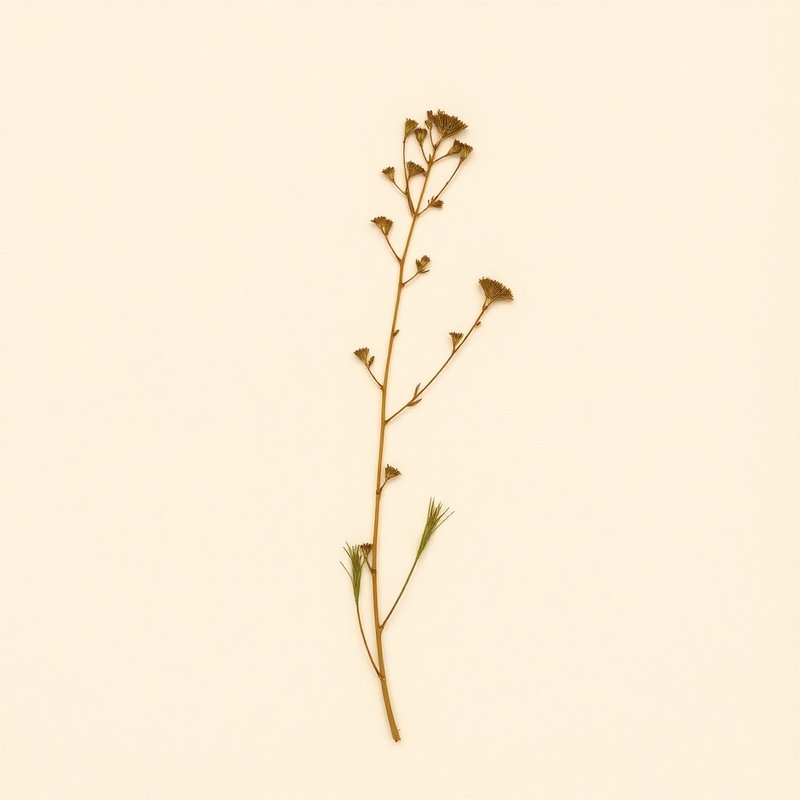
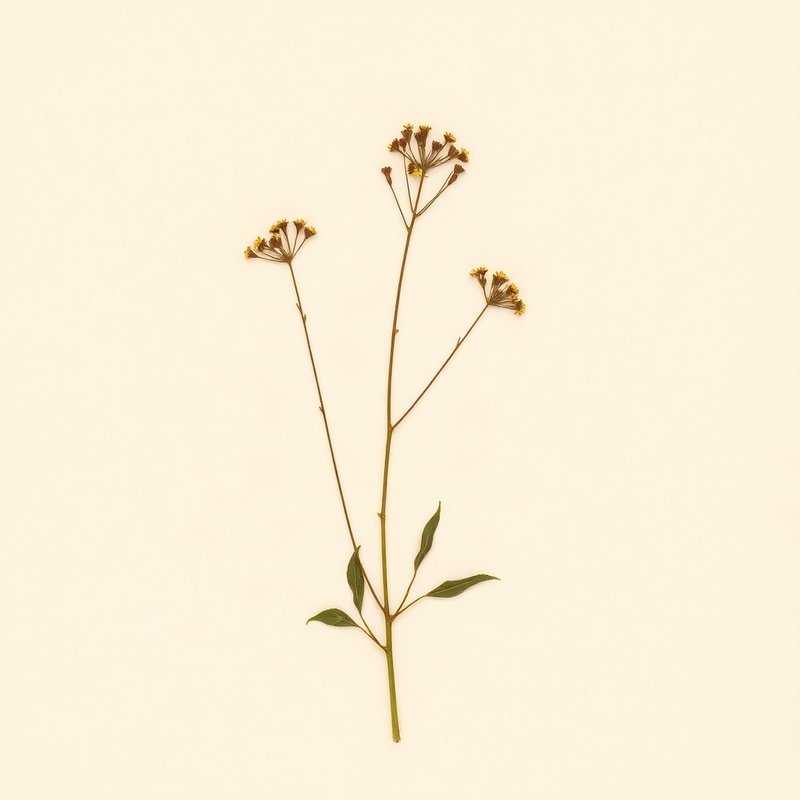
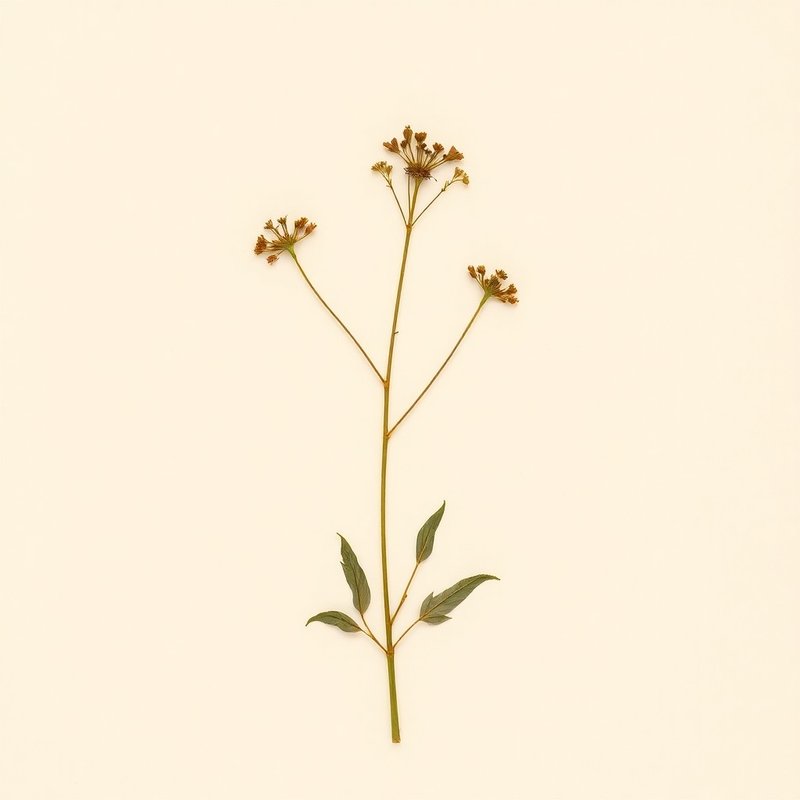
8 relatedPlants you might compare or use together — scored by shared family (Brassicaceae), common use cases, and growing requirements.
same family · Brassicaceae
Botanical relatives — often share phytochemistry + growing needs.


XI
Explore further
Companion planting
Compare with similar plants
Growing zone
XII
About this entry
- Last updated
- Citation
- How to cite this entry · Submit a correction
Back to the cataloguePlant id · 75ac8dba-bc6a-454b-94d4-60ee2bec5559
Decision aid
Choosing between Rat-Tail Radish and something else?
Continue reading
❦❦❦❦
Endpaper · archive updates
Get archive updates
Occasional email when substantial new content lands — plant profiles, seasonal growing notes, folk-remedy additions. Free, no tracking, unsubscribe anytime.