
Grassleaf sorrel
IOverview
Overview
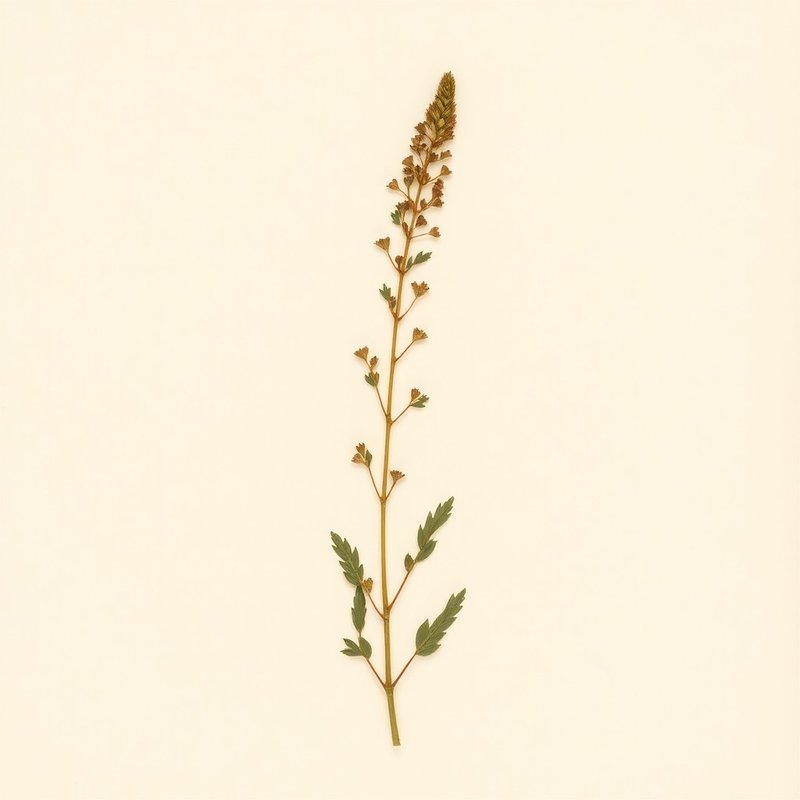
Grassleaf sorrel (Rumex graminifolius), a perennial herb from the Polygonaceae family, is native to a wide range of regions including Alaska, Aleutian Islands, Amur, Buryatiya, Chita, Finland, Greenland, Krasnoyarsk, Magadan, North European Russia, Northwest European Russia, Norway, West Siberia, and Yakutsk. This plant thrives in moist environments and prefers light to partial sun, adapting to soil types from sandy to clay. Its distinctive, grass-like foliage sets it apart from other sorrels. The leaves of the grassleaf sorrel are edible and can be consumed raw or cooked, adding a tangy flavor to salads and other dishes. While not typically processed into dried forms or teas, the plant is recognized for its medicinal uses. However, caution should be exercised when considering its use in any treatment, as no specific medical claims are supported by the current data. This perennial herb grows up to 0.1 meters tall and is well-suited for cultivation in full sun to partial shade. It thrives in moist, well-drained soil that can be light (sandy), medium, or heavy (clay). For best results, keep the soil consistently moist and provide a light to moderate watering schedule. Propagate through division or seed sowing in the spring. The edible leaves can be harvested throughout the growing season.
What is Grassleaf sorrel?
Grassleaf sorrel (Rumex graminifolius), a perennial herb from the Polygonaceae family, is native to a wide range of regions including Alaska, Aleutian Islands, Amur, Buryatiya, Chita, Finland, Greenland, Krasnoyarsk, Magadan, North European Russia, Northwest European Russia, Norway, West Siberia, and Yakutsk.
IV·bMixology suggestions
1 draft
Mixology suggestions
1 draftVCultivation
Cultivation
How to grow Grassleaf sorrel for the first time
Start with Grassleaf sorrel as a simple, low-maintenance perennial for your garden.
- 1
What you'll need
A small packet of Grassleaf sorrel seeds or young plants, a trowel, and mulch.
- 2
Best time to plant
Plant in early spring after the last frost or in late summer for fall harvests.
- 3
Soil and container prep
Ensure soil is well-draining with a pH between 6.0 and 7.5; prepare containers at least 30 cm deep.
- 4
Sowing or transplanting
Direct sow seeds 1-2 cm deep, spacing them about 30 cm apart; for transplants, space plants 30 cm apart.
- 5
First two weeks
Keep the soil consistently moist and mulch around the base to retain moisture.
- 6
Ongoing care
Water regularly, especially during dry spells. Fertilize lightly with compost once a month.
- 7
Harvest or pruning
Prune back any dead leaves in late winter to encourage new growth; harvest young leaves as needed throughout the growing season.
- 8
Common mistakes
Overwatering, planting too close together, and neglecting to mulch.
VIEdible & utility
Edible & utility
VIIDistribution
14 native · 0 introduced
Distribution
14 native · 0 introducedXSee also
8 related
See also
8 relatedPlants you might compare or use together — scored by shared family (Polygonaceae), common use cases, and growing requirements.


Explore further
About this entry
- Last updated
- Citation
- How to cite this entry · Submit a correction
Continue reading
Get archive updates
Occasional email when substantial new content lands — plant profiles, seasonal growing notes, folk-remedy additions. Free, no tracking, unsubscribe anytime.