
Red-Veined Dock
IOverview
Overview
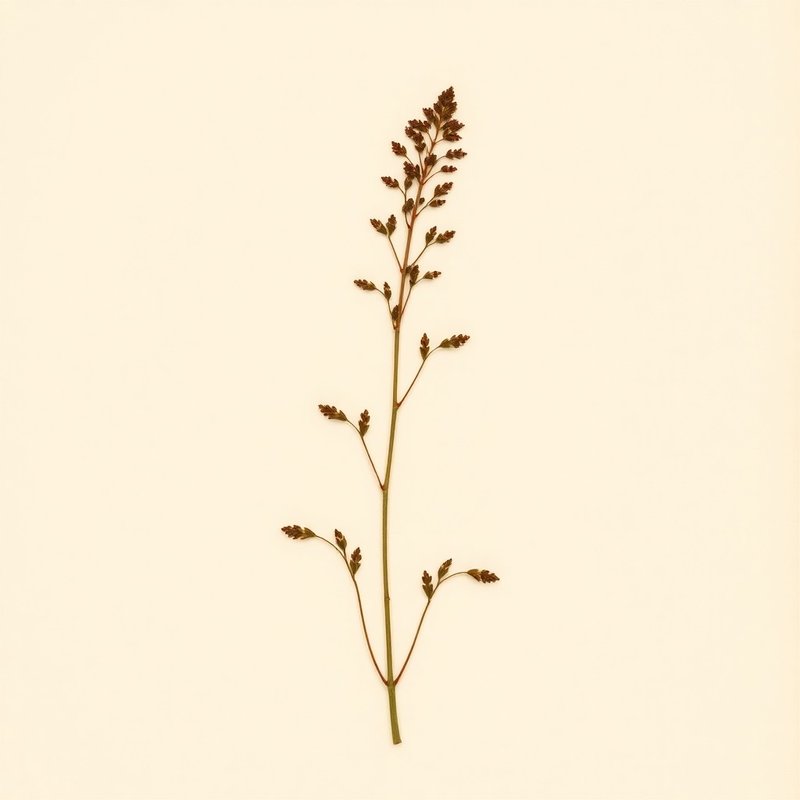
Red-Veined Dock (Rumex sanguineus), a perennial herb belonging to the Polygonaceae family, is widely distributed across Europe and into Central Asia. Native to countries such as Albania, Austria, Belarus, and Bulgaria, it has also spread to regions like Japan and parts of North America, including Alabama and Ontario. This plant thrives in moist to light soils with a pH between 7 and 7.5, making it adaptable to various growing conditions. Its leaves, which are often red-veined, are edible and can be consumed raw or cooked, adding a mild, slightly bitter taste to salads, soups, and stews. The leaves are best harvested before the plant flowers for optimal flavor. Red-Veined Dock also holds significance in traditional medicine, where its leaves are used for various purposes. However, caution should be exercised when using it medicinally, as its effects and safety claims should be verified through reliable sources. This plant can grow up to 1 meter tall and is hardy in zones 6 to 8, making it a notable addition to gardens or wild areas. It requires full sun to partial shade and can be propagated by division or seed. Its distinctive red-veined leaves and hardiness make it a valuable ornamental and culinary addition to landscapes.
What is Red-Veined Dock?
Red-Veined Dock (Rumex sanguineus), a perennial herb belonging to the Polygonaceae family, is widely distributed across Europe and into Central Asia. Native to countries such as Albania, Austria, Belarus, and Bulgaria, it has also spread to regions like Japan and parts of North America, including Alabama and Ontario.
IV·bMixology suggestions
1 draft
Mixology suggestions
1 draftVCultivation
Cultivation
How to grow Red-Veined Dock for the first time
Start with Red-Veined Dock as a simple, low-maintenance perennial for your garden.
- 1
What you'll need
Red-Veined Dock plants or seeds, gardening gloves, trowel, watering can.
- 2
Best time to plant
Plant in spring after the last frost or in early fall for best results.
- 3
Soil and container prep
Ensure soil is moist, light (sandy), medium, or heavy with a pH of 7–7.5. Amend as needed to reach this range.
- 4
Sowing or transplanting
Direct sow seeds in the ground or start them indoors and transplant when large enough to handle.
- 5
First two weeks
Water regularly, keeping soil consistently moist but not waterlogged. Monitor for pests and diseases.
- 6
Ongoing care
Provide light shade during hot summer months. Water deeply once a week, depending on rainfall. Mulch to retain moisture.
- 7
Harvest or pruning
Prune spent flower heads to encourage new growth and maintain the plant's appearance. Harvest leaves as needed for cooking.
- 8
Common mistakes
Overwatering, planting in too heavy soil, neglecting to mulch, not providing enough shade during hot weather.
VIEdible & utility
Edible & utility
VIIDistribution
34 native · 8 introduced
Distribution
34 native · 8 introducedIXSpecimen gallery
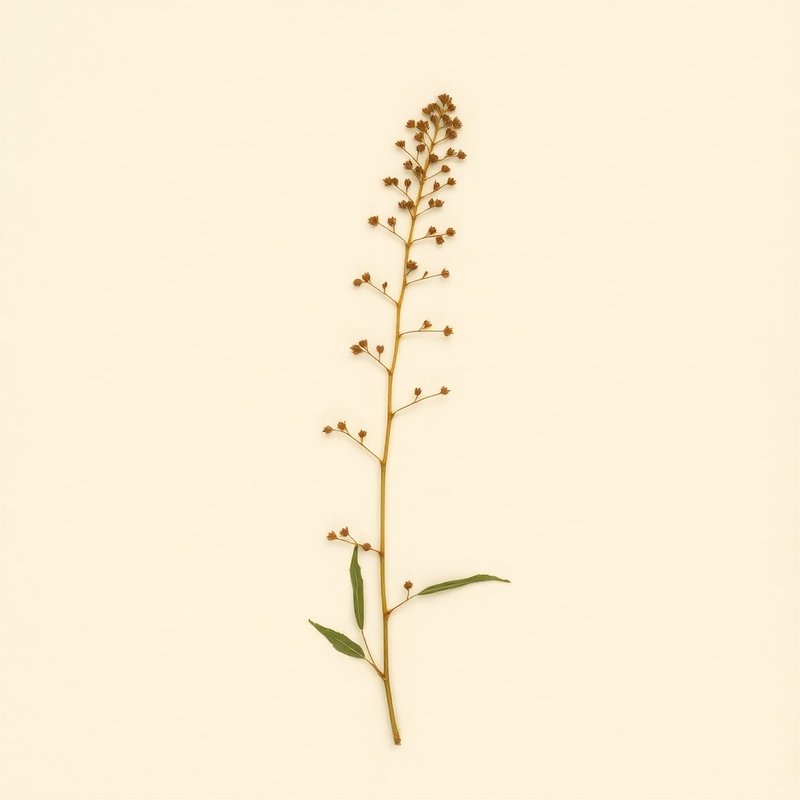
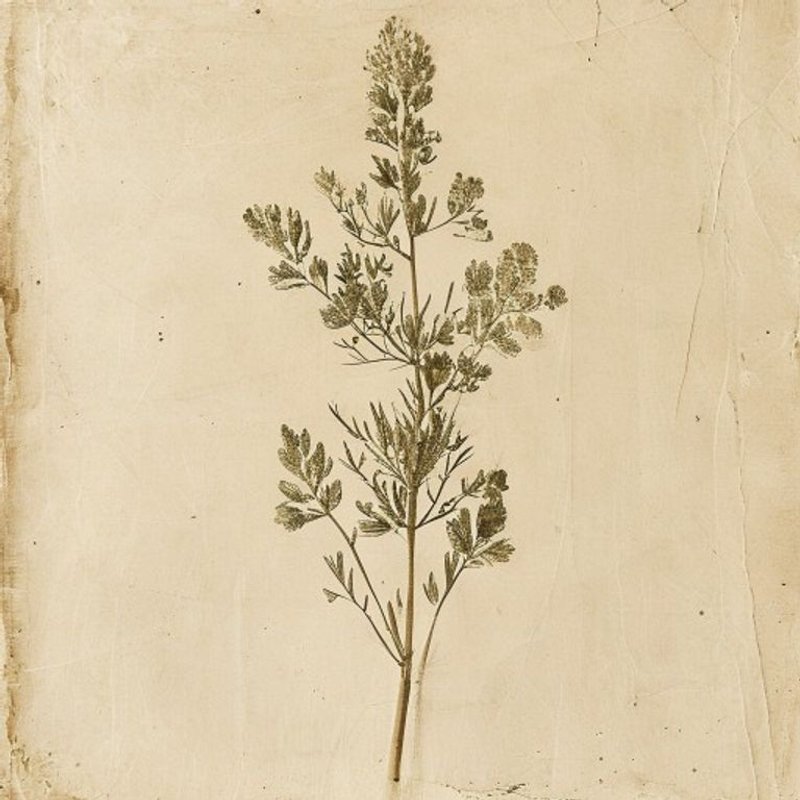
1 image
Specimen gallery
1 imageXSee also
8 related
See also
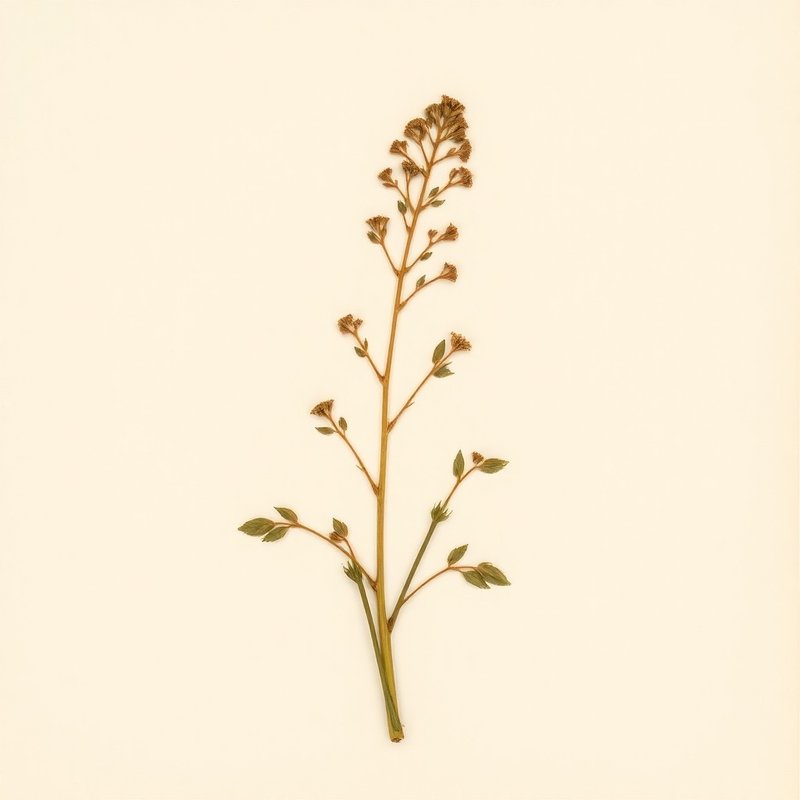
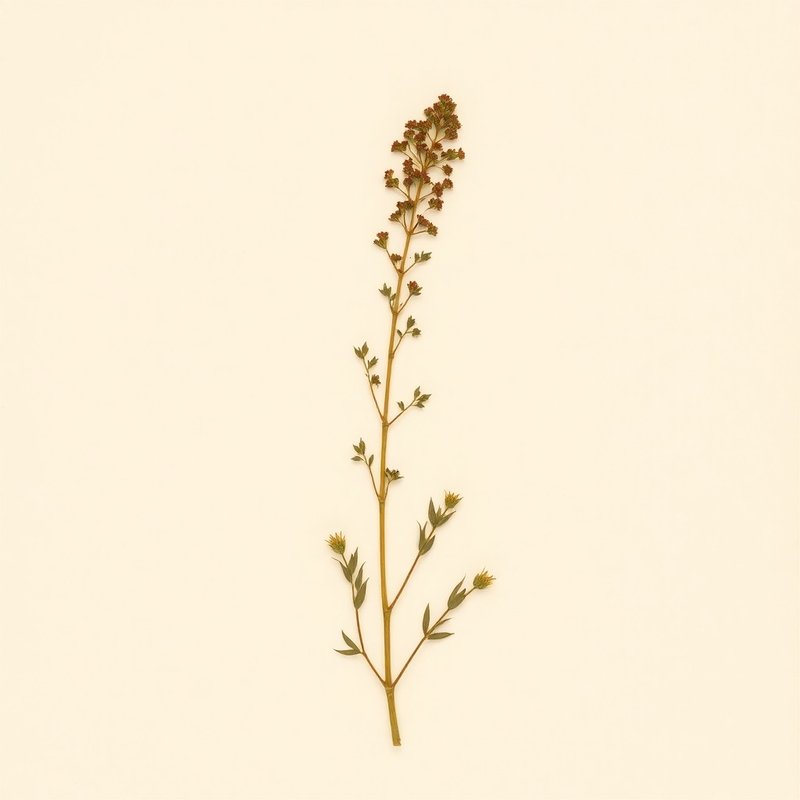
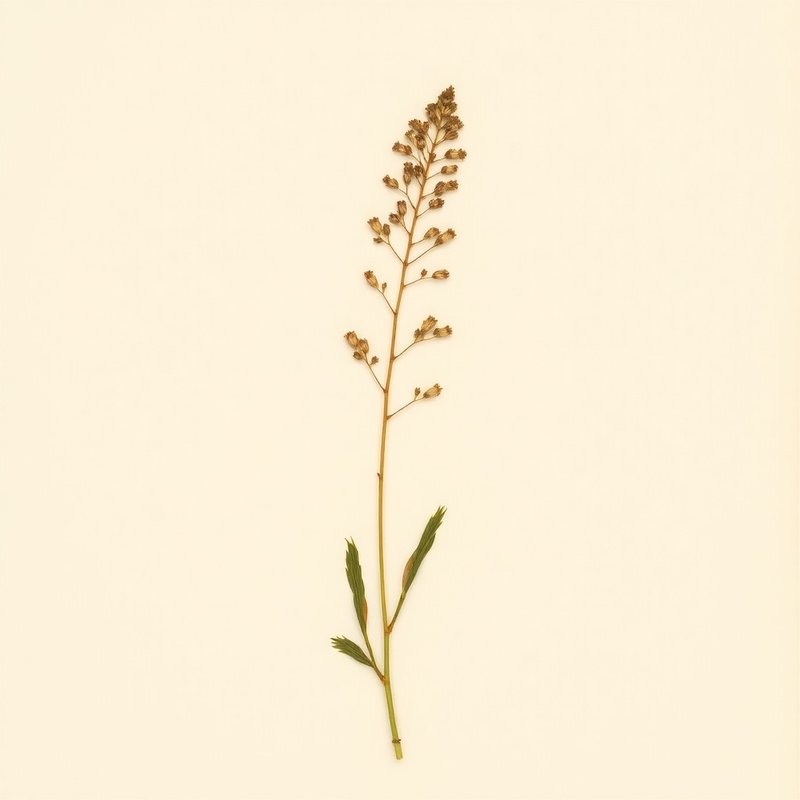
8 relatedPlants you might compare or use together — scored by shared family (Polygonaceae), common use cases, and growing requirements.


Explore further
About this entry
- Last updated
- Citation
- How to cite this entry · Submit a correction
Continue reading
Get archive updates
Occasional email when substantial new content lands — plant profiles, seasonal growing notes, folk-remedy additions. Free, no tracking, unsubscribe anytime.