
White Willow
Salix albafam. Salicaceae
Educational content — not medical, botanical, or professional advice. Always consult a qualified clinician before using any herbal preparation — especially during pregnancy, breastfeeding, while on medication, or for children. How we source & review →
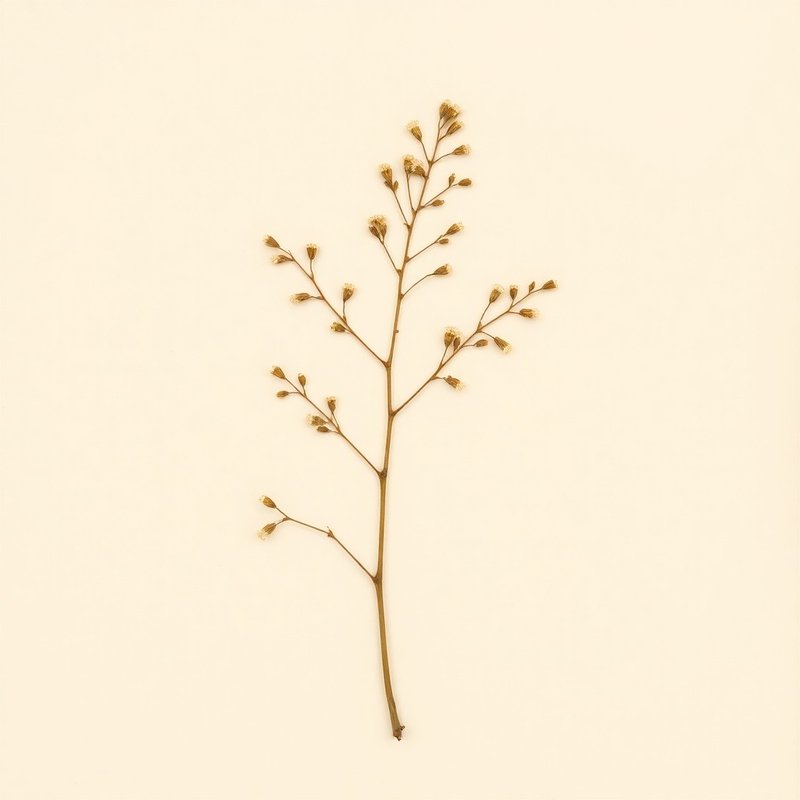
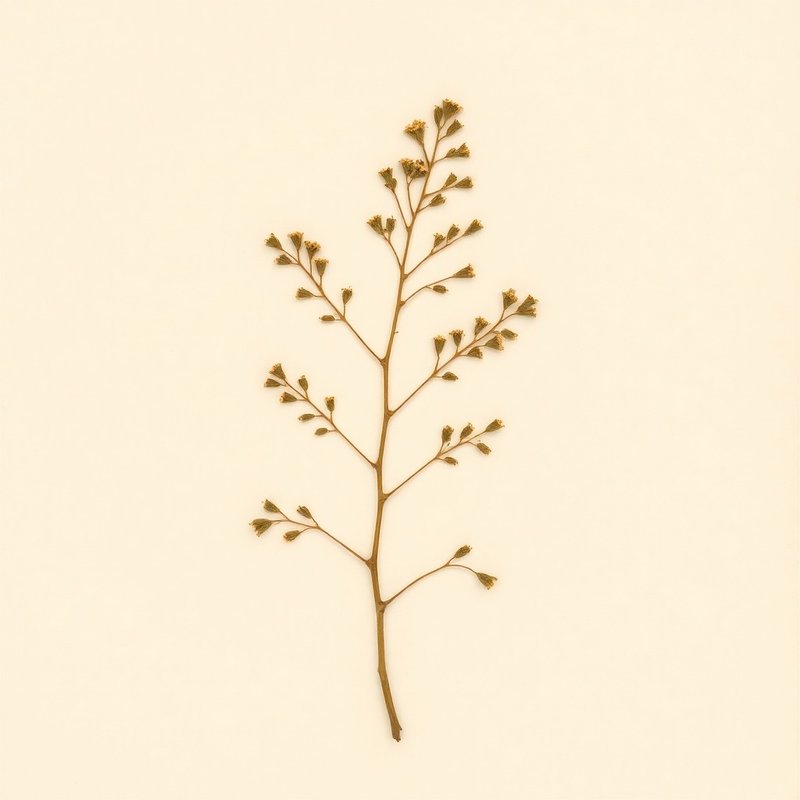
Pl. EC90 — Salix alba
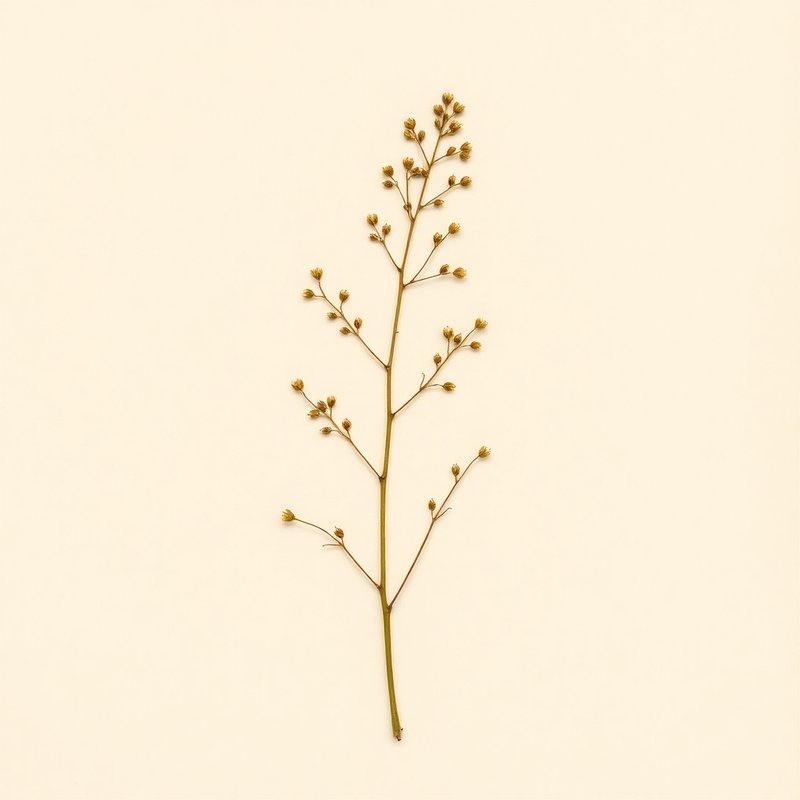
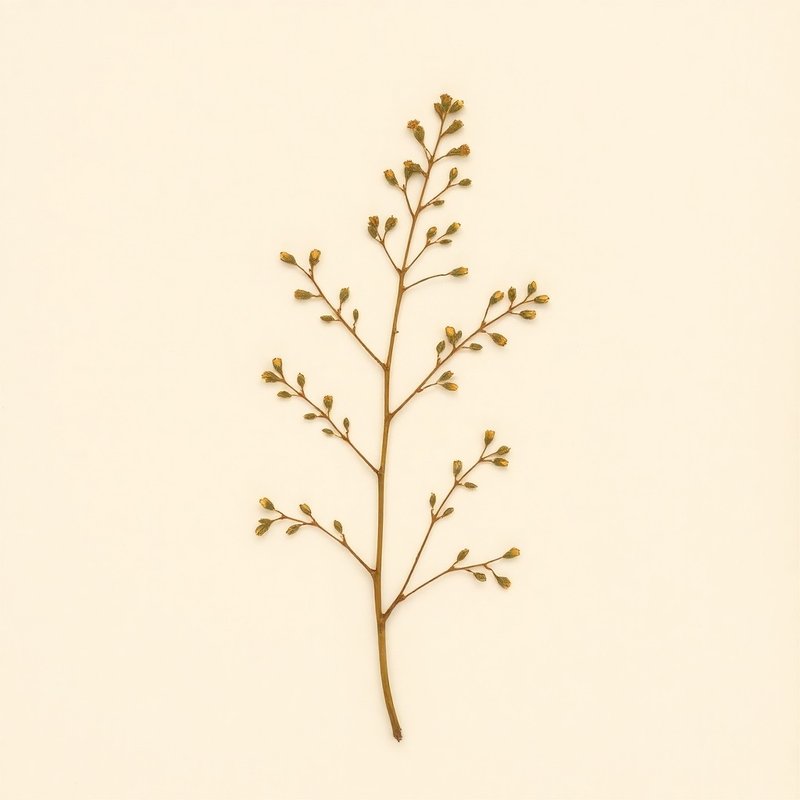
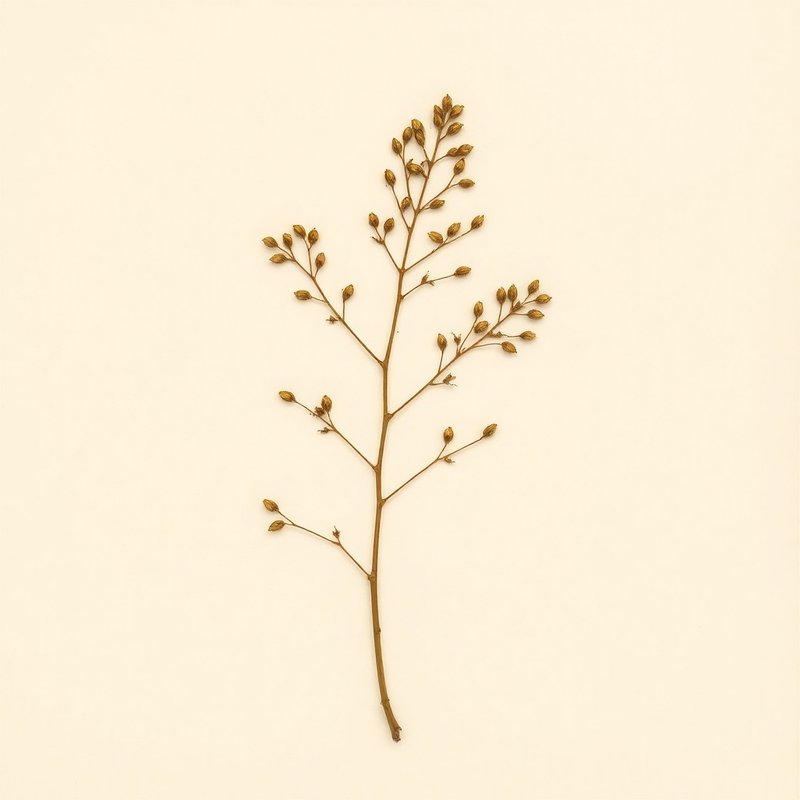
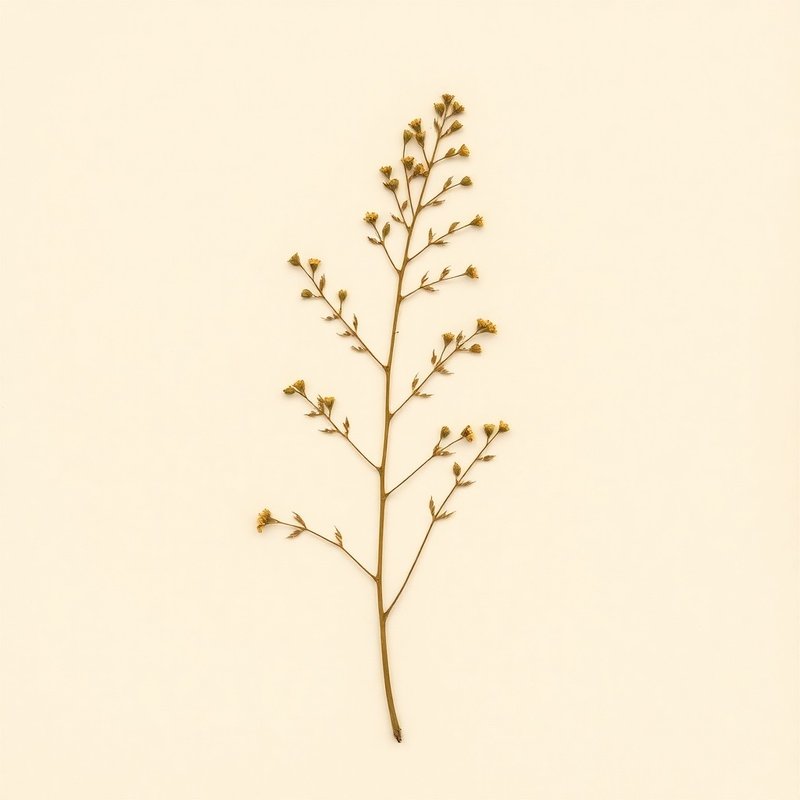
Salix albaSalix albaSalix albaSalix albaSalix albaSalix albaSalix albaSalix albaSalix albaSalix albaSalix albaSalix albaSalix albaSalix alba
IOverview
Overview
White Willow (Salix alba) belongs to the Salicaceae family and is native to regions including Sakhalin, Afghanistan, Albania, and Austria. This large tree thrives in moist or wet conditions with light soil types—both sandy and clay—and can grow up to 25 meters tall. Known for its edible inner bark, leaves, and shoots, White Willow has been used both medicinally and as a food source. Its distinctive feature is the white, papery bark that gives it its common name, making it easily recognizable in forests and gardens across its native range.
Quick answers
What is White Willow?
White Willow (Salix alba) belongs to the Salicaceae family and is native to regions including Sakhalin, Afghanistan, Albania, and Austria. This large tree thrives in moist or wet conditions with light soil types—both sandy and clay—and can grow up to 25 meters tall.
IV·bMixology suggestions
2 drafts
Mixology suggestions
2 draftsEditorial drafts. These pairings are AI-suggested from traditional herbal lore. Always verify with a qualified herbalist before brewing.
Growingconditions · propagation · uses
VCultivation
Cultivation
Salix alba thrives in full sun and prefers moist to wet soil that can be light (sandy), medium, or heavy (clay). It is hardy in zones 2-8, making it suitable for temperate regions. To propagate, use inner bark, leaves, or shoots. Regular moisture is key to its health, but ensure the soil drains well to prevent root rot.
Light
Full sun
Water
Moist, Wet
Soil
Light (sandy), Medium, Heavy (clay)
Hardiness
2-8
Mature size
25.0 m tall
For first-time growers
How to grow White Willow for the first time
7steps
Start with planting White Willow in a beginner-friendly environment.
- 1
What you'll need
A young White Willow sapling, garden gloves, and a shovel.
- 2
Best time to plant
Plant in early spring or late autumn when the soil is moist but not waterlogged.
- 3
Soil and container prep
Ensure the soil is well-draining with a pH between 6.0 and 7.5, and prepare a hole twice as wide as the root ball.
- 4
Sowing or transplanting
Transplant the sapling into a prepared hole, ensuring the roots are spread out and the trunk is straight.
- 5
First two weeks
Water regularly to keep the soil moist but not soggy. Monitor for any signs of stress or pests.
- 6
Ongoing care
Provide full sun exposure, regular watering, especially during dry spells, and mulch around the base to retain moisture.
- 7
Harvest or pruning
Prune in late winter before new growth starts. Harvest inner bark, leaves, and shoots for culinary use if desired.
VIEdible & utility
Edible & utility
Edible parts:Inner barkLeavesShoots
Edible uses: Tea
Other uses:Weaving materialFire startertextilesPioneerWind breakerLumberDynamic accumulator
Contextrange · companions · related
VIIDistribution
30 native · 0 introduced
Distribution
30 native · 0 introducedDistribution across3 continents· 30 native
Europe14 regions
native (14)AlbaniaAustriaBelarusBelgiumBulgariaCyprusFranceGermanyGreeceHungaryItalyNetherlandsRussiaUkraine
Asia5 regions
native (5)AfghanistanChinaIranIraqKazakhstan
Africa2 regions
native (2)AlgeriaMorocco
Broader regions
native:Kriti, Lebanon-Syria, Sakhalin, Altay, Baltic States, Czechoslovakia, East Aegean Is.
IXSpecimen gallery
1 image
Specimen gallery
1 imageXSee also
8 related
See also
8 relatedPlants you might compare or use together — scored by shared family (Salicaceae), common use cases, and growing requirements.
same family · Salicaceae
Botanical relatives — often share phytochemistry + growing needs.
XI
Explore further
Companion planting
Compare with similar plants
Growing zone
XII
About this entry
- Last updated
- Citation
- How to cite this entry · Submit a correction
Back to the cataloguePlant id · ec90be3c-25cc-43b6-89be-d643a410bdc1
Decision aid
Choosing between White Willow and something else?
Continue reading
❦❦❦❦
Endpaper · archive updates
Get archive updates
Occasional email when substantial new content lands — plant profiles, seasonal growing notes, folk-remedy additions. Free, no tracking, unsubscribe anytime.