
Salix decipiens
IOverview
Overview
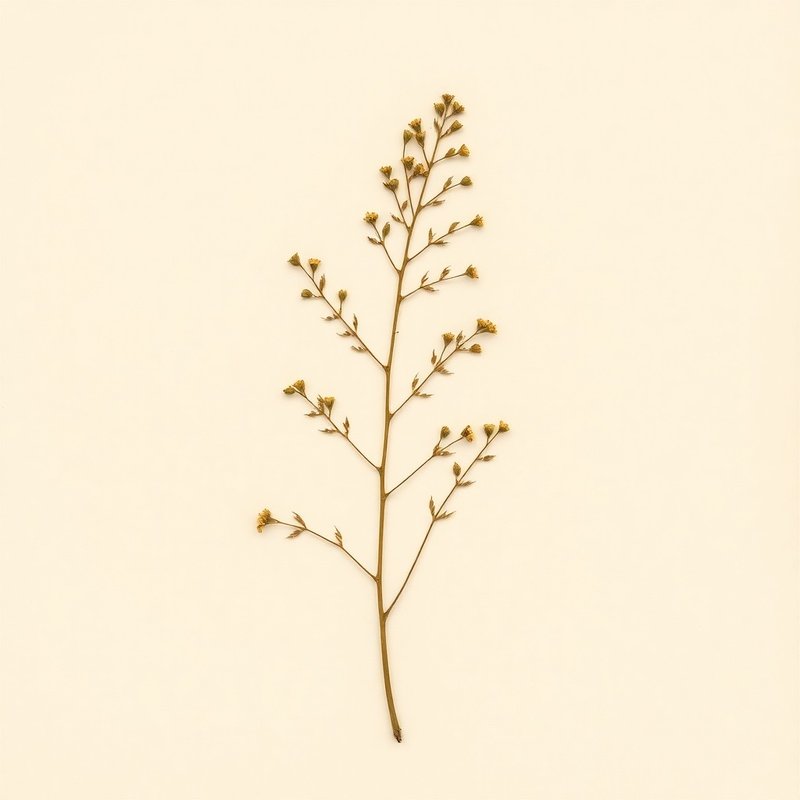
Salix decipiens, commonly known as the Turkey willow, is a deciduous shrub native to Turkey. This plant thrives in moist and wet habitats, often found in light (sandy), medium, or heavy (clay) soil types. Known for its edible parts—inner bark, leaves, and shoots—it provides sustenance while also being an ornamental addition to gardens. The Turkey willow requires full sun and moist conditions, making it a unique choice for specific garden settings in its native range or similar environments elsewhere. Edible and medicinal, Salix decipiens has been traditionally used in European herbal medicine to support the immune system. A tea made from the leaves or bark may help during cold and flu season. Additionally, the inner bark, leaves, and shoots are edible. Typically, the inner bark is harvested and prepared by peeling it from the branches. The young leaves and shoots can be eaten raw or cooked and are also dried for later use. In cultivation, Salix decipiens thrives in full sun and prefers moist to wet conditions. It grows well in light (sandy), medium, and heavy (clay) soils. For propagation, shoots or inner bark, leaves can be used. This species is hardy in temperate regions and is native to Turkey, with introductions to various parts of the world including Afghanistan, Alaska, and many European countries. While traditionally used for calming and relaxation, and for immune support, PlantSage presents these uses as ethnobotanical context, not as medical advice.
What is Salix decipiens?
Salix decipiens, commonly known as the Turkey willow, is a deciduous shrub native to Turkey. This plant thrives in moist and wet habitats, often found in light (sandy), medium, or heavy (clay) soil types.
What is Salix decipiens used for?
Traditionally used for stress & anxiety, immune support. Each claim is evidence-rated — see Section II for full citations.
IIBenefits & evidence
2 claims · traditional-use context
Benefits & evidence
2 claims · traditional-use context- Traditional-use note: Salix decipiens appears in herbal sources around calming and relaxation traditions, often as a decoction. PlantSage presents this as ethnobotanical context, not as medical advice.
Traditional context only. This reviewed claim keeps the original moderate confidence level, but avoids treatment, disease, dosage, or guaranteed-effect language.
▲ ModerateStress & anxiety → - Willow species like Salix decipiens have been traditionally used in European herbal medicine to support the immune system. A tea made from the leaves or bark may help during cold and flu season.
Salicylates present in willows exhibit anti-inflammatory properties, which can be beneficial for immune modulation. However, the specific mechanism is not fully characterised.
▲ ModerateImmune support →
IV·bMixology suggestions
1 draft
Mixology suggestions
1 draftVCultivation
Cultivation
How to grow Salix decipiens for the first time
Start with simple soil and basic care for Skip, a beginner-friendly plant.
- 1
What you'll need
A young Skip sapling or seeds, potting mix, container, water.
- 2
Best time to plant
Plant in spring when the soil is moist and warm.
- 3
Soil and container prep
Use a well-draining potting mix suitable for moisture-loving plants. Ensure your container has drainage holes.
- 4
Sowing or transplanting
Transplant young saplings into a larger container if needed, ensuring the roots are not damaged.
- 5
First two weeks
Water regularly to keep the soil moist but not waterlogged. Place in partial shade until established.
- 6
Ongoing care
Provide full sun once established and continue regular watering. Prune lightly to encourage growth.
- 7
Harvest or pruning
Prune in late winter before new growth starts to maintain shape and health.
- 8
Common mistakes
Overwatering, planting in heavy clay soil, neglecting sunlight once established.
VIEdible & utility
Edible & utility
VIIDistribution
51 native · 135 introduced
Distribution
51 native · 135 introducedIXSpecimen gallery
1 image
Specimen gallery
1 imageXSee also
8 related
See also
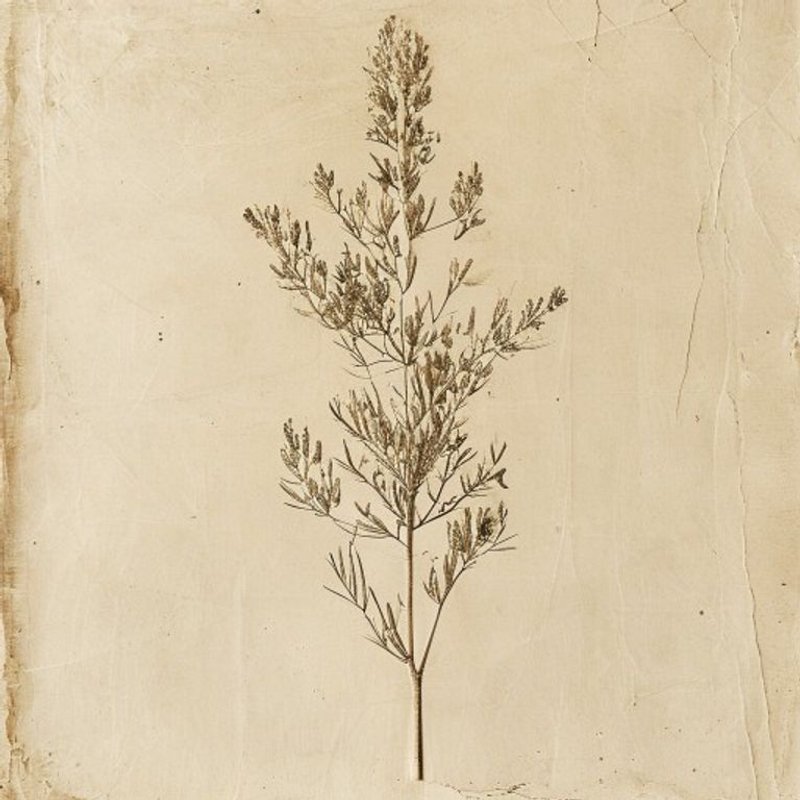
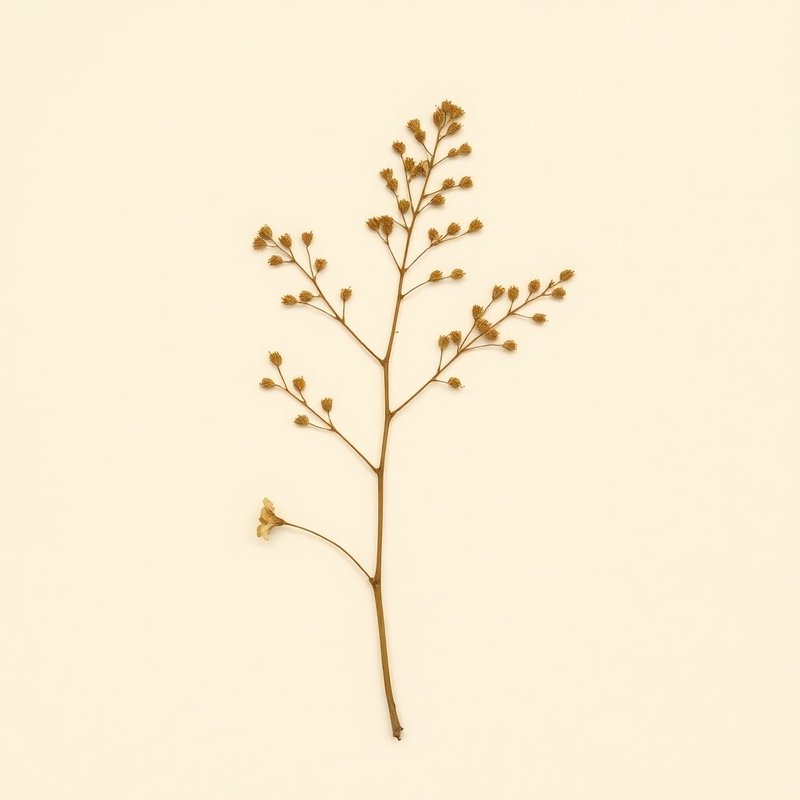
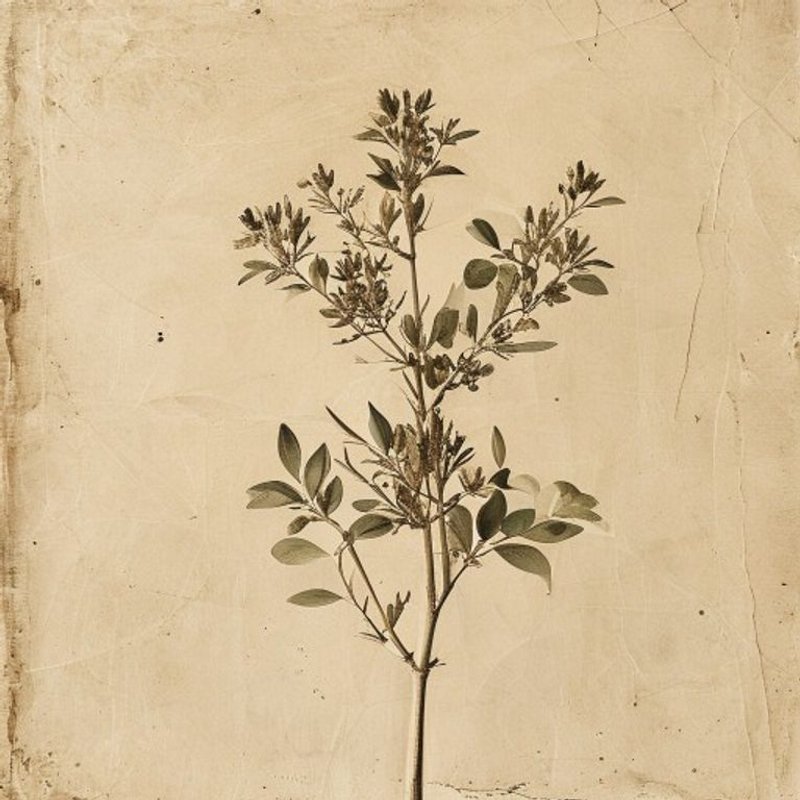
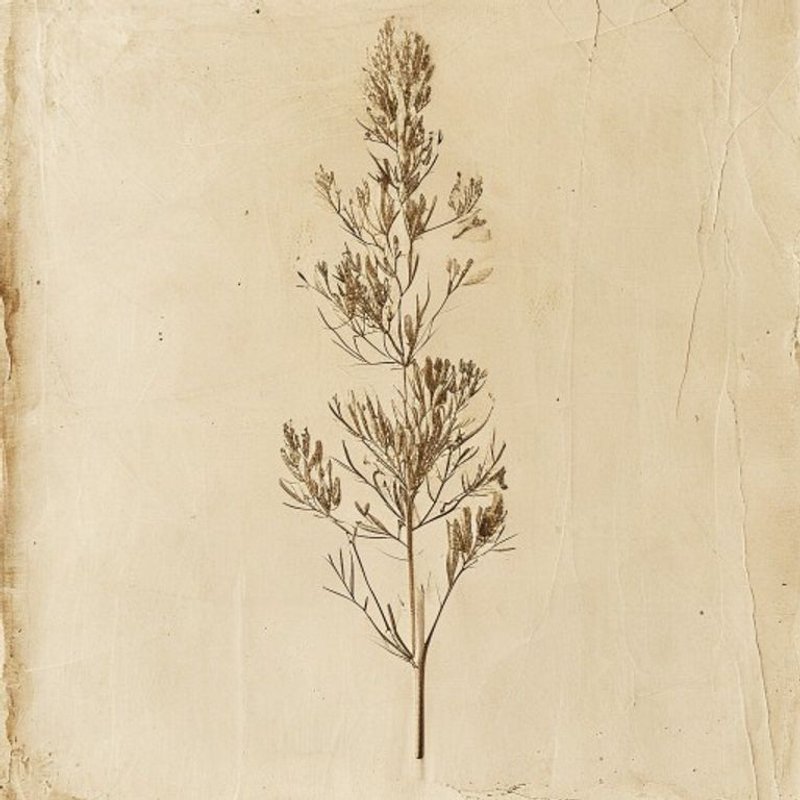
8 relatedPlants you might compare or use together — scored by shared family (Salicaceae), common use cases, and growing requirements.

Explore further
About this entry
- Last updated
- Citation
- How to cite this entry · Submit a correction
Continue reading
Get archive updates
Occasional email when substantial new content lands — plant profiles, seasonal growing notes, folk-remedy additions. Free, no tracking, unsubscribe anytime.