Skip to content
IIIFolio · plant profile№ BFD0edible
Data provenancePermapeopleTreflePFAFPOWOreviewed 13 Oct 2026methodology → read
Home/Plants/Cyperaceae

Hard Stem Bulrush

Scirpus acutusfam. Cyperaceae
Educational content — not medical, botanical, or professional advice. Plant identification, safety, and edibility depend on local conditions, cultivars, and correct identification. Consult a qualified botanist or forager before consuming or handling wild specimens. How we source & review →
edibleperennialedibleedible leafedible rootnative amperennialshade tolerant
Updated·Quick Q&A →
Garden journal pausedUse profile notes below
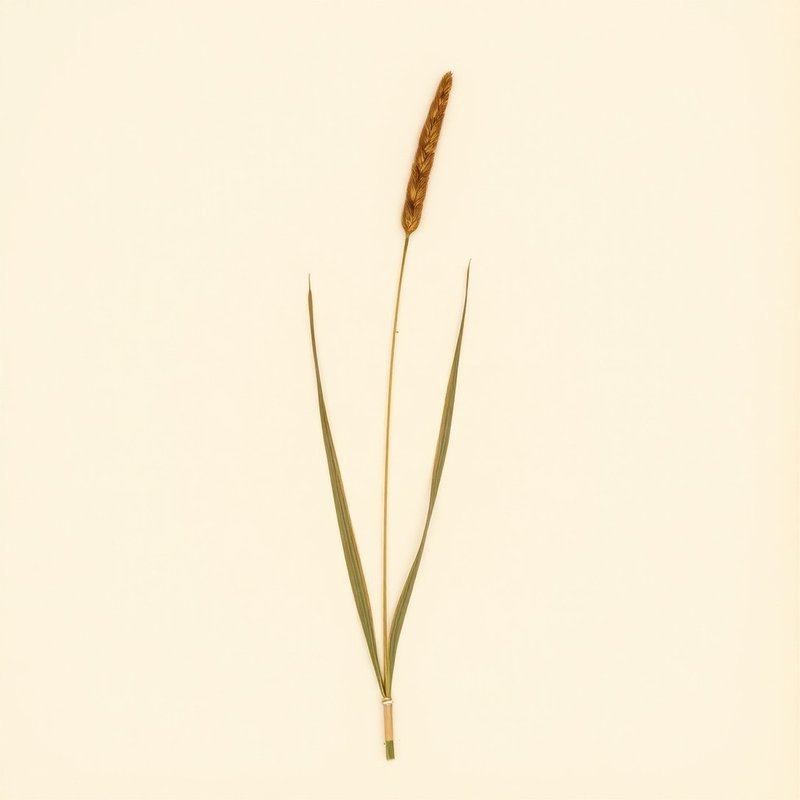
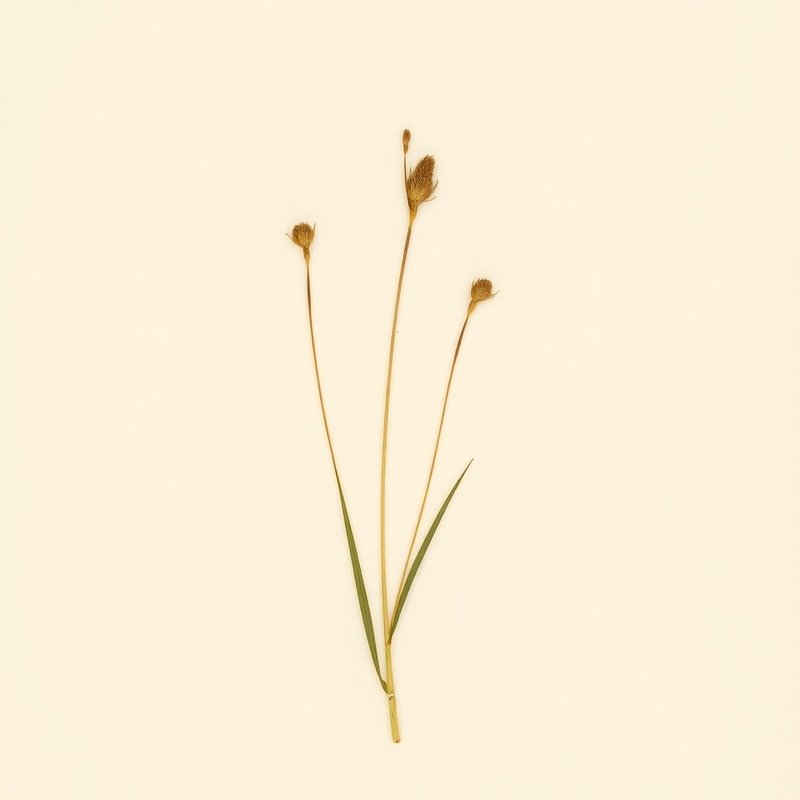
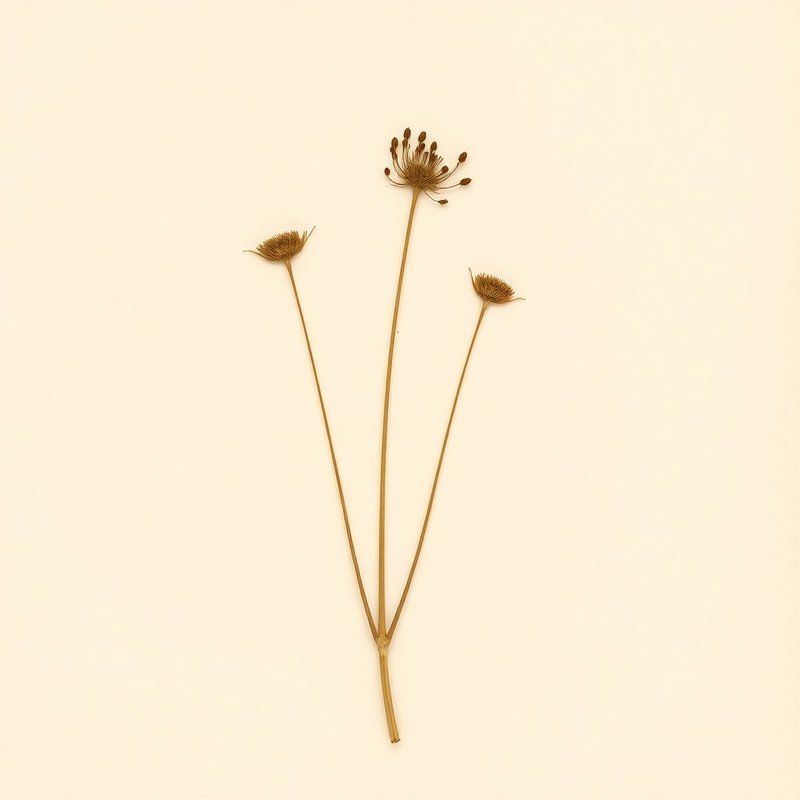
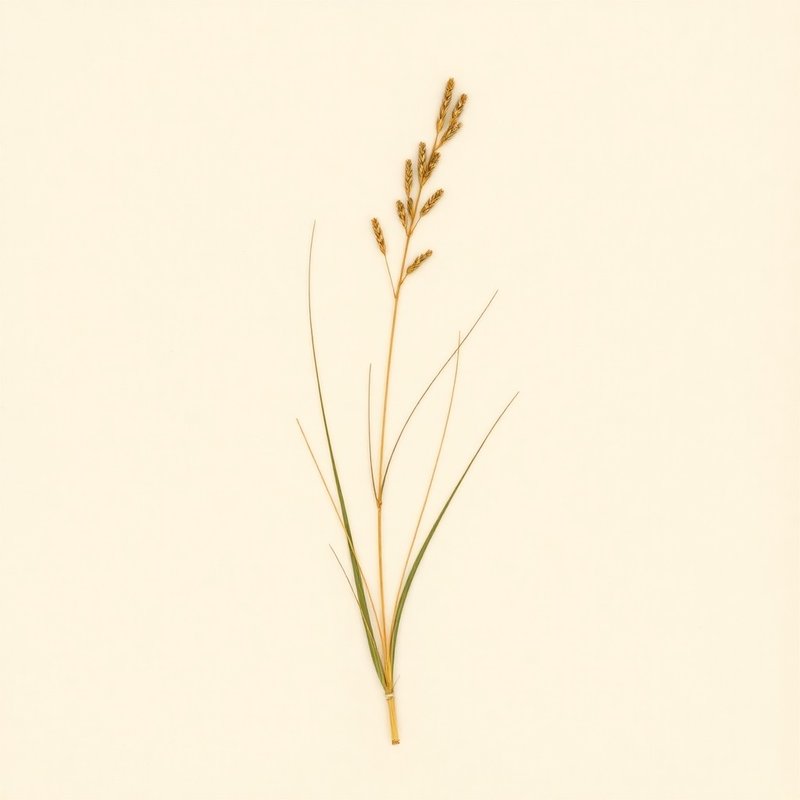
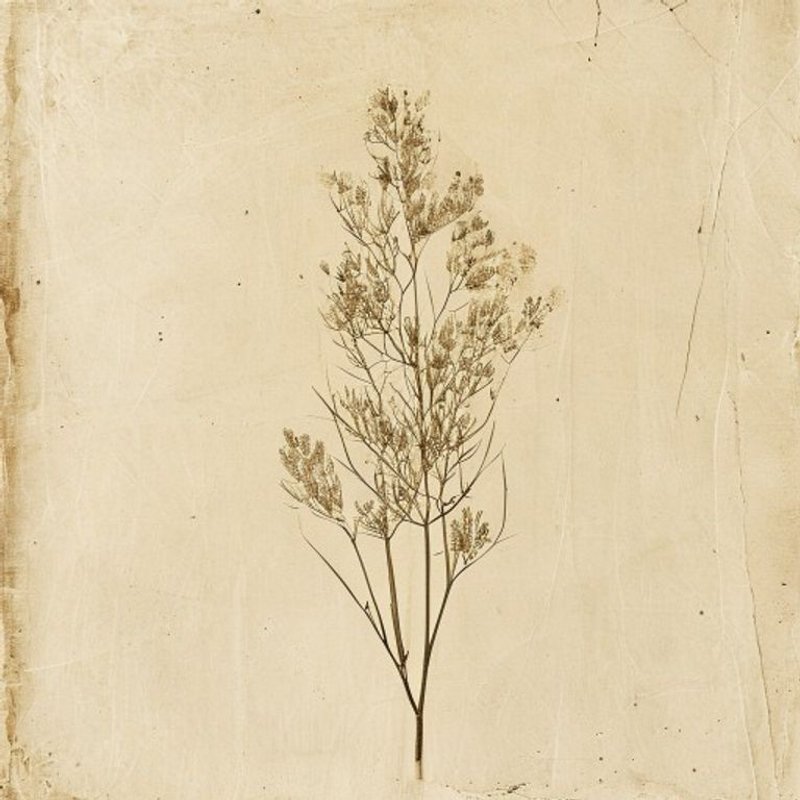
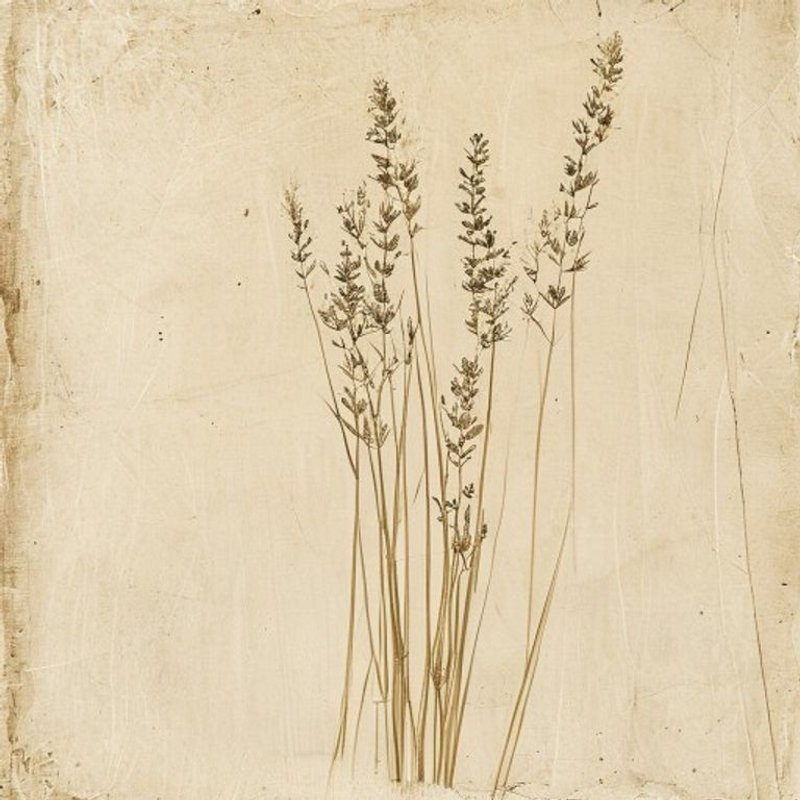
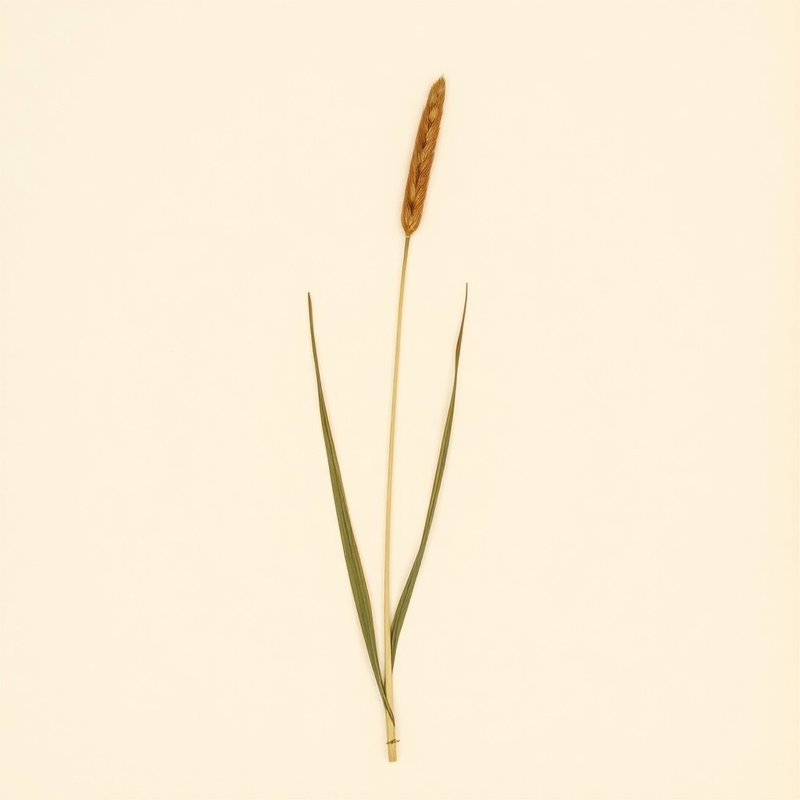
Scirpus acutus (Hard Stem Bulrush) — botanical photograph
Pl. BFD0 — Scirpus acutus
Scirpus acutusScirpus acutusScirpus acutusScirpus acutusScirpus acutusScirpus acutusScirpus acutusScirpus acutusScirpus acutusScirpus acutusScirpus acutusScirpus acutusScirpus acutusScirpus acutus
I

Overview

Hard Stem Bulrush (Scirpus acutus) is a perennial graminoid native to much of North America and Central America, thriving in moist or wet conditions with light to partial sun. This plant can grow up to 2 meters tall and is found across a wide range including states like Alabama, Alaska, and British Columbia. Known for its edible parts such as leaves, pollen, roots, seeds, and shoots, Hard Stem Bulrush provides sustenance while adding an ornamental touch to wetland gardens or natural landscapes. Its distinctive feature lies in the hard, sharp-edged stems that give it its common name. The plant is adaptable to various soil types, including light (sandy), medium, and heavy (clay) soils, making it a versatile addition to diverse environments. Hard Stem Bulrush can be found in habitats ranging from coastal areas to inland wetlands, contributing to the biodiversity of these ecosystems. Its edible parts make it valuable for foragers and gardeners alike; young shoots are often eaten raw or cooked as vegetables, while roots and seeds can be prepared by boiling to enhance their palatability. Hard Stem Bulrush is also recognized for its utility in weaving materials and textiles, adding practical value beyond its ornamental and culinary uses. It has been introduced into Maryland, expanding its range and utility in new environments. While not traditionally used medicinally, the plant's presence in wetland ecosystems supports local wildlife and contributes to ecological balance. Cultivation of Hard Stem Bulrush is straightforward; it thrives in full to partial sun and prefers moist or wet soil conditions. This plant can grow up to 2 meters tall and is a fast-growing perennial, making it an attractive choice for those looking to add height and texture to their gardens. Ensuring the soil remains consistently moist will promote healthy growth and vibrant displays of this hardy, versatile species.

Quick answers

What is Hard Stem Bulrush?

Hard Stem Bulrush (Scirpus acutus) is a perennial graminoid native to much of North America and Central America, thriving in moist or wet conditions with light to partial sun. This plant can grow up to 2 meters tall and is found across a wide range including states like Alabama, Alaska, and British Columbia.

Compare with:River Bulrush→Scirpus affinis→Scirpus ternatus→all comparisons →
Growingconditions · propagation · uses
V

Cultivation

Hard Stem Bulrush thrives in full to partial sun and prefers moist or wet soil, making it ideal for areas with high humidity. It can grow in light (sandy), medium, or heavy (clay) soils and is a perennial that reaches heights of 2 meters. This plant is hardy in temperate regions and can be propagated through seeds, shoots, leaves, pollen, or roots. Ensure the soil remains consistently moist for best growth.
Light
Full sun, Partial sun/shade
Water
Moist, Wet, water
Soil
Light (sandy), Medium, Heavy (clay)
Life cycle
Perennial
Habit
Graminoid
Mature size
2.0 m tall
For first-time growers

How to grow Hard Stem Bulrush for the first time

8steps

Start with Hard Stem Bulrush as a simple, low-maintenance perennial for your garden.

  1. 1

    What you'll need

    Hard Stem Bulrush plants or seeds, gardening gloves, trowel, watering can.

  2. 2

    Best time to plant

    Plant in spring after the last frost or in early fall before the first freeze.

  3. 3

    Soil and container prep

    Choose a location with moist soil; amend heavy clay or light sandy soils with organic matter for better drainage and fertility.

  4. 4

    Sowing or transplanting

    Transplant established plants in early spring, or sow seeds directly where they will grow in late winter to early spring.

  5. 5

    First two weeks

    Water regularly to keep the soil moist; mulch around the base for added moisture retention and weed control.

  6. 6

    Ongoing care

    Provide consistent watering, especially during dry spells. Divide plants every 3-5 years to maintain vigor.

  7. 7

    Harvest or pruning

    Prune dead foliage in late winter to encourage new growth; harvest young shoots and leaves for culinary use.

  8. 8

    Common mistakes

    Overwatering, planting in too dry a location, neglecting to divide plants regularly.

VI

Edible & utility

Edible parts:LeavesPollenRootSeedShoots
Edible uses: The Hard Stem Bulrush is edible and can be consumed in various forms. The leaves, pollen, roots, seeds, and shoots are all usable parts of the plant. Typically, the young shoots are eaten raw or cooked as a vegetable. Roots and seeds can also be prepared by boiling to make them more palatable. Pollen from this plant can be harvested and used in various culinary applications, adding a unique flavor to dishes.
Other uses:Weaving materialtextiles
Contextrange · companions · related
VII

Distribution

136 native · 16 introduced
Distribution across4 continents· 136 native· 16 introduced
Europe15 regions
native (14)AustriaBulgariaFranceGermanyGreeceHungaryItalyPolandPortugalRomaniaRussiaSpainSwitzerlandUkraine
introduced (1)Italy
Asia21 regions
native (21)AfghanistanBangladeshChinaIndiaIranIraqJapanKazakhstanMongoliaMyanmarNepalPakistanPhilippinesSouth KoreaSri LankaTaiwanThailandTurkeyUzbekistanVietnamYemen
Americas1 region
native (1)United States
Africa14 regions
native (13)AngolaCameroonGabonGuineaGuinea-BissauLiberiaMadagascarMalawiNigeriaSenegalTanzaniaUgandaZambia
introduced (1)Egypt
Broader regions
native:Alabama, Alberta, Andaman Is., Arizona, Arkansas, Borneo, British Columbia, California, Central African Repu, Central American Pac, Colorado, Congo, Connecticut, Czechoslovakia, Delaware, East Himalaya, Gulf of Guinea Is., Hainan, Idaho, Illinois, Indiana, Iowa, Jawa, Kamchatka, Kansas, Kentucky, Kirgizstan, Lesser Sunda Is., Maine, Malaya, Manitoba, Massachusetts, Mexico Northwest, Michigan, Minnesota, Missouri, Montana, Nebraska, Nevada, New Brunswick, New Guinea, New Hampshire, New Jersey, New Mexico, New South Wales, New York, Newfoundland, North Carolina, North Dakota, Northern Territory, Northwest Territorie, Nova Scotia, Ohio, Oklahoma, Ontario, Oregon, Pennsylvania, Prince Edward I., Québec, Queensland, Rhode I., Saskatchewan, South Dakota, Sulawesi, Sumatera, Tadzhikistan, Texas, Transcaucasus, Utah, Vermont, Virginia, Washington, West Himalaya, West Virginia, Western Australia, Wisconsin, Wyoming, Yugoslavia, Yukon
introduced:California, Connecticut, Illinois, Indiana, Iowa, Kentucky, Maryland, Missouri, New Brunswick, New Jersey, New York, Oregon, Tennessee, Virginia
IX

Specimen gallery

1 image
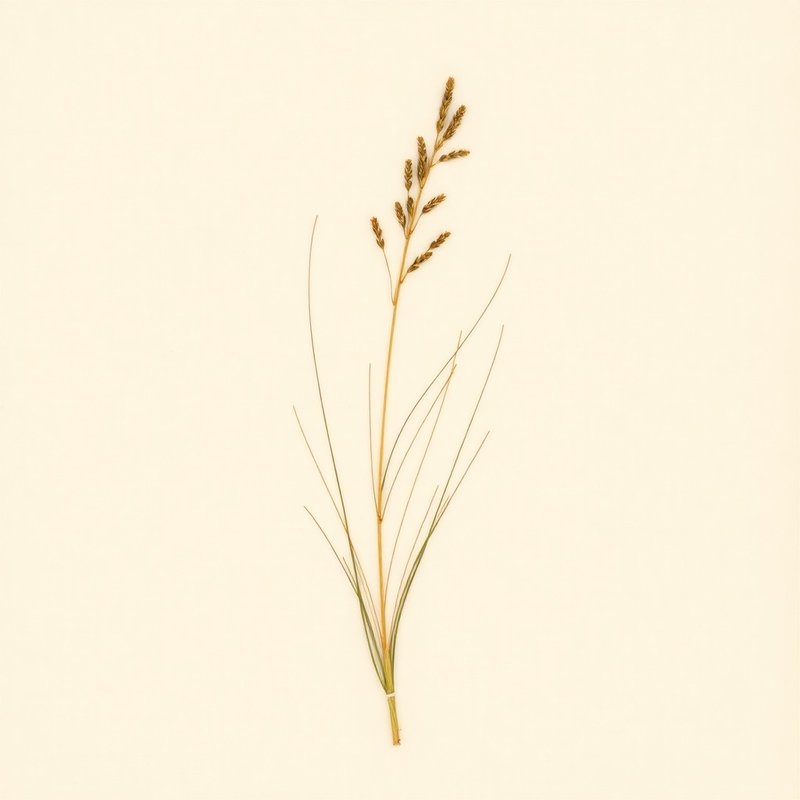
Scirpus acutus (Hard Stem Bulrush) — botanical photograph
Hard Stem Bulrush (Scirpus acutus)
X

See also

8 related
XI

Explore further

XII

About this entry

Last updated
Citation
How to cite this entry · Submit a correction
Back to the cataloguePlant id · bfd0ac33-6546-406e-8b73-f54d940b983d
Decision aid
Choosing between Hard Stem Bulrush and something else?
Compare with another plant

Continue reading

❦❦❦❦
Endpaper · archive updates

Get archive updates

Occasional email when substantial new content lands — plant profiles, seasonal growing notes, folk-remedy additions. Free, no tracking, unsubscribe anytime.

Newsletter returning soon.
We are rebuilding the update list around a lightweight editorial workflow. New dispatches will resume after the next content review cycle.
iCare notes