
Scirpus ternatus

IOverview
Overview
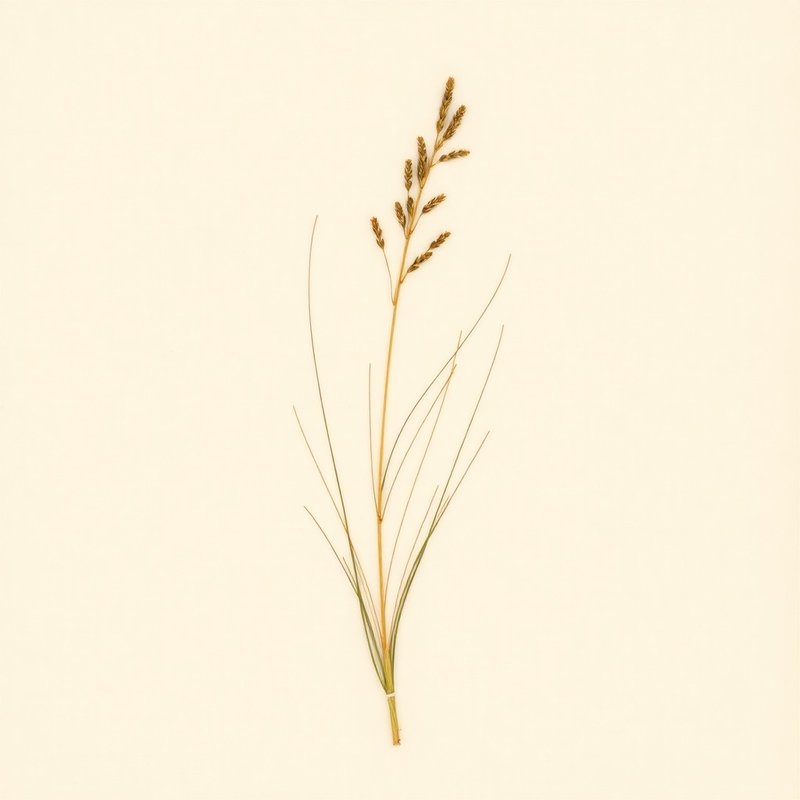
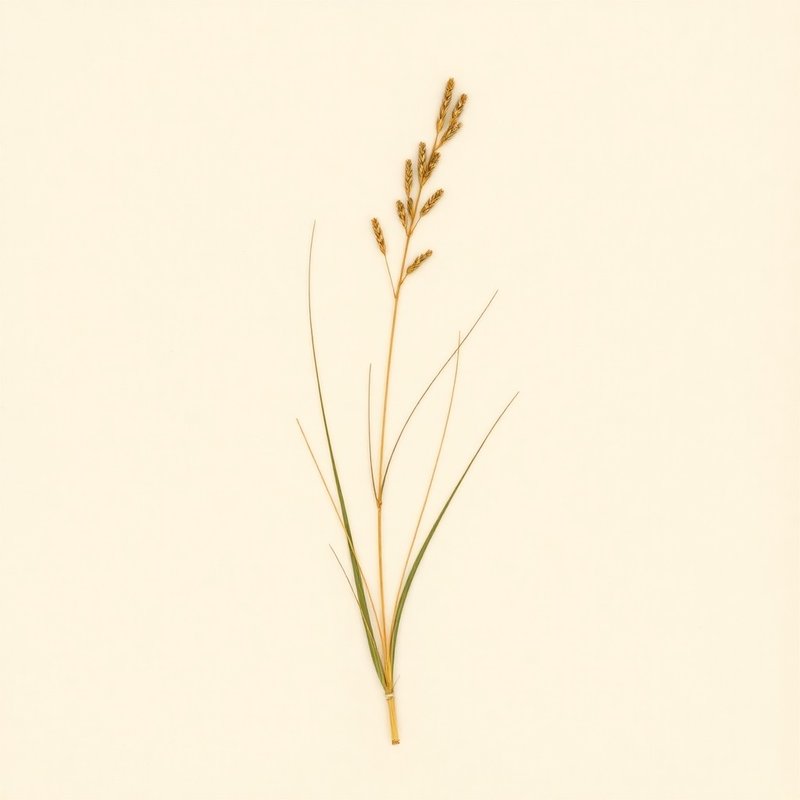
Scirpus ternatus, commonly known as soft-stem bulrush, is a perennial plant belonging to the Cyperaceae family. Native to regions including Algeria, Assam, Bangladesh, Egypt, Guinea, India, Libya, Madagascar, Mali, Mauritius, Niger, Nigeria, Portugal, Senegal, Spain, Tanzania, Togo, Vietnam, and Zambia, this plant is adapted to a variety of moist to wet environments. It thrives in light sandy, medium, or heavy clay soils, often found in full sun to partial shade, and can grow up to 1 meter tall. The seeds of Scirpus ternatus are edible and can be harvested for consumption. They are typically dried before being ground into a flour or used as a grain in various dishes. However, it is advisable to avoid raw consumption due to potential toxicity concerns. This plant has been introduced into New South Wales, Queensland, and Victoria, demonstrating its adaptability to different habitats. Its presence in diverse regions across Africa, Asia, and parts of Europe makes Scirpus ternatus a significant species within its family.
What is Scirpus ternatus?
Scirpus ternatus, commonly known as soft-stem bulrush, is a perennial plant belonging to the Cyperaceae family.
VCultivation
Cultivation
How to grow Scirpus ternatus for the first time
Start with Skip by ensuring you have the right conditions and care, making it a simple addition to your garden.
- 1
What you'll need
A container or plot in full sun, moist soil, and seeds.
- 2
Best time to plant
Plant Skip during spring when the weather is warming up.
- 3
Soil and container prep
Prepare a well-draining soil mix with light sand, medium loam, or heavy clay. Ensure good drainage.
- 4
Sowing or transplanting
Direct sow seeds in the prepared soil or start them indoors 4-6 weeks before planting outside.
- 5
First two weeks
Keep the soil consistently moist and provide partial shade if direct sunlight is too intense.
- 6
Ongoing care
Water regularly, especially during dry spells. Fertilize sparingly with compost or organic matter to promote growth.
- 7
Harvest or pruning
Prune dead foliage in late winter to maintain the plant's health and appearance.
- 8
Common mistakes
Overwatering, planting in poorly drained soil, neglecting to prune, and not providing enough sunlight.
VIEdible & utility
Edible & utility
VIIDistribution
19 native · 3 introduced
Distribution
19 native · 3 introducedIXSpecimen gallery
1 image
Specimen gallery
1 imageXSee also
8 related
See also
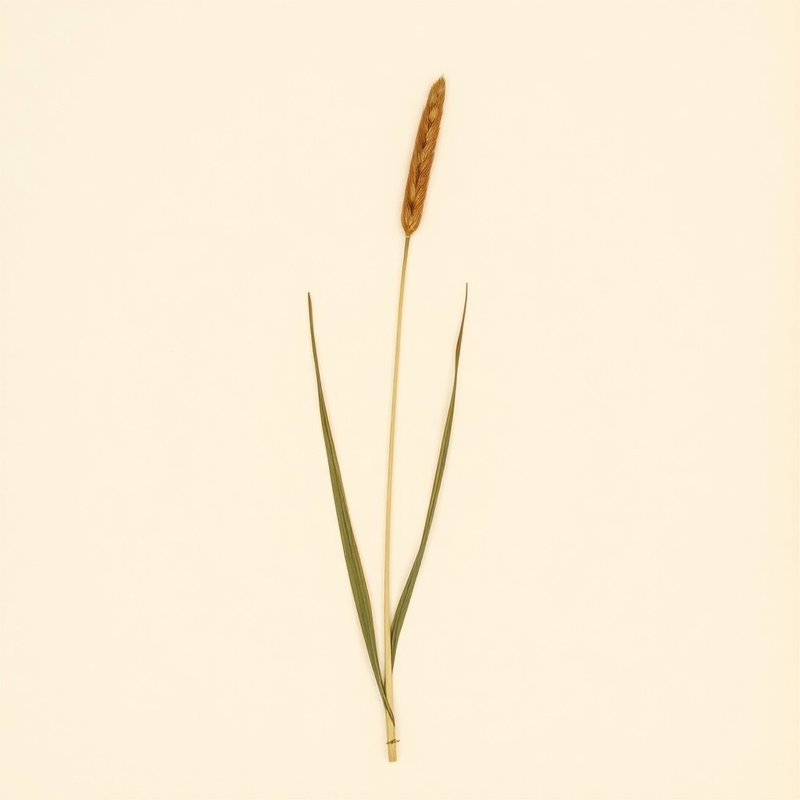
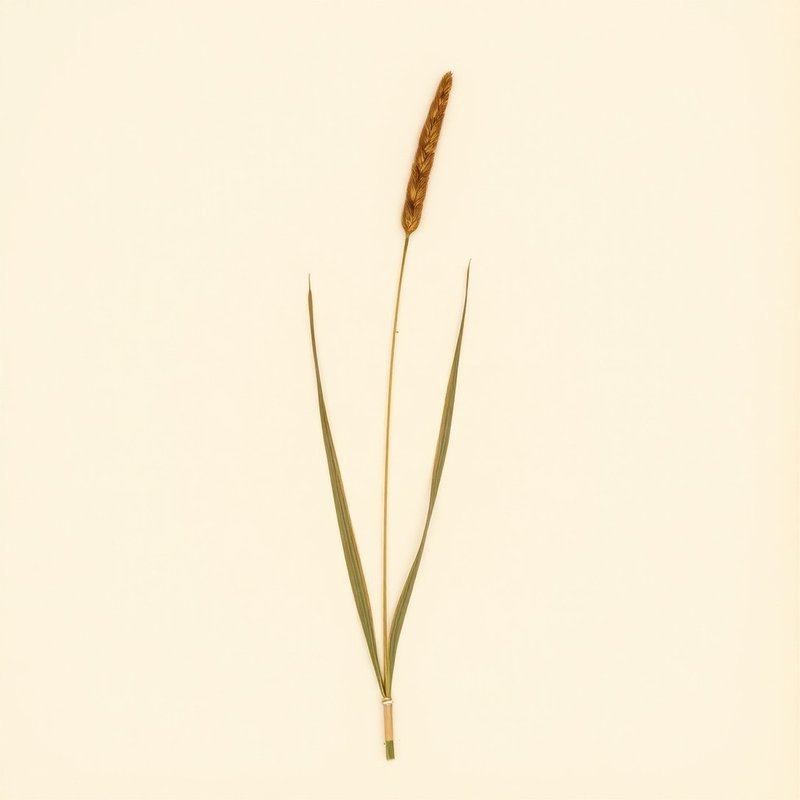
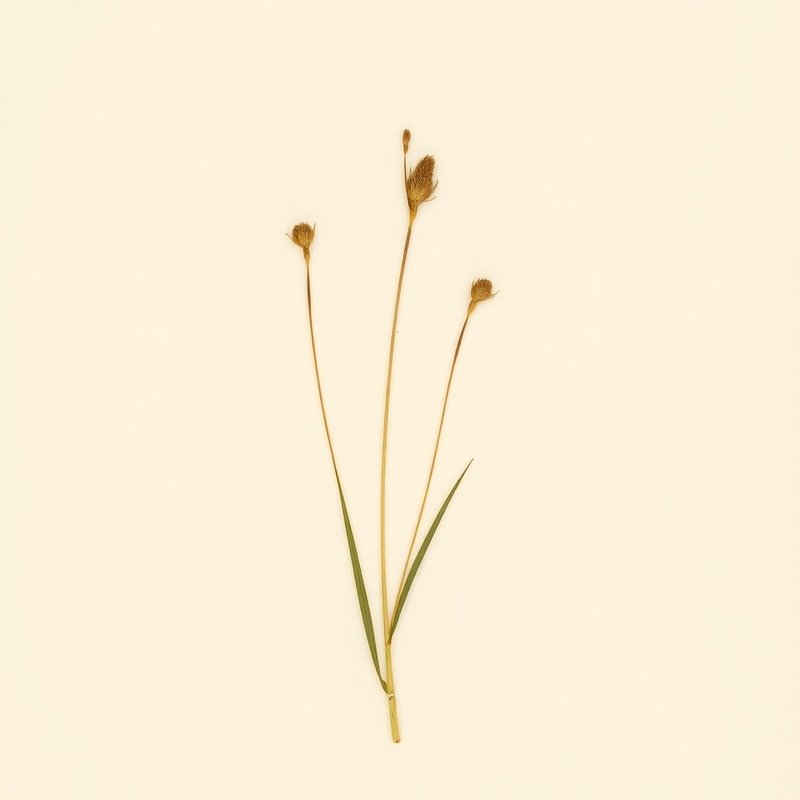
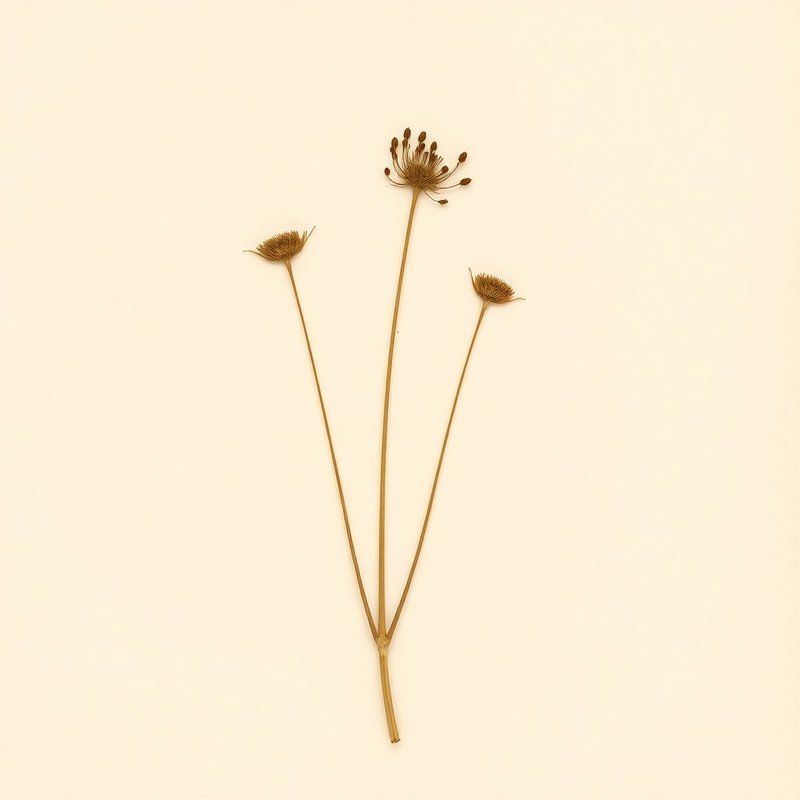
8 relatedPlants you might compare or use together — scored by shared family (Cyperaceae), common use cases, and growing requirements.
Explore further
About this entry
- Last updated
- Citation
- How to cite this entry · Submit a correction
Continue reading
Get archive updates
Occasional email when substantial new content lands — plant profiles, seasonal growing notes, folk-remedy additions. Free, no tracking, unsubscribe anytime.