
Sedum sediforme
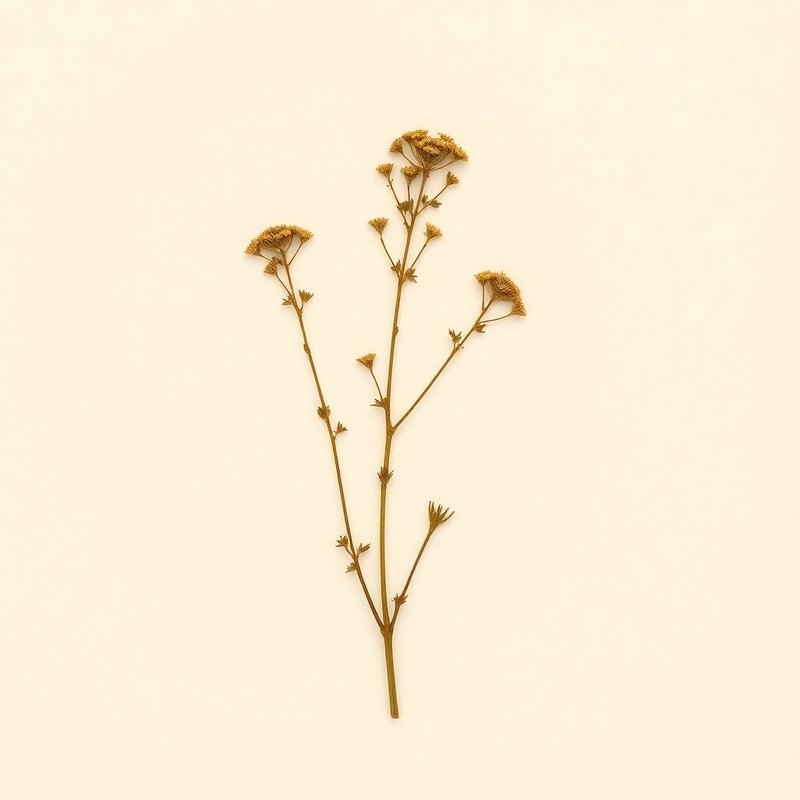
IOverview
Overview
Sedum sediforme, commonly known as Sedum sediforme, is a perennial succulent that thrives in full sun and moist to well-drained soil types, including light (sandy), medium, and heavy (clay) soils. Native to regions such as Albania, Algeria, Cyprus, France, Greece, Italy, Lebanon-Syria, Morocco, Portugal, Spain, Tunisia, Turkey, and Yugoslavia, this plant is notable for its edible and medicinal uses. The leaves, which can be eaten raw or cooked, are often used in salads for their mild flavor. Sedum sediforme can grow up to 0.5 meters tall and is hardy in zones 7-10, making it a versatile addition to gardens and landscapes. In traditional herbal medicine, Sedum sediforme has been used for its topical and skin benefits. A poultice or salve made from the leaves may help soothe minor irritations and promote healing. Additionally, it has been traditionally used to support the immune system, with a decoction made from its leaves potentially bolstering the body's defenses against common ailments. While the plant is primarily recognized for its ornamental value, its edible and medicinal properties make it a valuable addition to both gardens and culinary practices.
What is Sedum sediforme?
Sedum sediforme, commonly known as Sedum sediforme, is a perennial succulent that thrives in full sun and moist to well-drained soil types, including light (sandy), medium, and heavy (clay) soils.
What is Sedum sediforme used for?
Traditionally used for topical & skin, immune support. Each claim is evidence-rated — see Section II for full citations.
IIBenefits & evidence
2 claims · traditional-use context
Benefits & evidence
2 claims · traditional-use context- Sedum sediforme has been traditionally used in topical applications to support skin health. A poultice or salve made from the leaves may help soothe minor irritations and promote healing.
The mechanism by which Sedum supports skin health is not fully characterised but likely involves compounds with anti-inflammatory and antioxidant properties.
▲ ModerateTopical & skin → - Sedum sediforme, like other Sedum species, has been traditionally used in European herbal medicine to support the immune system. A decoction made from its leaves may help bolster the body's defenses against common ailments.
The mechanism by which Sedum supports immunity is not fully characterised but likely involves a combination of antioxidants and other bioactive compounds that enhance overall health.
▲ ModerateImmune support →
IV·bMixology suggestions
1 draft
Mixology suggestions
1 draftVCultivation
Cultivation
How to grow Sedum sediforme for the first time
Start with Skip as a low-maintenance perennial and focus on basic care.
- 1
What you'll need
Skip plants, well-draining soil mix, small containers or garden space.
- 2
Best time to plant
Plant Skip in spring after the last frost or in early fall.
- 3
Soil and container prep
Use a light, sandy or clay soil with good drainage. Ensure pots have holes for excess water.
- 4
Sowing or transplanting
Transplant Skip from small containers into larger ones or directly into the garden bed.
- 5
First two weeks
Water sparingly to avoid rot, ensuring soil stays slightly moist but not soggy.
- 6
Ongoing care
Place in full sun and water only when the soil is dry. Prune dead leaves as needed.
- 7
Harvest or pruning
Prune Skip to maintain shape, removing any yellowing or damaged leaves.
- 8
Common mistakes
Overwatering, planting in heavy soil, and not providing enough sunlight are common issues.
VIEdible & utility
Edible & utility
VIIDistribution
21 native · 10 introduced
Distribution
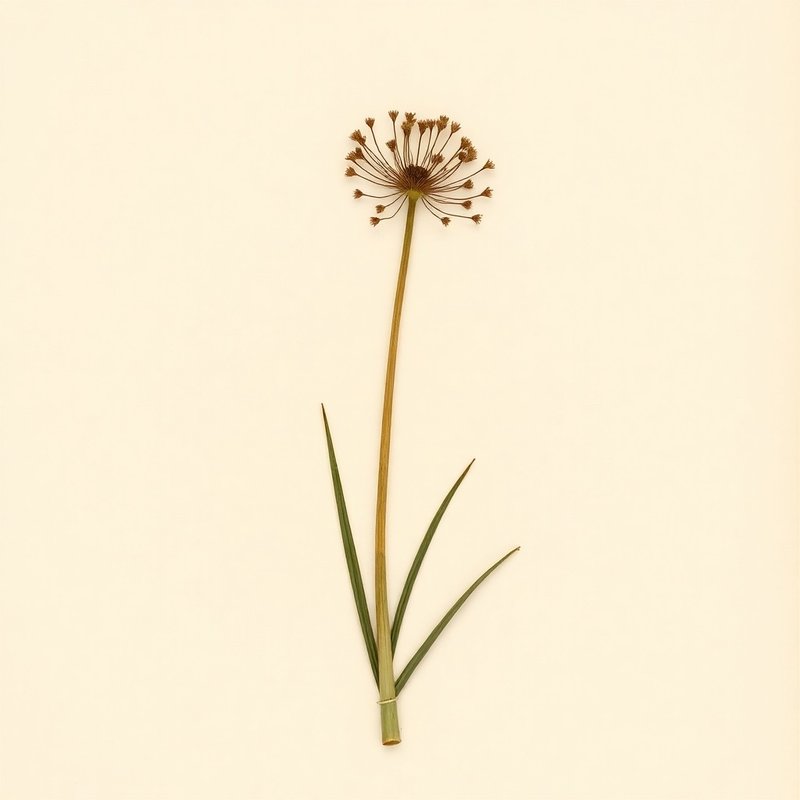
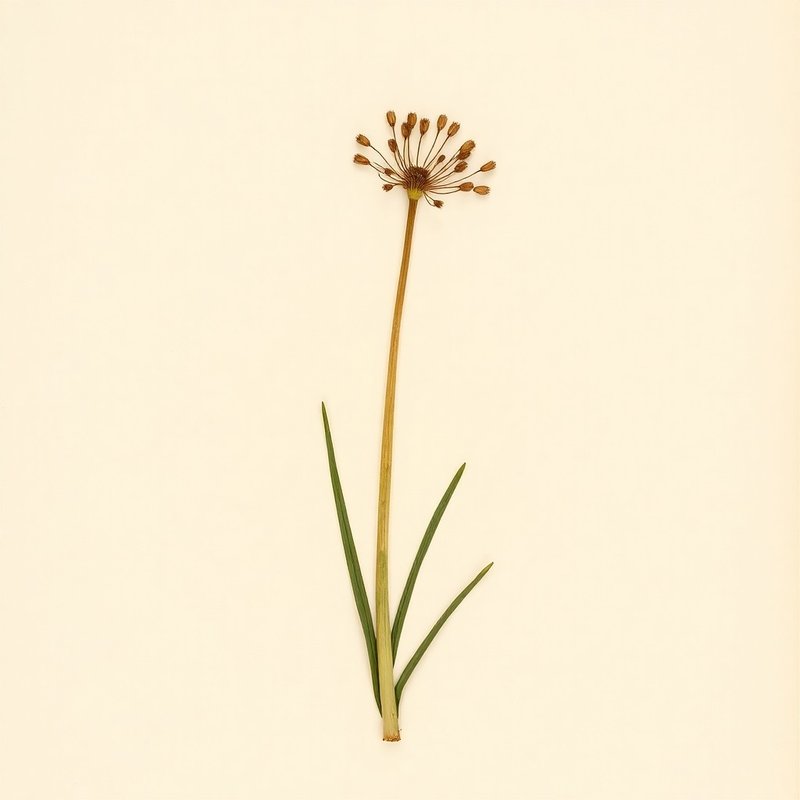
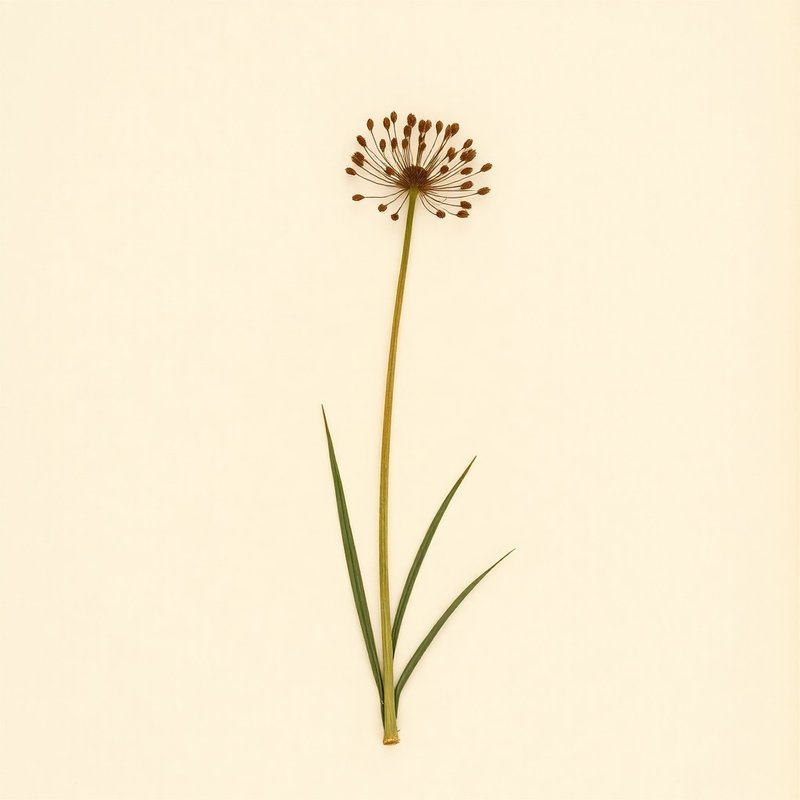
21 native · 10 introducedIXSpecimen gallery
1 image
Specimen gallery
1 imageXSee also
8 related
See also
8 relatedPlants you might compare or use together — scored by shared family (Crassulaceae), common use cases, and growing requirements.


Explore further
About this entry
- Last updated
- Citation
- How to cite this entry · Submit a correction
Continue reading
Get archive updates
Occasional email when substantial new content lands — plant profiles, seasonal growing notes, folk-remedy additions. Free, no tracking, unsubscribe anytime.