
Gum Arabic
Senegalia senegalfam. Fabaceae
Educational content — not medical, botanical, or professional advice. Plant identification, safety, and edibility depend on local conditions, cultivars, and correct identification. Consult a qualified botanist or forager before consuming or handling wild specimens. How we source & review →
Pl. C131 — Senegalia senegal
Senegalia senegalSenegalia senegalSenegalia senegalSenegalia senegalSenegalia senegalSenegalia senegalSenegalia senegalSenegalia senegalSenegalia senegalSenegalia senegalSenegalia senegalSenegalia senegalSenegalia senegalSenegalia senegal
IOverview
Overview
Gum Arabic, scientifically known as Senegalia senegal and belonging to the Fabaceae family, is a tree native to regions including Angola, Benin, Botswana, Burkina Faso, Cameroon, Central African Republic, Chad, Eritrea, Ethiopia, Gambia, Ghana, India, Ivory Coast, Kenya, Malawi, Mali, Mauritania, Mozambique, Namibia, Niger, Nigeria, Oman, Pakistan, Rwanda, Saudi Arabia, Senegal, Somalia, Sudan, Swaziland, Tanzania, Uganda, Yemen, Zambia, and Zimbabwe. This tree thrives in full sun and can tolerate both dry and moist conditions, with a preference for light (sandy), medium, or heavy (clay) soil types. It is hardy in zones 10-12 and grows to a height of about 6 meters. The edible parts include the seed and stem, making it valuable not only as an ornamental plant but also for its culinary uses.
Quick answers
What is Gum Arabic?
Gum Arabic, scientifically known as Senegalia senegal and belonging to the Fabaceae family, is a tree native to regions including Angola, Benin, Botswana, Burkina Faso, Cameroon, Central African Republic, Chad, Eritrea, Ethiopia, Gambia, Ghana, India, Ivory Coast, Kenya, Malawi,
Growingconditions · propagation · uses
VCultivation
Cultivation
Gum Arabic thrives in full sun and prefers well-drained soil that can be light (sandy), medium, or heavy (clay). It is drought-tolerant but will also grow in moist conditions. The plant is hardy in zones 10-12 and reaches a height of about 6 meters. For propagation, seeds are commonly used. Skip the specific growing requirements for other regions as it may not be suitable outside its native range.
Light
Full sun
Water
Dry, Moist
Soil
Light (sandy), Medium, Heavy (clay)
Hardiness
10-12
Mature size
6.0 m tall
For first-time growers
How to grow Gum Arabic for the first time
8steps
Start with a simple planting of Gum Arabic in a sunny spot, and you'll have a low-maintenance tree for your garden.
- 1
What you'll need
A young Gum Arabic sapling or seeds, a small trowel, and some compost.
- 2
Best time to plant
Plant in late winter or early spring when the soil is moist but not waterlogged.
- 3
Soil and container prep
Choose a well-draining spot with light (sandy), medium, or heavy soil. Amend the soil with compost if needed.
- 4
Sowing or transplanting
Transplant young saplings carefully, ensuring they are planted at the same depth as in their pot. For seeds, sow them 2-3 cm deep and cover lightly.
- 5
First two weeks
Water sparingly but regularly to keep the soil moist until the plant establishes itself.
- 6
Ongoing care
Water only when the soil is dry. Fertilize once a year in spring with compost or well-rotted manure.
- 7
Harvest or pruning
Prune young trees to shape them and remove any dead or weak branches.
- 8
Common mistakes
Overwatering, planting too deep, not providing enough sunlight.
VIEdible & utility
Edible & utility
Edible parts:SeedStem
Edible uses: Oil, Gum, Stabilizer
Other uses:Fire starterDyeFencingFiberAnimal feedGumoilPioneerSoap makingSoil conditionerErosion controlWeaving materialTanninLumberCoppiceNitrogen fixer
Contextrange · companions · related
VIIDistribution
30 native · 0 introduced
Distribution
30 native · 0 introducedDistribution across2 continents· 30 native
Asia4 regions
native (4)IndiaOmanPakistanYemen
Africa23 regions
native (23)BotswanaBurkina FasoCameroonChadCôte d'IvoireEritreaEswatiniEthiopiaGambiaGhanaKenyaMalawiMaliMauritaniaMozambiqueNamibiaNigerNigeriaRwandaSenegalSomaliaSudanTanzania
Broader regions
native:Central African Repu, KwaZulu-Natal, Northern Provinces
XSee also
8 related
See also
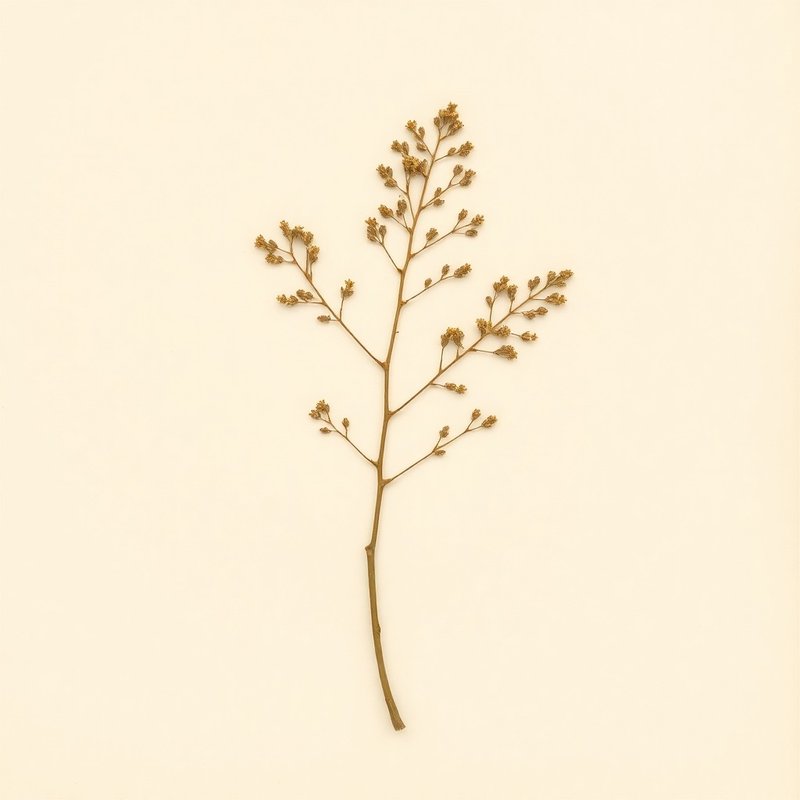
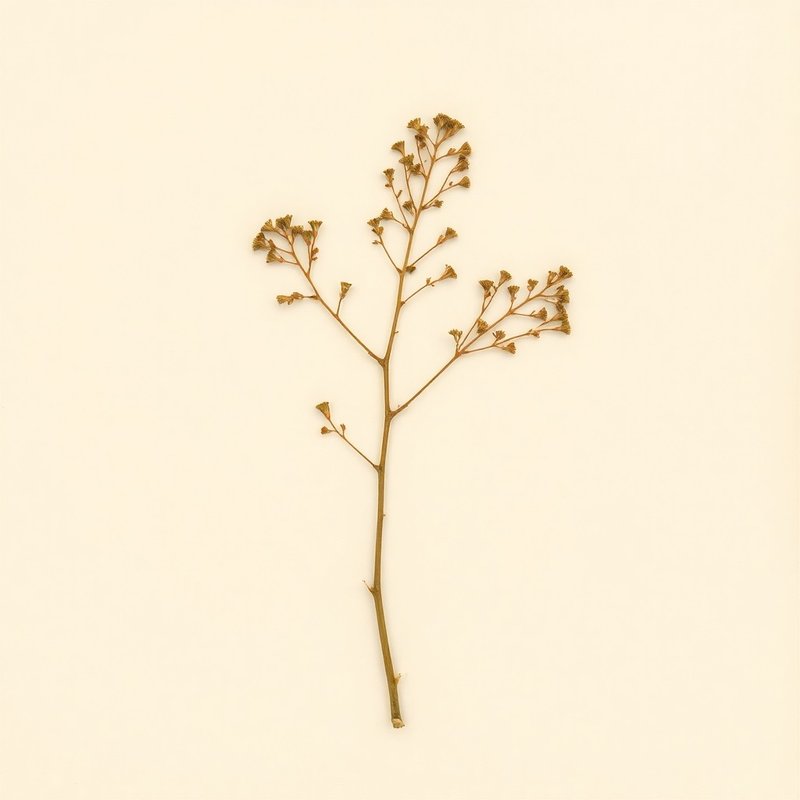
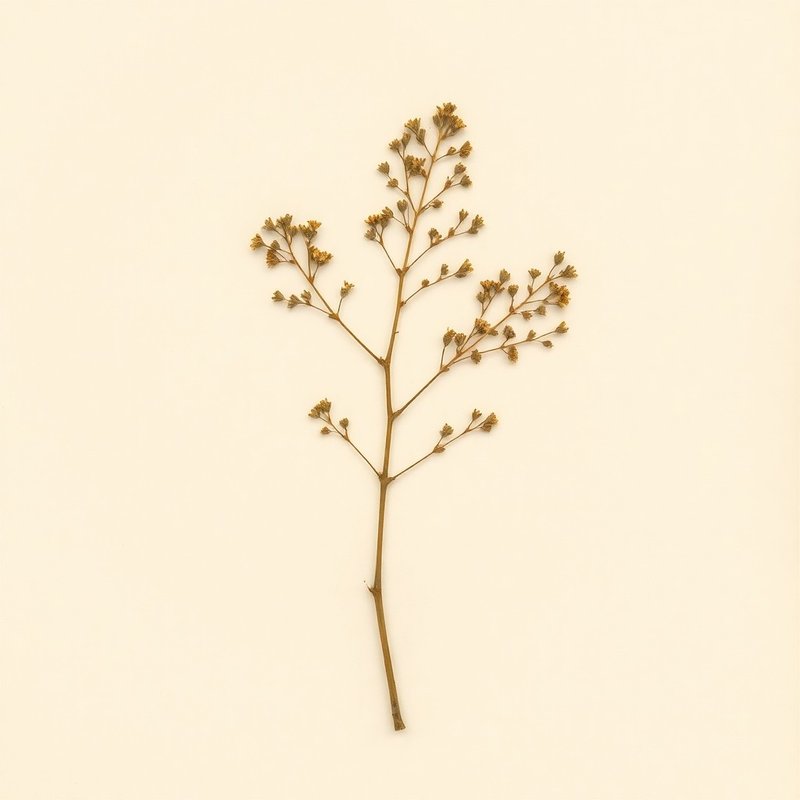
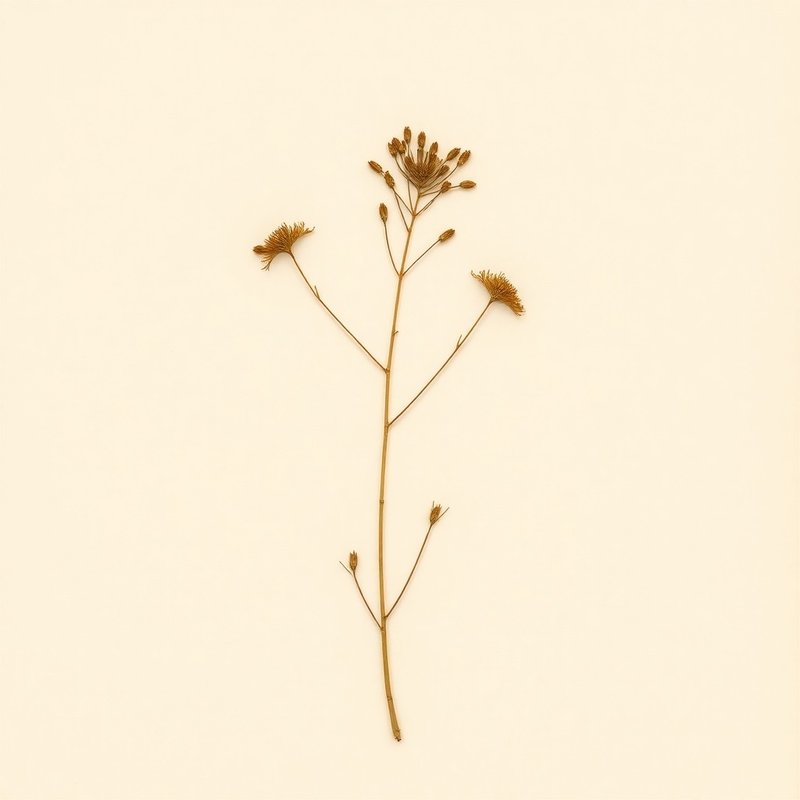
8 relatedPlants you might compare or use together — scored by shared family (Fabaceae), common use cases, and growing requirements.
same family · Fabaceae
Botanical relatives — often share phytochemistry + growing needs.

XI
Explore further
Companion planting
Compare with similar plants
Growing zone
XII
About this entry
- Last updated
- Citation
- How to cite this entry · Submit a correction
Back to the cataloguePlant id · c131d874-277a-4dce-968e-d80a48403290
Decision aid
Choosing between Gum Arabic and something else?
Continue reading
❦❦❦❦
Endpaper · archive updates
Get archive updates
Occasional email when substantial new content lands — plant profiles, seasonal growing notes, folk-remedy additions. Free, no tracking, unsubscribe anytime.