
Saw-Wort
Serratula tinctoria
Educational content — not medical, botanical, or professional advice. Plant identification, safety, and edibility depend on local conditions, cultivars, and correct identification. Consult a qualified botanist or forager before consuming or handling wild specimens. How we source & review →
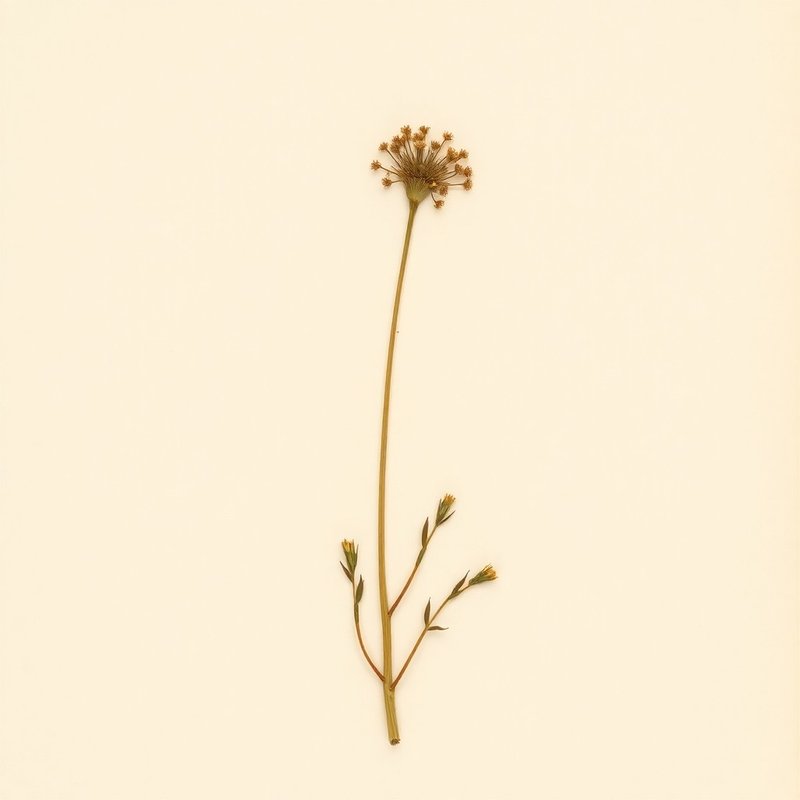
Pl. 9315 — Serratula tinctoria
Serratula tinctoriaSerratula tinctoriaSerratula tinctoriaSerratula tinctoriaSerratula tinctoriaSerratula tinctoriaSerratula tinctoriaSerratula tinctoriaSerratula tinctoriaSerratula tinctoriaSerratula tinctoriaSerratula tinctoriaSerratula tinctoriaSerratula tinctoria
IOverview
Overview
Saw-wort (Serratula tinctoria) is a perennial forb or herb native to the Mediterranean and Central European regions, including Albania, Austria, Belgium, Bulgaria, and parts of Russia. It thrives in moist, light to heavy soils with a pH between 6.5 and 7. Known for its edible leaves, saw-wort has been used in culinary applications. This plant reaches a height of about 1 meter and is hardy in zones 5-9, making it adaptable to various climates within its native range. One distinctive feature of saw-wort is its light texture, which contributes to its ability to grow well in diverse soil types.
Quick answers
What is Saw-Wort?
Saw-wort (Serratula tinctoria) is a perennial forb or herb native to the Mediterranean and Central European regions, including Albania, Austria, Belgium, Bulgaria, and parts of Russia. It thrives in moist, light to heavy soils with a pH between 6.
Growingconditions · propagation · uses
VCultivation
Cultivation
Saw-wort thrives in moist conditions and prefers light (sandy), medium, or heavy (clay) soils. It is hardy in temperate regions from zones 5 to 9 and can grow up to 1 meter tall as a perennial forb/herb. For best results, plant it in full sun to partial shade with a soil pH of 6.5–7. The edible parts are the leaves, which can be harvested for use. Propagate saw-wort through seeds or division in spring.
Light
6/10
Water
Moist
Soil
Light (sandy), Medium, Heavy (clay)
Hardiness
5-9
Life cycle
Perennial
Habit
Forb/herb
Mature size
1.0 m tall
Soil pH
6.5–7
For first-time growers
How to grow Saw-Wort for the first time
7steps
Start with planting Saw-Wort in a sunny spot and follow these simple steps for success.
- 1
What you'll need
Saw-Wort seeds or young plants, garden soil, containers if starting indoors.
- 2
Best time to plant
Plant Saw-Wort in spring after the last frost or in early fall.
- 3
Soil and container prep
Prepare well-draining soil with a pH between 6.5 and 7, ensuring it's light (sandy), medium, or heavy (clay).
- 4
Sowing or transplanting
Direct sow seeds in the garden or start them indoors 4-6 weeks before planting outside. Transplant young plants carefully.
- 5
First two weeks
Water regularly to keep soil moist but not waterlogged, and protect from extreme weather conditions.
- 6
Ongoing care
Provide full sun exposure and regular watering, especially during dry spells. Mulch around the base for moisture retention.
- 7
Harvest or pruning
Prune dead or damaged foliage to maintain plant health and appearance; leave some leaves for photosynthesis.
VIEdible & utility
Edible & utility
Edible parts:Leaves
Edible uses: Saw-wort leaves are edible and can be consumed fresh or cooked. They are typically prepared by adding them to salads for a mild flavor or incorporating them into soups and stews. The leaves can also be dried for later use in cooking. SKIP
Other uses:Dye
Contextrange · companions · related
VIIDistribution
30 native · 0 introduced
Distribution
30 native · 0 introducedDistribution across3 continents· 30 native
Europe23 regions
native (23)AlbaniaAustriaBelarusBelgiumBulgariaCyprusDenmarkFranceGermanyHungaryIrelandItalyNetherlandsNorwayPolandPortugalRomaniaRussiaSpainSwedenSwitzerlandUkraineUnited Kingdom
Asia1 region
native (1)Turkey
Africa1 region
native (1)Algeria
Broader regions
native:Baltic States, Czechoslovakia, Yugoslavia
IXSpecimen gallery
1 image
Specimen gallery
1 imageXI
Explore further
Companion planting
Growing zone
XII
About this entry
- Last updated
- Citation
- How to cite this entry · Submit a correction
Back to the cataloguePlant id · 9315ac0c-a54c-4942-9f94-b04cde68e66e
Decision aid
Choosing between Saw-Wort and something else?
Continue reading
❦❦❦❦
Endpaper · archive updates
Get archive updates
Occasional email when substantial new content lands — plant profiles, seasonal growing notes, folk-remedy additions. Free, no tracking, unsubscribe anytime.