
Sesame
Sesamum indicum
Educational content — not medical, botanical, or professional advice. Plant identification, safety, and edibility depend on local conditions, cultivars, and correct identification. Consult a qualified botanist or forager before consuming or handling wild specimens. How we source & review →
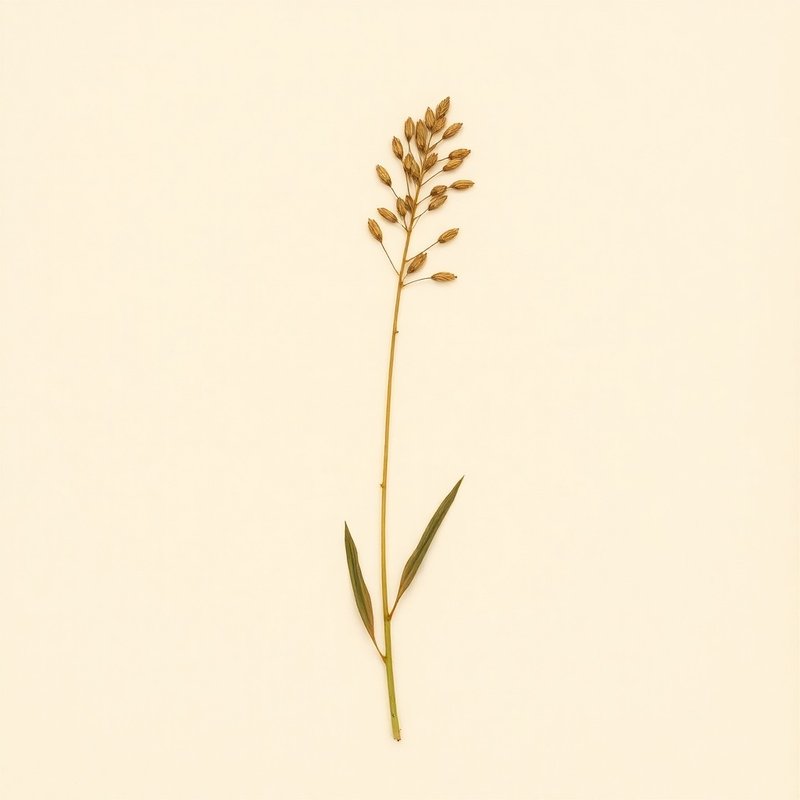
Pl. C432 — Sesamum indicum
Sesamum indicumSesamum indicumSesamum indicumSesamum indicumSesamum indicumSesamum indicumSesamum indicumSesamum indicumSesamum indicumSesamum indicumSesamum indicumSesamum indicumSesamum indicumSesamum indicum
IOverview
Overview
Sesame (Sesamum indicum) is an annual plant native to the region encompassing Assam, Bangladesh, India, and West Himalaya. Known for its versatile uses, sesame is both edible and ornamental, with its seeds widely used in cooking and as a source of oil. This plant thrives in full sun and prefers moist conditions, growing up to 1 meter tall. Its light soil preference includes sandy, medium, and clay soils, making it adaptable to various environments within its native range. One distinctive feature is the small, white or pink flowers that give way to the well-known sesame seeds, which are harvested for culinary purposes.
Quick answers
What is Sesame?
Sesame (Sesamum indicum) is an annual plant native to the region encompassing Assam, Bangladesh, India, and West Himalaya. Known for its versatile uses, sesame is both edible and ornamental, with its seeds widely used in cooking and as a source of oil.
Growingconditions · propagation · uses
VCultivation
Cultivation
Sesame thrives in full sun and requires moist soil that can be light (sandy), medium, or heavy (clay). It is an annual plant growing up to 1 meter tall. Sesame is hardy in zones 10-12 but may still benefit from protection in the cooler parts of its range. For propagation, sow seeds directly in the garden after all danger of frost has passed. Keep the soil consistently moist throughout the growing season.
Light
Full sun
Water
Moist
Soil
Light (sandy), Medium, Heavy (clay)
Hardiness
10-12
Life cycle
Annual
Mature size
1.0 m tall
For first-time growers
How to grow Sesame for the first time
7steps
Start with easy-to-grow sesame for a rewarding beginner gardening experience.
- 1
What you'll need
Sesame seeds, potting soil, containers or garden space, water.
- 2
Best time to plant
Plant in spring after the last frost when temperatures are consistently above 20°C (68°F).
- 3
Soil and container prep
Use well-draining soil with a pH between 6.0 and 7.5. Ensure containers have drainage holes.
- 4
Sowing or transplanting
Direct sow seeds 1-2 cm deep, spacing them about 30 cm apart in rows 45 cm apart. Alternatively, start indoors 4 weeks before planting out.
- 5
First two weeks
Keep soil moist but not waterlogged. Provide full sun and shelter from strong winds.
- 6
Ongoing care
Water regularly to keep the soil consistently moist. Fertilize lightly every 4-6 weeks with a balanced organic fertilizer.
- 7
Harvest or pruning
Prune any dead or yellowing leaves to encourage new growth and prevent disease spread.
VIEdible & utility
Edible & utility
Edible parts:LeavesSeed
Edible uses: Oil, Condiment
Other uses:HairPest controlLightingoilSoap makingWind breaker
Contextrange · companions · related
VIIDistribution
4 native · 26 introduced
Distribution
4 native · 26 introducedDistribution across4 continents· 4 native· 26 introduced
Asia4 regions
native (2)BangladeshIndia
introduced (2)CambodiaChina
Americas4 regions
introduced (4)BelizeCosta RicaEl SalvadorFrench Guiana
Africa9 regions
introduced (9)AngolaBeninBurkina FasoBurundiCameroonChadComorosEritreaEthiopia
Oceania1 region
introduced (1)Fiji
Broader regions
native:West Himalaya
introduced:Brazil North, Andaman Is., East Himalaya, California, Borneo, Central African Repu, Congo, Caroline Is., Florida
IXSpecimen gallery
1 image
Specimen gallery
1 imageXI
Explore further
Companion planting
Growing zone
XII
About this entry
- Last updated
- Citation
- How to cite this entry · Submit a correction
Back to the cataloguePlant id · c4323ed1-58cd-457a-9725-5ae77147bd4b
Decision aid
Choosing between Sesame and something else?
Continue reading
❦❦❦❦
Endpaper · archive updates
Get archive updates
Occasional email when substantial new content lands — plant profiles, seasonal growing notes, folk-remedy additions. Free, no tracking, unsubscribe anytime.